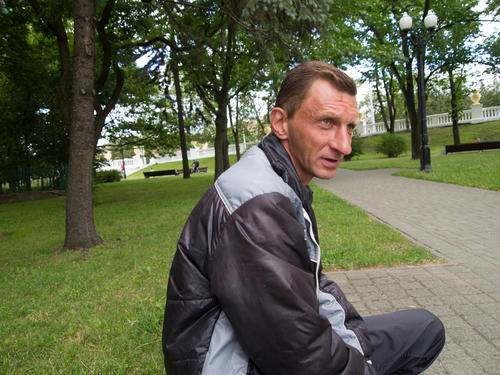
يوري، بيلاروسيا
"قال لي أطبائي، هذه فرصتك الوحيدة"
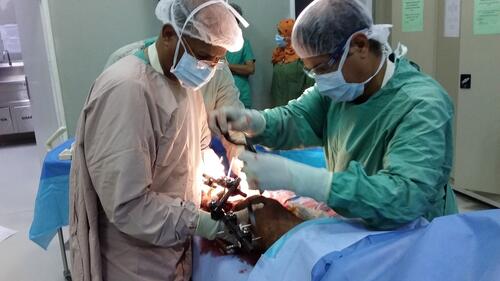
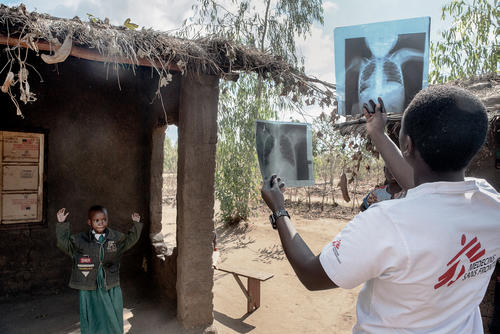
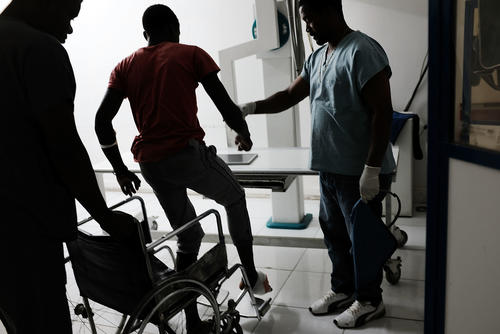
يوري، 38 عاماً، هو أول مريض يتمّ علاجه في برنامج أطباء بلا حدود لمكافحة السلّ في بيلاروسيا، والذي تديره المنظمة بالتعاون الوثيق مع وزارة الصحة.
اكتشف يوري مرضه عام 2013، ويقول "شعرتُ بالضعف، وكنت أخسر من وزني. ثم أصبتُ بالحمى، وذهبتُ إلى العيادة ظناً مني أني مصابٌ بنزلة برد". بعد أن عرف أنه مصاب بالسلّ، كان يوري خائفاً من ردة فعل الآخرين أكثر من خوفه على صحته وحياته. "اعتقدتُ أن هذه النهاية، وأن الجميع سوف يبتعد عني".
عندما أنشأت منظمة أطباء بلا حدود برنامج السلّ عام 2015، كان يوري قد عانى مع المرض مدة عامين وتمّ تشخيصه بالسلّ شديد المقاومة للأدوية. "قال لي أطبائي، هذه فرصتك الوحيدة. كان صحتي تسوء أكثر فأكثر"، ثم أدخل يوري إلى البرنامج على الفور.
"بدأتُ أتحسن فوراً. لم أشعر بالتحسن كما لم تكن لدي شهية على الطعام، لكنّ نتيجة الفحوصات والأشعة صدمت الجميع. في شهر أكتوبر/تشرين الأول، أبدت فحوصاتي زوال المرض".
"سوف تشعر بالتعب بعد عامين من المرض، لكن ماذا يسعك أن تفعل؟ لولا العلاج الذي تلقيته، لما كنّا نتكلّم حالياً".
ب. م.*، جمهورية الكونغو الديمقراطية
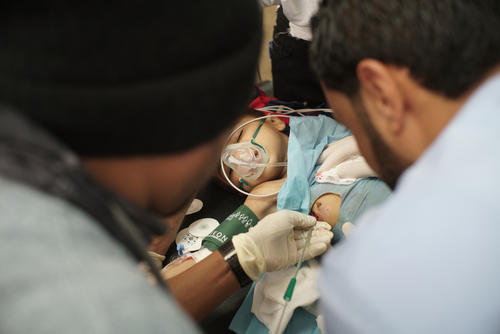
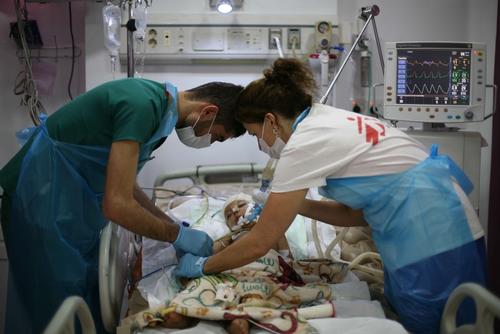
أدخل طفلا ب. م.* اللذان يبلغان من العمر سنتين وأربع سنين، إلى غرفة الطوارئ في مستشفى ماسيسي العام لإصابتهما بأعيرة نارية.
"نعيش في قرية تقع في منطقة واليكالي. في إحدى الليالي رأيت رجالاً مسلحين في بيتي، ولا أعلم كيف دخلوا. فور أن رأيتهم أمسكت بطفلي الأصغر سناً وحاولت الاختباء تحت السرير. حاول ابني البالغ من العمر ثمانية أعوام أن يفعل الشيء ذاته لكن الرجال أطلقوا النار عليه، فأصابته الطلقة في صدره حيث سقط إلى جانب السرير وقد فارق الحياة.
أطلقوا النار باتجاه السرير حيث كنا مختبئين. أصيب طفلاي ذوا السنتين والأربع سنين بأعيرة نارية. صرخت قائلة: ’أنتم تقتلونني وتقتلون جميع أطفالي‘ لكنهم أجابوا: ’ما عليك سوى الموت‘.
سرت مدة ساعة مع أطفالي للوصول إلى نقطة صحية ومن ثم أخذتنا سيارة إسعاف تابعة لمنظمة أطباء بلا حدود إلى مستشفى ماسيسي العام حيث عولجا. هما الآن في وضع أفضل قليلاً وآمل أن ينسيا هذه الحادثة المأساوية. لم يتحدثا عما جرى حتى الآن".
* تم تغيير الاسم
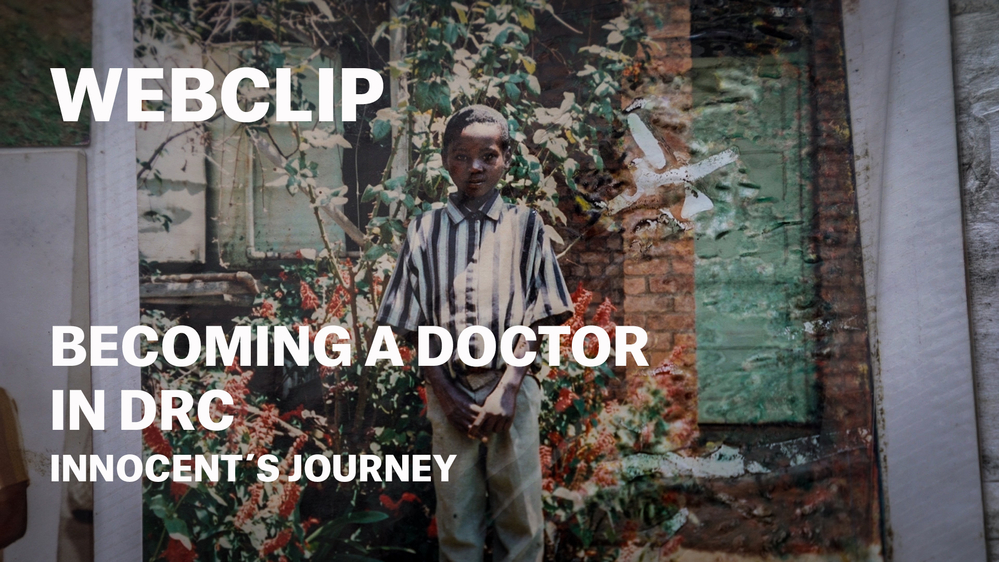
د. إينوسنت، جمهورية الكونغو الديمقراطية
أن تصبح طبيباً أمرٌ صعب، لكن ما بالك في أن تصبح طبيباً في منطقة نزاع مسلّح، وبالتحديد في إحدى أخطر المناطقة النائية في جمهورية الكونغو الديمقراطية؟
كان أهل د. إينوسنت غير متعلمين، لكنّ ذلك لم يمنعه من تحقيق حلمه. يبلغ من العمر اليوم 32 عاماً فقط، لكنه اليوم طبيبٌ وأوّل كونغولي يرأس فريقاً للاستجابة الطارئة في أطباء بلا حدود في جنوب كيفو التي يجوبها عدم الاستقرار.
فيديو
Innocent's Journey
ياسين، ألمانيا
أبٌ سوريّ لتسعة أطفال
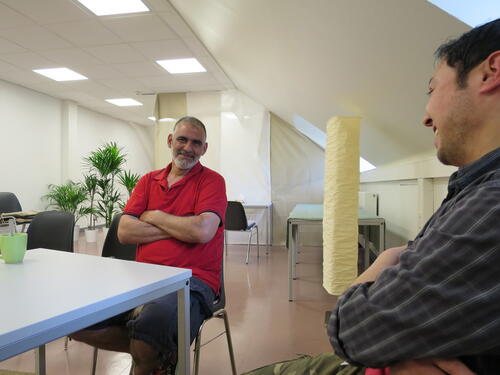
منذ فراره وأسرته من حلب قبل أربعة أعوام وهم يتنقلون من سوريا إلى لبنان إلى تركيا إلى الاتحاد الأوروبي بحثاً عن السلام. وفي أثينا حيث أخبره طبيب تابع للمنظمة قام بعلاج زوجته من مشاكل تتعلق بصحة الأمومة بأنه بحاجةٍ إلى المساعدة هو الآخر. يقيم ياسين وأسرته اليوم في مركز استقبال لطالبي اللجوء في شفاينفورت.
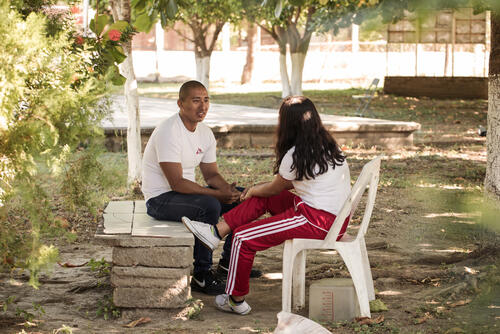
"اليوم أنا على دراية بأن الصحة النفسية مهمة، لكنني كنت مشتتاً وقتها. يعتقد الناس في سوريا بأن من يذهب إلى الطبيب النفسي مجنون. لكنني أدركت بأنني بحاجة إلى المساعدة.
الحديث مع المرشدين هنا أمرٌ جيدٌ بالنسبة لي. ومن المفيد أن يستمع أحدهم لي. أرغب بتعلم الألمانية والعمل سائق شاحنة مجدداً. لكن الأمر ليس سهلاً بالنسبة لي. وقد أصبحت مؤخراً كثير النسيان كما أن فكري مشوش".
امرأة مجهولة، ليبيا
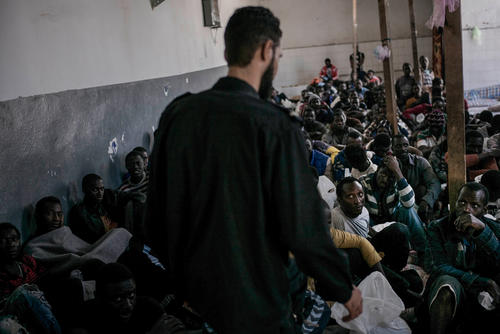
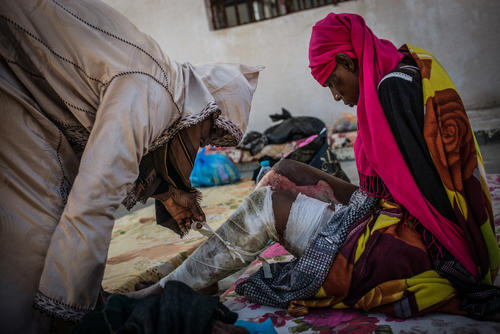
يقول المصور الصحفي غيلام بينيه، والذي تمكن من زيارة عدة مراكز احتجاز، "لا أعرف ما اسمها، أو إذا ما زالت على قيد الحياة.
كانت هذه الامرأة مع مجموعة نساء محتجزات في باحة مركز احتجاز يقع 60 كيلومتراً شرق طرابلس. اعترض طريقهنّ خفر السواحل الليبي بينما كنّ متوجهات إلى أوروبا. ظهرت على أرجل بعضهنّ حروق: تفاعلت مياه البحر مع الوقود وملأت سطح المركب المطاطي الذي كنّ عليه فأصبن بتلك الحروق.
لا أعلم ما حصل للمرأة صاحبة الشال الزهري، لكنّها دون الرعاية الصحية التي كانت تحتاجها، لا أعتقد أنها نجت".
تحملت طيلة 29 عاماً اعتداءات جسدية ونفسية على يد زوجي.
"بقيت معه لأنه تبعاً لأعرافنا، علينا أن نحترم رغبات والدينا حيث أحست أمي بأنها ستشعر بالمهانة إن تركته. لكن في سنة 2014 و2015 فقدت أمي وأختي وأخي وانهارت حياتي، ولم أعد قادرة على مواجهة بيتي لكن ما كان ثمة من مكان أذهب إليه.
وفي شوارع بويتيكونغ التقيت عاملة رعاية صحية تدعى روزينا من منظمة أطباء بلا حدود أخبرتني عن خدمات ضحايا العنف الزوجي في مركز كغوموتسو للرعاية الواقع في مركز صحة بويتيكونغ المجتمعي. اقترضت 20 رانداً (1.7 دولار أمريكي) وأخذت سيارة أجرة إلى المركز حيث حصلت على المشورة وتم نقلي إلى ملجأ للنساء والأطفال المستضعفين.
أشعر بأنني أقوى الآن ومستعدة لمغادرة الملجأ. لو سمعَت امرأةٌ تعرضت للعنف قصتي، أريد أن تعلم بأنني كنت أخفي مشاكلي، لكن ما لم تطلبي المساعدة فإن ما يحدث سيقتلك من الداخل. الذهاب إلى العيادة والحديث إلى المرشدين أنقذ حياتي".
![For 29 years Poppy Makgobatlou endured physical and mental abuse at the hands of her husband. She stayed with him because “in our culture, we respect the wishes of our parents, and my mother felt it would humiliate her if I left him”. Makgobatlou’s sister passed away in 2014, and when her mother fell ill a few months later, “things started to get out of control in my life.”
Her husband began removing items from the house one by one – where he was taking their things she did not know.
“He would just come and go, and when he was home he would fight me. He broke my shoulder, and the doctors tell me it is still broken.”
In 2015 Makgobatlou lost her brother.
“I remember what hurt the most, besides the beatings, was taking my brother to the hospital on the Saturday, and my husband was nowhere to be found. He came back home on the Monday, but only to ask for my wedding ring. I told him I did not know where it was, and when he left the house he said he was going to kill me when he returned. Around 2pm I received a call from the hospital to say that my brother had passed on - they wanted to know which mortuary they should take his body to,” she recalls.
After her brother’s funeral Makgobatlou lived with her sister’s two daughters for a time, unable to face her home. She received a summons for divorce from the Sherriff of the court, and learned that her husband was living with another woman. She received a divorce decree on the same day as her nieces kicked her out. Earlier in the week on the streets of Boitekong she had met a healthcare worker from Doctors Without Borders, who had told her about the Kgomotso Care Centre (KCC) at Boitekong Community Health Centre. With nowhere else to turn Makgobatlou borrowed R20, and caught a taxi to the KCC, where she was counseled and then transported to the Grace Help Centre near Mooinooi, which provides shelter for vulnerable women and children.
“What I liked about the KCC counselors is that they did not dump me. Even now they visit if they are in the area. I can feel that I am strong now, and ready to leave the shelter. I have no money but I do not need much – I want to know what it is like to live on my own in a little mokhukhu [shack], with just one plate and one cup – that will be fine for me,” she says
Asked if she would like her name to be changed to preserve her anonymity, Makgobatlou emphatically says, “No!”
“If an abused woman hears my story, I want them to know that I, Poppy Makgobatlou, used to hide my problems, but it kills you from inside to do that. You must speak out.”
* Médecins Sans Frontières/Doctors Without Borders (MSF) has been working with the North West Provincial Department of Health since 2015 to capacitate designated facilities on the platinum belt as ‘Kgomotso Care Centres’, providing a complete essential package of medical and clinical forensic services to survivors of sexual violence.](https://img.msf.org/AssetLink/k60i2804fg2jaa0k2cj840gobi02bb71.jpg "Kgmotso Care Centre")
بختيلي أحمدولوفا، أوكرانيا
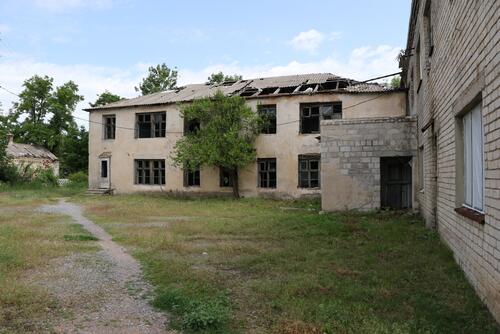
بختيلي أحمدولوفا، 73 عاماً، تعيش في غرانيتني وهي قرية تقع على خطوط القتال في شرق أوكرانيا. وقد اضطر ابناها وأهلها إلى هجر بيوتهم بعد أن تضررت من القصف وانهارت أسقفها.
لكن بفضل مساعدة منظمات المجتمع المحلي ها هم يعيدون بناءها رويداً رويداً، غير أن بختيلي لا تزال تنام بملابسها خوفاً من أن يجبرها القصف على الالتجاء إلى قبو بيتهم المظلم والضيق.
بعد قصف عنيف وقع سنة 2015 بدأت بختيلي تفقد صوتها وهي تتحدث اليوم بصوت منخفض جداً، إلا أنها لا تفهم ما سبب الذي جرى. تعاني بختيلي أيضاً من ارتفاع ضغط الدم وبغية الحؤول دون تدهور وضعها فهي تتلقى مشورة طبية وأدوية مجانية يقدمها أطباء وممرضو إحدى العيادات المتنقلة التابعة لمنظمة أطباء بلا حدود والذين يزورون القرية مرتين أسبوعياً.
أرزوباي، أوزبكستان
أزروباي، 24 عاماً، تلقى علاجاً قصير الأمد للسلّ المقاوم للأدوية المتعددة في سبتمبر/أيلول 2014، وهو الآن لا يبدي أي أعراض للمرض. لا يزال يذكر لحظة تشخيصه:
"لم أرد أن أصدق الخبر. أردت أن أتجاهل نتيجة الأشعة. أرسلتُ عينة من السوائل في رئتيّ إلى المختبر مرتين اثنين. عندما أكد الأطباء أنني مصاب بالسلّ، لم يعد لديّ مفرّ من أن أصدق. عرّفني الفريق الطبي على العلاج قصير الأمد وقالوا لي أنه علاج مناسب لحالتي.
بدأتُ علاجي وكنتُ سعيداً أنه يمكنني تلقي العلاج قصير الأمد، لأنني أسمع عن أشخاص يعانون خلال عامين من العلاج والأعراض الجانبية التي ترافقه، ببساطة لأنه الحلّ الوحيد أمامهم. فتسعة أشهر ليس وقتاً طويلاً، ولم تمنعني من مساعدة عائلتي في المهام المنزلية اليومية. لم يكن عليّ الاختيار إما أساعد عائلتي أو أتعالج".
جويل*، زيمباوي
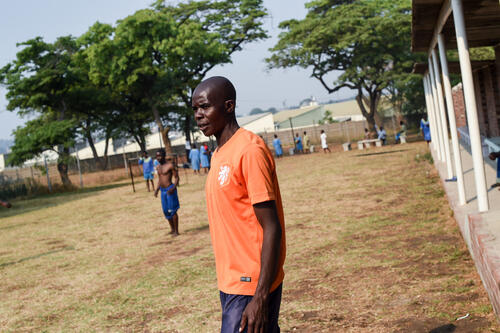
كان جويل يعمل عامل نظافة في شركة في هراري، عندما تحول فجأة إلى شخص عنيف جداً في العمل. تم أخذه إلى المستشفى وإدخاله إلى وحدة الطب النفسي للعلاج.
بعد أن عاد إلى العمل، عرف أن زملاءه قد علموا أنه أدخل جناح الطب النفسي، فكانوا ينظرون إليه نظرة دونية ما جعله يشعر بوصمة العار فاستقال من عمله.
“ويقول جويل: "مازالت وصمة العار أمراً شائعاً في المجتمع وحتى في مكان العمل. فدائماً ما أرى أشخاصاً مصابين بأمراض نفسية في المجتمع وأتألم كثيراً لحالهم لأنني أعرف أنهم لم يحصلوا على المساعدة التي حصلت عليها أنا".
بالرغم من أن جويل تلقى تدريباً على أعمال اللِحام إلا أنه لم يحصل على عمل لأن الناس لا ترغب بتوظيف شخص كان يعاني من مرض نفسي. في النهاية حصل على عمل بعد ترشيح من طبيب نفسي. ووضعه الآن مستقر بسبب الدواء الذي يواظب على أخذه.
“ويضيف: "أود أن أتقدم بطلب للحكومة لمساعدة مرضى الأمراض النفسية كي يتمكنوا من البدء بمشاريع تأتي لهم بدخل مالي. فإذا كانوا مشغولين ولديهم شيء ما يفعلونه، سيجعلهم هذا في منأى عن تعاطي المخدرات التي من شأنها أن تجعلهم ينكصون على أعقابهم".
*تمّ تغيير الاسم بناءً على طلب المريض