حصاد العام
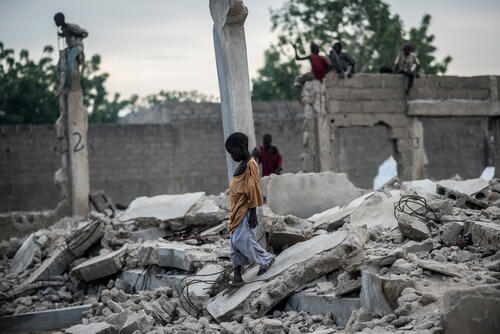
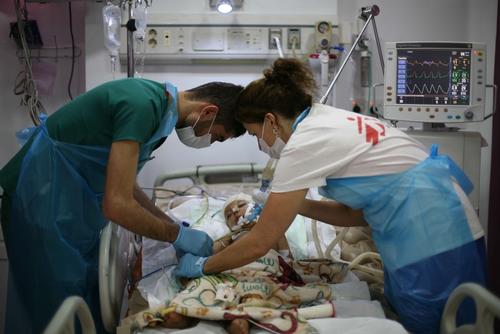
تصاعد العنف ضد المدنيين في ميانمار وجمهورية الكونغو الديمقراطية وجنوب السودان وجمهورية إفريقيا الوسطى والعراق خلال عام 2017، فيما استمر دون هوادة في سوريا ونيجيريا واليمن. وقد دفعت مجتمعات بأسرها ثمناً باهظاً إذ قتل وجرح وفقد كثيرون، فيما فرّ الملايين من بيوتهم بحثاً عن الأمان.
برامجنا حول العالم
أدارت أطباء بلا حدود 462 مشروعاً في 72 بلداً حول العالم. للمزيد من المعلومات، اضغطوا على البلدان في هذه الخريطة.
أسماء البلدان أو الحدود في هذه الخريطة لا تعبّر عن مواقف أطباء بلا حدود حولها.
البرامج والمشاريع
أسماء البلدان أو الحدود في هذه الخريطة لا تعبّر عن مواقف أطباء بلا حدود حولها.
تحت المجهر
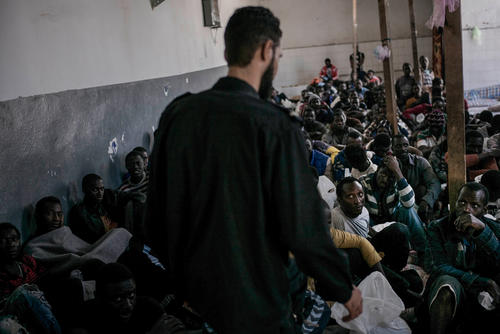
خيارات صعبة: توفير الرعاية الصحية في مراكز الاحتجاز في ليبيا
يجري احتجاز المهاجرين واللاجئين في ليبيا قسرياً ويُحبسون في مراكز احتجاز غير منظمة ولا تضمن حصول من فيها على الرعاية الصحية. توفر فرق أطباء بلا حدود خدمات الرعاية الصحية الأساسية في مراكز الاحتجاز من خلال العيادات المتنقلة ونظام إحالة الحالات المعقدة. اقرأوا حول وضع المهاجرين واللاجئين المحتجزين في ليبيا.
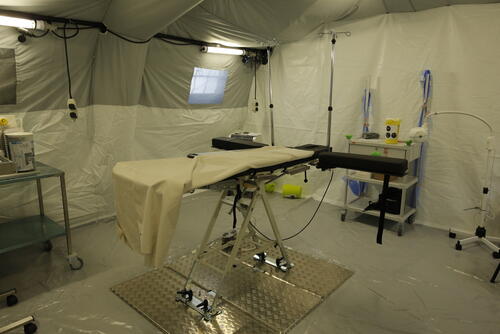
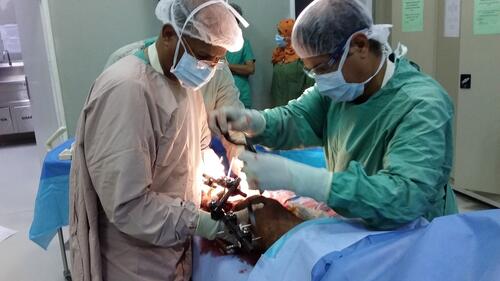
العمليات الجراحية لعلاج الإصابات البليغة في الحروب ذائعة الصيت وتلك المنسية
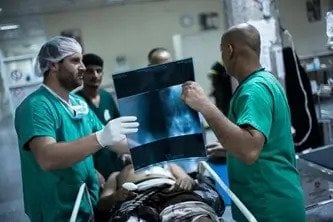
بالنسبة للمدنيين المتواجدين في مناطق النزاع فإن انفجارات القنابل ليست حدثاً يؤثر على فرد بحد ذاه فحسب إنما يتعداه إلى الأسر والمجتمعات في تلك المناطق. بصفتنا جراحين وعاملين إنسانيين مع أطباء بلا حدود، نعمل على تقديم أفضل رعاية ممكنة لمرضانا أينما عملنا.
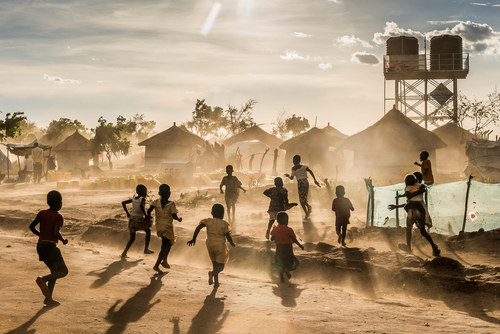
جنوب السودان بلا حدود: جهود منظمة أطباء بلا حدود لمساعدة النازحين
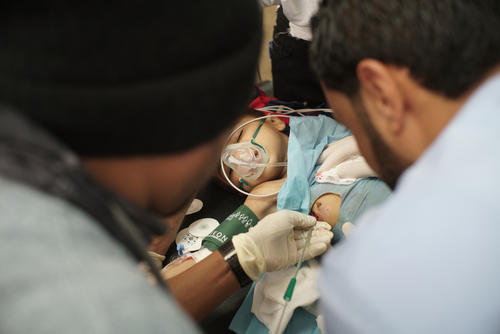
خلفت أربع سنوات من النزاع الأهلي تبعات قاسية على جنوب السودان وتسببت في واحدة من أسوأ أزمات النزوح في العالم. فقد عانى المدنيون مستويات خطيرة من العنف وأجبروا على ترك بيوتهم، إذ يوجد حالياً مليونا نازح داخل البلاد، في حين التجأ مليونان آخران إلى جمهورية الكونغو الديمقراطية وإثيوبيا والسودان وأوغندا وهم متناثرون في مخيمات على طول الحدود.
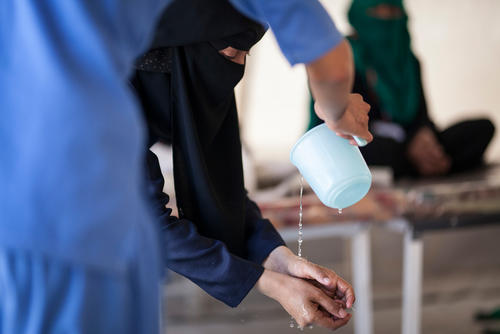
الكوليرا: مرض يسهل علاجه والوقاية منه لكنه فتك بحياة الناس خلال 2017
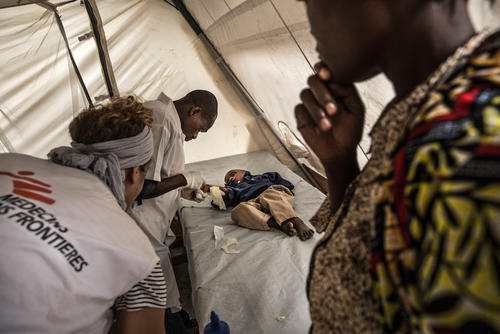
وبالإجمال فقد عالجت طواقم أطباء بلا حدود خلال 2017 ما مجموعه 143,100 شخص من الكوليرا في 13 بلداً، مقارنةً بنحو 20,600 شخص خلال 2016. إلا أن استجابتنا كان يمكن أن تكون أكثر فاعلية لو أننا ومنظمات الإغاثة الأخرى تمكنا من الاستجابة بسرعة أكبر واعتماد طيف متكامل من الأدوات التي تتوفر بين أيدينا.
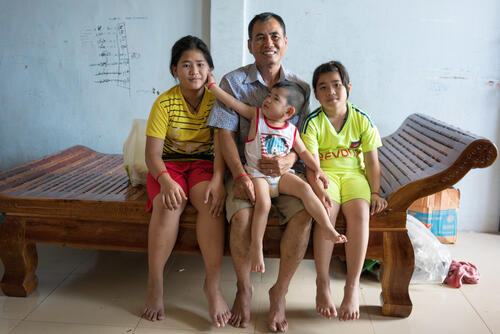
التهاب الكبد C : جهود حثيثة لتأمين العلاج الشافي
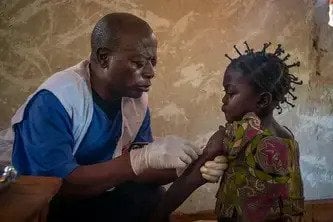
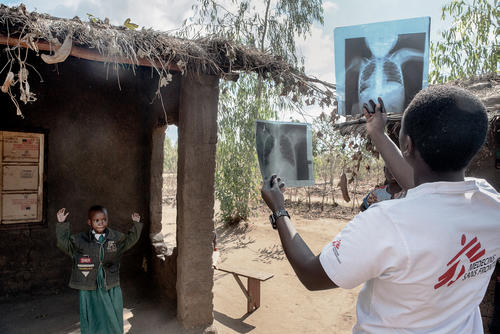
يفتك فيروس التهاب الكبد C بحياة 400,000 إنسان كل عام، ويمكن للأدوية الحديثة أن تشفي من المرض في غضون 12 أسبوعاً فقط، إلا أن هناك الملايين من الناس الذين لا يستطيعون الحصول على هذه العلاجات التي من شأنها إنقاذ حياتهم.
أبرز الأنشطة
تصفحوا أبرز الأرقام من أنشطتنا لعام 2017.
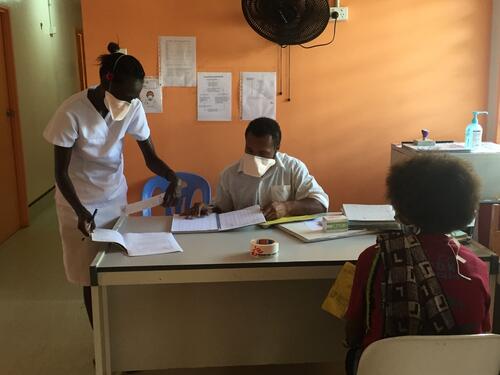
10,648,300
استشارة في العيادات الخارجية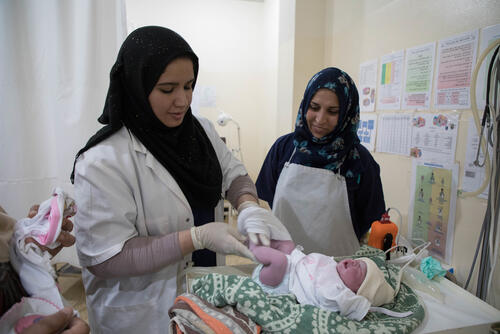
288,900
ولادة بينها ولادات قيصرية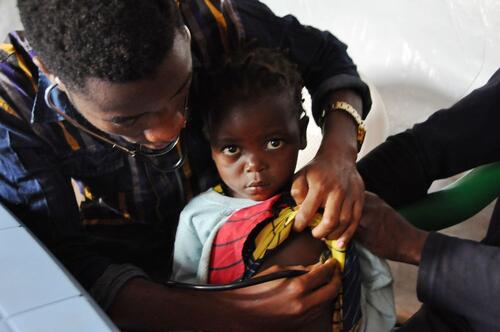
2,520,600
شخص عولجوا من الملاريا![For 29 years Poppy Makgobatlou endured physical and mental abuse at the hands of her husband. She stayed with him because “in our culture, we respect the wishes of our parents, and my mother felt it would humiliate her if I left him”. Makgobatlou’s sister passed away in 2014, and when her mother fell ill a few months later, “things started to get out of control in my life.”
Her husband began removing items from the house one by one – where he was taking their things she did not know.
“He would just come and go, and when he was home he would fight me. He broke my shoulder, and the doctors tell me it is still broken.”
In 2015 Makgobatlou lost her brother.
“I remember what hurt the most, besides the beatings, was taking my brother to the hospital on the Saturday, and my husband was nowhere to be found. He came back home on the Monday, but only to ask for my wedding ring. I told him I did not know where it was, and when he left the house he said he was going to kill me when he returned. Around 2pm I received a call from the hospital to say that my brother had passed on - they wanted to know which mortuary they should take his body to,” she recalls.
After her brother’s funeral Makgobatlou lived with her sister’s two daughters for a time, unable to face her home. She received a summons for divorce from the Sherriff of the court, and learned that her husband was living with another woman. She received a divorce decree on the same day as her nieces kicked her out. Earlier in the week on the streets of Boitekong she had met a healthcare worker from Doctors Without Borders, who had told her about the Kgomotso Care Centre (KCC) at Boitekong Community Health Centre. With nowhere else to turn Makgobatlou borrowed R20, and caught a taxi to the KCC, where she was counseled and then transported to the Grace Help Centre near Mooinooi, which provides shelter for vulnerable women and children.
“What I liked about the KCC counselors is that they did not dump me. Even now they visit if they are in the area. I can feel that I am strong now, and ready to leave the shelter. I have no money but I do not need much – I want to know what it is like to live on my own in a little mokhukhu [shack], with just one plate and one cup – that will be fine for me,” she says
Asked if she would like her name to be changed to preserve her anonymity, Makgobatlou emphatically says, “No!”
“If an abused woman hears my story, I want them to know that I, Poppy Makgobatlou, used to hide my problems, but it kills you from inside to do that. You must speak out.”
* Médecins Sans Frontières/Doctors Without Borders (MSF) has been working with the North West Provincial Department of Health since 2015 to capacitate designated facilities on the platinum belt as ‘Kgomotso Care Centres’, providing a complete essential package of medical and clinical forensic services to survivors of sexual violence.](https://img.msf.org/AssetLink/k60i2804fg2jaa0k2cj840gobi02bb71.jpg "Kgmotso Care Centre")
أصوات من الميدان
الذهاب إلى العيادة والحديث إلى المرشدين أنقذ حياتي.بوبي ماكغباتلو، جنوب إفريقيا