Read the policies, reports, and plans on how we address issues like racism and reduce our carbon footprint, ensuring our actions align with the highest ethical standards.
In more than 70 countries, Médecins Sans Frontières provides medical humanitarian assistance to save lives and ease the suffering of people in crisis situations.
MSF Access pushes for access to, and the development of, life-saving and life-prolonging medicines, diagnostic tests and vaccines for people in our programmes and beyond.
Based in Paris, CRASH conducts and directs studies and analysis of MSF actions. They participate in internal training sessions and assessment missions in the field.
Based in Geneva, UREPH (or Research Unit) aims to improve the way MSF projects are implemented in the field and to participate in critical thinking on humanitarian and medical action.
Based in Brussels, MSF Analysis intends to stimulate reflection and debate on humanitarian topics organised around the themes of migration, refugees, aid access, health policy and the environment in which aid operates.
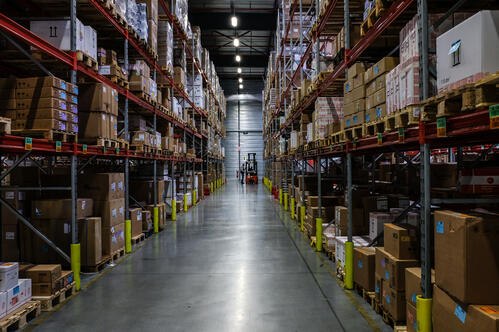
This logistical and supply centre in Brussels provides storage of and delivers medical equipment, logistics and drugs for international purchases for MSF missions.
This supply and logistics centre in Bordeaux, France, provides warehousing and delivery of medical equipment, logistics and drugs for international purchases for MSF missions.
This logistical centre in Amsterdam purchases, tests, and stores equipment including vehicles, communications material, power supplies, water-processing facilities and nutritional supplements.
BRAMU specialises in neglected tropical diseases, such as dengue and Chagas, and other infectious diseases. This medical unit is based in Rio de Janeiro, Brazil.
Our medical guidelines are based on scientific data collected from MSF’s experiences, the World Health Organization (WHO), other renowned international medical institutions, and medical and scientific journals.
Providing epidemiological expertise to underpin our operations, conducting research and training to support our goal of providing medical aid in areas where people are affected by conflict, epidemics, disasters, or excluded from health care.
Evaluation Units have been established in Vienna, Stockholm, and Paris, assessing the potential and limitations of medical humanitarian action, thereby enhancing the effectiveness of our medical humanitarian work.
MSF works with LGBTQI+ populations in many settings over the last 25-30 years. LGBTQI+ people face healthcare disparities with limited access to care and higher disease rates than the general population.
The Luxembourg Operational Research (LuxOR) unit coordinates field research projects and operational research training, and provides support for documentation activities and routine data collection.
The MSF Paediatric Days is an event for paediatric field staff, policy makers and academia to exchange ideas, align efforts, inspire and share frontline research to advance urgent paediatric issues of direct concern for the humanitarian field.
The MSF Foundation aims to create a fertile arena for logistics and medical knowledge-sharing to meet the needs of MSF and the humanitarian sector as a whole.
A collaborative, patients’ needs-driven, non-profit drug research and development organisation that is developing new treatments for neglected diseases, founded in 2003 by seven organisations from around the world.
Noma is a preventable and treatable neglected disease, but 90 per cent of people will die within the first two weeks of infection if they do not receive treatment.
The GeoMSF platform is a dynamic one-stop-shop website for all of MSF's GIS related services and products. Access maps and applications through the catalogue, request geographical support, or produce a map on GeoMSF.
L’étude de cas 'Violence contre les Kosovars albanais, intervention de l’OTAN 1998-1999' présente les contraintes, questionnements et dilemmes rencontrés par les équipes MSF, témoins du processus de terreur et d’expulsion, mené par les forces serbes à l’encontre des Kosovars albanais, que l’organisation qualifia de ‘déportation’. Elle décrit également les réactions de MSF face aux bombardements de l’OTAN présentés comme une ’guerre humanitaire’ et au contrôle exercé par cette partie au conflit sur les camps de réfugiés dans les pays voisins.
Dilemmes et questionnements:
Fallait-il dénoncer les violences commises contre les Kosovars au risque de se voir interdire l'accès à ces derniers par les forces serbes et de participer à encourager une intervention de l'OTAN ?
Fallait-il se positionner ou pas vis-à-vis de cette intervention ?
Quelles relations fallait-il établir avec les pays engagés militairement (membres de l’OTAN) ou politiquement (Grèce) dans le conflit et leurs sociétés civiles ?
Fallait-il alerter sur l'effacement du HCR dans la gestion des camps de réfugiés, au risque de renforcer sa marginalisation?
Peut-on, au nom d'une interprétation du principe d'impartialité qui imposerait de secourir systématiquement les victimes des deux parties à un conflit, mener une mission exploratoire en sacrifiant les principes d'indépendance opérationnelle ?
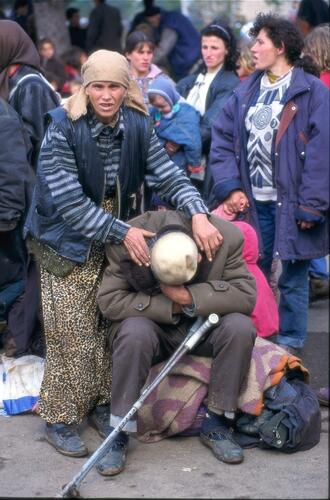
MSF and the War in the Former Yugoslavia 1991-2003
Speaking Out Case Studies1 Dec 2015
MSF Speaking Out
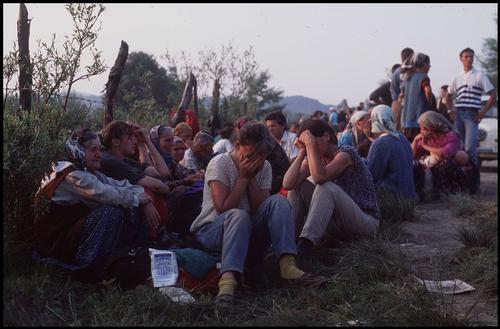
MSF and Srebrenica 1993-2003
Speaking Out Case Studies1 Jun 2015
MSF Speaking Out
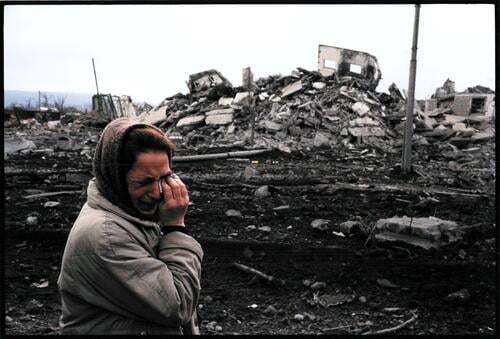
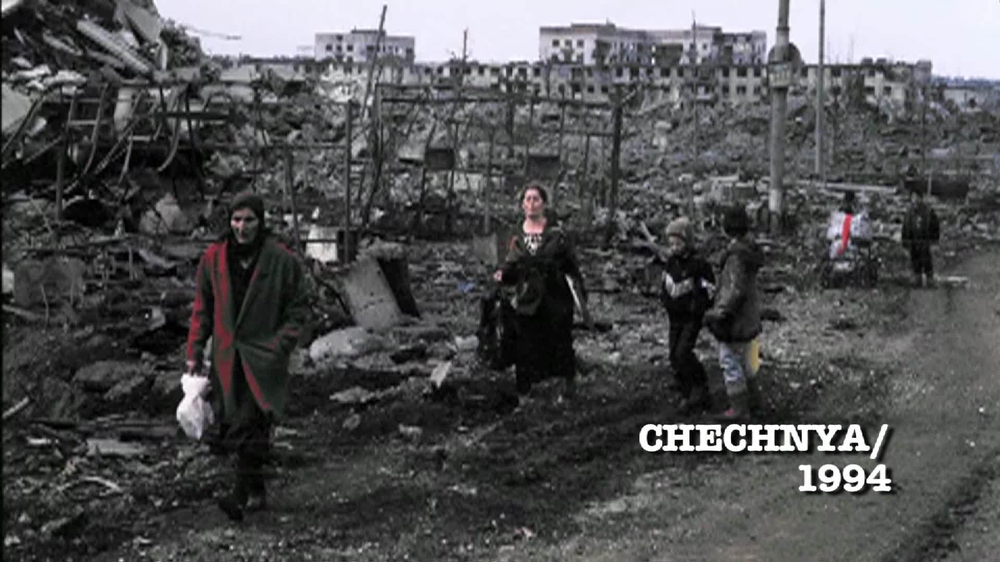
War crimes and politics of terror in Chechnya 1994-2004
Speaking Out Case Studies1 Sep 2014
Anchor Links
Hero Image
Headline
Violences contre les Kosovars albanais, intervention de l'OTAN 1998-1999
Background
Image
Schedule content for publication
Off
Description
L’étude de cas 'Violence contre les Kosovars albanais, intervention de l’OTAN 1998-1999' présente les contraintes, questionnements et dilemmes rencontrés par les équipes MSF, témoins du processus de terreur et d’expulsion, mené par les forces serbes à l’encontre des Kosovars albanais, que l’organisation qualifia de ‘déportation’.
The ‘Violence against Kosovar Albanians NATO’s intervention 1998-1999’ case study describes the constraints and dilemmas faced by Médecins Sans Frontières teams when witnessing the process of terror and expulsion they described as the ‘deportation’ of Kosovar Albanians by Serb forces. It also described MSF’s reaction to NATO aerial bombings and their control over refugee camps.
Questions and dilemmas:
Should MSF denounce the violence being committed against Kosovars at the risk of being excluded from access to these people and of encouraging the NATO intervention?
Should MSF take a stance on the NATO intervention?
What sort of relationship should be established with countries that were committed either militarily (such as NATO members) or politically (Greece) in the conflict and their civil societies?
Should MSF raise the alarm about the absence of the UNHCR in the management of the refugee camps, at the risk of reinforcing this marginalization?
Is it justifiable to carry out an assessment mission that sacrifices the principle of operational independence, by invoking an interpretation of the principle of impartiality that implies a responsibility to assist victims on both sides of a conflict?
MSF and the War in the Former Yugoslavia 1991-2003
Speaking Out Case Studies1 Dec 2015
MSF Speaking Out
MSF and Srebrenica 1993-2003
Speaking Out Case Studies1 Jun 2015
MSF Speaking Out
War crimes and politics of terror in Chechnya 1994-2004
Speaking Out Case Studies1 Sep 2014
Anchor Links
Hero Image
Headline
Violence against Kosovar Albanians, NATO's intervention 1998-1999
Background
Image
Schedule content for publication
Off
Description
The ‘Violence against Kosovar Albanians NATO’s intervention 1998-1999’ case study describes the constraints and dilemmas faced by Médecins Sans Frontières teams when witnessing the process of terror and expulsion they described as the ‘deportation’ of Kosovar Albanians by Serb forces.
В этих примерах ключевые источники информации организации «Врачи Без Границ» - письменные и устные свидетельства волонтеров – восстановлены путем иллюстрации при помощи документов и видеосюжетов времен рассматриваемого периода, а также при помощи интервью с главными действующими лицами.
Обзор и хронология конкретного примера «Военные Преступления и Политика Террора в Чечне в 1994-2004 гг.» публикуется на русском, английском и французском языках. Анализ других конкретных примеров публикуется на английском и французском языках.
Featured
MSF Speaking Out
War crimes and politics of terror in Chechnya 1994-2004
1 Sep 2014
Hero Image
Headline
Примеров Открытых Высказываний
Background
Image
Schedule content for publication
Off
Description
Обзор и хронология конкретного примера «Военные Преступления и Политика Террора в Чечне в 1994-2004 гг.» публикуется на русском, английском и французском языках. Анализ других конкретных примеров публикуется на английском и французском языках.
Добро пожаловать на сайт Примеров Открытых Высказываний, где вы найдете серию примеров, в которых организация «Врачи Без Границ» открыто исследует и анализирует свою деятельность и процесс принятия решений в чрезвычайных ситуациях гуманитарного характера, повлекших за собой необходимость открытого высказывания мнения данной организацией.
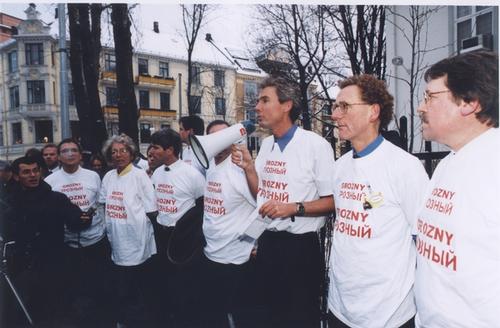
Спектр обсуждаемых проблем варьируется от осуждения насильственного переселения в Эфиопии в 1985 году и бездействия международного сообщества во время геноцида в Руанде в 1994 до речи во время церемонии принятия Нобелевской Премии Мира, в которой были озвучены требования прекращения бомбардировок гражданского населения Чечни и многие другие.
В этих примерах ключевые источники информации организации «Врачи Без Границ» - письменные и устные свидетельства волонтеров – восстановлены путем иллюстрации при помощи документов и видеосюжетов времен рассматриваемого периода, а также при помощи интервью с главными действующими лицами.
Разбор данных примеров первоначально задумывался в качестве учебного пособия для филиальных членов организации. Теперь же, с целью расширить образовательный охват, данный анализ становится доступным широкой общественности бесплатно.
Обзор и хронология конкретного примера «Военные Преступления и Политика Террора в Чечне в 1994-2004 гг.» публикуется на русском, английском и французском языках.
Анализ других конкретных примеров публикуется на английском и французском языках.
Добро пожаловать на сайт Примеров Открытых Высказываний, где вы найдете серию примеров, в которых организация «Врачи Без Границ» открыто исследует и анализирует свою деятельность и процесс принятия решений в чрезвычайных ситуациях гуманитарного характера, повлекших за собой необходимость открытого высказывания мнения данной организацией.
MSF raises awareness and bears witness on the fate of the populations it helps and brings abuses and intolerable situations to public attention. These series of case studies explores the actions and decision - making processes that led the organisation to speak out during humanitarian emergencies.
All Case Studies
MSF Speaking Out
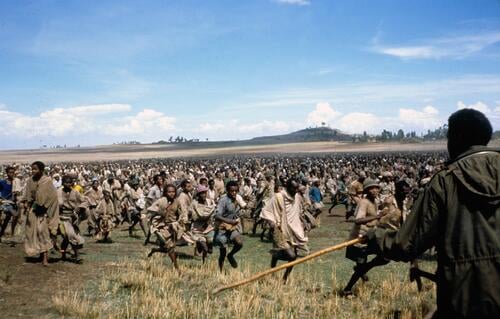
Famine and Forced Relocations in Ethiopia 1984-1986
Speaking Out Case Studies1 Jan 2005
MSF Speaking Out
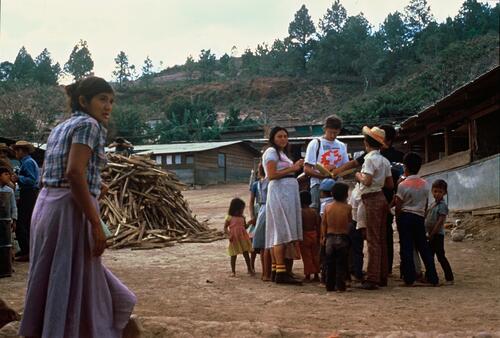
Salvadoran Refugee Camps In Honduras 1988
Speaking Out Case Studies1 Apr 2013
MSF Speaking Out
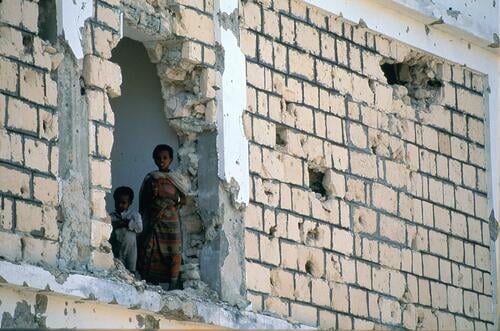
Somalia 1991-1993: Civil War, Famine Alert and a UN “Military-Humanitarian” Intervention
Speaking Out Case Studies1 Sep 2013
MSF Speaking Out
MSF and the War in the Former Yugoslavia 1991-2003
Speaking Out Case Studies1 Dec 2015
MSF Speaking Out
MSF and Srebrenica 1993-2003
Speaking Out Case Studies1 Jun 2015
MSF Speaking Out
Violence against Kosovar Albanians, NATO's intervention 1998-1999
Speaking Out Case Studies16 Jun 2019
MSF Speaking Out
Genocide of Rwandan Tutsis 1994
Speaking Out Case Studies1 Apr 2014
MSF Speaking Out
Rwandan Refugee Camps in Zaire and Tanzania 1994-1995
Speaking Out Case Studies1 Apr 2014
MSF Speaking Out
The Violence of the New Rwandan Regime 1994-1995
Speaking Out Case Studies31 Mar 2014
MSF Speaking Out
The Hunting and Killing of Rwandan Refugees in Zaire-Congo: 1996-1997
Speaking Out Case Studies1 Apr 2014
MSF Speaking Out
War crimes and politics of terror in Chechnya 1994-2004
Speaking Out Case Studies1 Sep 2014
MSF Speaking Out
MSF and North Korea 1995-1998
Speaking Out Case Studies1 Oct 2014
MSF Speaking Out
MSF and the Rohingya 1992 - 2014
Speaking Out Case Studies19 Nov 2020
MSF Speaking Out
MSF and Darfur 2003-2009
18 Jun 2024
Hero Image
Headline
All Case Studies
Background
Image
Schedule content for publication
Off
Description
In MSF, this means a willingness to speak on behalf of the people we seek to help: to bring abuses and intolerable situations to public attention. Through case studies, we openly examine and analyse our actions and decision-making processes during humanitarian emergencies that have led us to speak out.
Everywhere we work, the circumstances are unique. Nonetheless, our programmes generally follow a common set of practices designed to make sure our resources and expertise are used to maximum effect.