An international, independent medical humanitarian organisation
We provide medical assistance to people affected by conflict, epidemics, disasters, or exclusion from healthcare. Our teams are made up of tens of thousands of health professionals, logistic and administrative staff - most of them hired locally. Our actions are guided by medical ethics and the principles of impartiality, independence and neutrality.
10.4M
10.4M
2.6M
2.6M
329,900
329,9
72
72
Featured
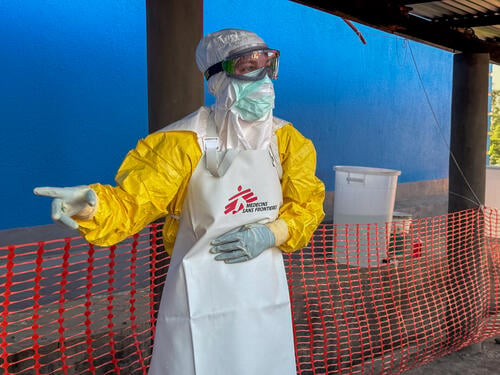
Improved medical response sees the end of DRC’s eleventh Ebola outbreak
MSF calls on governments and donors to speed up TB testing and treatment
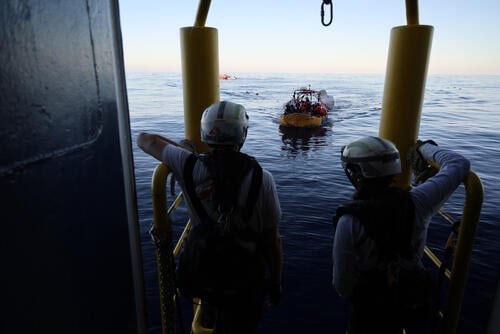
Carnage in the Mediterranean is the direct result of European state policies
Where we work
In more than 70 countries, Médecins Sans Frontières provides medical humanitarian assistance to save lives and ease the suffering of people in crisis situations.
Our Programmes
Latest
“What Europe is experiencing today, is not a humanitarian crisis, but a crisis of humanity.”
19 Nov 2020
Improved medical response sees the end of DRC’s eleventh Ebola outbreak
19 Nov 2020
Governments must support landmark proposal to waive COVID-19 patents
19 Nov 2020
Carnage in the Mediterranean is the direct result of European state policies
13 Nov 2020
MSF supports COVID-19 response in nursing homes in Czech Republic
13 Nov 2020
MSF supports nursing home staff as urgent appeal for medical personnel in France launched
11 Nov 2020
Coronavirus COVID-19 pandemic
Médecins Sans Frontières' (MSF) update on the coronavirus disease COVID-19 pandemic.
Great March of Return
Nearly every Friday between 30 March 2018 and December 2019, protestors in the ‘Great March of Return’ demonstrations in Gaza, Palestine were met with hails of bullets from the Israeli army.
DRC Ebola outbreaks
Between March 2018 and November 2020, DRC experienced a succession of Ebola outbreaks. An eleventh outbreak in DRC’s northwestern Équateur province, lasted nearly six months, until November 2020, with 130 cases recorded.
Mediterranean migration
Every year, thousands of people fleeing war, persecution and poverty at home attempt the treacherous journey across the Mediterranean. Countless lives are lost on the way.
Central American Migration
An estimated 500,000 people a year flee violence and poverty in El Salvador, Guatemala, and Honduras, heading north through Mexico to find safety. The levels of violence in the region are comparable to that of war zones MSF has worked in for decades.
Lake Chad Crisis
Armed conflict has forced over 2.5 million people to flee their homes across the Lake Chad Basin. Violence and multiple forced displacement have destroyed what ability people had to support themselves, with many dependent on humanitarian assistance.
Rohingya refugee crisis
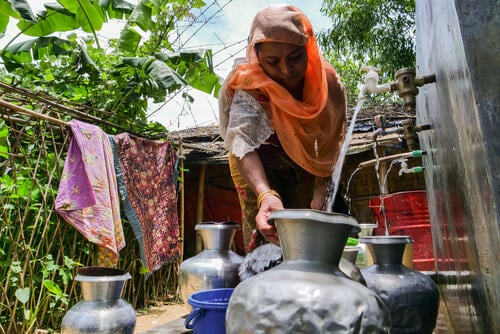
Since 25 August 2017, a massive exodus of over 706,000 Rohingya people have fled Myanmar. We are urging the Myanmar government for unfettered access to Rakhine state to ensure the impartial delivery of aid to those in need.
Attacks on medical care
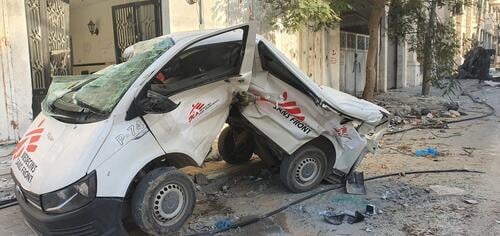
Attacks against medical facilities and health workers, whether deliberate or indiscriminate, are part of generalised violence and atrocities committed against civilians in armed conflict. They deprive populations of health services, often when they need them the most.
Cyclone Idai & Southern Africa flooding
A weather system that produced heavy rains flooded parts of Malawi in early March 2019, before developing into Cyclone Idai which struck Mozambique and Zimbabwe on 14-16 March 2019, causing widespread flooding and damage.
Welcome to Médecins Sans Frontières/Doctors Without Borders
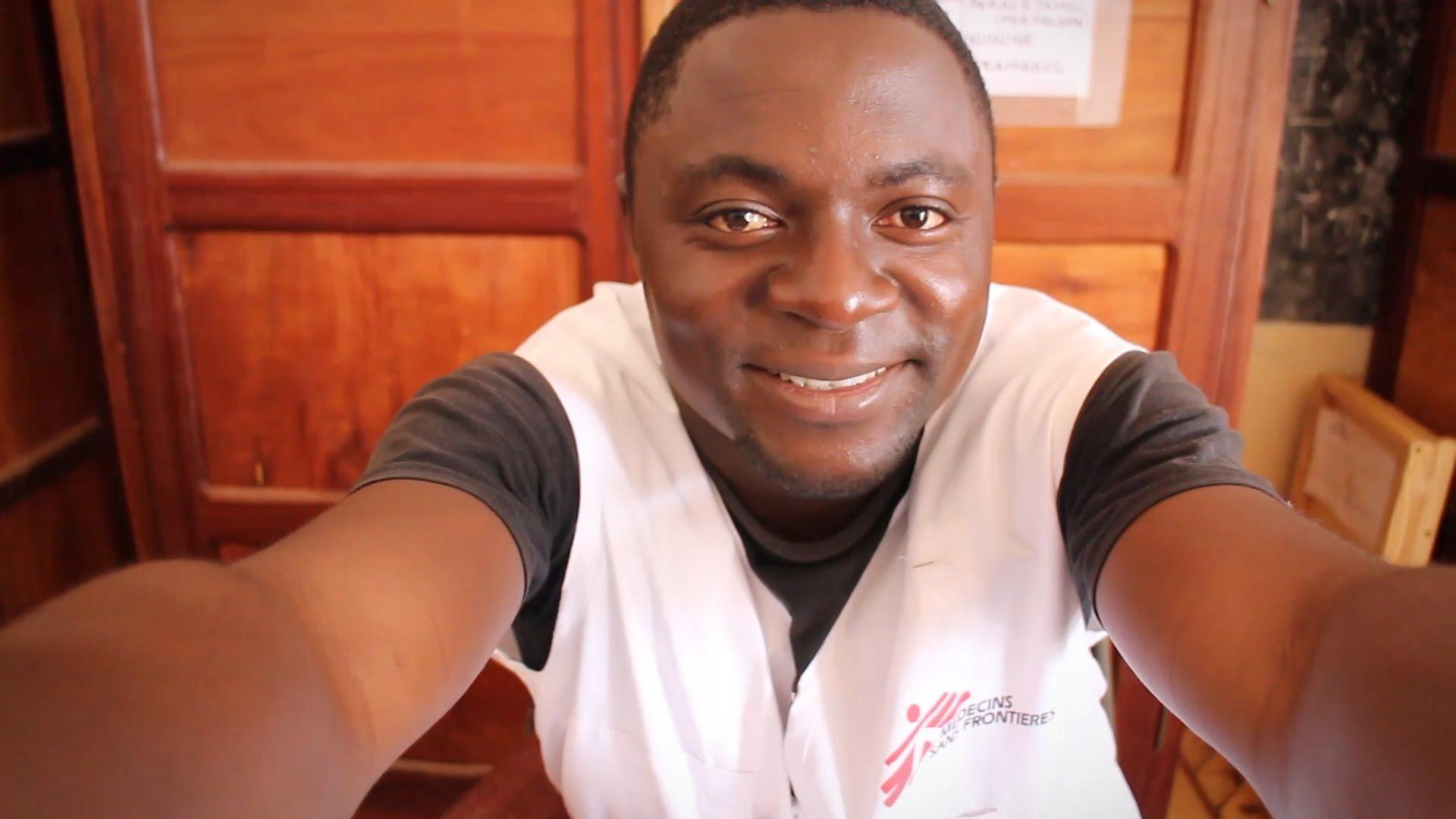
What's it like to work with MSF?
We rely on a strong network of professionals to deliver life-saving medical aid.
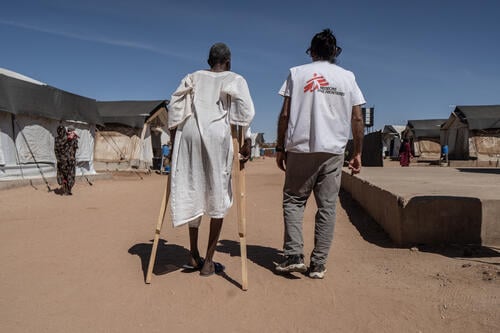
Each year, thousands of international staff of all nationalities carry out field assignments working with around 51,000 staff hired locally to give lifesaving medical and assistance to people who would otherwise be denied access to healthcare, clean water and shelter.
Learn more