All Speaking Out Case Studies > Famine and forced relocations in Ethiopia 1984-1986
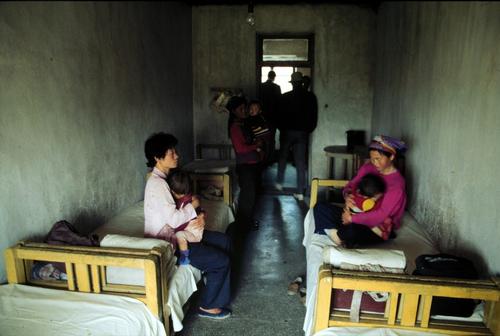
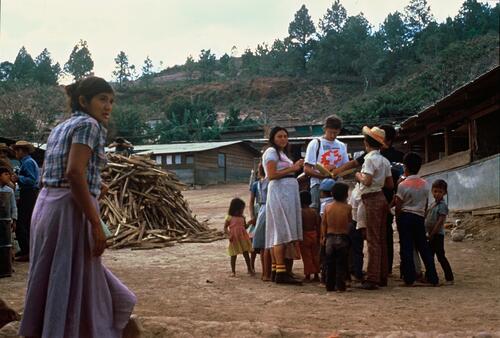
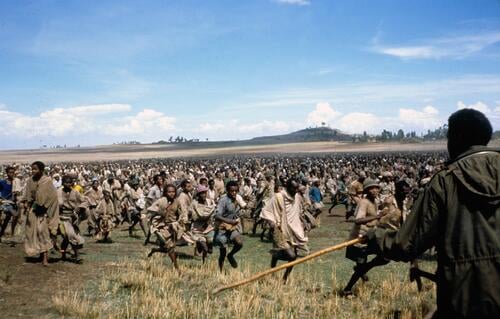
The 'Famine and Forced Relocations in Ethiopia 1984-1986' case study describes the constraints, questions and dilemmas faced by MSF during the famine that decimated Ethiopian populations in 1984-1985. This famine triggered an unprecedented humanitarian mobilisation and huge media attention. But the Ethiopian regime at the time also used the international aid as a bait to attract the populations and forcibly resettle them in appalling conditions causing the deaths of tens of thousands Ethiopians.
Questions and dilemmas:
- What should be done when it appear that aid is being used against the population for whom it is intended?
- Could MSF take the risk, by denouncing this drift, of endangering international aid operations in Ethiopia?
- Could MSF take the risk, by denouncing this drift, of jeopardising its own existence and, thus, its other relief activities to populations at risk?
Summary
A summary of this case study was carefully written by the SOCS team. You can find it at the beginning of the case study or download it below. We encourage you to read this version and not the one provided by AI when opening the pdf of the case study. The AI version is inaccurate but cannot be removed. Up to you !
Download the summary here
MAP
MSF Programmes in Ethiopia 1984-1986

Related
MSF Speaking Out
Somalia 1991-1993: Civil War, Famine Alert and a UN “Military-Humanitarian” Intervention
Speaking Out Case Studies
1 Sep 2013