All Speaking Out Case Studies > The Hunting and Killing of Rwandan Refugees in Zaire-Congo
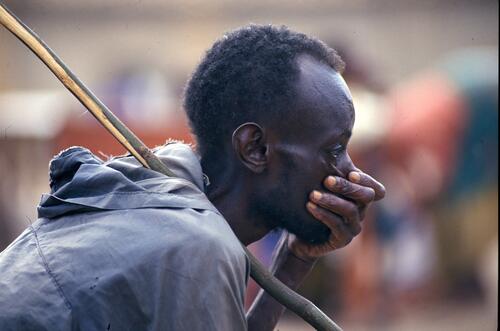
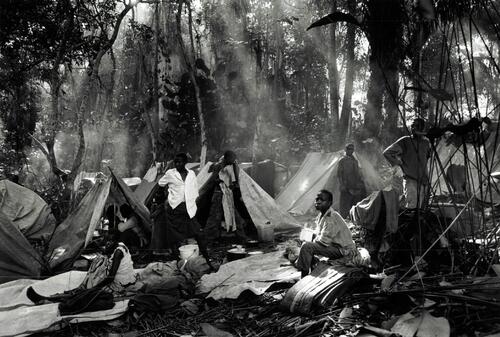
The ‘Hunting and Killings of the Rwandan refugee in Zaire/Congo’ case study describes the constraints, questions and dilemmas faced by Médecins Sans Frontières’ teams in 1996 and 1997 as they attempted to bring assistance to the Rwandan refugees in Eastern Zaire, after their camps had been attacked by the rebel forces supported by the Rwandan army.
Questions and dilemmas:
- Is it possible for MSF to publicly extrapolate from the little known conditions of refugees and their health needs despite the fact that it had no access to them
- Conversely, given lack of access, should MSF refrain from making predictions?
- Is it wise for a humanitarian organisation to predict the worst?
- Its team being used to lure refugees from hiding, should MSF cease activities in the area or pursue them, condemning manipulation in the hope of preventing massacres – but at the risk of endangering its teams and other operations in the region?
- Should MSF call for the refugees to remain in eastern Zaire, knowing they would face deadly dangers, or participate in their forced repatriation to Rwanda, where their security was not guaranteed either?
Summary
A summary of this case study was carefully written by the SOCS team. You can find it at the beginning of the case study or download it below. We encourage you to read this version and not the one provided by AI when opening the pdf of the case study. The AI version is inaccurate but cannot be removed. Up to you !
Download the summary here
MAP
MSF Programmes for Rwandan Refugees in Zaire-DRC and Congo Brazzaville, 1996-1997

Speaking Out Podcast Hunting and killing Rwandan refugees in Zaire-Congo
soundcloud.comThis podcast is adapted from the case study “The Hunting and Killing of Rwandan Refugees in Zaire-Congo. 1996-1997". In 8 episodes, it investigates MSF's experience in the aftermath of the 1994 Rwandan Tutsi genocide, and in particular, with the impact on local populations and refugees living in the Democratic Republic of Congo (formerly Zaire).
The series expresses on the constraints, questions, and dilemmas faced by MSF teams attempting to bring relief to Rwandan refugees and local populations.
Related
MSF Speaking Out
Rwandan Refugee Camps in Zaire and Tanzania 1994-1995
Speaking Out Case Studies
1 Jan 2004
MSF Speaking Out
The Violence of the New Rwandan Regime 1994-1995
Speaking Out Case Studies
1 Jan 2004