


All Speaking Out Case Studies > MSF and the war in the former Yugoslavia 1991-2003
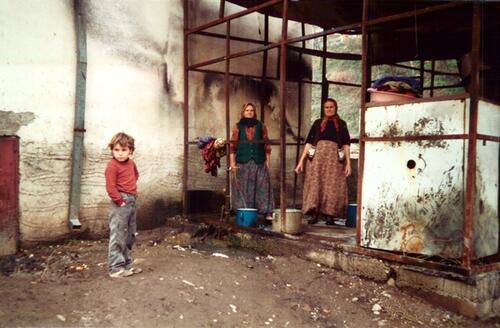
On December 14, 1995, the signing of the Dayton Peace Accords put an end to the war in the former Yugoslavia. 20 years later, MSF reveals the constraints, questions and dilemmas of its public speaking in the context of a conflict marked by ethnic cleansing, crimes against humanity and a neglectful international community. In doing so, we found many reasons to speak out. ‘MSF and the war in the former Yugoslavia’, lays bare the dilemmas we faced as a medical humanitarian organisation trying to support the populations in need.
Questions and dilemmas:
- To what extent should MSF risk the lives of its staff in order to operate in conflict zones?
- Should MSF condemn obstacles set up to limit the access to the population if it meant no longer having any access at all to this population?
- Should MSF denounce the fact that humanitarian aid was presented by the international political leaders as the only solution to the conflict and call for military force, an action that lead to the loss of human lives?
Summary
A summary of this case study was carefully written by the SOCS team. You can find it at the beginning of the case study or download it below. We encourage you to read this version and not the one provided by AI when opening the pdf of the case study. The AI version is inaccurate but cannot be removed. Up to you !
Download the summary here
MAP
MSF missions during the war in the former Yugoslavia (1991-2003)

Related
MSF Speaking Out
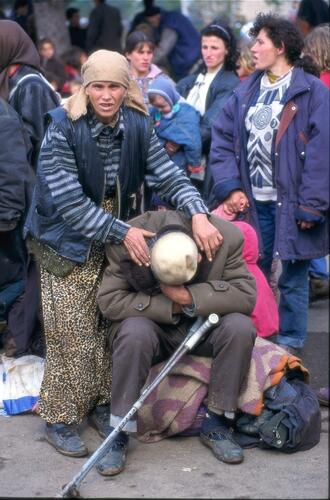
Violence Against Kosovar Albanians, NATO's Intervention 1998-1999
Speaking Out Case Studies
1 Jan 2006
MSF Speaking Out
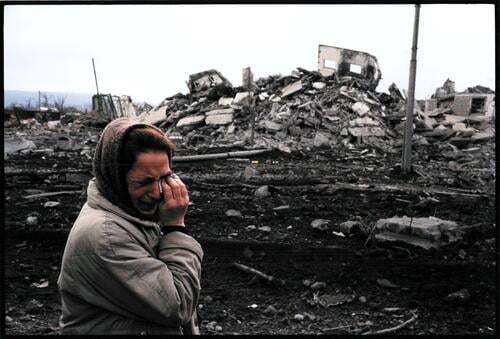
War Crimes and Politics of Terror in Chechnya 1994-2004
Speaking Out Case Studies
1 Jan 2004