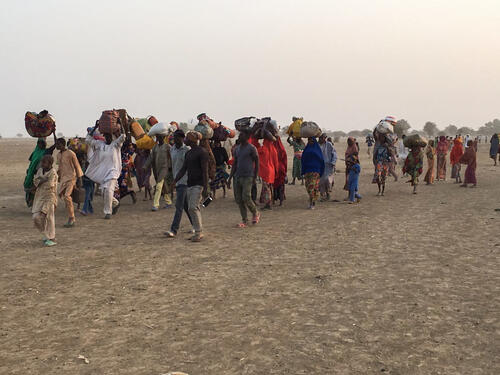
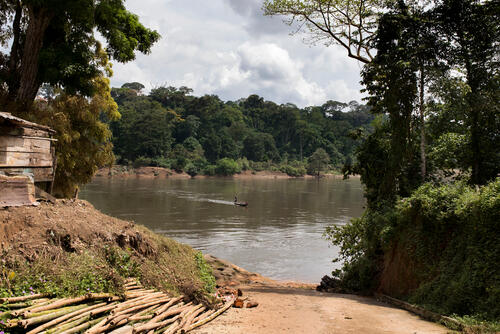
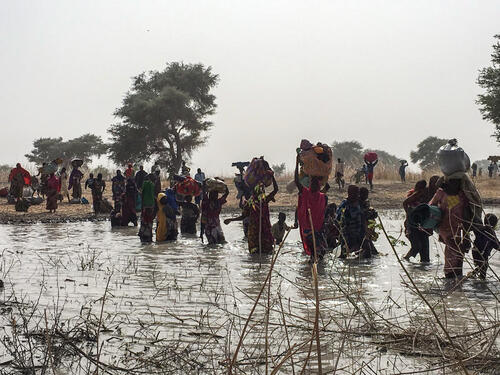
تشهد ولاية كروس ريفر جنوب نيجيريا منذ أكثر من عام على نزوح جماعي من غرب أفريقيا مع فرار عشرات الآلاف من المنطقتَين الشمالية الغربية والجنوبية الغربية للكاميرون، ملتمسين اللجوء على أراضيها. ولذلك، أطلقت فرق منظّمة أطبّاء بلا حدود استجابة لحالة الطوارئ لتقديم المساعدات إلى اللاجئين والمجتمعات المحلية.
وكانت النزاعات السياسية قد اندلعت في المنطقتَين الشمالية الغربية والجنوبية الغربية للكاميرون في أواخر عام 2016 نتيجة خلافات على النظامَين القضائي والتعليمي في المنطقتَين. وتصاعدت حدّة القتال في أكتوبر/تشرين الأول 2017 عندما واجه الجيش الوطني القوات الوطنية الانفصالية المُطالِبة بدولة مستقلّة.
وأشار مكتب الأمم المتحدة لتنسيق الشؤون الإنسانية إلى أن العنف المكثف تسبّب بالنزوح الداخلي لأكثر من 437,500 شخصٍ في المنطقتَين الشمالية الغربية والجنوبية الغربية للكاميرون بحلول ديسمبر/كانون الأول 2018. وأفادت مفوضية الأمم المتحدة لشؤون اللاجئين أن ولاية كروس ريفر استضافت حتى نهاية ديسمبر/كانون الأول 2018 أكثر من 32,000 لاجئ من الكاميرون.
![Augustine Eka, 46 years old, with a group of Cameroonian refugees that he hosts in his house. Some have lived there for more than a year.
He is a member of the host community in Amana village and chairman of the village’s WASH committee. Augustine works as a contractor with the MSF watsan team to build latrines and boreholes in the village. He has been hosting Cameroonian refugees since the political strife in the North West and South West regions of Cameroon deepened in November 2017 and people started crossing into Nigeria to escape the violence.
“My name is Augustine Eka, I’m from the community of Amana, a village in Cross River State, Nigeria, near to the border with Cameroon. I work as a contractor with MSF. When MSF arrived, they started to help the Cameroonian refugees that were here, and also the host community. They’ve helped so much, dealing with water, sanitation and hygiene.
We didn’t have public toilets here and that was a big problem for our health. With MSF, we built public toilets [four cubicles per block hence 16 latrines put in strategic areas of the village]. They also helped us build boreholes. All the community was suffering from a lack of clean water and, often, there were long lines of people trying to get some water for their houses.
I host a group of Cameroonian refugees in my house. They have been living here for more than a year now. Some of the people are now in the camps in Benue State and in Ogoja, others are still in the villages, living with the Nigerian community.
All the communities here, in Cross River State, are very hospitable and friendly towards the refugees from southern Cameroon. Over the last year, we’ve hosted more than 100 refugees in my community; men, women and children. But people continue to cross the border between Nigeria and Cameroon every day because the unrest is not over yet.
At the beginning of the influx, we had many problems because the refugees didn’t have access to free healthcare services and they didn’t have money to pay the costs of the treatments. Now they can be treated for free. This makes me more happy and hopeful for the future.
I’m the chairman of the WASH committee. The duty of the WASH committee is to supervise and check there are enough good toilets and water supplies in the communities.”](https://img.msf.org/AssetLink/m8330o80erpoxx0lj63besuet0cxu4m3.jpg "Amana, Cross River State")
![Omange Maria Ayam (19 years old) from Akwaya, Cameroon.
Omange fled Cameroon on October 2017 and since then he has been living in Augustine Eka’s house in Amana.
“I’m from Cameroon, from Akwaya. I fled and crossed into Nigeria because of the crisis that is going on there. I have lived here in Amana since October 2017. The local community accepted us and welcomed us. I’m thankful to Augustine [the man that is hosting Maria-], he’s so kind and gave us a place to stay, food and other things to live. However, we still need assistance. We’d like to go to school, get jobs and live a normal life here in Nigeria.”](https://img.msf.org/AssetLink/02w66h2p33oe7mv5kelkdh8wqs04h8u2.jpg "Amana, Cross River State")
![Fidelis Kigbor (38 years old) from Akwaya, Cameroon.
He fled Cameroon on October 2017 and since then he has been living in Augustine Eka’s house in Amana.
“We fled Cameroon on October 01 2017 because of the unrest that is going on there. We were forced to escape for our own safety. That’s the reason why I’m here now. When I arrived in Amana village, the local people welcomed us, even if they didn’t have so much to offer. They welcomed us into their houses, without asking anything.
I’m really thankful to Augustine because he’s hosting me and part of my family in his house. I thank him for what he has done for us.
I come from Akwaya, but I lived with my family in Mamfee where I was a farmer. I built my house there, but it has been destroyed. Now I’m the only one here in Amana, the rest of my family is living in the refugee settlement in Benue State [Nigeria].
I would like to go back in my country when things there get better, but I know that I lost everything there. I will need help to rebuild my life.”](https://img.msf.org/AssetLink/0w524oik88phhjm1vh678b7ok1q33168.jpg "Amana, Cross River State")
أستضيف مجموعة من اللاجئين الكاميرونيين في منزلي. يعيشون هنا منذ أكثر من عام واحد. انتقل بعضهم إلى المخيمات في ولاية بينوي في أوغوجا، بينما لا يزال آخرون يعيشون في القرى مع المجتمع النيجيري. كل المجتمعات المحلية هنا، في ولاية كروس ريفر، مضيافة للغاية وتُعامل بودّ ولطف اللاجئين القادمين من جنوب الكاميرون.أوغستين إيكا، 46 عامًا
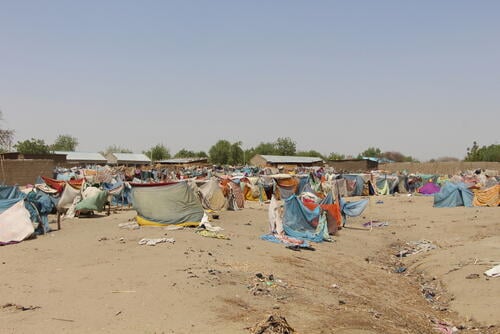
أُنشئ مخيم "أداغوم" للاجئين والذي تديره مفوضية الأمم المتحدة لشؤون اللاجئين في أغسطس/آب 2018 لاستضافة بعض من اللاجئين الكاميرونيين الذين يعيشون في المجتمعات المحلية حول ولاية كروس ريفر. وفي أوائل ديسمبر/كانون الأول 2018، استضاف المخيم أكثر من 6,400 لاجئ كانوا يعيشون في المجتمعات المحلية.
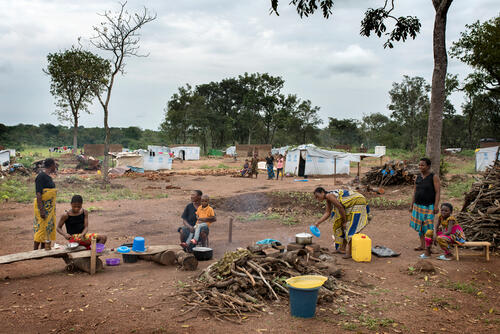
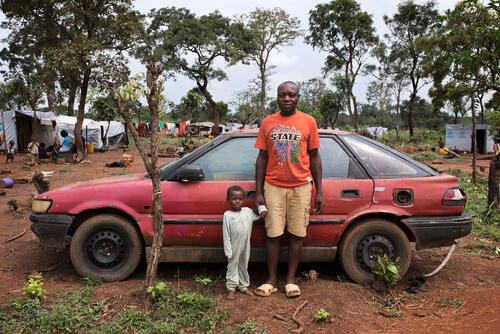
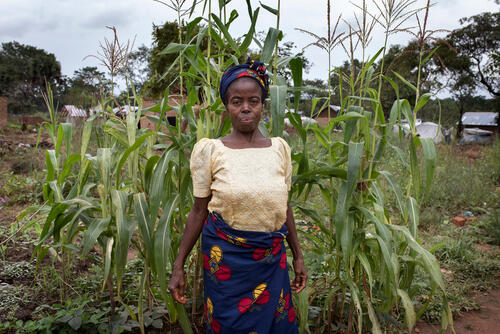
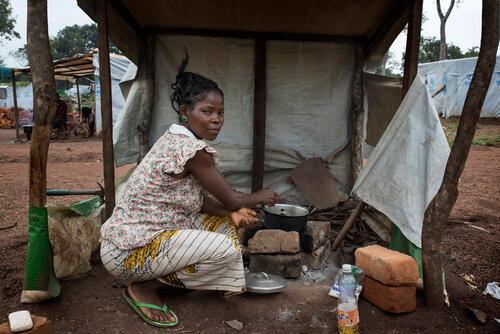
هربت من بلدي في أكتوبر/تشرين الأول 2017. أنا أعيش مع عائلتي، مع زوجي وأطفالي، في مخيم "أداغوم" للاجئين منذ أغسطس/آب 2018. الحياة في المخيم صعبة؛ أقيم هنا مع زوجي المُصاب بالسل ومع أطفالي. نحن ثمانية أشخاص نعيش داخل خيمة صغيرة. ومع تحسّن حالتي الصحية الآن، أضحى التحدّي الأكبر بالنسبة إلينا هو تأمين الطعام. لا نملك المال لشراء الطعام بأنفسنا وكل ما نأكله هو الأرز المُقدّم إلينا.ليديا من أكوايا في الكاميرون
منظّمة أطبّاء بلا حدود تستجيب لحالة الطوارئ
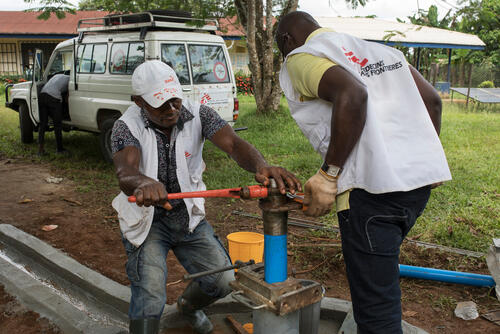
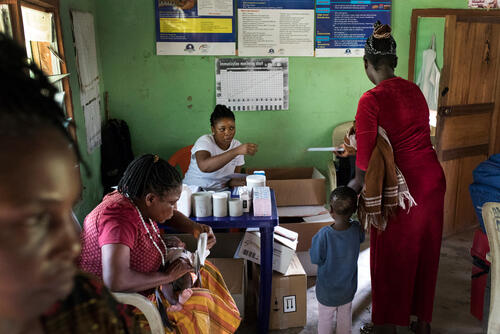
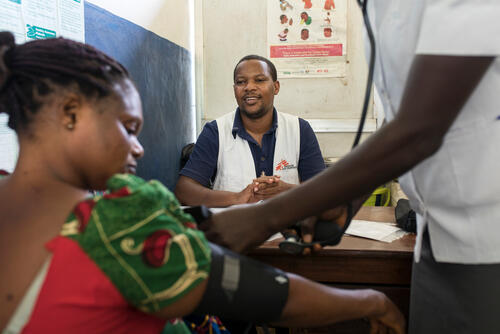
استُهل مشروع منظّمة أطبّاء بلا حدود في كروس ريفر بأنشطة المياه والصرف الصحي والنظافة الصحية، ولا سيما بناء الآبار والمراحيض، في منطقتَي أوبانليكو وبوكي ذات الحكم المحلي. وبدأنا بتنفيذ الأنشطة الطبيّة في الأسبوع الأخير من يوليو/تموز 2018 مع إنشاء قسم العيادات الخارجية في المركز الصحي الشامل في إيكوم لخدمة كل من المجتمع المضيف واللاجئين.
وتعمل المنظّمة الآن في ستّ عيادات متنقلة هي أداغوم وأغبوكيم وأمانا وباشو وبياجوا ودانار ومنتشرة في خمس مناطق ذات حكم محلي هي أوبانليكو وبوكي وإيكوم وأوغوجا وإيتونغ. وبالإضافة إلى ذلك، قامت المنظّمة بحفر ستّ آبار جديدة وإصلاح 28 مضخةً يدويةً على الآبار القائمة مسبقًا في 11 مجتمعاً.
وبدأت أنشطة المياه والصرف الصحي والنظافة الصحية، على سبيل تركيب وصيانة الآبار والمضخات اليدوية والمراحيض، عند افتتاح المشروع في يونيو/حزيران 2018. وتم تحديدها على أنها بمثابة حاجة ملحة للمجتمعات المحلية بسبب العدد المتزايد من اللاجئين الذين يعيشون في المنطقة.
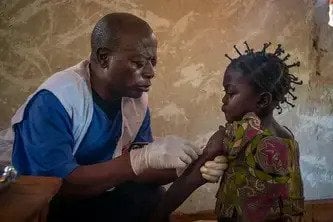
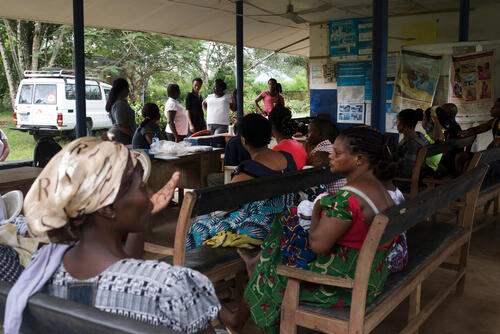
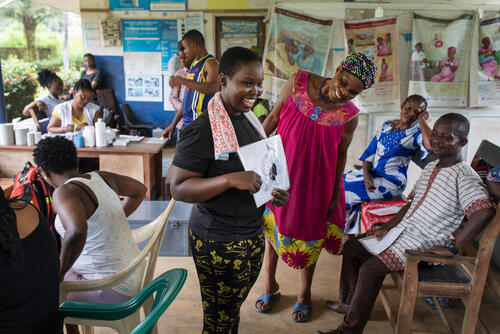
في عام 2018، أجرت المنظّمة 7,140 استشارة للرعاية الصحية الأساسية، استحوذ اللاجئون على نسبة 60% منها، أي 4,318 استشارة. وتطرقت الكثير من الاستشارات إلى أمراض الجهاز التنفسي والأمراض الجلدية مثل الجرب، وهي أمراض متربطة بالظروف المعيشية المتردية في القرى والمخيمات حيث يقيم اللاجئون. ويعالج كذلك طاقم المنظّمة الطبّي المرضى الذين يعانون من الأمراض المزمنة مثل ارتفاع ضغط الدم والسكري، والملاريا التي تعتبر مرضاً متوطناً في البلاد، والمرضى الذين يحتاجون إلى جراحة نتيجة الإصابات البالغة وغير البالغة.
نيجيريا
آلاف النازحين من ران يلتجئون في بودو في الكاميرون
تحديث حول مشروع
17 يناير/كانون الثاني 2019