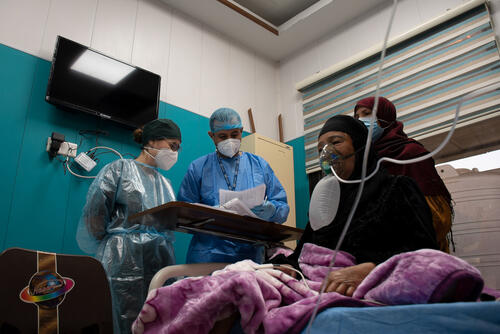
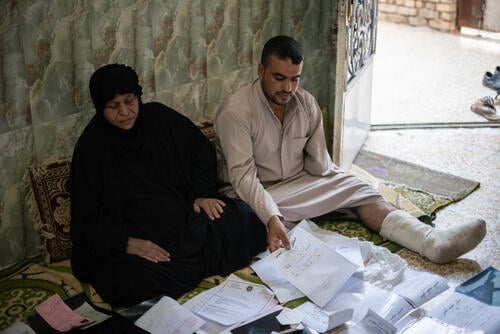
Hameeda and her son look at her medical files. She was diagnosed with tuberculosis 4 years ago, and since then had several treatment regimens, both injections and oral, and several relapses until she was cured with the new oral treatment for multidrug-resistant tuberculosis.
Al-Fathilia, Baghdad, Iraq.
---
Hamida's testimony:
---
My name is Hameeda, I am 65 years old and I am from Baghdad (Iraq). I am a mother of six daughters and three sons.

The first time I was diagnosed with tuberculosis (TB) was in 2015. At that time, we didn’t know what was wrong with me. I was coughing, had night-time fever and I wasn’t feeling well. My blood pressure and blood sugar were both high. When I went to seek medical advice I was told that I had had a light stroke, and I was given treatments to better control my hypertension and blood sugar as well as medications for the stroke. But the coughing and the night-time fever didn’t go away. 

I started noticing that I was coughing up sputum and my overall health was not improving. My son took me again to be seen by doctors, who then sent us to the National Tuberculosis Institute in Baghdad. There, I was diagnosed with TB. The medical team at the institute prescribed injections for me that made me tired and weak. 

When I first got the disease, the doctors told us that TB was an infectious disease and that I had to isolate from others. I stopped going out, visiting others or seeing anyone outside. I took my medications for about eight months, after which point the doctors told me that I was cured. However, since then, I have had three relapses. The last one was at the beginning of 2020. I was told that it was a drug-resistant form of the disease this time around and I was put on a new drug regimen which involved taking pills.

During my previous infections, I was treated with daily injectable medications, which were giving me many side effects. For example, my body was itching a lot and I had developed bruise marks on my skin. But since I started taking oral tablets, I feel better. The tablets still hurt my stomach, but they are much better and I have fewer side effects compared to the injections.

At the beginning of the treatment, I was very tired. I couldn’t walk or even move. My son was taking care of me and only with his help was I able to go to the National Tuberculosis Institute for check-ups. He is the only provider for the family, and it was a hard time for him too. Sometimes he would have to take me to private clinics for consultations for my other chronic conditions, which would also need medications that he had to buy, and they were not cheap. All of that prevented him from going to work and that in turn affected our livelihood. But now, after almost 18 months of taking medication, I’m thankful I have finished my treatment and got rid of the disease and its hardships. Now I am in a better health and I don’t need care from others.
تنظر حميدة وابنها إلى ملفاتها الطبية. وقد شخّصت إصابتها بالسل منذ أربع سنوات وتلقت عدة برامج علاجية منذ ذلك الحين على شكل حقن وأدوية فموية. كما شهدت حالتها عدة انتكاسات قبل أن تشفى نهائيًا باستخدام العلاج الفموي الجديد للسل المقاوم للأدوية. العراق، في سبتمبر/أيلول 2021.
© MSF/CHLOE SHARROCK

علاج مرضى السل المقاوم للأدوية المتعددة مريضًا تلو الآخر

تنظر حميدة وابنها إلى ملفاتها الطبية. وقد شخّصت إصابتها بالسل منذ أربع سنوات وتلقت عدة برامج علاجية منذ ذلك الحين على شكل حقن وأدوية فموية. كما شهدت حالتها عدة انتكاسات قبل أن تشفى نهائيًا باستخدام العلاج الفموي الجديد للسل المقاوم للأدوية. العراق، في سبتمبر/أيلول 2021.
© MSF/CHLOE SHARROCK
الحرب في غزة: اطّلع على استجابتنا
اقرأ المزيد

في مدينة الصدر، إحدى مناطق العاصمة العراقية بغداد، يجلس إحسان علي مع أطفاله الأربعة في البيت، حيث يستمتع الأب البالغ من العمر 44 سنة بصحبة أسرته بعد أسابيعٍ اضطر أثناءها أن يلجأ للعزلة عنهم. أصيب إحسان بالسل (التدرن) مرتين من قبل، لكن الأطباء شخَّصوا إصابته مؤخراً على أنها من النوع المقاوم للأدوية المتعددة.

عادة ما يعاني مرضى السل من أعراض خطيرة تؤثر على حياتهم بالغ التأثير وتشمل السعال وألم الصدر والوهن الشديد والفقدان المفاجئ للوزن والحمى. إن السل الذي لا ترافقه مضاعفات مرضٌ يمكن الشفاء منه، لكن على المرضى تحمل أشهر من العلاج بأدوية شديدة وقاسية. وقد تتفاقم عدوى السل لتصبح مقاومةً للأدوية وبهذا يتحول المرض إلى ما يعرف بالسل المقاوم للأدوية المتعددة.

تحدث مقاومة الأدوية عندما لا تستخدم أدوية السل بالشكل الصحيح وذلك حين يرتكب مقدمو الرعاية الصحية أخطاءً في وصفها و/أو حين تكون الأدوية رديئة النوعية و/أو حين لا يمتثل المرضى لتناول العلاجات الموصوفة لهم بحسب نصائح الأطباء. وإلى وقت قريب، كان علاج السل المقاوم للأدوية المتعددة يعتمد على عقارات قوية تؤخذ فمويًا وحقنًا، بحيث يمكن أن يستغرق البرنامج العلاجي مدة تصل إلى سنتين وقد تؤدي تلك العلاجات إلى تأثر المرضى بآثار جانبية خطيرة كالصمم وضرر الكِلى ومشاكل نفسية شديدة.
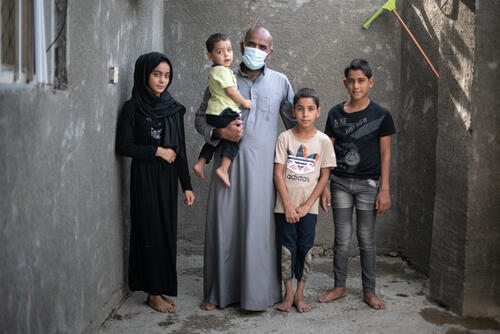
Ihsan, 44 multidrug-resistant (MDR-TB) patient, and his family.
Since February 2021, Ihsan was declared not contagious, and since then, he doesn't have to isolate himself anymore from his family.
Sadr City, Baghdad, Iraq.
---
Ihsan's testimony:
---
My name is Ihsan Ali and I’m 44 years old. I’m married and I have three boys and one girl. I live in the Hamidiya area, in Baghdad (Iraq). I don’t have a steady job: sometimes I work as a construction worker and sometimes I borrow my friend’s taxi to work as a driver. 

The first time I got tuberculosis (TB) was in 2014. I went to the hospital and they told me I had caught it. Back then, I took the treatment for almost three months, but as soon as I got better, I stopped it. 

A year later, the disease came back, even stronger than before. I was put again on mediation–both pills and injections. This time, I continued my treatment for the whole period it was prescribed, eight months in total. I was feeling much better. 

But one day at the beginning of 2020, I was coming back from work and I suddenly felt lightheaded and tired. I didn’t expect it to be TB again, but my family suggested that I do a test just to be sure. The test came back positive: I had had a relapse. This time it was multidrug-resistant tuberculosis (MDR-TB). 

I isolated myself in my house and didn’t let anyone come near me. It wasn’t easy but it had to be done. I was then informed that there was a new treatment regimen, of 18 months duration and that wouldn’t involve injections. I agreed immediately as didn’t want to go back to taking injections every day. 

It’s been almost 10 months that I’m on this new drug regimen and I’m doing very well. It’s still a long way to recovery but hopefully I will overcome this. The pills that I am taking are a blessing compared to the injections. The injections were painful, and I had to go to a local private clinic every day for them to be administered. 

A month ago I got sick again: I had a fever, body ache and cough. I did a test and this time it was COVID-19. I had to isolate again and became a bit depressed. But I never lost hope, my belief was strong. I trusted in God, the treatment, and the precaution measures I was taking. I was very sick for 20 days. Although not fully recovered, I’m much better now thanks to God. 

I’m the breadwinner in my family, and for most of the period when I was sick I couldn’t work. Thankfully friends and relatives stood by my side, supported me and helped my family. I’m thankful to God and to them. Now, my only hope is for my health to get better so that I can work again, provide for my family and make up for all the time I was sick.
إحسان البالغ من العمر 44 عامًا برفقة عائلته في مدينة الصدر في بغداد. يعاني إحسان من السل المقاوم للأدوية المتعددة، وقد أنهى المرحلة المعدية من المرض منذ فبراير/شباط 2021. ولذلك، لن يضطر إلى عزل نفسه عن عائلته بعد الآن. العراق، في سبتمبر/أيلول 2021. 
MSF/CHLOE SHARROCK

علاج أفضل لمرضى السل المقاوم للأدوية المتعددة

تدعم فرق أطباء بلا حدود العاملة في العراق المعهد الوطني لمكافحة السل في التحري عن السل وتشخيص المرضى المصابين بالسل العادي والسل المقاوم للأدوية المتعددة.

كما قدّمت منظمة أطباء بلا حدود برنامجًا مبتكرًا لعلاج مرضى السل المقاوم للأدوية المتعددة يعتمد على عقارين جديدين ألا وهما البيداكويلين والديلامينيد. ويقوم هذا البرنامج الجديد الذي توصي به منظمة الصحة العالمية على أدوية فموية بالكامل، مما يغني المرضى عن الحقن المؤلمة التي كانوا يضطرون لأخذها. كما أظهرت هذه الأدوية الجديدة تحسنًا في معدلات امتثال المرضى للبرامج العلاجية وحققت نجاحًا أكبر في علاج السل المقاوم للأدوية في فترة أقصر وبآثار جانبية أقل.

تقول حميدة، وهي جدة تبلغ من العمر 65 عاماً كانت مصابة بالسل المقاوم للأدوية المتعددة، "كنت أتعالج من إصابتي السابقة بحقن يومية كانت تسبب لي الكثير من الآثار الجانبية. فقد كنت أعاني من حكة شديدة ومن كدمات على الجلد. لكنني أشعر بالتحسن منذ أن بدأت بتناول الأقراص الدوائية الفموية فهي أفضل بكثير. الأقراص تسبب لي بعض آلام المعدة، لكن آثارها الجانبية أقل بكثير مقارنةً بالحقن". وتعدّ حميدة من بين أوائل المرضى العراقيين الذين حققوا شفاءً كاملاً من المرض بعد إتمامهم البرنامج العلاجي الجديد.

حميدة، هي جدة تبلغ من العمر 65 عاماً كانت مصابة بالسل المقاوم للأدوية المتعددة "كنت أتعالج من إصابتي السابقة بحقن يومية كانت تسبب لي الكثير من الآثار الجانبية... لكنني أشعر بالتحسن منذ أن بدأت بتناول الأقراص الدوائية الفموية فهي أفضل بكثير. الأقراص تسبب لي بعض آلام المعدة، لكن آثارها الجانبية أقل بكثير مقارنةً بالحقن".
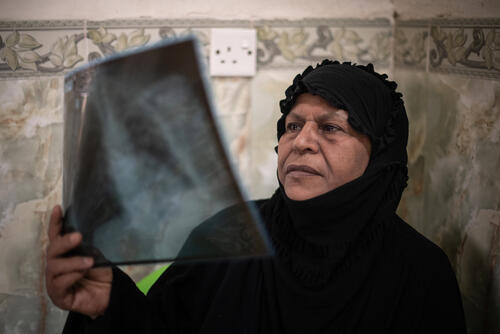
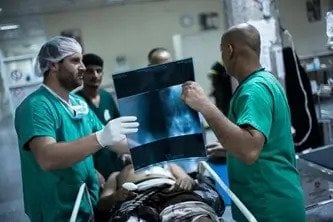
Hameeda looks at an x-ray of her lungs.
Hameeda, 65, photographed in her home, is Iraq’s first patient to be cured with the new oral treatment for multidrug-resistant tuberculosis. Before starting this treatment, she was having daily painful injections that had the potential of causing serious side effects; like hearing loss and kidney damage. Since her first diagnosis, Hameeda has relapsed several times.
Al-Fathilia, Baghdad, Iraq.
---
Hamida's testimony:
---
My name is Hameeda, I am 65 years old and I am from Baghdad (Iraq). I am a mother of six daughters and three sons.

The first time I was diagnosed with tuberculosis (TB) was in 2015. At that time, we didn’t know what was wrong with me. I was coughing, had night-time fever and I wasn’t feeling well. My blood pressure and blood sugar were both high. When I went to seek medical advice I was told that I had had a light stroke, and I was given treatments to better control my hypertension and blood sugar as well as medications for the stroke. But the coughing and the night-time fever didn’t go away. 

I started noticing that I was coughing up sputum and my overall health was not improving. My son took me again to be seen by doctors, who then sent us to the National Tuberculosis Institute in Baghdad. There, I was diagnosed with TB. The medical team at the institute prescribed injections for me that made me tired and weak. 

When I first got the disease, the doctors told us that TB was an infectious disease and that I had to isolate from others. I stopped going out, visiting others or seeing anyone outside. I took my medications for about eight months, after which point the doctors told me that I was cured. However, since then, I have had three relapses. The last one was at the beginning of 2020. I was told that it was a drug-resistant form of the disease this time around and I was put on a new drug regimen which involved taking pills.

During my previous infections, I was treated with daily injectable medications, which were giving me many side effects. For example, my body was itching a lot and I had developed bruise marks on my skin. But since I started taking oral tablets, I feel better. The tablets still hurt my stomach, but they are much better and I have fewer side effects compared to the injections.

At the beginning of the treatment, I was very tired. I couldn’t walk or even move. My son was taking care of me and only with his help was I able to go to the National Tuberculosis Institute for check-ups. He is the only provider for the family, and it was a hard time for him too. Sometimes he would have to take me to private clinics for consultations for my other chronic conditions, which would also need medications that he had to buy, and they were not cheap. All of that prevented him from going to work and that in turn affected our livelihood. But now, after almost 18 months of taking medication, I’m thankful I have finished my treatment and got rid of the disease and its hardships. Now I am in a better health and I don’t need care from others.
تنظر حميدة إلى صورة الأشعة السينية لرئتيها عقب شفائها من السل المقاوم للأدوية المتعدّدة باستخدام الأدوية الفموية الجديدة. بغداد، العراق، في سبتمبر/أيلول 2021.
© MSF/CHLOE SHARROCK

ويقول المستشار الطبي لمشروع أطباء بلا حدود في بغداد، هيمانت بانغتي، الذي يشرف على مجموعة مرضى السل المقاوم للأدوية المتعددة، "إننا سعداء جدًا بإتمام ستة مرضى عراقيين مصابين بالسل المقاوم للأدوية البرنامج الجديد بالكامل وبشفائهم، علماً أن هناك اليوم في أغسطس/آب 2021 ما مجموعه 93 مريضاً لا زالوا يتلقون العلاج الفموي".

وقد بدأت منظمة أطباء بلا حدود في عام 2020 بتطبيق البرنامج الجديد لعلاج مرضى السل المقاوم للأدوية المتعددة في العراق بالتعاون مع المعهد الوطني لمكافحة السل، حيث اعتُمِد البرنامج الجديد في وقت لاحق من ذلك العام رسميًا لعلاج جميع مرضى السل المقاوم للأدوية المتعددة في البلاد. ويخضع جميع المرضى الذين تُشخَّص إصابتهم بهذا الشكل من السل لبرنامج علاجي بأدوية فموية بالكامل ما عدا استثناءات قليلة تكون نتيجةً لمتطلبات طبية معينة.

ويقول إحسان، "حين أعلموني بأنني مصاب بالسل المقاوم للأدوية المتعددة، أخبرني الأطباء في المعهد الوطني لمكافحة السل عن البرنامج العلاجي الجديد الذي يعتمد على أدوية فموية. وقد وافقت على الفور إذ لم أكن أريد أخذ الحقن المؤلمة مجددًا كل يوم. وها أنا اليوم أخضع للعلاج منذ حوالي 10 أشهر وأبلي بلاءً حسنًا. فهذه الحبوب التي أتناولها نعمة مقارنةً بالحقن".

إحسان (44 عامًا)، مريض مصاب بالسل المقاوم للأدوية المتعددة "أخبرني الأطباء في المعهد الوطني لمكافحة السل عن البرنامج العلاجي الجديد الذي يعتمد على أدوية فموية. وقد وافقت على الفور إذ لم أكن أريد أخذ الحقن المؤلمة مجددًا كل يوم... هذه الحبوب التي أتناولها نعمة مقارنةً بالحقن".
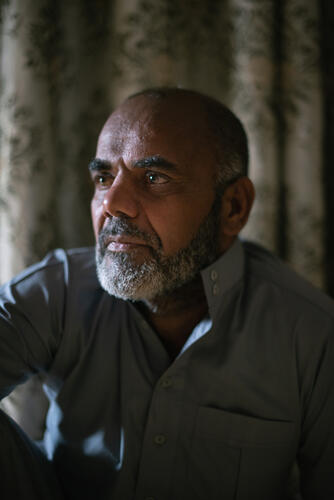
Ihsan, 44, was first diagnosed with tuberculosis in 2014, and since 2017, he is diagnosed with multidrug-resistant tuberculosis (MDR-TB). He’s taking the new oral treatment since October 2020 and is now slowly recovering, with seven months of treatment to go before being fully cured.
Sadr City, Baghdad, Iraq.
---
Ihsan's testimony:
---
My name is Ihsan Ali and I’m 44 years old. I’m married and I have three boys and one girl. I live in the Hamidiya area, in Baghdad (Iraq). I don’t have a steady job: sometimes I work as a construction worker and sometimes I borrow my friend’s taxi to work as a driver. 

The first time I got tuberculosis (TB) was in 2014. I went to the hospital and they told me I had caught it. Back then, I took the treatment for almost three months, but as soon as I got better, I stopped it. 

A year later, the disease came back, even stronger than before. I was put again on mediation–both pills and injections. This time, I continued my treatment for the whole period it was prescribed, eight months in total. I was feeling much better. 

But one day at the beginning of 2020, I was coming back from work and I suddenly felt lightheaded and tired. I didn’t expect it to be TB again, but my family suggested that I do a test just to be sure. The test came back positive: I had had a relapse. This time it was multidrug-resistant tuberculosis (MDR-TB). 

I isolated myself in my house and didn’t let anyone come near me. It wasn’t easy but it had to be done. I was then informed that there was a new treatment regimen, of 18 months duration and that wouldn’t involve injections. I agreed immediately as didn’t want to go back to taking injections every day. 

It’s been almost 10 months that I’m on this new drug regimen and I’m doing very well. It’s still a long way to recovery but hopefully I will overcome this. The pills that I am taking are a blessing compared to the injections. The injections were painful, and I had to go to a local private clinic every day for them to be administered. 

A month ago I got sick again: I had a fever, body ache and cough. I did a test and this time it was COVID-19. I had to isolate again and became a bit depressed. But I never lost hope, my belief was strong. I trusted in God, the treatment, and the precaution measures I was taking. I was very sick for 20 days. Although not fully recovered, I’m much better now thanks to God. 

I’m the breadwinner in my family, and for most of the period when I was sick I couldn’t work. Thankfully friends and relatives stood by my side, supported me and helped my family. I’m thankful to God and to them. Now, my only hope is for my health to get better so that I can work again, provide for my family and make up for all the time I was sick.
شخّصت إصابة إحسان (44 عامًا) بالسل لأول مرة في عام 2014، ومنذ عام 2017، شخّصت إصابته بالسل المقاوم للأدوية المتعددة. وقد خضع للبرنامج العلاجي الفموي الجديد منذ أكتوبر/تشرين الأول 2020 وهو يتعافى الآن ببطء، إذ تبقّت سبعة أشهر من العلاج قبل الشفاء التام. العراق، في سبتمبر/أيلول 2021.
© MSF/CHLOE SHARROCK

تخفيف المعاناة اليومية

يواجه مرضى السل بمختلف أشكاله العديد من التحديات في حياتهم اليومية نظرًا لوضعهم الصحي. كما أنهم ينقلون العدوى في المرحلة المبكرة للإصابة بالمرض ويتوجّب عليهم عزل أنفسهم تجنبًا لإصابة الآخرين، ما يؤثر عادةً على صحتهم النفسية ومصدر رزقهم.

وفي هذا الصدد، يقول إبراهيم محمد، وهو أب لثمانية أطفال يعيش في مدينة الصدر، "كنت حمالاً قبل أن أصاب بالمرض، لكنني لم أعد أقدر على العمل بسبب مرضي. ولا يمكننا تحمل تكاليف الكثير من الأمور". يعاني إبراهيم من السل المقاوم للأدوية المتعددة وهو حاليًا في المرحلة المعدية. ويتابع قائلاً، "في معظم الأوقات، طعامنا هو الشيء الوحيد الذي نستطيع أن نتحمل تكاليفه وهذا بفضل مدخول ابني الذي يعمل حمالاً هو الآخر".
وتؤمن منظمة أطباء بلا حدود الدعم لمرضى السل المقاوم للأدوية المتعددة تخفيفًا للأعباء المادية التي يفرضها عليهم العلاج وتشجيعًا لهم على حضور جلسات المتابعة التي يوصيهم بها مقدمو الرعاية الصحية. ويتضمن هذا الدعم بدل مواصلات للتنقل بين منازلهم والمعهد الوطني لمكافحة السل، إلى جانب السلل الغذائية للأشخاص الذين لا يقدرون على العمل خلال فترة المرض كما هو حال إبراهيم.

إبراهيم محمد، مريض مصاب بالسل المقاوم للأدوية المتعددة من مدينة الصدر "كنت حمالاً قبل أن أصاب بالمرض، لكنني لم أعد أقدر على العمل بسبب مرضي. ولا يمكننا تحمل تكاليف الكثير من الأمور. في معظم الأوقات، طعامنا هو الشيء الوحيد الذي نستطيع أن نتحمل تكاليفه وهذا بفضل مدخول ابني الذي يعمل حمالاً هو الآخر".
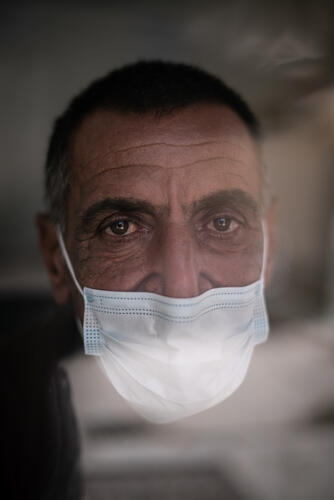
Ibrahim, 52, was first diagnosed with tuberculosis (TB) almost 3 years. And later his disease was diagnosed to be multidrug-resistant tuberculosis (MDR-TB). He’s currently taking the new oral treatment with 6 pills a day since six months, and still needs to isolate as he is still contagious.
National Tuberculosis Institute, Medical City, Baghdad, Iraq.
---
Ibrahim's testimony:
---
My name is Ibrahim Mohammed, I am 50 years old, and I am from Baghdad’s Sadr City. I am married and a father of eight children. 

I first got infected with tuberculosis (TB) about three years ago. It took me a year of treatment to be cured from it. But after some time, I started feeling the same symptoms again and I knew that the TB had come back. 

I went back to the National Tuberculosis Institute and they told me that this time, I had a drug-resistant form of TB. They prescribed me oral medications, unlike the drugs I had received the first time I had TB, which were injectables. 

Following the doctor’s advice, I immediately isolated myself from my family and I moved to my brother’s empty house, which is right next to mine. I locked myself inside and I didn’t go out at all. Not even to see my family.  I only saw them from behind the windows. My family was sad and worried about me. They didn’t know much about the disease and how it would affect me. Since then, I’ve spent my days at home. When I wake up, I put my bed in the sun to disinfect it and clean the house. Then, when it’s lunch time, my family brings me food. I don’t let them enter the house. They leave the food outside for me and I go out to take it after they leave.

Before getting sick, I used to work as a porter, but due to my sickness I can’t work anymore. We can’t afford many things. We even had to cut the secondary power line from my home because we cannot pay for it anymore. Most of the time, we can only afford food, and that’s mainly from the work of my son, who is a porter too. 

On top of my multidrug-resistant tuberculosis (MDR-TB), I have chronic diseases as well. I take medications for hypertension, diabetes and heart disease. I must buy these medications on my own. They cost me 30,000 IQDs (about 20 USD) per month, and sometimes I have to borrow money from others until I receive my social security salary to pay for it.

I feel weaker and I get tired quickly. But overall, I’m feeling good being on this treatment as it doesn’t have many negative side effects for me. I hope to regain my full health so that I can go back to work and support my family again. I miss my children a lot. I can only see them from behind the window when they play outside. I can’t wait to hold them in my arms again.
شخّصت إصابة إبراهيم (52 عامًا) بالسل لأول مرة منذ حوالي ثلاث سنوات. وفي وقت لاحق، شخّصت إصابته بالسل المقاوم للأدوية المتعددة. وقد خضع للبرنامج العلاجي الفموي الجديد منذ 6 أشهر، ويحتاج إلى البقاء معزولًا بسبب عدم انتهاء المرحلة المعدية من المرض. العراق، في سبتمبر/أيلول 2021.
© MSF/CHLOE SHARROCK

وتهدف فرقنا إلى تحقيق خطوة أبعد في مجال علاج مرضى السل المقاوم للأدوية المتعددة في العراق. وفي هذا الشأن، يقول بانغتي، "يتلخص هدفنا القائم حاليًا في إلغاء مركزية العلاج بحيث لا يضطر الناس للسفر إلى بغداد للاستفادة من هذه الخدمات. فقد كان على جميع المرضى من مختلف أرجاء العراق حتى الآن المجيء إلى هنا للحصول على أدويتهم ومتابعة حالتهم".

ويضيف، "لكننا نريد أن يتغير هذا الواقع. فالتغلب على السل في حد ذاته صعب ومؤلم بما فيه الكفاية. كما أن علاج الشكل المقاوم للأدوية المتعددة أصعب حتى. ولهذا نريد تسهيل إجراءات العلاج على المرضى بكل ما نستطيع إليه سبيلاً، وقد اتخذنا بالتعاون مع المعهد الوطني لمكافحة السل خطوات كبيرة في هذا الاتجاه".

يشار إلى أن منظمة أطباء بلا حدود تتعاون منذ يونيو/حزيران 2021 مع البرنامج الوطني لمكافحة السل والمنظمة الدولية للهجرة لتدريب طواقم الرعاية الصحية في محافظات عديدة في العراق من أجل تحسين قدراتها على التحري المبكر عن السل المقاوم للأدوية المتعددة وتأمين العلاج والمتابعة للمرضى.

ويختتم بانغتي حديثه قائلاً، "سيساعد إلغاء المركزية المرضى على توفير الوقت والمال إذ سيمكنهم من الحصول على خدمات رعاية عالية الجودة قريبة من بيوتهم. ونأمل أن تساعد كل هذه الخطوات على تخفيف معاناتهم وتسهم إيجابيًا في علاجهم وفي حياتهم اليومية".