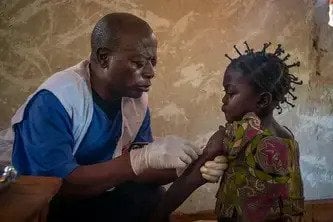
استجابتنا للإيبولا في جمهورية الكونغو الديمقراطية
اقرأ المزيد
موزمبيق
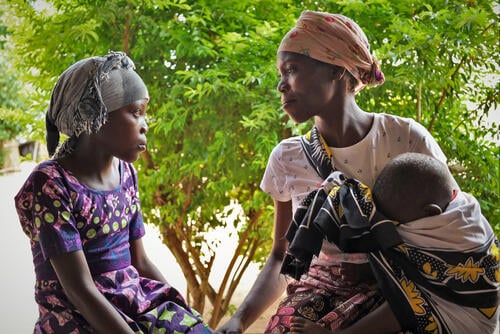
العنف يستمر في تهجير وإيذاء الآلاف في كابو ديلغادو
لا تزال أعمال العنف في كابو ديلغادو، موزمبيق، تؤدي إلى نزوح آلاف الأشخاص الذين هم في حاجة ماسة إلى الغذاء والمأوى والرعاية الصحية. تحديث حول مشروع - 7 مارس/آذار 2024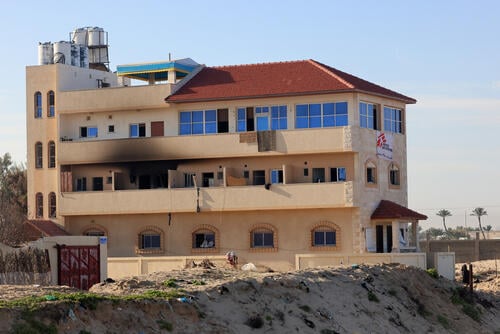
حرب غزة وإسرائيل
الهجمات على العاملين في المجال الإنساني تحيل تقديم المساعدات الحيوية شبه مستحيل
بعد مرور شهر على إصدار محكمة العدل الدولية تدابير مؤقتة تأمر فيها إسرائيل بضمان وصول الخدمات الأساسية والمساعدات إلى السكان في قطاع غزة، ما زال الوضع الإنساني لسكان غزة المحاصرين كارثيَا. تحديث حول مشروع - 27 فبراير/شباط 2024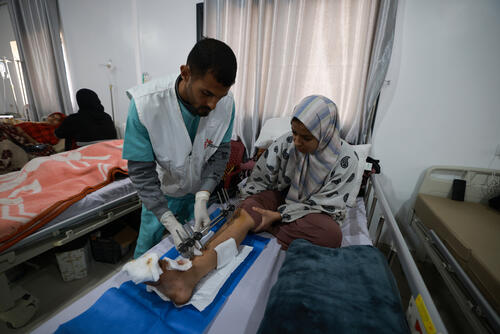
حرب غزة وإسرائيل
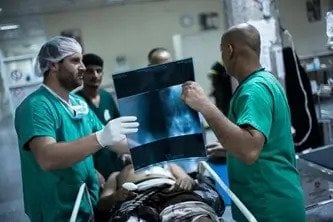
أوامر الإخلاء والتهجير القسري تهدد استمرارية الرعاية للجرحى في غزة
أدت الحرب في غزة إلى نزوح 1.5 مليون شخص إلى رفح، مما أدى إلى الحؤول دون رعاية الجرحى وسط عمليات نزوح متعددة على مدى أربعة أشهر. تحديث حول مشروع - 22 فبراير/شباط 2024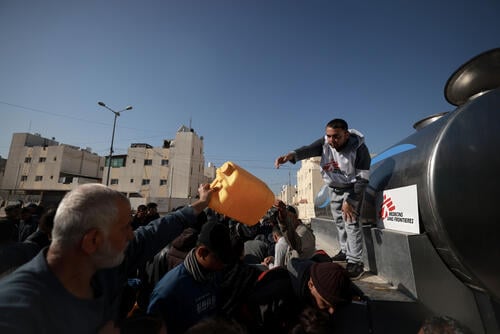
حرب غزة وإسرائيل
نقص المياه النظيفة يأتي بالأمراض والمعاناة
يكافح الفلسطينيون في جنوب غزة من أجل الحصول على المياه النظيفة حيث الظروف المعيشية يائسة وتتسبب في انتشار الأمراض. فيجب استعادة تدفق المساعدات الإنسانية إلى غزة لضمان حصول الناس على المواد الأساسية مثل الغذاء والمياه والرعاية الصحية. تحديث حول مشروع - 8 فبراير/شباط 2024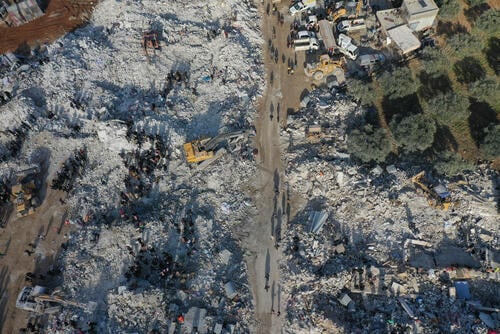
الاستجابة للزلازل في تركيا وسوريا
بعد عام من الزلزال الجروح النفسية لم تلتئم بعد
لا يزال الناس في شمال غرب سوريا يعانون من آثار الحرب على الصحة النفسية لأكثر من عقد من الزمن، والتي تفاقمت بسبب الزلازل المدمرة التي ضربت المنطقة في 6 فبراير/شباط 2023. تحديث حول مشروع - 6 فبراير/شباط 2024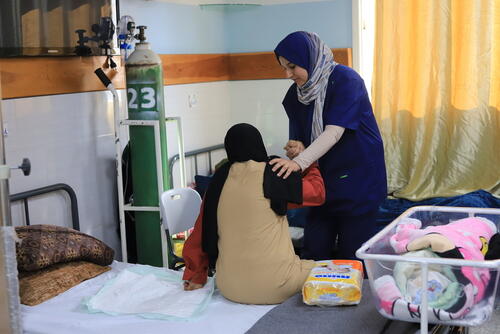
حرب غزة وإسرائيل
النساء الحوامل النازحات معرضات لخطر كبير وسط الظروف الصعبة في رفح
النساء الحوامل يواجهن مخاطر صحية شديدة في غزة، فإننا نشدد على الحاجة الملحة لاستعادة تدفق المساعدات الإنسانية إلى غزة والتي يعتمد عليها بقاء الأمهات والأطفال بشكل حاسم. تحديث حول مشروع - 30 يناير/كانون الثاني 2024
سوريا
الكشف عن أزمة الصحة النفسية في مخيم الهول شمال شرق سوريا
تقول منظمة أطباء بلا حدود إن الظروف القاسية التي يواجهها المحتجزون في مخيم الهول شمال شرق سوريا لا تؤدي إلا إلى تفاقم الأحداث المؤلمة التي مروا بها مثل العنف والنزوح. تحديث حول مشروع - 19 يناير/كانون الثاني 2024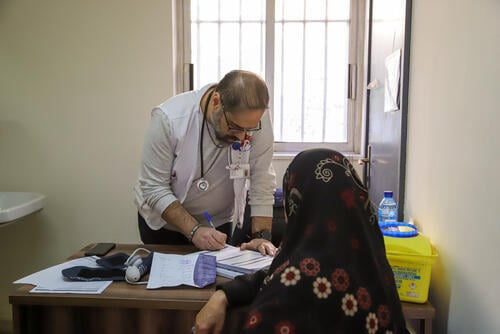
لبنان
أطباء بلا حدود توفر الرعاية الصحية للنازحين عقب التصعيد على الحدود الجنوبية للبنان
أجبر النشاط العسكري المتصاعد على طول الحدود الجنوبية للبنان آلاف الأشخاص على الفرار من البلدات الحدودية. لذلك، يعمل فريقنا المتنقل على توفير الرعاية الصحية للنازحين. تحديث حول مشروع - 10 يناير/كانون الثاني 2024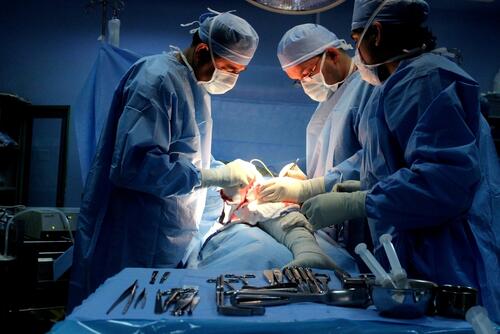
العراق
إعادة بناء الأمل: رحلة جرَّاح من بغداد التي مزقتها الحرب إلى شفاء الجروح في عمَّان
الدكتور رشيد فخري يروي رحلته من الهروب من حرب العراق إلى إعادة بناء الحياة في مستشفى الجراحة التقويمية التابعة لأطباء بلا حدود في عمان، الأردن. تحديث حول مشروع - 4 يناير/كانون الثاني 2024![Aliyah*, a Palestinian woman holds tight her daughter in her arms. She lived for 25 years in the old city of Hebron, one of the most restricted areas within the West Bank, Occupied Palestinian Territories.
“Since I became a mother, my anxiety level has only increased”
Aliyah, 25, was born and grew up in the old city of Hebron. In 2015, the Israeli army deemed her neighbourhood as a “closed military zone”. Since then, only registered residents have been allowed to enter the area. When she got married, she left and is now living outside the area while the rest of her family remained there.
“I cannot compare the level of intensity of today with before [the war]. It has continuously gotten worse, but October 7th marked a turning point. The first weeks following that date were terrible. Restrictions of movements have increased and gotten worse. The level of violence increased as if the [Israeli] settlers and the army had no more limitations. Hence, following October 7th, people were thinking that the same situation of Gaza will come soon to the West Bank” says Aliyah.
“I am pregnant and for example, before the war, I could negotiate at the [Israeli] checkpoint to not go through the x-ray machine for the safety of my baby. This morning, they asked me to pass through the machine three times and they would not listen about my condition” says Aliyah. “Women here need to adapt their clothing to pass the checkpoints, cause if there is any metallic thing in the bra stays or in the jean pocket, you will ring and go through a long screening,” she says.
Tel Rumeida, Hebron’s old city area that Aliyah mentions, is one of the most restricted areas within the West Bank. In the past months, Israeli forces allowed movements in and out only for two days an hour in for a few days a week. At times, Palestinians are not permitted to go out of their homes/leave the area for four days at a time - not even to bring out the trash or open their windows. “At the beginning of the war, most of the essential goods were not accessible. Today, they only have a few hours a day to go to the shop” says Aliyah.
“People live in constant fear. [Israeli] settlers and soldiers will come at night, knock, and yell at their doors. This has always happened but since the war, these intrusions are almost daily. Can you imagine the level of stress and insecurity this creates? Children are terrified and suffer from mental health symptoms such as bedwetting, persistent nightmares, behavioural changes, and isolation” describes Aaliyah. “I am a mom, and soon will have a second child. The moment I became a mother, my perspectives changed, and my anxiety level only continued to increase. It breaks my heart to raise children in this environment. You know what my daughter told me the other day? ‘Mom I am so scared’ – and she is only two years old” concludes Aliyah.](https://img.msf.org/AssetLink/2v6x87j8y2eu6u18vlpj6uutnlbxqk1m.jpg "Palestinians in Hebron, West Bank, live in constant fear as violence surges")
فلسطين