اطلع على السياسات والتقارير والخطط المتعلقة بكيفية تعاملنا مع قضايا مثل العنصرية وتقليل بصمتنا الكربونية وضمان توافق سلوكاتنا مع أعلى المعايير الأخلاقية.
MSF works with LGBTQI+ populations in many settings over the last 25-30 years. LGBTQI+ people face healthcare disparities with limited access to care and higher disease rates than the general population.
The MSF Paediatric Days is an event for paediatric field staff, policy makers and academia to exchange ideas, align efforts, inspire and share frontline research to advance urgent paediatric issues of direct concern for the humanitarian field.
Noma is a preventable and treatable neglected disease, but 90 per cent of people will die within the first two weeks of infection if they do not receive treatment.
The GeoMSF platform is a dynamic one-stop-shop website for all of MSF's GIS related services and products. Access maps and applications through the catalogue, request geographical support, or produce a map on GeoMSF.
تعيد مجموعة "صور العام" الصادرة عن منظمة أطباء بلا حدود النظر في عام تم خلاله تقديم الرعاية الطبية في ظروف وسياقات قاسية وذلك في جميع أنحاء العالم، وتتذكر منظمة أطباء بلا حدود من خلال عدسة مصوريها الصحفيين وتشيد بكل من عانى وثابر ولقي حتفه.
من الحروب والنزاعات الأهلية إلى الكوارث الطبيعية مروراً بالأمراض والأوبئة، كان موظفو منظمة أطباء بلا حدود خلال عام 2017 على خط جبهة إنقاذ أرواح الناس حيث كان مصورونا الموهوبون والمخلصون يتواجدون على طول الطريق ليكونوا الشاهد على قصص العام الماضي حيث سجلوا من خلال الصور أعمال طواقمنا والمعركة المستمرة لإنقاذ أرواح أولئك المعرضين للخطر في عالمنا.
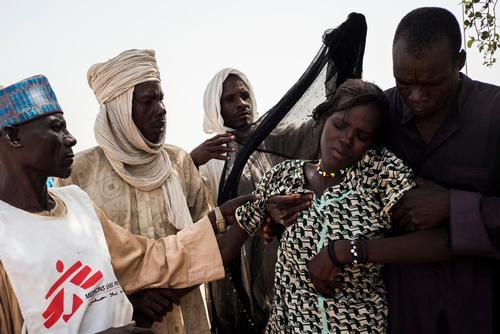
نوفمبر/تشرين الثاني 2017: نقل امرأة شابة من مخيم للنازحين في بلدة ياكوا على عربة يجرها حصان للوصول إلى العيادة المتنقلة التابعة لمنظمة أطباء بلا حدود بالقرب من بول في تشاد وذلك بعد أن قطعت أكثر من 30 كيلومتراً.
Dominic Nahr/MAPS
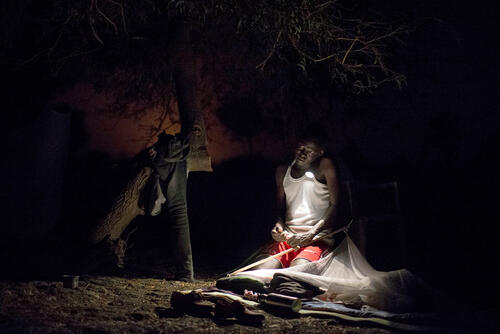
مارس/آذار 2017: جيمس، مشرف المنطقة المجتمعية في منظمة أطباء بلا حدود، يقوم بتجهيز فراشه ليلاً بالقرب من عيادة الدعم الخارجي التابعة لمنظمة أطباء بلا حدود في جير، مقاطعة لير، جنوب السودان.
Siegfried Modola
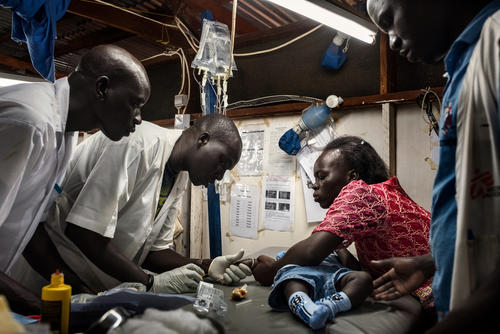
أغسطس/آب 2017: أطباء يفحصون الطفلة بلس، سبعة أشهر، في مستشفى منظمة أطباء بلا حدود في أويل، جنوب السودان. بخيتة (إلى يمين الصورة)، القابلة في المستشفى ذاته، جلبت ابنها للاشتباه بإصابته بالملاريا.
Peter Bauza
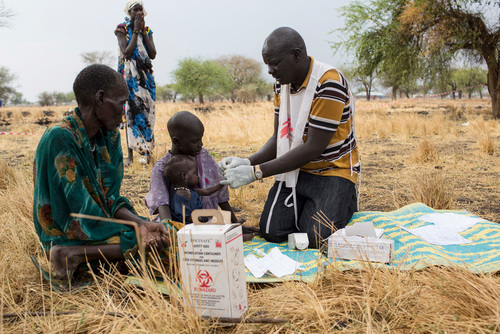
مارس/آذار 2017: غاتبيل، ميسر الصحة المجتمعية، يفحص طفلاً مصاباً بالملاريا وذلك في عيادة الدعم الخارجي في ثاكر، مقاطعة لير، جنوب السودان.
Siegfried Modola
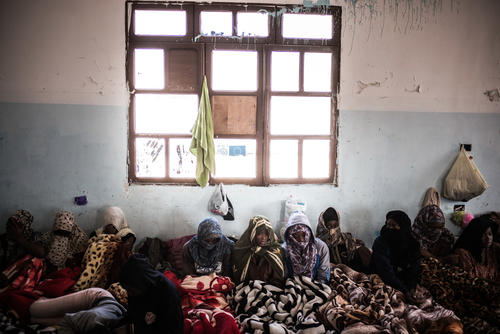
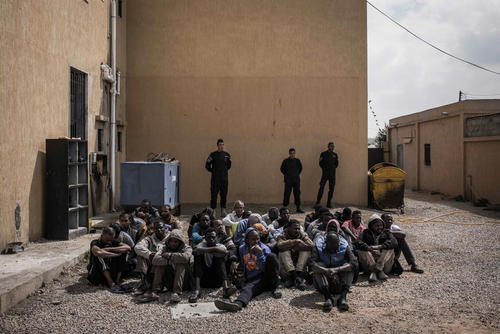
مارس/آذار 2017: مكان مزدحم بالنساء اللواتي لا يملكن أكثر من البطانية والملابس التي يلبسنها، والمحتجزات في مركز اعتقال صرمان، على بعد نحو 60 كم غرب طرابلس، ليبيا، حيث تقوم السلطات الليبية باحتجازهن بسبب المرور عبر البلاد في محاولة للوصول إلى الساحل والركوب على متن أحد قوارب المهربين بهدف السفر إلى أوروبا حيث يبقين لأسابيع إن لم يكن لأشهر لا يعرفن ماذا سيحل بهن وذلك أثناء احتجازهن في ظروف مروعة.
Guillaume Binet/Myop
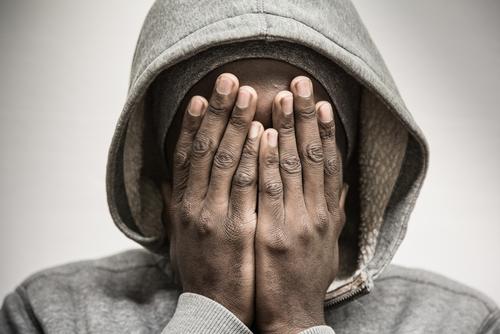
بدأ "م" منذ وصوله إلى كالياري رحلته الطويلة عبر أوروبا حيث انتقل من سردينيا إلى ميلان، مروراً بفنتيميليا وكومو. وقد شهد وفاة صديقه ورفيق دربه الذي فقد حياته في حادث مأساوي بينما كان الرجلان يحاولان العبور إلى فرنسا. تم ترحيل "م" أولاً من فرنسا ثم من سويسرا وقد عَلِقَ الآن على الجانب الإيطالي من الحدود في كومو حيث طال انتظاره.
Giuseppe La Rosa/MSF
سالي، 29 عاماً، من الناصرية في العراق، فرت من الضرب والعنف في العراق بعد الطلاق من زوجها. وصلت إلى اليونان بالقارب قادمةً من تركيا، رفقة لاجئين آخرين، وتعيش الآن في أثينا حيث تتعلم اللغة اليونانية وتتلقى الإرشاد من منظمة أطباء بلا حدود.
Tanya Habjouqa/NOOR
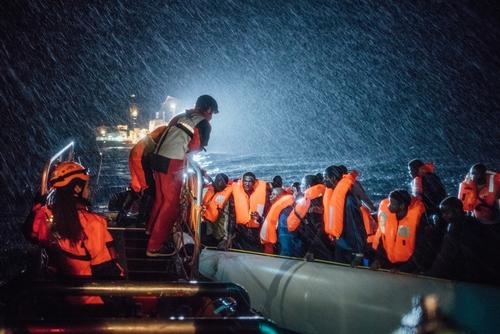
تنفّذ فرق البحث والإنقاذ التابعة لأطباء بلا حدود وإس أو إس ميديتيراني مهمّة إنقاذ إثر رصد قارب يواجه خطر الغرق قرب الساحل الشمالي لليبيا. وسط البحر الابيض المتوسط، في 2016.
Kevin McElvaney
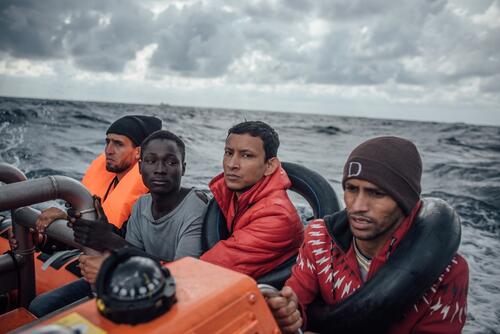
ديسمبر/كانون الأول 2016: شباب يتمسكون بمركب سريع بإحكام أثناء نقلهم من زورقهم الخشبي إلى سفينة البحث والإنقاذ "أكواريوس" التابعة لمنظمة أطباء بلا حدود ومنظمة إس أو إس مع اضطراب أمواج البحر الأبيض المتوسط، قبالة الساحل الشمالي لليبيا.
Kevin McElvaney
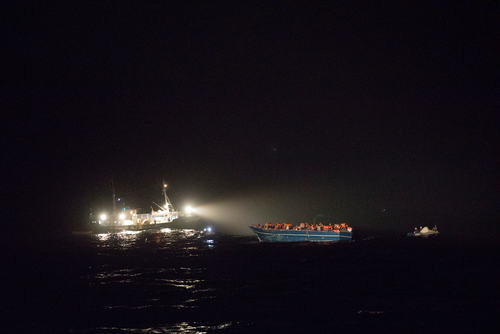
مارس/آذار 2017: سفينة البحث والإنقاذ "فوس برودنس" التابعة لمنظمة أطباء بلا حدود بالإضافة إلى مراكب أخرى تقوم ليلاً بإنقاذ قارب خشبي يحمل على متنه 412 شخصاً، معظمهم من دول آسيوية مثل باكستان وبنغلاديش ونيبال وذلك في البحر الأبيض المتوسط.
Albert Masias/MSF
يونيو/حزيران 2017: أميمة، 21 عاماً، من المغرب، أخذت لها الصورة في المياه الدولية في البحر الأبيض المتوسط، وذلك في منتصف الطريق بين ليبيا وإيطاليا. من سلسلة صور "العبور".
Andrew McConnell/Panos Pictures
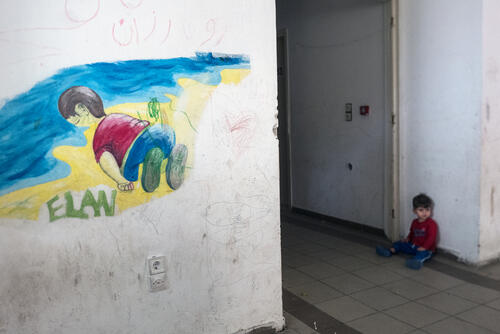
يونيو/حزيران 2017: طفل صغير يجلس في ممر منتجع مهجور للمياه الكبريتية في ثيرموبيلاي، اليونان، إذ يتم استخدام مباني المنتجع لإيواء اللاجئين حيث تقوم منظمة أطباء بلا حدود بتقديم الرعاية الصحية النفسية لأولئك الذين يجدون أنفسهم محاصرين هناك بسبب سياسة اللاجئين التي ينتهجها الاتحاد الأوروبي والتي تمنعهم من مواصلة رحلتهم عبر أوروبا.
Tanya Habjouqa/NOOR
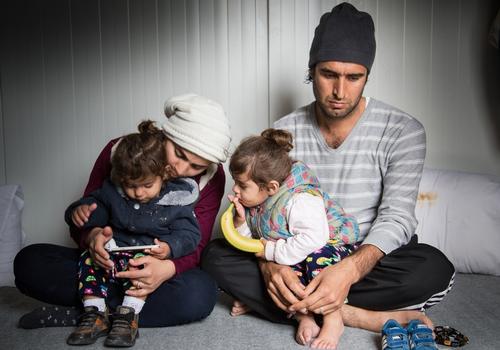
آذار/مارس 2017: كارون، 31 عاماً، يجلس مع زوجته وابنتيه التوأمين في ملجأ للاجئين في جزيرة ليسفوس اليونانية حيث وصلت الأسرة في شهر أغسطس/آب من عام 2016، لكن السلطات اليونانية تمنعهم منذ ذلك الحين من مغادرة الجزيرة لمواصلة رحلتهم إلى اليابسة.
"لا أريد أن يرى أطفالي مرة أخرى ما شهدته في العراق. هذا هو سبب مغادرتنا البلاد حيث يخيم الشلل على كل شيء، ويتوقف كل شيء عن العمل وتغيب الحياة... يتمثل حلمي الحقيقي في أن يعيش أطفالي في بلد جميل دون حرب ودون سفك دماء ودون أي شيء من هذا القبيل. هذا كل ما أتمناه".
Giuseppe La Rosa/MSF
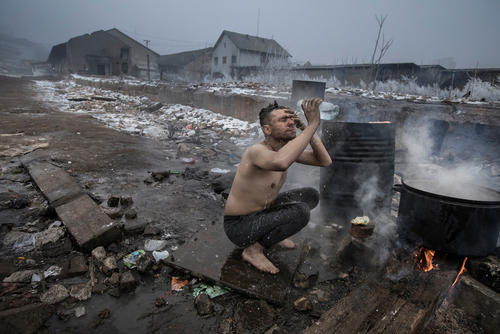
يناير/كانون الأول 2017: رجل يستحم في الهواء الطلق مستخدماً زجاجة بلاستيكية في مجمع مستودعات مهجور في بلغراد، صربيا، حيث يبحث مئات الآلاف من اللاجئين أثناء عبورهم إلى أوروبا عن مأوى يقيهم في فصل الشتاء في صربيا انخفاض درجات الحرارة دون الصفر بينما يتم إحباط رحلاتهم جراء الرقابة الشديدة على الحدود.
Paul Hansen/Dagens Nyheter
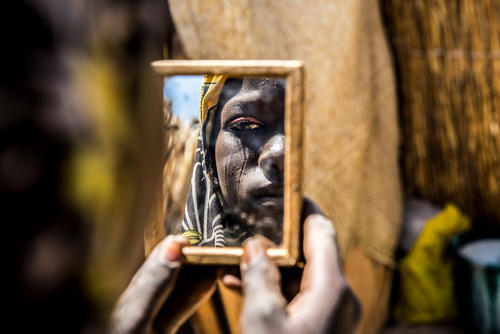
فبراير/شباط 2017: امرأة تراجع عيادة رعاية الحوامل ما قبل الولادة التابعة لمنظمة أطباء بلا حدود في ديفا، النيجر، تنظر إلى انعكاس صورتها في مرآة تحملها بيدها.
Juan Carlos Tomasi/MSF
أغسطس/آب 2017: العاملون في عيادة منظمة أطباء بلا حدود في إيستلاندس، نيروبي، يقدمون الرعاية لضحايا العنف الجنسي. وتستقبل العيادة التي تعمل على مدار 24 ساعة أكثر من 200 مريض شهرياً وذلك نتيجة قيام منظمة أطباء بلا حدود بتوسيع منطقة الخدمة الطبية التي تشرف عليها وذلك من خلال خدمة الطوارئ ومركز الاتصال الهاتفي ومشروع التوعية والتعبئة المجتمعية.
Fredrik Lerneryd
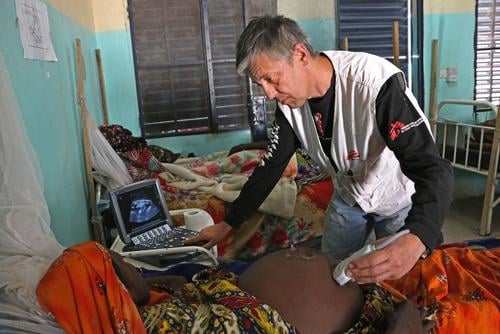
فبراير/شباط 2017: الدكتور هنريك مازوريك، طبيب النساء والتوليد في منظمة أطباء بلا حدود والذي يعمل في مستشفى بول الإقليمي، يقوم بفحص المريضة التي على وشك إنجاب توأمين باستخدام الموجات فوق الصوتية وذلك قبل إجراء الجراحة التوليدية.
Sara Creta/MSF
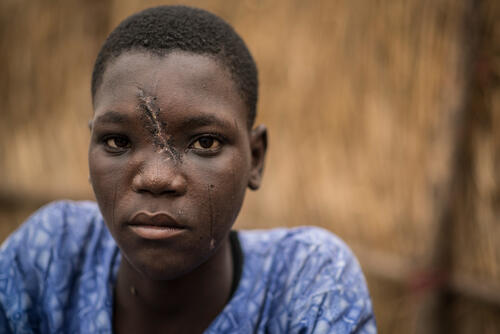
عالجت منظمة أطباء بلا حدود الجرح الذي تلقاه تودجاني بولاما، 18 عاماً، على وجهه بعد أن قام أحد أعضاء جماعة بوكو حرام في الكاميرون بإطلاق النار عليه. يعيش حالياً أكثر من 45 ألف لاجئ آخرين في مخيم للنازحين في نجالا بولاية بورنو في نيجيريا، وقد فر العديد من الأهالي من الكاميرون، الدولة المجاورة، بسبب العنف المستمر من جماعة بوكو حرام والعمليات العسكرية في المنطقة.
Sylvain Cherkaoui/COSMOS
يوليو/تموز 2017: قافلة أمنية تستعد لمغادرة مخيم النازحين في بانكي، شمال شرق نيجيريا. وقد قامت السلطات النيجيرية بإنشاء هذا المخيم بعد أن تم استعادة البلدة من بوكو حرام في سبتمبر/أيلول من عام 2015. ونظراً لوجود مجموعات بوكو حرام في المنطقة، فمن الخطورة بمكان مغادرة اللاجئين للمخيم. تقوم منظمة أطباء بلا حدود بتقديم الرعاية الطبية وإنشاء الصرف الصحي وتوزيع الأغذية، كما يقوم طاقم طبي متنقل خلال موسم الأمطار بتقديم المعالجة الوقائية ضد الملاريا وذلك للأطفال.
Sylvain Cherkaoui/COSMOS
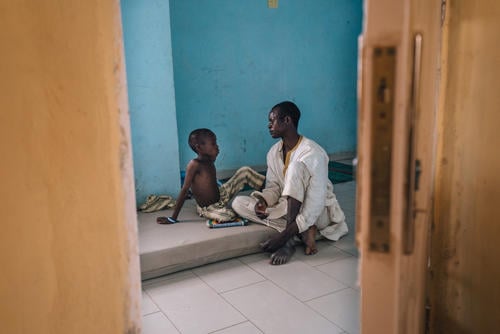
أبريل/نيسان 2017: زهر الدين موسى، 14 عاماً من سوكوتو، مصاب بمرض التهاب السحايا، يجلس على سريره في مستشفى محمد مرتالا التخصصي برفقة والده.
Fabrice Caterini/INEDIZ
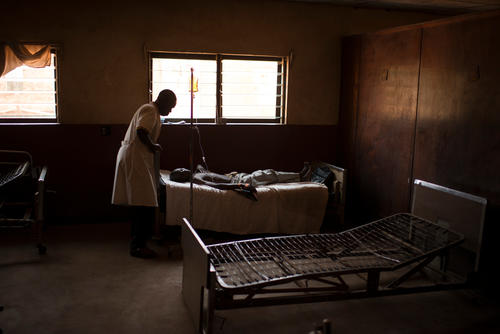
مارس/آذار 2017: طبيب يفحص أحد المرضى في المركز الطبي المعمداني الذي يتلقى الدعم من منظمة أطباء بلا حدود في إيبي، جمهورية أفريقيا الوسطى.
Colin Delfosse/Ouf of Focus
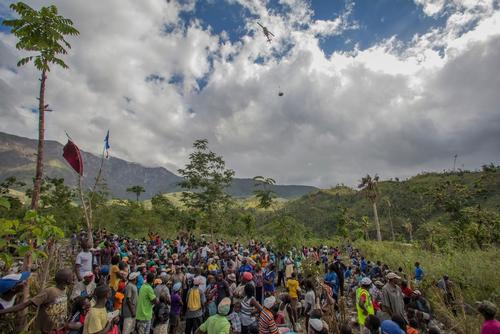
يناير/كانون الثاني 2017: سكان بولوس، في جبال هايتي، يشاهدون وصول مروحية تحمل حزمة إغاثية مقدمة من منظمة أطباء بلا حدود تحتوي على مساعدات طبية ومواد بناء. وتقوم منظمة أطباء بلا حدود بتوزيع المواد الإغاثية في بعض المناطق النائية في البلاد وذلك بعد الدمار الذي ألحقه إعصار ماثيو.
Jeanty Junior Augustin
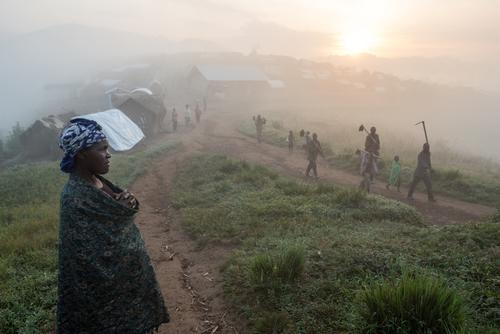
فبراير/شباط 2017: شروق الشمس فوق مخيم للنازحين في مويزو، ولاية شمال كيفو، شرق جمهورية الكونغو الديمقراطية، حيث يقع المخيم، الذي تم إنشاؤه في عام 2007، على بعد نحو 120 كيلومتراً من جوما، عاصمة شمال كيفو.
Gwenn Dubourthoumieu
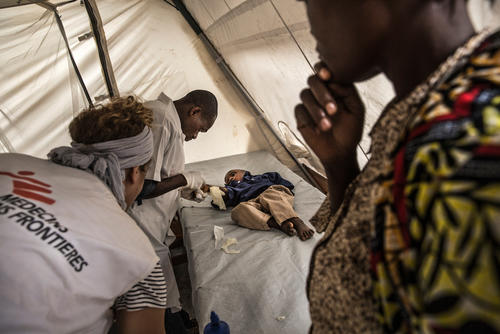
أكتوبر/تشرين الأول 2017: ممرض وممرضة في منظمة أطباء بلا حدود يفحصان أحد الأطفال في مركز معالجة الكوليرا في كاتانا، في جمهورية الكونغو الديمقراطية.
Marta Soszynska/MSF
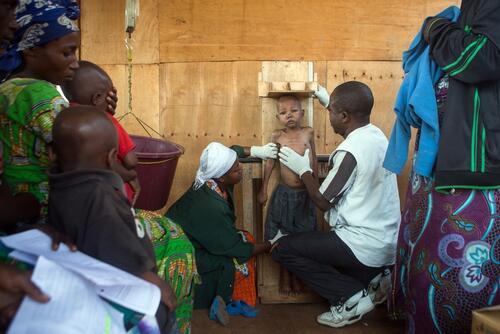
فبراير/شباط 2017: طفل مصاب بسوء التغذية الحاد يقف كي يقوم موظفو منظمة أطباء بلا حدود بقياس طوله وذلك في أحد المراكز الصحية التي تدعمها منظمة أطباء بلا حدود في بوكاما، ماسيسي، جمهورية الكونغو الديمقراطية.
Gwenn Dubourthoumieu
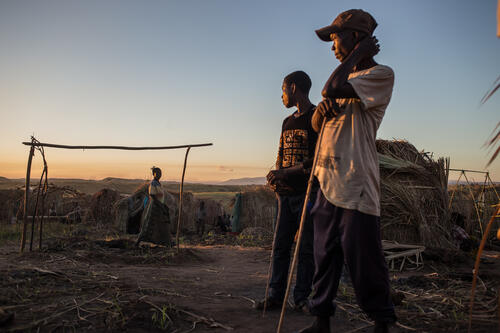
مايو/أيار 2017: بعض الرجال الذين نزحوا جراء القتال الحاصل بين القبائل في محافظة تانغانيكا يبنون مأوى لهم في مخيم موكوكو في كاليمي، جمهورية الكونغو الديمقراطية، وقد نزح نحو 433,700 شخص منذ يوليو/تموز من عام 2016 حيث يعيش العديد منهم في مساكن ومخيمات غير رسمية مع وصول محدود إلى الرعاية الصحية، كما أنهم يواجهون نقصاً هائلاً في الغذاء والماء والمأوى.
Lena Mucha
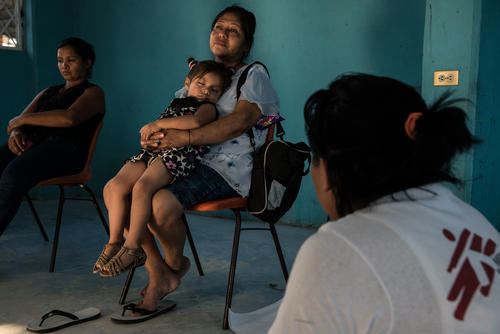
مارس/آذار 2017: امرأة مع حفيدتها تأخذان قسطاً من الراحة خلال جلسة دعم تنظمها منظمة أطباء بلا حدود للنساء في مأوى للمهاجرين في تينوسيك بالمكسيك. ووفقاً لمسح أجرته منظمة أطباء بلا حدود، فإن ثلث النساء المهاجرات عبر المكسيك يعانين من الاعتداء الجنسي.
Marta Soszynska/MSF
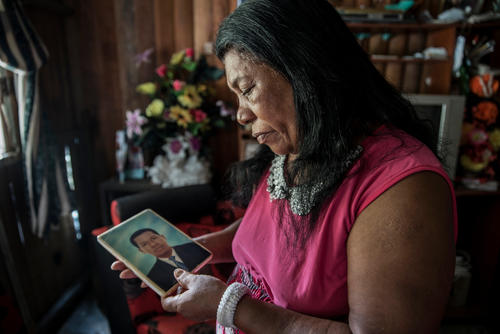
ديسمبر/كانون الأول 2016: فرانسيسكا، 77 عاماً، تنظر إلى صورة ابنها الذي توفي قبل ست سنوات في منطقة بريساس ديل مار في بوينافينتورا، كولومبيا. تعيش فرانسيسكا في هذا الحي منذ 32 سنة، وتقع بوينافينتورا على ساحل المحيط الهادئ الكولومبي، وقد اكتسبت هذه المنطقة سمعة سيئة بوصفها المدينة التي تشهد أعلى معدلات للجريمة في البلاد إذ يتعرض قسم كبير من الأهالي لأعمال عنف يومية بما في ذلك القتل وإطلاق النار والابتزاز والاختطاف والاعتداء الجنسي.
Marta Soszynska/MSF
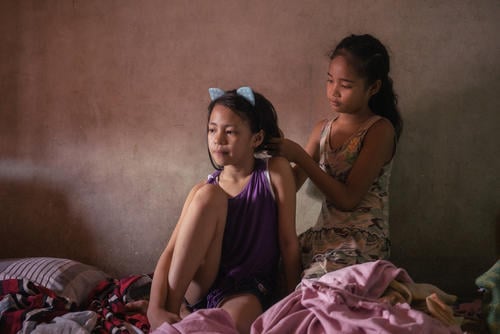
سبتمبر/أيلول 2017: إلييس (إلى يسار الصورة) وديانا تقومان بتصفيف شعرهما قبل التقاط صورة لهما في منزلهما بالقرب من سموكي ماونتن، مانيلا، وقد تلقت البنتان التطعيم من عيادة ليخان التي توفر الرعاية الصحية المجانية للمجتمعات ذات الدخل المنخفض. وبالنسبة للعديد من أفراد المجتمعات ذات الدخل المنخفض في مانيلا، تعتبر مسألة توفير أساسيات الحياة مثل الغذاء والمأوى والملابس أكثر أهمية من احتياجاتهم الصحية.
Hannah Reyes Morales
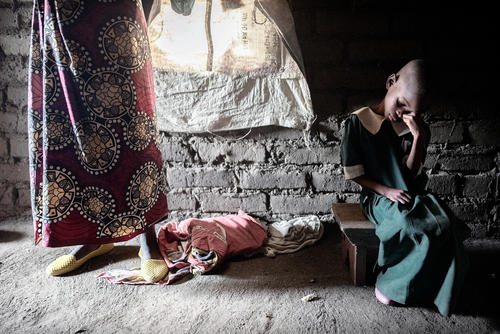
يوليو/تموز 2017: غلوريا، 11 عاماً، تجلس بزيها المدرسي في حين تقف والدتها، تيليزا جيمس، بجانبها وذلك في منزلهما في نسانجه، ملاوي. غلوريا مصابة بفيروس نقص المناعة البشرية والسل.
Luca Sola
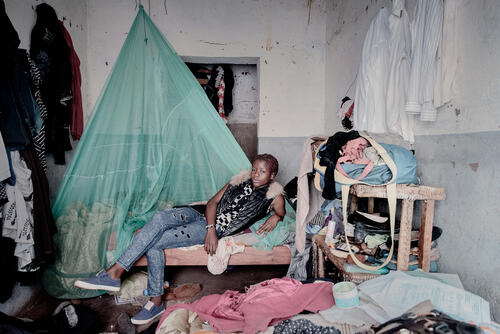
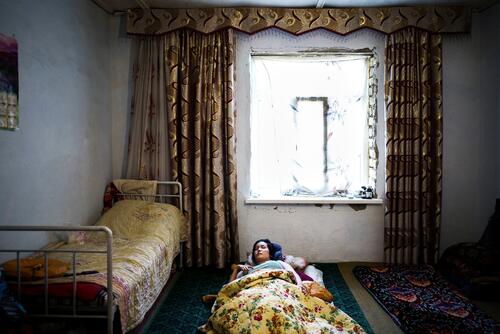
يوليو/تموز 2017: ديبورا، 18 عاماً، تستلقي على سريرها في تشيرادزولو. أصيبت ديبورا بفيروس نقص المناعة البشرية من والدتها أثناء الحمل، وعلى الرغم من إصابتها بالسل أيضاً، إلا أنها ذات عزيمة: "باستخدام الدواء المناسب سوف أحقق أحلامي، كما أنني أرى مستقبلاً مشرقاً.
Luca Sola
جولزات، 17 عاماً، تستقبل الطاقم الطبي التابع لمنظمة أطباء بلا حدود في منزلها. وتعاني جولزات من التهاب السحايا السلي منذ عامين، وعلى الرغم من العلاج الطبي، إلا أنها لم تتعافى تماماً، جولزات فتاة مشلولة وتعتمد كلياً على أقاربها في أمور الرعاية اليومية. تدعم منظمة أطباء بلا حدود جولزات نظراً لأنها إحدى مرضى الرعاية الملطفة، كما تقدم المساعدة لتوفير الأدوية وتمويل مجموعة متنوعة من تكاليفها الطبية.
Maxime Fossat
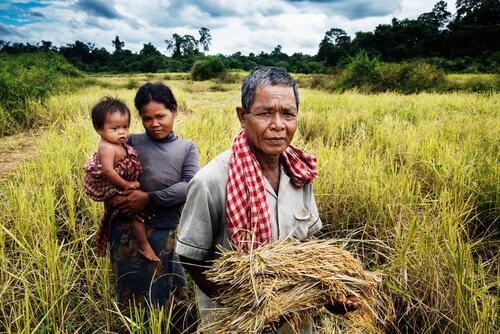
يناير/كانون الثاني 2017: ساوم كويم (إلى يمين الصورة) يعيش مع زوجته وابنته وصهره وحفيده في بني رو لوك وذلك خلال موسم الزراعة والحصاد. أصيب ساوم كويم قبل عامين بالملاريا، لكنه تلقى العلاج. وقد شاركت أسرته بأكملها هذا العام في مشروع الفحص الطوعي الاستباقي لمرض الملاريا.
Tim Dirven/Panos Pictures
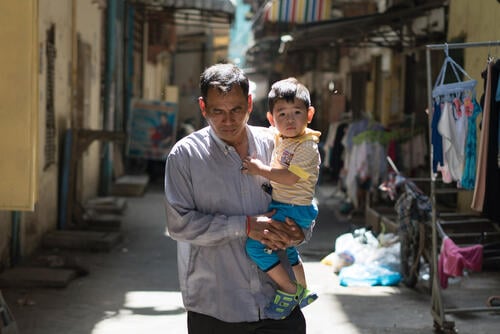
أبريل/نيسان 2017: دين سافورن، 50 عاماً، شرطي سابق من بنوم بنه، شعر براحة لا توصف عندما اكتشف بأنه شفي أخيراً من التهاب الكبد الفيروسي C بعد أن عاش مع المرض منذ ما يقرب من 20 عاماً. دين سافورن من أوائل الأشخاص الذين تمت معالجتهم باستخدام علاج جديد وأكثر فعالية لالتهاب الكبد الفيروسي C والذي تقدمه عيادة منظمة أطباء بلا حدود في بنوم بنه مجاناً.
Todd Brown
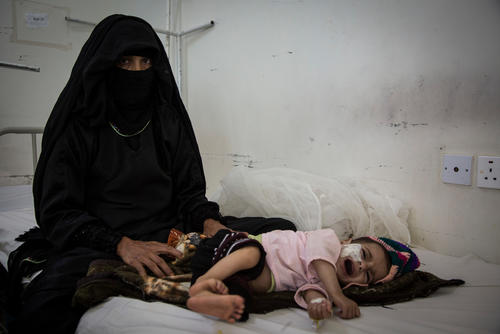
بيسام تجلب ابنها البالغ من العمر سبعة أشهر إلى المركز الصحي لفحصه بعد أن أصيب بحمى شديدة بالإضافة إلى أنه كان يتقيأ. يعاني الطفل من سوء التغذية، ولكن وفقاً للطبيب، تحدث هذه الحالات في كثير من الأحيان: "تتوقف الأمهات عن الرضاعة الطبيعية ويستبدلن حليبهن بالبودرة، ونظراً لعدم نظافة الماء، يصاب الأطفال بالمرض الشديد".
Florian SERIEX/MSF
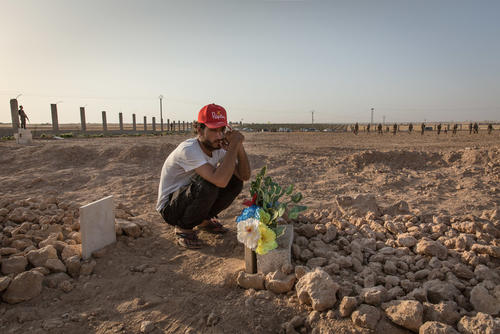
يوليو/تموز 2017: يجلس إسماعيل بجانب قبر صديقه حوت الذي قتل قبل يومين برصاص قناصة تنظيم الدولة الإسلامية في معركة الرقة. يؤوي المخيم الذي يقع في عين عيسى، على بعد 55 كم شمال الرقة، نحو 8000 شخص نزحوا بسبب الحرب. وتقوم طواقم منظمة أطباء بلا حدود بإدارة إمدادات المياه بالإضافة إلى تقديم الرعاية الصحية الأولية والحفاظ على استقرار الوضع الصحي للمرضى المصابين قبل إحالة الحالات الشديدة إلى مستشفى كوباني.
Chris Huby
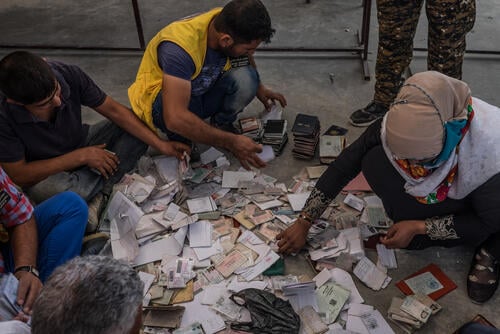
سبتمبر/أيلول 2017: أعضاء المجلس المدني في الرقة يقومون بترتيب هويات وجوازات سفر أولئك الأشخاص الذين وصلوا حديثاً إلى مخيم عين عيسى للنازحين شمال سوريا. وقد تعرضت المناطق المدنية في الرقة وما حولها لقصف متواصل حيث حُرمت من المساعدات، وما يزال الوصول إلى الغذاء والرعاية الصحية محدوداً للغاية لا سيما في المناطق التي تشهد حصاراً مطولاً.
Agnes Varraine-Leca
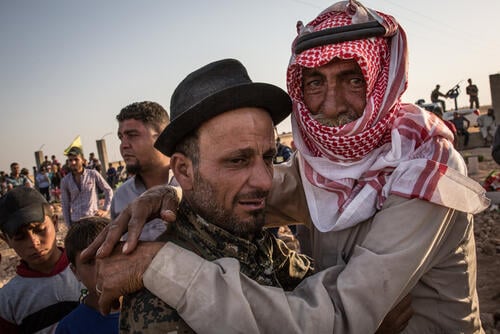
أخٌ وأخت يلتقيان مجدداً في مركز الإصابات الميداني التابع لمنظمة أطباء بلا حدود، جنوب الموصل في العراق، إذ أنهما لم يلتقيا منذ أكثر من عامين بسبب النزاع، وقد التقيا مجدداً عن طريق الصدفة في هذا المستشفى الميداني بعد ادخال ابنة هذه المرأة إلى المستشفى لتلقي العلاج بعد تعرضها لإصابات طفيفة.
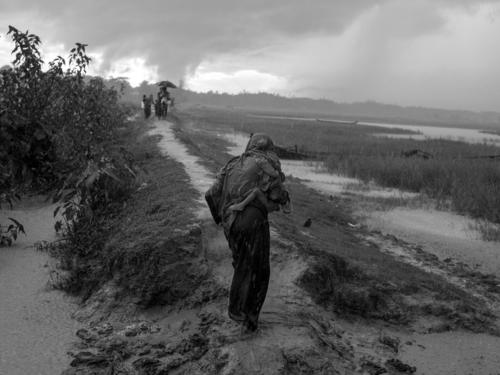
أكتوبر/تشرين الأول 2017: اللاجئون الروهينغا القادمون من ميانمار بانتظار الإذن من حرس الحدود في بنغلاديش لمواصلة رحلتهم إلى مخيمات اللاجئين بالقرب من كوكس بازار، حيث يحتمون من الأمطار الموسمية في حقل للأرز يقع على الجانب البنغلاديشي من الحدود مع ميانمار.
Moises Saman/Magnum Photos for MSF
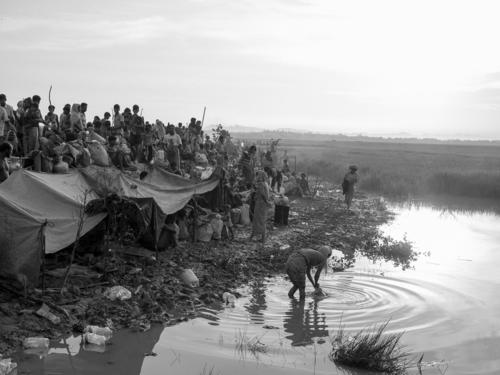
أكتوبر/تشرين الأول 2017: قيام اللاجئين الروهينغا القادمين من ميانمار بالتجمع على ضفة نهر ناف من الجانب البنغلاديشي بانتظار الإذن لمواصلة رحلتهم إلى مخيمات اللاجئين بالقرب من كوكس بازار.
Moises Saman/Magnum Photos for MSF
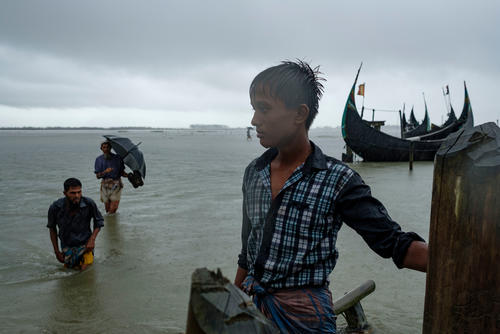
سبتمبر/أيلول 2017: أحد الصبية البنغلاديشيين يشاهد تحت الأمطار الغزيرة وصول اللاجئين الروهينغا إلى المعبر الحدودي على نهر ناف، بالقرب من تكناف، بعد فرارهم من ميانمار. وقد فر أكثر من 600 ألف روهينغي إلى بنغلاديش قادمين من ولاية راخين فى ميانمار بعد تصاعد العنف في أغسطس/آب.
Antonio Faccilongo
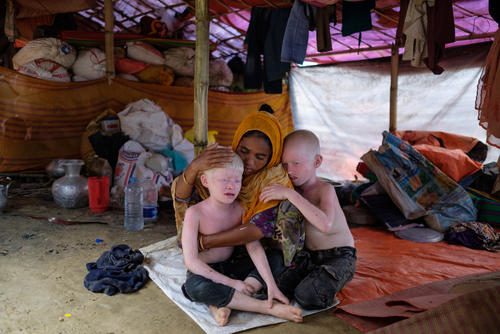
سبتمبر/أيلول 2017: امرأة من الروهينغا تقوم بتهدئة ابنيها في خيمتهم في مخيم كوتوبالونغ في كوكس بازار، بنغلاديش. وقد فرت الأسرة مؤخراً من ميانمار وانضمت لمئات الآلاف من الروهينغا الذين فروا عبر الحدود خلال فترات العنف الذي اندلع في السنوات السابقة حيث انتقلوا للإقامة في مساكن مؤقتة دون الوصول الملائم إلى المأوى أو الغذاء أو المياه النظيفة أو الصرف الصحي المناسب.
Antonio Faccilongo
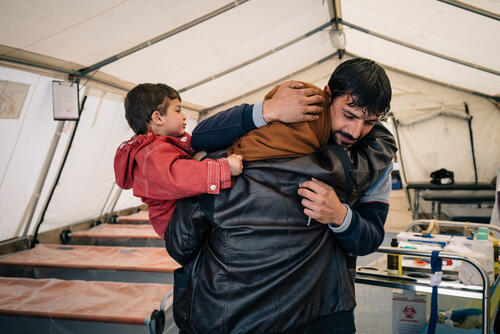
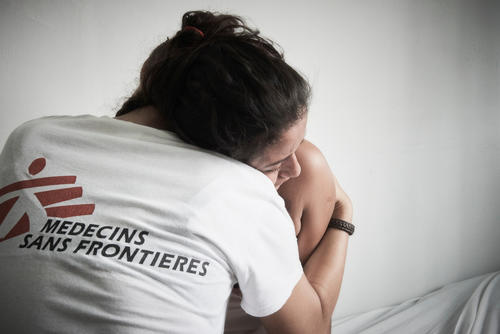
سينثيا، 18 عاماً، تعانقها إحدى ممرضات منظمة أطباء بلا حدود اللواتي يعملن في عيادة تشولوما للرعاية الصحية الطبية والنفسية، بعد أن عانت من العنف الأسري، سينثيا في الشهر الثاني من الحمل. وتقوم منظمة أطباء بلا حدود بتقديم الدعم لعيادة الأمهات والأطفال في تشولوما، وهي منطقة صناعية سريعة التوسع أصبحت الآن ثالث أكبر مدينة سكانية في هندوراس وتشتهر بارتفاع مستوى العنف فيها.
Christina Simons/MSF
![Um Ahmad (Sally Saad, 29)
Received MSF mental health counseling
(Today, Sally is living with a female refugee from West Africa and exploring her body as canvas of expression. Her body is her own for first time in years. Her favorite new tattoo? I suffered I learned I changed. She is learning Greek and receiving counseling from MSF)
Divorce was not easy….my husband was from Basra, and I am from Nasiriyah.
Iraq has a tribal way of living. Everybody gets involved like the uncles and the father. Despite being beaten violently, they all intervened, and I was coerced to return home.
They took me back under the pretext that it was for the children. It was inevitable for the families to intervene because they don’t want to develop a reputation due to divorce and the children.
This cycle continued for years. It was worse when my husband joined the army. He broke my jaw, when my daughter Rula was a year and a half old.
She doesn’t remember any of it, but my older son does. He was three years old.
He was beginning to understand what was going on.
After joining army, only thing that changed was that his dominance had become undisputed.
He had acquired authority and power. Guns! Can you believe that? He hit me with guns twice. Another time he pulled a gun on me. Once he assaulted me here… [She indicates a delicate part of her body]
In 2014, I had had enough.
I stayed with my family for about eight months. The kids stayed with me. In the beginning, he took them claiming that it would only be a visit. He told my father that he wanted to see the children and asked for them to be sent over.
I had a feeling it would be the last time. And indeed, he took them and kept them.
Afterwards, he informed that we were getting divorced. It came from him not from me because if I asked for it, society would have looked at me as if the fault were mine.
I waited for him to say it.
He wanted to get divorced but his condition was to have the children.
I refused, of course. He sent back agreeing to me keeping custody and things carried on.
I went to court. It was the first time we had seen each other after eight months; it happened at the courthouse. I was shocked to see that all the papers he had prepared entailed that he would have custody of the children, not me. He prepared papers to have custody of the children for himself.
Another thing is that he agreed with my older brother to have me give up everything. Everything.
Due to the condition I was in, I didn’t care. Honestly, I didn’t care about the gold or the money or anything. That was it. It meant to give up everything to be free from him.
The judge asked me if I was being threatened, because no woman would stand up and give everything up like that. We got divorced. I told him that I didn’t want any problems.
He threatened my mother, telling her that we did not want to see his “other face”.
Naturally, my mom felt scared for my siblings. I had fights with my mother throughout the whole winter.
We got divorced but I did not see any of children afterwards. Not once. Not even a phone call or a message. My life changed too; everybody looked at me differently. My family did too.
My oldest brother was the first to antagonize me. My mother did too.
My mother was scared and wanted me to forget what happened and go back to him, but… my children.I tried to get them back. I tried to rent a house. He would be legally obliged to pay their alimony. The law stipulates that he pays alimony while I rent a small house.
He had documents claiming that I had given up custody.
He claimed that by separating I agreed to give up custody.
I moved out of my family’s house at the time due to all the problems and the pressure that was mounting on me. I moved in with my aunt; my mother’s sister.
I tried to do something... I tried to get them back. I tried to see them.
I was surprised to see one of cars from my husband's family one day through the cameras at my family’s house. They were dressed in their tribe’s clothing.
They spoke with my mother and told her that I must forget about the children.
They said that as a tribe they are capable of doing anything. No government or country can intervene or do anything to stop them. It suddenly became a conflict between two tribes.
After that, my older brother said if that I didn’t go back to my husband, he’d kill me.
At the time, I felt like going back was not a way to live.
I tried to take the children and leave the country. I was able to get my passport out of the house.
My son snuck it out for me. I talked to him and said: “Hamodeh, I need something. Can you do it for me?”
I told him where the passport was and asked him to leave it at my neighbor’s. He just had to hide it for me there. I tried to get the children out of the house more than once, but I was surprised to know that he found out that my passport had been taken out of the house.
He figured I could leave the country, so he said if anything happened to the children or if any of them had been taken or if I had to come see them, he would take one of my brothers in return.
If you bring the children back, I’ll let your brother go. But if you don’t then it’s over.
I was conflicted; I had to choose between my children and my siblings.
I thought about leaving to escape the problems caused by my brother and ex-husband, so I wouldn’t go back. I went to Turkey. My best friend since seventh grade lives in Jordan and helped me.
She booked me a flight ticket from Jordan. She sent it to me via cellphone.
She got me out of my aunt’s house after they found out I was staying there. I went to her mother’s house.
I tried one thing… two days before I left, I went to the school.
I told them because I didn’t want them to think their mother had abandoned them, or that she just left.
He told me their father had told them that I didn’t want them. And that I gave them up.
I told them there was no truth to that.
I told them there is one thing I want to do, but I will only go forward with it if you accept, if not then I will stay. I told them I wanted to leave the country and I promised to take them with me.
That I would take them once I feel like I am capable of protecting them.
My daughter immediately said: “Mom, go and leave all of this behind.” She said that right away.
I was startled that my daughter was telling me to leave.
Hamodeh asked me to promise him to that I would take them, then said that once I was going to do it, he’d go to the courthouse and tell them he wants to live with his mother. I went to see Noor at the kindergarten. He was really upset and told me that his father was going to get married. It’s true; he got married one week after we divorced.
One week. He married right away. He gave her my house, my room, my stuff. All the same.
It was like a movie; I went to the house of my friend’s mother. I was scared and afraid someone would see me; it was the first time I had taken such a step.I was really scared when I went to the airport. I had turned my phone off. I passed through Baghdad airport as if I had passed through hell.
When I got to Turkey… my Jordanian friend sent her friend to meet at the airport right away.
She told him: “Keep Sally by your side,” because it was a new place and I knew nothing about it.
I was supposed to stay with him until she would arrive.
She booked a ticket and came to see me in Turkey. I haven’t heard my kids voices in six months.
I did see Rula once though, on the camera.
She recognized me so she told her father. He overheard them talking to each other so he figured out that I had phoned them. He hit Hamodeh and Rula when he found out. The neighbors told me.
Hamodeh is the bravest one of them; he isn’t scared. He would contact me from his friend’s house or facebook or send me messages. He tells me that he hasn’t forgotten about me but he is scared of his father. However, I haven’t heard a word from them since January. I know their news; the neighbor always visits and tells me afterwards.
When I arrived to Turkey, my friend told me that the only thing I would be able to get back is my children and that I would be able to live and relax. She encouraged me to cross the sea. She told me to leave.
I feel like I’m the victim of a society that rejects the idea of a woman getting divorced and then moving on with her life.
I left my children behind because my friend and my aunt got me to believe that I would be able to get them back once I got to Europe. I was shocked to discover that this were not the case.
It can only happen with his consent. Leaving Iraq requires the parents’ consent or after they turn 18 and make the choice themselves.
Another thing is that if I stayed in Greece, it would be difficult to bring them here. You can see how we live here, how will the children live?
If I got a job or built a life, even here in Greece, I would be able to care for them. I would not hesitate for a moment.
I got to university but never finished because I got married.
I took a deep breath of relief after getting the ID for “residency” in Athens. I felt like I had accomplished something.Despite the situation in Greece, I accomplished something.
I signed up at that university course today—to learn Greek and work to a new life.
They [the children] are fine, but they always ask about my whereabouts and want to talk to me. They are living through the same hardships I did.
I look at pictures or videos of them. I cry constantly. Sometimes I contact the neighbors just to hear their voices. Only then do I calm down. Sometimes I have this fear that they have forgotten about me.
I talked to him about two months ago; to the father. I asked him to just let me hear their voices and talk to them because I’m far away so it wouldn’t make any difference. I told him that I wanted to check on him and hear their voices, but they are scared of him. Every phone call ends abruptly after 2 minutes; Hamodeh would just say “dad is coming” and he’d hang up.
He had the same vileness, behavior and way of thinking. Blasphemy, explicit language. Just forget about it. Forget about it.
Every time I talk to Hamodeh, they ask me when I’m going to get married. I tell him this: “Habibi, I only have one person I love that I hope I get to be with. He is growing up and will be as tall as me soon. I hope he will be as tall as me or even taller when he gets to me. I will hug him, walk among the people and let them all know that he is the one I love. Don’t ever think that one day I would leave you or marry. It is never going to happen.”
I want him to keep that in mind because I truly wouldn’t do it. It would be difficult, especially for them.
I will never forget what the Turkish did. The boat carried around 300 people, all of which were children. The Turkish police kept filling up water until it reached here.
I didn’t care because I was exhausted. It didn’t matter whether we died or got to our destination. Greek police were just watching, doing nothing to help. The big boat which carried the Greek flag just watched through binoculars.
This was on the day of the agreement. I had the luck to take to the sea on this very day.
Two boys jumped into the water so the Turkish police were trying to get them on board of their ship. They did this for us, collectively, giving us a chance to get away as they focused on boys. We then arrived to the island. One of them did it so his brother would make it. What happened with the Turkish police was utterly unforgettable.The boat was full of water and the screams and crying of children.
I was taking pictures with my phone. One of the Turkish policemen saw me and gave me daunting looks. He started pointing at my phone and doing this with his hand. [Indicating he would “show me” when he got his hands on me]
He said: “Take all the photos you want; the phone will be confiscated anyway.”
When we came to the island, we informed [the Greek police]. They did nothing.
We arrived on Chios Island.
My third son is Noor. 2007.
His name is Ahmad. My daughter’s name is Rula.
Noor Eddin. (Third child) He was born in 2010.
Rula was born in 2012. Five years old.
Hamodeh (Ahmad) is 10 years old.
Rula is nearly now nearly 8 years old.](https://img.msf.org/AssetLink/sj4q51as882w6iee1t3v72gmfep302nd.jpg "Breathing Fresh Air in Solitary Confinement")
![Omayma, Morocco, 21
I had a lot of problems with my father, as did all my siblings. There are four of us, with me in the middle. My father’s a drug addict. He didn’t give us money to go to school, so we dropped out. He had no job. Although he was healthy, he’d sleep at home all day, so my mother worked as a housekeeper to feed us. He used to beat my mum with a belt, over and over until she bled. He’d come home and beat us all with anything within reach.
One Friday, my dad was drunk and asked me to get him some money by any means I could, even if it meant prostituting myself. Again and again he pulled my hair, pushed me around and banged my head against the wall until my nose bled. The drugs had made him mad. My mother and I were under such stress that we used to faint a lot. When I told my mum we should call the police, she got angry and said we should be patient. She said if we reported him, we’d all be out on the street as the house was his.
When I told my mother I wanted to go to Europe, she was sad and tried to stop me. She asked me how I could leave her when she was sick. She said I should stay and find a job and maybe get married. But I’m too young to get married. I asked her for money for the journey and promised that I’d return it once I’d educated myself. She was worried I’d die. “What will I do if you die?” she asked me. I replied that if I died, she should forgive me.
I flew to Tunisia and took a bus from Tunis to my uncle’s house near the border. I couldn’t stay with him because he can barely feed his own children. We talked with people who could put me on a boat to Europe. The smuggler took me to a house in Sabrata [on the Libyan coast, 100 km east of the Tunisian border] with other women and young men and we stayed there for a couple of months. They beat the men, but the girls were well treated.
I paid them 20,000 Moroccan dirhams [1,800 euros] – mum borrowed the money from the family she works for. One night they came to us and told us to collect our things quickly because it was time to go. When I took the boat I saw death with my own eyes. There was 20 cm of water in the bottom of the boat. There were a lot of young kids, I couldn’t even lift my head because I was so seasick – I threw up many times.
They gave us lifejackets, but they turned out to be fake. When we found out, the young men in the boat – Moroccans and Syrians – started arguing and fighting. The women and children were terrified we’d capsize. The sea is very dangerous. I’ll never take a boat like that again.
I thank God that no one assaulted me and that I was saved. I will continue my education. I will learn a new language and find a job. I want to help my mother, because otherwise she’ll work as a housekeeper forever. My father will carry on doing nothing. I couldn’t go back to Morocco, I’d rather die.](https://img.msf.org/AssetLink/p0uceknl71nlhx5v0xm1188mt8x2a1vi.jpg "The Crossing 05")