يؤثر العنف الجنسي على ملايين الأشخاص، ويحطّم حياة النساء والرجال والأطفال بوحشية. هي حالة طبية طارئة، ولكن غالبًا ما يكون هناك نقص حادّ في خدمات الرّعاية الصحية للضّحايا.
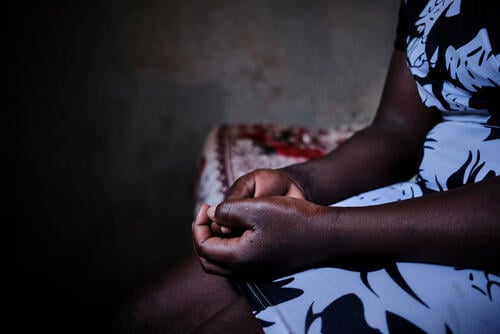
لا توجد إحصائيات تقدم صورة كاملة عن العنف الجنسي أو انتشاره. فالعار إذ يمنع الخوف والوصم والعديد من العقبات الأخرى عددًا غير معروف من الضّحايا من تلقي العلاج أو حتى السّعي للحصول عليه.
مع ذلك، فإنّ الحصول على رعاية طبيّة فوريّة بعد الاعتداء الجنسي أمر بالغ الأهميّة للحدّ من العواقب المحتملة.
في عام 2025، عالجت فرقنا أكثر من 82,800 من ضحايا العنف الجنسي؛ بزيادة قدرها 9,000 عن العام السابق.
حقائق سريعة

© Fiona Morris
01
الرّعاية الطبيّة أمر بالغ الأهمّية
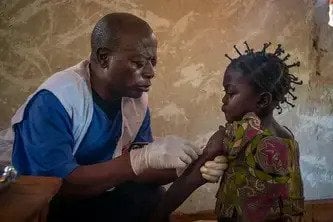
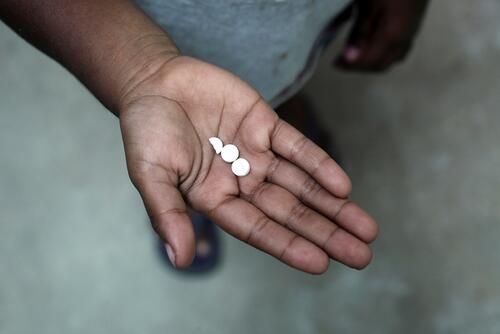
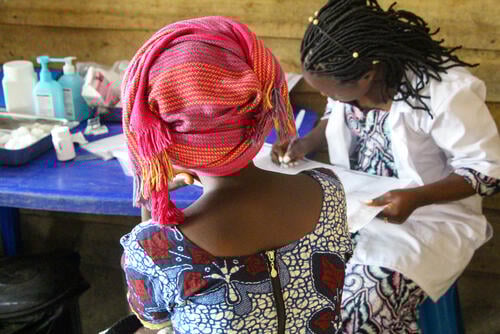
يتم إعطاء العلاج الوقائي بعد التعرضّ للاغتصاب للضّحايا في غضون 72 ساعة للوقاية من فيروس نقص المناعة البشرية في حالة التعرّض له. كما يجب إعطاء وسائل منع الحمل الطّارئة على الفور لتكون أكثر فعاليّة. تُعطى المضادات الحيويّة للوقاية من الأمراض المعدية المنقولة جنسياً مثل الزّهري والسيلان، إضافة للتّطعيم ضدّ الكزاز والتهاب الكبد من صنف ب. و يُعتبر علاج الإصابات الجسديّة و تقديم الدّعم النفسي أيضاً جزءاً من حزمة الرّعاية.
© Jodi Bieber
02
الرّجال ضحايا أيضا
ويشمل العنف الجنسي ضدّ الرجال والفتيان الاغتصاب والتعذيب الجنسيّ والاسترقاق الجنسيّ. ومن غير المرجّح أن يبلّغ الرجال والفتيان عن العنف الجنسي، مقارنة بالنساء، خوفا من الوصم، وبسبب المحرّمات الضّخمة حول هذا الموضوع. ونتيجة لذلك، يظل العنف الجنسي المرتكب ضد الرّجال غير مرئيّ بشكل خاصّ، و غير مبلّغ عنه. وتعتبر كيفيّة تلبية احتياجات الضّحايا من الذّكور تحدّيا خاصا بالنّسبة لنا.

03
في الحرب كما في السّلم
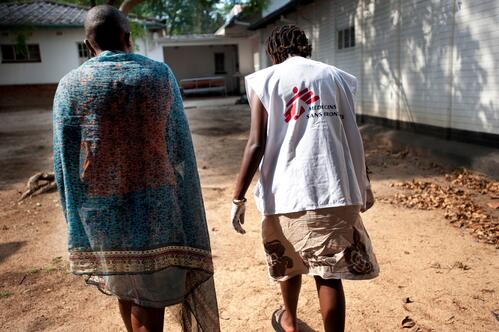
غالباً ما ينتشر الاغتصاب وغيره من أشكال العنف الجنسي في مناطق النزاع، حيث يمكن استخدامه لإذلال المجتمعات، ومعاقبتها، والسّيطرة عليها، وإيذائها، وإلحاق الهلع بها، وتدميرها. ويمكن أيضا أن تستخدم لمكافأة أو تعويض المقاتلين، لتحفيز القوات. لكنّ ملايين الأشخاص الذين يعيشون في سياقات مستقرة يتأثرون أيضاً بالعنف الجنسي. في هذه الحالات، يكون مرتكبو الجرائم في كثير من الأحيان من معارف الضحايا أو أفرادٍ من عائلاتهم.
04
التّحدّيات التي تواجه الرّعاية
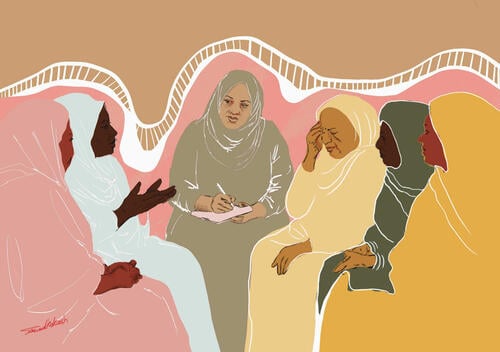
الرعاية الطبية أمر حاسم في ال 72 ساعة التّالية للاغتصاب لمنع انتقال فيروس نقص المناعة البشرية والحمل غير المرغوب فيه. وصمة العار والخوف من المعتدي ومن اكتشاف غيره لما جرى، هي بعض الأسباب التي قد تجعل الضّحايا يتردّدون في طلب الرّعاية وغالبا ما لا يسعون لمتابعة الرّعاية لاحقا. كثيرا ما تكون الوقاية من الحمل غير المرغوب فيه وإدارته مصدرَ قلقهم الأكبر، وهو جزء من الرّعاية التي تقدّمها منظمة أطباء بلا حدود. يسمح بمنع الحمل في حالات الطوارئ في جميع البلدان تقريبا. ومع ذلك، يُعتبر إنهاء الحمل - لأسباب متنوعة - أكثر تعقيدا.
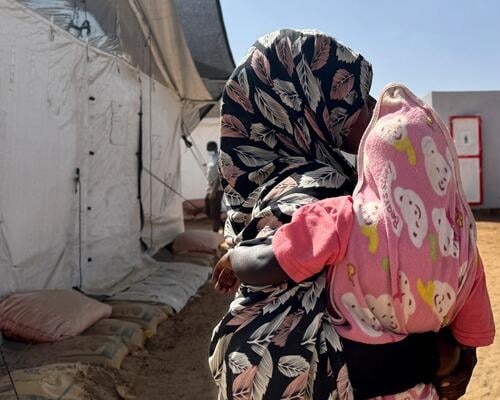
النزاع في السودان
تقرير أطباء بلا حدود يكشف عن عدم وجود مكان آمن للنساء والفتيات في دارفور
بيان صحفي
31 مارس/آذار 2026
هايتي
تقرير منظمة أطباء بلا حدود يوثق ارتفاعًا مقلقًا في العنف الجنسي في بورت أو برنس
بيان صحفي
30 يناير/كانون الثاني 2026
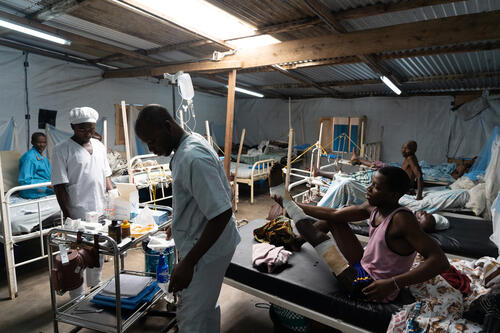
جمهورية الكونغو الديمقراطيّة
أطباء بلا حدود تقدم إحاطة لمجلس الأمن التابع للأمم المتحدة حول العنف المروع في جمهورية الكونغو الديمقراطية
خطاب
13 كانون الأول/ديسمبر 2025
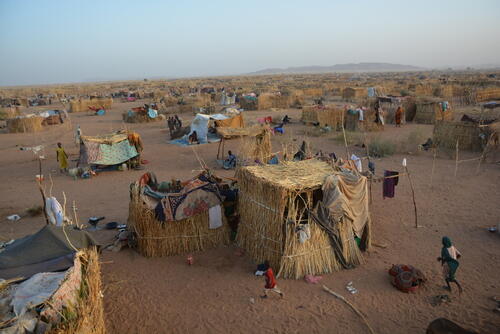
النزاع في السودان
تعرضت للاغتصاب بعد أن شهدت مقتل والدتها: يجب وضع حد للعنف الجنسي في دارفور
تحديث حول مشروع
26 سبتمبر/أيلول 2025

بابوا غينيا الجديدة
دعم ضحايا العنف والناجين منه في مرتفعات بابوا غينيا الجديدة
تحديث حول مشروع
22 يوليو/تموز 2025
جمهورية الكونغو الديمقراطيّة
العنف الجنسي يشكّل حالة طوارئ مستمرة في شرق جمهورية الكونغو الديمقراطية
بيان صحفي
12 يونيو/حزيران 2025
النزاع في السودان
العنف الجنسي في السودان: "ضربونا واغتصبونا هناك على الطريق في العلن"
بيان صحفي
28 مايو/أيار 2025
مواضيع ذات صلة

اصدارات طبيّة
الأبحاث العلميّة الطبيّة الميدانيّة
نقوم بإنتاج بحوث علميّة هامة على أساس خبرتنا الميدانية. قمنا بنشر مقالات في أكثر من 100 مجلة علميّة وغالبًا ما تساهم هذه المقالات والبحوث في تغيير الممارسة الطبيّة. اقرأ جميع المقالات المتعلقة بالأبحاث العلميّة الطبيّة الميدانيّة على موقعنا المخصص.
قم بزيارة موقعنا