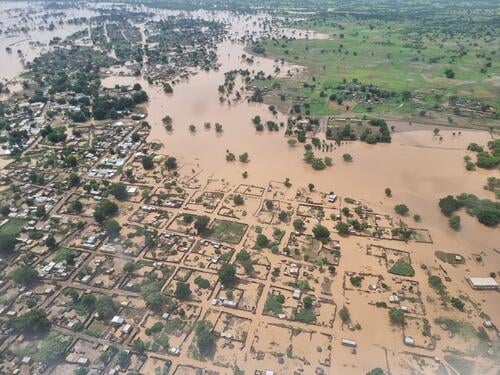
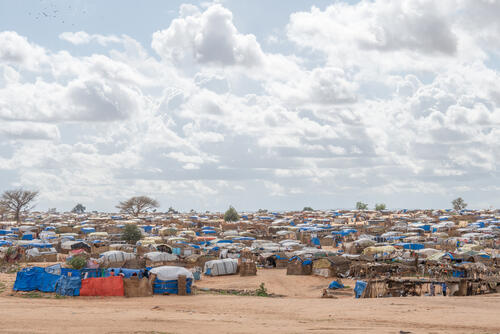
Shelters of refugees in the Adré transit camp, Chad.
© Ante Bussmann/MSF

أصوات من دارفور

Shelters of refugees in the Adré transit camp, Chad.
© Ante Bussmann/MSF
الحرب في غزة: اطّلع على استجابتنا
اقرأ المزيد

بعد مرور عام ونصف العام على بداية النزاع  في السودان، مازال اللاجئون يفرون إلى شرق تشاد بحثًا عن الأمان، حيث يصلون إلى المخيمات في ظروف مزرية، وحيث يعدّ الوصول إلى المياه النظيفة والصرف الصحي ومرافق الرعاية الصحية محدودًا. التقينا عزيز ويوسف وسلوى وأمينة لسماع قصصهم عن الفرار من منطقة دارفور في السودان والبقاء على قيد الحياة في شرق تشاد.
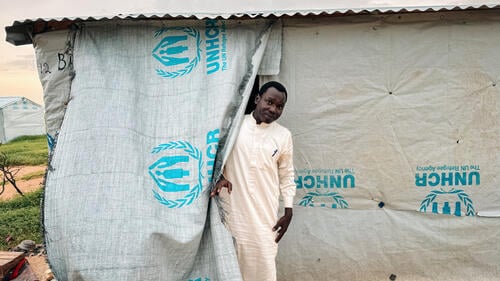
Aziz Adam, displaced from West Darfur

My family is incomplete here. My mom, my dad, seven of us siblings- there's nine of us in total. But the war separated us. Some of my family made it out of West Darfur, but the rest haven’t joined us yet. 

We fled in a state of panic, terrified of the war. We didn’t have time to take anything with us, and some of us even arrived barefoot. 

We walked 20 kilometres to get here, on foot. Along the way, we encountered Rapid Support Forces who threatened us. Some of the young men traveling with us were accused of belonging to the Masalit tribe. They were arrested and killed. We thought we would die too. I couldn’t imagine we’d survive.

The memories of fleeing stay with me. When I think about the tragedies, what pain we left behind, there’s no way I can go back.

But I hear some people say they would rather return to the war in Sudan than endure the hell we face in the camp.

I got here in July of last year, so it’s been almost a year, and now I’m 24 years old. Our situation is tragic. We left one difficult situation, only to find ourselves in an even worse one. 

We lack the basic necessities for living— drinking water and food. It’s been four or five months in Iridimi camp since we last received any food aid. 

Now, my family and I are desperate. We need education, healthcare, and a better future. But the reality we live in is bleak. I feel stuck, caught between Sudan, where the future is uncertain, and Chad, where I don’t belong.
Aziz Adam, displaced from West Darfur, Sudan. Chad, August 2024.
© Hareth Mohammed/MSF

عزيز آدم، نازح من ولاية غرب دارفور

عائلتي غير مكتملة هنا. نحن سبعة إخوة وأخوات أمي وأبي... مجموعنا تسعة أفراد. لكنّ الحرب فرقتنا. نجح بعض أفراد عائلتي في الخروج من غرب دارفور، لكن البقية لم ينضمّوا إلينا بعد.

هربنا في حالةٍ من الذعر، مرعوبين من الحرب. ولم يكن لدينا متسع من الوقت لأخذ أي شيء معنا، حتى أن بعضنا وصل حافي القدمين.

سرنا على الأقدام مسافة 20 كيلومترًا للوصول إلى هنا. وقد واجهنا على طول الطريق مجموعات من قوات الدعم السريع هدّدتنا. واتُّهم بعض الشباب الذين كانوا يسيرون معنا بالانتماء إلى قبيلة المساليت. فاعتُقلوا وقُتلوا. ظننّا بأننا سنموت أيضًا. لم أكن أتخيل بأننا سننجو.

لا تفارقني ذكريات هروبنا. وعندما أفكّر في المآسي والألم الذي خلّفناه وراءنا، فلا يمكنني العودة.

لكنني أسمع بعض الناس يقولون بأنهم يفضلون العودة إلى الحرب في السودان على تحمل الجحيم الذي نواجهه في المخيم.

لقد وصلت إلى هنا في يوليو/تموز من العام الماضي، أي مرّ عام تقريبًا، وأنا الآن في الرابعة والعشرين من عمري. وضعنا مأساوي. فقد تركنا وضعًا صعبًا لنجد أنفسنا في وضع أسوأ.

نفتقر إلى أساسيات الحياة من مياهٍ للشرب وطعام. وقد مرت أربعة أو خمسة أشهر في مخيم إريديمي منذ آخر مرة تلقينا فيها أية مساعدات غذائية.

والآن، أنا وعائلتي يائسون. فنحن بحاجةٍ إلى التعليم والرعاية الصحية ومستقبلٍ أفضل. لكنّ الواقع الذي نعيشه كئيب. أشعر بأنني عالقٌ بين السودان التي لا أعرف مستقبلها وتشاد التي لا أنتمي إليها.
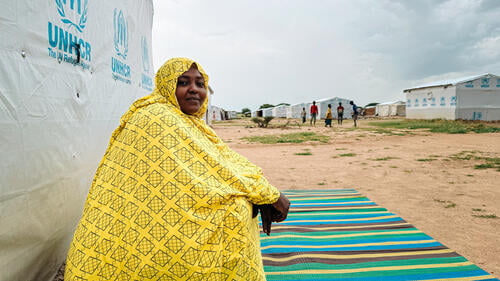
 Salwa Saleh, displaced from South Darfur

We used to live an urban life, but we’ve been displaced from our cities. It’s hard to accept living in a camp. And even some of my family members are still in Sudan. They always say they won’t leave because Sudan is their country. We all hope the war will end soon, we all want to return to our homeland.
The war took us by surprise. We left in such a rush that we didn’t have time to take any of our important belongings or memories. I left behind so many beautiful things in Nyala. My children lost their father; now they are orphans. To get here we had to journey from Nyala to Tina, and that usually takes two days. But it took us four. We passed through areas of fighting between the Rapid Support Forces and the Sudanese Armed Forces. It was terrifying and exhausting.
I’ve been in this camp for a year and two months. Living here, it’s like living in a house without walls or a fence. We still suffer from a lack of food, clean drinking water, proper education, hospitals, and medical care.
Before the war, we would go to work and return home to our children. We could easily meet our needs. But since the war started, life has become much more difficult. I hope for the day when life returns to normal, when we find security and stability. When our children can go back to their schools.
I hope for a better future for my children. When the war in Sudan ends, I dream of having the chance to travel, completing my education, learning new languages, and finding a job. I want to provide for my children and support my family.
Salwa Saleh, displaced from South Darfur, Sudan. Chad, August 2024.
© Hareth Mohammed/MSF

سلوى صالح، نازحة من ولاية جنوب دارفور

اعتدنا أن نعيش حياة حضرية، ولكنّنا نزحنا من مدننا. ويصعب علينا قبول العيش في مخيم. حتى أن بعض أفراد عائلتي لا يزالون في السودان. يقولون دائمًا أنهم لن يغادروا لأن السودان بلدهم. نأمل جميعًا أن تنتهي الحرب قريبًا، ونريد كلّنا العودة إلى وطننا.

لقد فاجأتنا الحرب. غادرنا في عجلةٍ من أمرنا لدرجة أنه لم يسعفنا الوقت لأخذ أيّ من ممتلكاتنا المهمة أو ذكرياتنا. تركت ورائي الكثير من الأشياء الجميلة في نيالا. فقد أطفالي والدهم، وباتوا الآن أيتامًا. كان علينا أن نسافر من نيالا إلى تينة لكي نصل إلى هنا، وعادةً ما يستغرق ذلك يومين. غير أنه استغرق منّا أربعة أيام. فقد مررنا عبر مناطق القتال بين قوات الدعم السريع والقوات المسلحة السودانية. وكان الأمر مرعبًا ومرهقًا.

أنا في هذا المخيم منذ سنة وشهرين. والعيش هنا أشبه بالعيش في منزلٍ بلا جدران أو سياج. ولا نزال نعاني من نقص الطعام ومياه الشرب النظيفة والتعليم المناسب والمستشفيات والرعاية الطبية.

كنّا نذهب قبل الحرب إلى أشغالنا ثم نعود إلى أطفالنا في المنزل. كان بإمكاننا تلبية احتياجاتنا بسهولة. لكنّ الحياة أصبحت أصعب بكثير منذ بدء الحرب. آمل أن يأتي اليوم الذي تعود فيه الحياة إلى طبيعتها، عندما نجد الأمن والاستقرار. عندما يتمكن أطفالنا من العودة إلى مدارسهم.

أتمنى مستقبلًا أفضل لأطفالي. وعندما تنتهي الحرب في السودان، أحلم بأن أحظى بفرصة السفر وإكمال تعليمي وتعلّم لغاتٍ جديدة وإيجاد وظيفة. أريد أن أتمكن من إعالة أطفالي ودعم أسرتي.
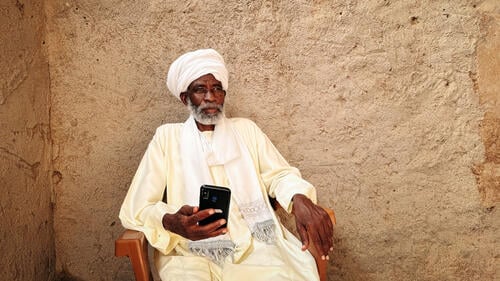
Youssef Mohamed, displaced from North Darfur

I think constantly, which makes it hard to sleep. My family is far away, the war is ongoing, and every day brings news of more deaths. I have my wife and two children, a boy and a girl, but they are all in Kabkabiya, about 156 kilometres west of El Fasher.
I’ve been here for about eight months, and I’m originally from North Darfur, 57 years old now. I came here to Iriba in East Chad coming from Adre, looking for work, but unfortunately, I couldn’t find a job. I left my family behind for this, so it’s difficult. My wife, my brothers, and sisters are scattered in different places. My children have been out of school for almost a year. They haven’t studied since last June. The war has destroyed everything.

I’ve been living with diabetes for 12 years. Before the war, I would go to Khartoum for treatment. I was in Khartoum when the war broke out. I spent a month there, then moved to Gezira State for five months before heading to El Fasher. Along the way, I faced harassment, beatings, threats, and humiliation from the armed forces.

As a diabetic, I need regular medical care, including eye, liver, and kidney tests every three months. But since coming here, I haven’t found any of these services. The treatment for diabetes is either too expensive or unavailable in Chad. I also need a specific diet, but here, things like vegetables and fruits are hard to find.
Before the war, I had my own office in the market and was the principal of a school. I used to grow beans, sesame, and maize, but the war disrupted all of that.
 Educating my children is the most important thing for me now, but they are still in Kabkabiya, and I don’t know their fate. Sometimes there are airstrikes, and I worry they might be hit because the area is at war.
My mother, brother, and sisters live in Shaqra, but even there, no place in Sudan is safe from the shells. I brought with me only a few photos of my children and family, as well as some teaching materials on flash drives.
I hope to return to Sudan. I want my children to go to school, for my family to be stable, and for Sudan to be better than it was before.
Youssef Mohamed, displaced from North Darfur, Sudan. Chad, August 2024.
© Hareth Mohammed/MSF

يوسف محمد، نازح من ولاية شمال دارفور

لا أكفُّ عن التفكير، وهو ما يُصَعّب عليّ النوم. عائلتي بعيدة عني، والحرب مستمرةٌ وتجلب معها كلّ يومٍ أنباء عن سقوط المزيد من القتلى. لديّ زوجة وطفلان، صبي وبنت، لكنّهم جميعًا في كبكابية التي تبعد حوالي 156 كيلومترًا غرب الفاشر.

أقيم هنا منذ حوالي ثمانية أشهر، وأنا في الأصل من شمال دارفور، وعمري الآن 57 عامًا. جئت من أدري إلى هنا إلى إريبا في شرق تشاد، باحثًا عن عمل، لكن للأسف لم أجد عملاً. تركت عائلتي من أجل ذلك، لذا فإن الأمر صعب. زوجتي وإخوتي وأخواتي مشتّتون في أماكن مختلفة. وأطفالي خارج المدرسة منذ عام تقريبًا. لم يدرسوا منذ يونيو/حزيران الماضي. لقد دمرت الحرب كلّ شيء.

أعاني من مرض السكري منذ 12 عامًا. كنت أذهب إلى الخرطوم لتلقي العلاج قبل الحرب. وقد كنت في الخرطوم عندما اندلعت الحرب. قضيت شهرًا هناك، ثم انتقلت إلى ولاية الجزيرة لمدة خمسة أشهر قبل أن أتوجه إلى الفاشر. تعرّضت طوال الطريق للمضايقات والضرب والتهديدات والإذلال من قِبل الجماعات المسلحة.

كوني مريضًا بالسكري، فإنني أحتاج إلى رعاية طبية منتظمة، بما في ذلك فحوصات العين والكبد والكلى كل ثلاثة أشهر. ولكن منذ قدومي إلى هنا، لم أجد أياً من هذه الخدمات. فعلاج السكري إمّا مكلف للغاية أو غير متوفر في تشاد. أحتاج أيضًا إلى نظامٍ غذائيّ محدّد، لكن يصعب العثور هنا على أشياء مثل الخضروات والفواكه.

كان لديّ قبل الحرب مكتبي الخاص في السوق وكنت مديرًا لمدرسة. كنت أزرع البقوليات والسمسم والذرة، لكن الحرب عطلت كل ذلك.

إن تعليم أطفالي أهم شيء بالنسبة لي الآن، لكنّهم ما زالوا في كبكابية ولا أعرف مصيرهم. تقع أحيانًا غارات جوية، وأخشى أن يتعرضوا للقصف لأن المنطقة في حالة حرب.

تعيش أمي وأخي وأخوتي وأخواتي في شقرة، ولكن حتى هناك، لا يوجد مكانٌ في السودان بمأمنٍ من القذائف. لم أحضر معي سوى بعض الصور لأطفالي وعائلتي، بالإضافة إلى بعض المواد التعليمية على وحدات ذاكرة مجمولة "فلاش".

آمل أن أعود إلى السودان. وأريد أن يذهب أطفالي إلى المدرسة، وأن تستقر عائلتي، وأن يكون السودان أفضل مما كان عليه من قبل.
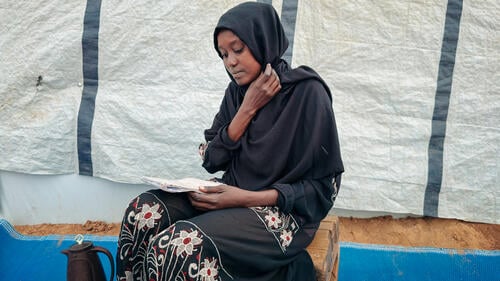
Amina Suleiman, displaced from Central Darfur

The war started in Zalingei, where I’m from, on 15 April 2023- the same day it started in Khartoum. We kept hoping it would end, but it didn’t. What I witnessed in Zalingei and during our displacement will never leave me. The memories are etched in my mind, and they haunt our children too. They are playing with sticks, pretending they have weapons. Children are living with the trauma of war.
In Sudan, we used to hide under beds to shield ourselves from the bombings. Those memories are painful, but here, we face even greater hardships. I’m 24 now, and I don’t know if I have a future. The children here, some are two or three years old, they deserve something better.
I’ve been living in this camp for a year and a month, since 4 August 2023. Life here is hard. We’ve only received financial aid five times since we arrived. And food and water are scarce. We normally get them every two days, but even sometimes it’s after waiting four days.
There are no jobs here, even for those of us who are educated. Our situation is critical. We're also facing a health crisis. There is no health centre in the camp. We don’t have specialist doctors for heart or eye diseases, and many are suffering, including women needing obstetric care. In our previous camp, that health centre didn’t have medicines.
We need psychological support. Many of us have lost family members to the war. People are missing, scattered across Sudan, or still in Darfur. The war has torn us apart, separating us from our loved ones. All of us here in the camp are missing someone.
If I had the choice, I’d rather return to Sudan, even if it meant dying there. That would be better than dying in this camp.
Amina Suleiman, displaced from Central Darfur, Sudan. Chad, August 2024.
© Hareth Mohammed/MSF

أمينة سليمان، نازحة من ولاية وسط دارفور

بدأت الحرب في زالنجي، مسقط رأسي، في 15 أبريل 2023، وهو اليوم ذاته الذي بدأت فيه الحرب في الخرطوم. ظللنا نأمل أن تضع الحرب أوزارها، لكنها لم تنتهِ. وما شهدته في زالنجي وأثناء نزوحنا لن يفارقني أبدًا. الذكريات محفورةٌ في ذهني، كما أنها تطارد أطفالنا. إذ أنهم يلعبون بالعصي، ويتظاهرون بأن لديهم أسلحة. فالأطفال يعيشون صدمة الحرب.

كنا نتوارى تحت الأسرّة لنحتمي من القصف في السودان. تلك الذكريات مؤلمة، لكننا نواجه هنا مصاعب أكبر. عمري الآن 24 عامًا، ولا أعرف إن كان لدي مستقبل. الأطفال هنا، بعضهم بعمر سنتين أو ثلاث سنوات، يستحقون أفضل من هذا.

أعيش في هذا المخيم منذ عام وشهر، منذ 4 أغسطس/آب 2023. والحياة هنا صعبة. فلم نحصل على مساعداتٍ مالية سوى خمس مرات منذ وصولنا. وهناك شحٌّ في الطعام والماء. إذ نحصل عليها عادةً كل يومين، لكن قد يطول ذلك إلى أربعة أيام في بعض الأحيان.

ما من وظائف هنا، حتى لأولئك المتعلمين منّا. ووضعنا حرج، كما أننا نواجه أزمة صحية. فلا يوجد مركزٌ صحي في المخيم ولا يوجد لدينا أطباء متخصصون في أمراض القلب أو العيون، ويعاني الكثير من الناس، بما في ذلك النساء اللواتي يحتجن إلى رعاية التوليد. ولم يكن لدى المركز الصحي في مخيمنا السابق أدوية.

نحن بحاجةٍ إلى الدعم النفسي. إذ فقد الكثير منا أفرادًا من عائلاتهم بسبب الحرب. وهناك أشخاص مفقودون أو مشتتون في جميع أنحاء السودان أو لا يزالون في دارفور. لقد مزقتنا الحرب وفصلتنا عن أحبائنا. كلّ واحد منا هنا في المخيم يفتقد شخصاً ما.

لو خُيّرت لفضّلتُ العودة إلى السودان، حتى لو كان ذلك يعني الموت هناك. سيكون ذلك أفضل من الموت في هذا المخيم.