


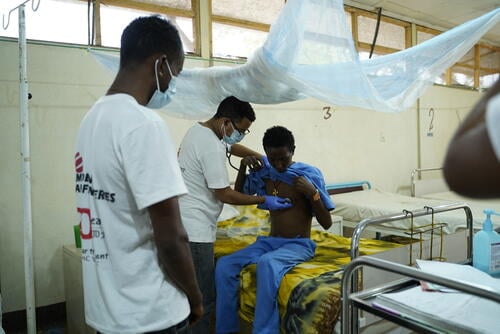
Kala azar, or visceral leishmaniasis, is the second deadliest parasitic disease in the world – only malaria kills more people.
A neglected tropical disease, kala azar is caused by a parasite, spread to humans through the bite of infected female sand flies. It attacks the immune system and is almost always fatal if not treated.
Also known as visceral leishmaniasis, kala azar is the most serious form of leishmaniasis and is endemic in 76 countries, with hundreds of millions at risk of infection. There are between 50,000 and 90,000 new cases a year, about 90 per cent of which occur in Brazil, Ethiopia, India, Kenya, Somalia, South Sudan and Sudan. Between 1989 and 2020, MSF teams treated nearly 150,000 people for kala azar; over a third in South Sudan.
Diagnosis and treatment of the disease, especially of the variety found in eastern Africa, can be complex and painful.
Featured
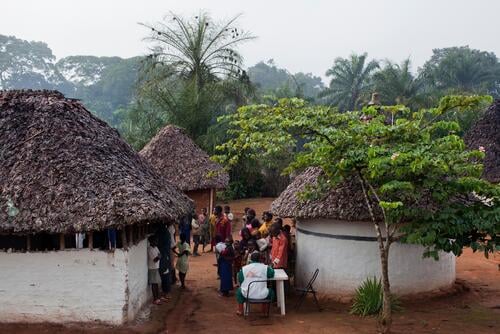
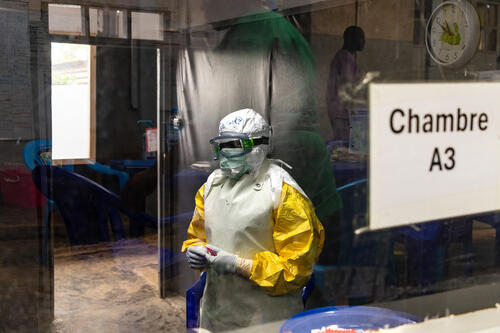
تفشي الإيبولا في الكونغو الديمقراطيّة
أطباء بلا حدود تطلق دراسة جديدة للقاح الإيبولا في جمهورية الكونغو الديمقراطية
بيان صحفي
22 Sep 2026
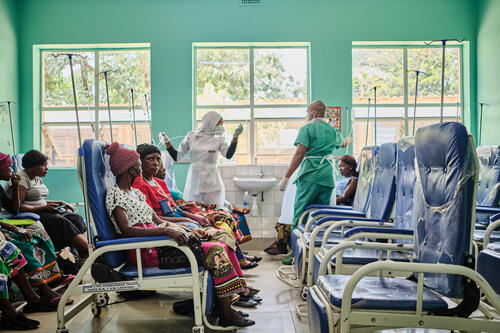
Non-communicable diseases
Delivering cancer care to women in humanitarian crises is possible
Press Release
21 Sep 2026
DRC Ebola outbreaks
MSF launches Ebola disease vaccination study among DRC frontline workers
Press Release
19 Sep 2026
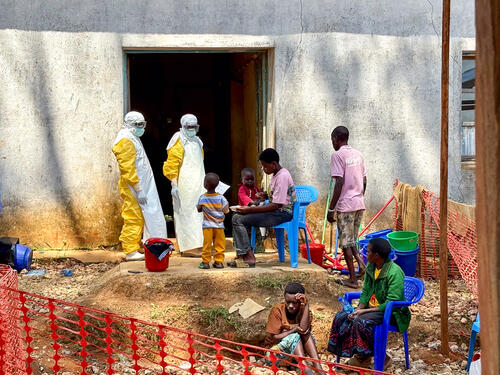
تفشي الإيبولا في الكونغو الديمقراطيّة
من الخطأ افتراض أن تفشي الإيبولا في جمهورية الكونغو الديمقراطية بات تحت السيطرة
بيان صحفي
18 Sep 2026
DRC Ebola outbreaks
Assuming the Ebola disease outbreak in DRC is under control would be a mistake
Press Release
18 Sep 2026
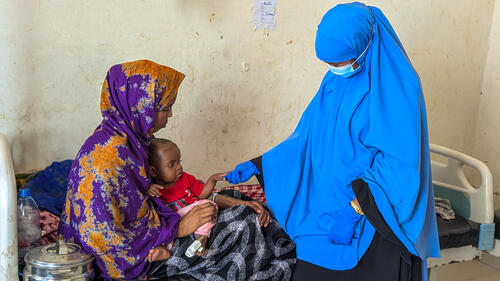
Somalia
Somalia: MSF calls for treatment for malnutrition to be restored across Mudug
Press Release
16 Sep 2026
اليمن
اليمن: تجدُّد القتال يفرض ضغطًا على النظام الصحي ويزيد من الاحتياجات الإنسانية
تحديث حول مشروع
15 Sep 2026
Yemen
Yemen: Renewed fighting puts pressure on the health system and increases people's humanitarian needs
Project Update
15 Sep 2026

اليمن
مع وصول النزاع إلى المخا، عمال الرعاية الصحية يواصلون العمل في المستشفى
أصوات من الميدان
11 Sep 2026
Yemen
As conflict engulfs Mocha, health workers keep hospital open
Voices from the Field
11 Sep 2026

Medical Resource
MSF Field Research
We produce important research based on our field experience. So far, we have published articles in over 100 peer-reviewed journals. These articles have often changed clinical practice and have been used for humanitarian advocacy. All of these articles can be found on our dedicated Field Research website.
Visit site