


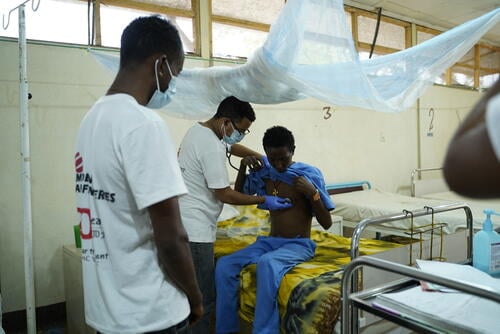
Kala azar, or visceral leishmaniasis, is the second deadliest parasitic disease in the world – only malaria kills more people.
A neglected tropical disease, kala azar is caused by a parasite, spread to humans through the bite of infected female sand flies. It attacks the immune system and is almost always fatal if not treated.
Also known as visceral leishmaniasis, kala azar is the most serious form of leishmaniasis and is endemic in 76 countries, with hundreds of millions at risk of infection. There are between 50,000 and 90,000 new cases a year, about 90 per cent of which occur in Brazil, Ethiopia, India, Kenya, Somalia, South Sudan and Sudan. Between 1989 and 2020, MSF teams treated nearly 150,000 people for kala azar; over a third in South Sudan.
Diagnosis and treatment of the disease, especially of the variety found in eastern Africa, can be complex and painful.
Featured
South Africa
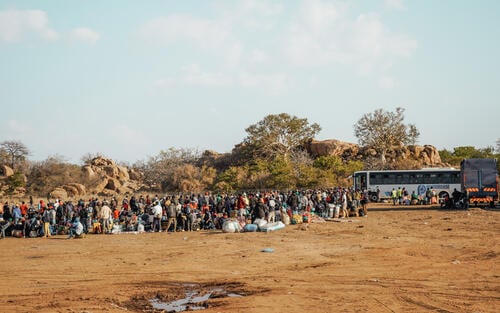
Anti-migrant violence triggers trauma and medical emergency on the South Africa-Zimbabwe border
Project Update
30 Jul 2026
Mediterranean migration
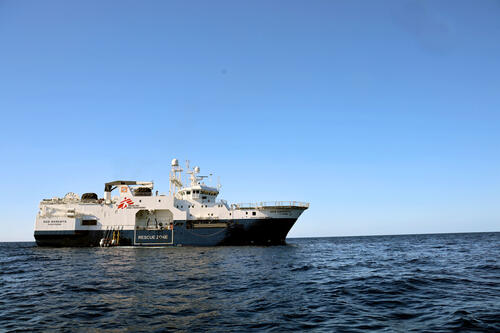
Three years, no decision: EU inaction while Italy’s rules obstruct sea rescues
Press Release
30 Jul 2026
باكستان
أطباء بلا حدود تحث الحكومة الباكستانية على حماية اللاجئين الأفغان من العودة القسرية
بيان صحفي
30 Jul 2026
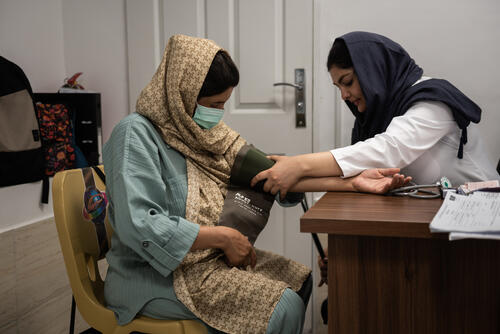
إيران
أطباء بلا حدود توسع نطاق الرعاية للمجتمعات المهمَّشة بعد ستة أشهر من الأزمة في إيران
تحديث حول مشروع
28 Jul 2026
Iran
MSF expands care for excluded communities in Iran as crisis continues
Project Update
28 Jul 2026
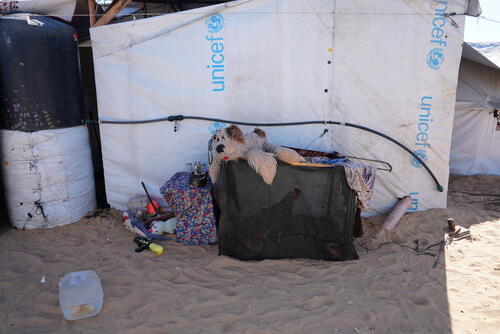
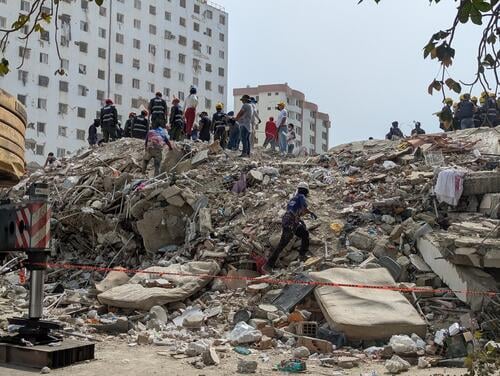
الكوارث الطبيعية
السكان بحاجة إلى دعم نفسي وطبي بعد مرور شهر على وقوع الزلازل في فنزويلا
تحديث حول مشروع
24 Jul 2026
Natural hazards
People need mental and medical help one month after the earthquakes in Venezuela
Project Update
24 Jul 2026
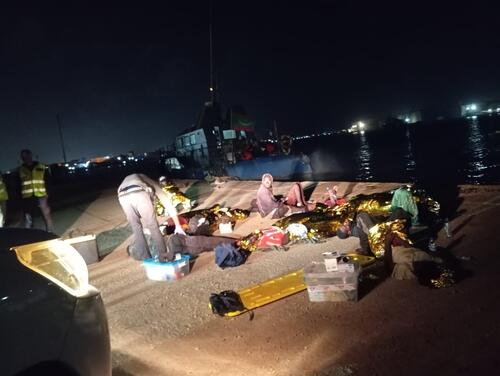
Mauritania
Urgent measures needed to prevent further deaths on deadly Atlantic migration route
Press Release
23 Jul 2026

Medical Resource
MSF Field Research
We produce important research based on our field experience. So far, we have published articles in over 100 peer-reviewed journals. These articles have often changed clinical practice and have been used for humanitarian advocacy. All of these articles can be found on our dedicated Field Research website.
Visit site