


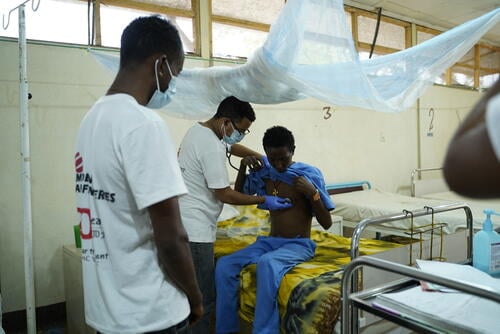
Kala azar, or visceral leishmaniasis, is the second deadliest parasitic disease in the world – only malaria kills more people.
A neglected tropical disease, kala azar is caused by a parasite, spread to humans through the bite of infected female sand flies. It attacks the immune system and is almost always fatal if not treated.
Also known as visceral leishmaniasis, kala azar is the most serious form of leishmaniasis and is endemic in 76 countries, with hundreds of millions at risk of infection. There are between 50,000 and 90,000 new cases a year, about 90 per cent of which occur in Brazil, Ethiopia, India, Kenya, Somalia, South Sudan and Sudan. Between 1989 and 2020, MSF teams treated nearly 150,000 people for kala azar; over a third in South Sudan.
Diagnosis and treatment of the disease, especially of the variety found in eastern Africa, can be complex and painful.
Featured
Rapport international d'activités 2025
Nous devons investir dans la lutte contre la résistance aux antimicrobiens pour sauver la vie et l'intégrité physique des individus dans les conflits
21 Aug 2026
فلسطين
الاحتياجات الطبية آخذة بالازدياد في الخليل بفعل العنف المتصاعد وتقييد الحركة
تحديث حول مشروع
21 Aug 2026
حرب غزة وإسرائيل
بيان بشأن قرار الجيش الإسرائيلي رفض فتح تحقيق جنائي في مقتل وإصابة موظفي أطباء بلا حدود
تصريح
21 Aug 2026
Gaza-Israel war
Statement on Israeli military’s decision to deny a criminal investigation into MSF killings and injuries
Statement
20 Aug 2026
جمهورية الكونغو الديمقراطيّة
جمهورية الكونغو الديمقراطية: تحذير من إهمال الطوارئ الصحية الأخرى في ظل تفشي مرض الإيبولا
تحديث حول مشروع
20 Aug 2026
Podcasts sur les prises de parole publiques de MSF
La série des podcasts sur les « prises de parole publiques de MSF » est basée sur la collection des études de cas du même nom. À l’instar des études, elle examine les contraintes, questionnements, dilemmes et controverses concernant les prises de parole publiques auxquels Médecins Sans Frontières a été confrontée au cours de son histoire.
Ceux-ci sont restitués à travers des extraits de documents d’archives et d'articles de presse. Des extraits d’entretiens avec les protagonistes de MSF éclairent également les analyses sur les positions prises à l’époque des événements.
Tous les podcasts
MSF Speaking Out
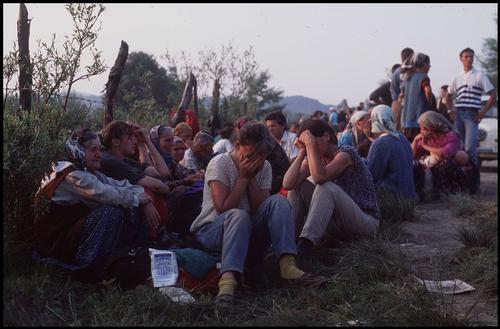
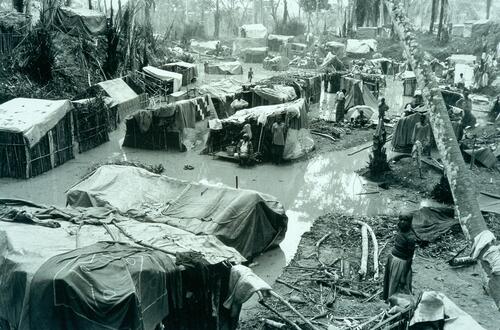
Podcast: The Hunting and Killing of Rwandan Refugees in Zaire-Congo 1996-1997
11 Aug 2026
Anchor Links
Headline
Podcasts sur les prises de parole publiques de MSF
Background
None
Schedule content for publication
Off
Description
La série des podcasts sur les « prises de parole publiques de MSF » est basée sur la collection des études de cas du même nom. À l’instar des études, elle examine les contraintes, questionnements, dilemmes et controverses concernant les prises de parole publiques auxquels Médecins Sans Frontières a été confrontée au cours de son histoire.
Ceux-ci sont restitués à travers des extraits de documents d’archives et d'articles de presse. Des extraits d’entretiens avec les protagonistes de MSF éclairent également les analyses sur les positions prises à l’époque des événements.
Ceux-ci sont restitués à travers des extraits de documents d’archives et d'articles de presse. Des extraits d’entretiens avec les protagonistes de MSF éclairent également les analyses sur les positions prises à l’époque des événements.
Thumbnail Image
Do not include into latest
On
Select caption
Short caption
Use a custom breadcrumb
No
Palestine
Escalating violence and movement restrictions continue to drive medical needs in Hebron
Project Update
20 Aug 2026
Ethiopia
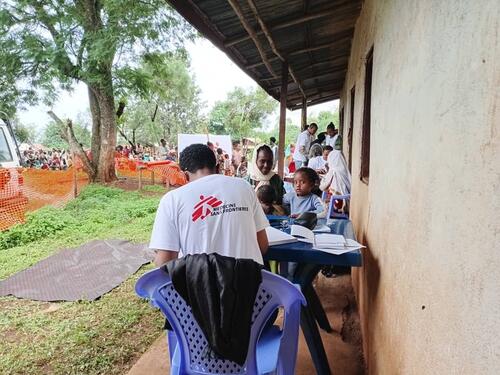
Ethiopia: MSF launches new healthcare programme in Oromia region
Project Update
20 Aug 2026
Speaking Out Podcasts
The MSF "Speaking Out" podcasts are adapted from the original Médecins Sans Frontières (MSF) Speaking Out Case Studies (SOCS). Like the case studies, the podcast examines the challenges and dilemmas surrounding speaking out. Each series offers an in-depth look into humanitarian dilemmas in a specific crisis through the narration of extracts from MSF documents and press archives to help establish the facts. Interviews with the main MSF protagonists at the time of the events also provide insight into, and personal analysis of, the positions adopted.
All Podcasts
MSF Speaking Out
Podcast: The Hunting and Killing of Rwandan Refugees in Zaire-Congo 1996-1997
11 Aug 2026
Anchor Links
Headline
Speaking Out Podcasts
Background
None
Schedule content for publication
Off
Description
The MSF "Speaking Out" podcasts are adapted from the original Médecins Sans Frontières (MSF) Speaking Out Case Studies (SOCS). Like the case studies, the podcast examines the challenges and dilemmas surrounding speaking out. Each series offers an in-depth look into humanitarian dilemmas in a specific crisis through the narration of extracts from MSF documents and press archives to help establish the facts. Interviews with the main MSF protagonists at the time of the events also provide insight into, and personal analysis of, the positions adopted.
Eyebrow
Thumbnail Image
Do not include into latest
On
Select caption
Short caption
Use a custom breadcrumb
No
هايتي
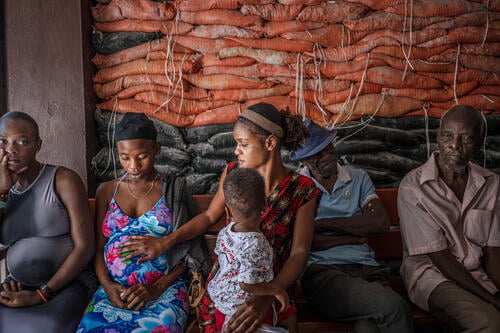
النساء يواجهن مخاطر جسيمة للوصول إلى خدمات الصحة الجنسية والإنجابية في بورت أو برنس
تحديث حول مشروع
19 Aug 2026
Haiti
Women risk their lives to reach sexual and reproductive healthcare in Port-au-Prince
Project Update
19 Aug 2026

Medical Resource
MSF Field Research
We produce important research based on our field experience. So far, we have published articles in over 100 peer-reviewed journals. These articles have often changed clinical practice and have been used for humanitarian advocacy. All of these articles can be found on our dedicated Field Research website.
Visit site