


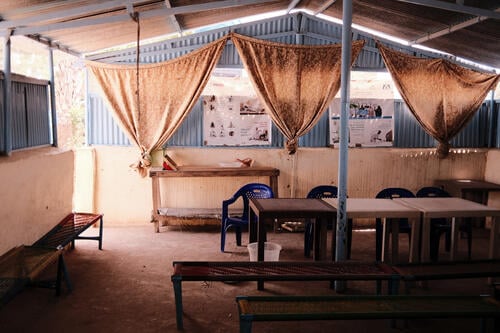
Massive cuts to humanitarian and global health assistance are hurting communities caught in crisis, while policy changes are excluding people from aid according to political agendas.
Extreme funding cuts and policy changes by the United States and other traditional donor countries are shrinking the resources available to respond to global health and humanitarian needs. In turn, this is deepening the neglect of millions of people affected by malnutrition, preventable and treatable diseases, conflict, forced displacement, and the climate emergency. Programmes focusing on the needs of women and girls, as well as marginalised communities, have been particularly affected.
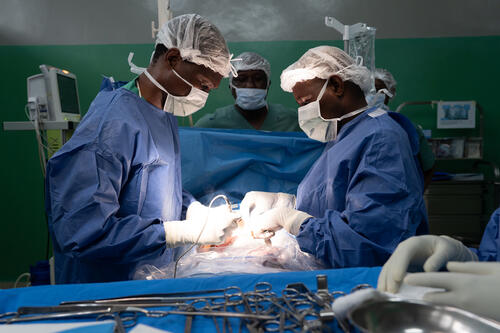
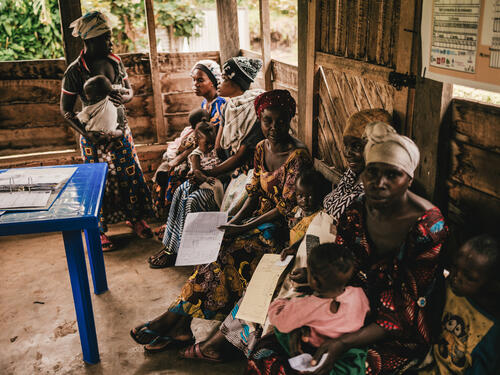
Our teams are witnessing shortages of therapeutic food, disruptions in the supply of vaccines, suspensions of sexual and reproductive health programmes, and interruptions in care for HIV and tuberculosis. We are seeing fewer aid organisations, with less capacity, responding to humanitarian emergencies, outbreaks of infectious diseases, and displacement crises. Meanwhile, ministries of health are losing access to critical supplies and technical support.
MSF is not directly financially impacted by government – including US government – or UN funding cuts. But our teams are dealing with the consequent supply shortages, higher costs, gaps in patient referrals and coordination, and rising patient numbers that come from other agencies’ cuts and closures. This has placed increased pressure on MSF services in several countries, including in Afghanistan, Bangladesh, Yemen, Ethiopia, Somalia, and Democratic Republic of Congo. While we are increasing and adapting our work, we cannot fill the enormous gaps left by aid cuts.
Global health and humanitarian assistance should be guided by needs and evidence, not political agendas.
Featured
Sudan
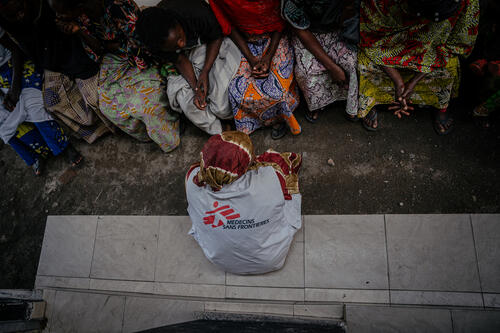
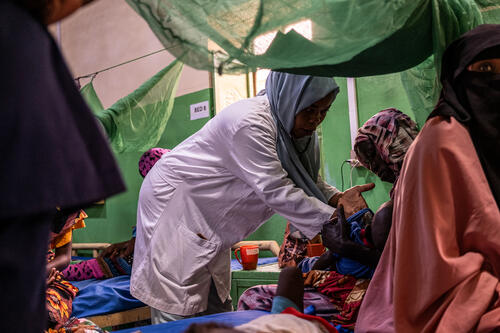
Aid cuts force mass clinic closures across Sudan, leaving millions without healthcare
Press Release
8 Sep 2026
Chad
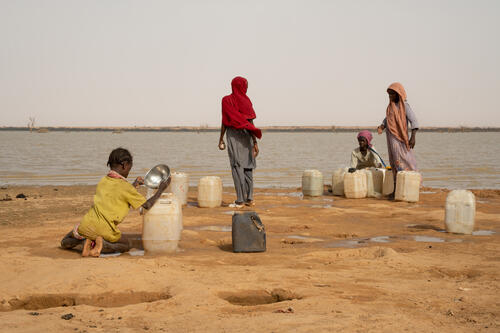
Sudanese refugees face the effects of humanitarian funding cuts in Ouré-Cassoni, Chad
Project Update
7 Sep 2026
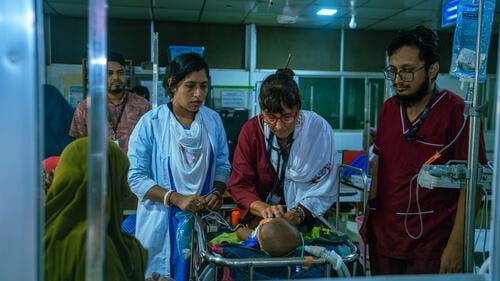
Bangladesh
Children arrive sicker, later, and harder to save at MSF’s Kutupalong hospital in Rohingya camps
Project Update
25 Aug 2026
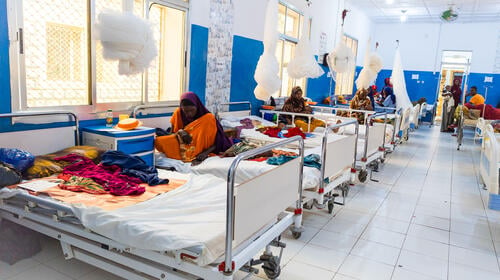
Somalia
Survey of displaced families in Baidoa finds every second child malnourished
Press Release
11 Aug 2026
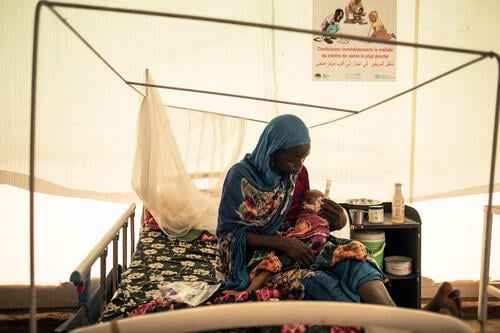
Chad
One in five pregnant women in eastern Chad are malnourished amid funding cuts
Press Release
30 Jul 2026
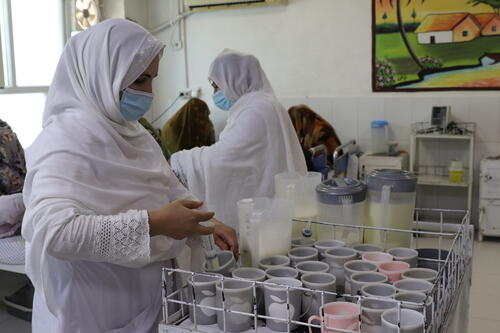
Afghanistan
Alarming rise in admissions of children with severe malnutrition in southern Afghanistan
Press Release
25 Jun 2026
Democratic Republic of Congo
DRC: Minova is on the brink of a healthcare crisis
Press Release
8 May 2026
Somalia
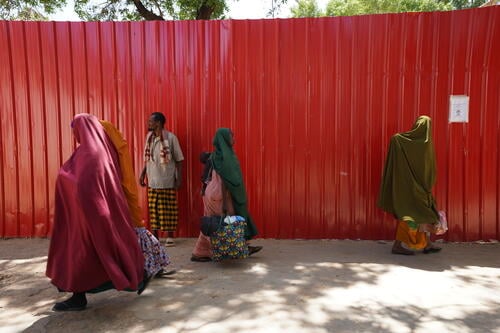
Walking for her life: the triple healthcare delay for women in Somalia
Voices from the Field
6 Mar 2026
United States of America
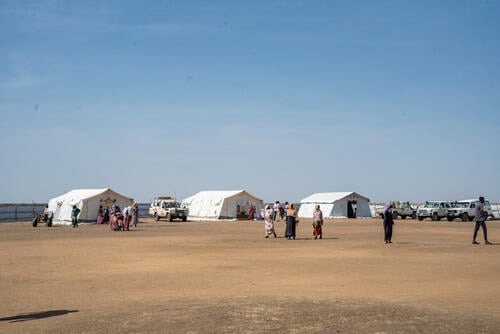
One year later: How US policies are reshaping global health and humanitarian aid
Press Release
21 Jan 2026
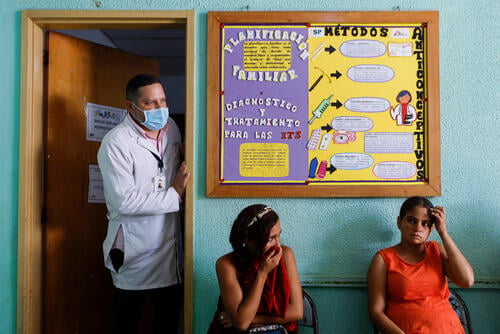
Women's health
US plan to destroy US$9.7 million of contraceptives is unconscionable
Press Release
29 Jul 2025

United States of America
What MSF teams see after first 100 days of US aid budget cuts
Press Release
25 Apr 2025