الحرب في غزة: اطّلع على استجابتنا
اقرأ المزيد
2202 Results
 
msf-placeholder
سوريا

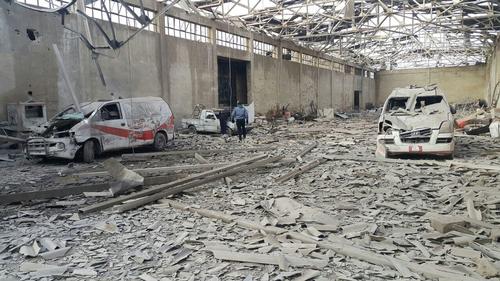
يجب السماح بعمليّات الإجلاء الطبي دون شروط أو قيود كما يجب السماح للمعدات والمستلزمات الطبيّة الوصول إلى الغوطة الشرقيّة المُحاصرة.

بيان حول الوضع الإنساني في الغوطة الشرقيّة بقلم الدكتور سعيد فليتي، نائب منسق عمليات أطباء بلا حدود في سوريا تصريح - 28 كانون الأول/ديسمبر 2017
 
أنشطة أطباء بلا حدود في سوريا
سوريا

حسب تقارير لأطباء بلا حدود، المساعدات الإنسانية لا تستجيب إلى ارتفاع احتياجات الرعاية الصحية لسكان جنوب سوريا

دعت منظمة أطباء بلا حدود إلى ضرورة زيادة المساعدات الإنسانية بشكل كبير للأشخاص الذين يعيشون جنوب سوريا. تقارير - 20 كانون الأول/ديسمبر 2017
 
Madhor
“Russian, Syrian… I don’t know. There were so many aeroplanes dropping bombs in those days in 2016,” says Madhor. A farmer from rural Hama governorate, in Syria, Madhor was sitting under an olive tree  with his seven children when a barrel bomb hit them, killing two of the children. He remembers the moment that the bomb dropped, but then he lost consciousness for three days. He awoke in a hospital in Hama to find he had lost an eye and his left leg was bloody and broken. “I just thought I would die,” says Madhor. “I also lost my teeth, and for three months I almost didn’t eat.” 
Madhor can now walk with crutches, but it remains painful. After multiple operations at MSF’s hospital in Amman, the intensive physiotherapy has had positive results: Madhor can now enjoy days away from the hospital visiting his wife Layla and their five remaining children in Jordan’s Azraq refugee camp. He can also walk the couple of hundred metres to the hopsital’s nearest mosque, for a calm moment of prayer in his ongoing recovery.
الأردن

4,500 مريض، 11 ألف تدخل جراحي، 10 سنوات من الرعاية الطبيّة في مستشفى أطباء بلا حدود للجراحة التقويميّة في العاصمة عمان

يعمل جراحو مستشفى الجراحة التقويميّة في عمان على رعاية ضحايا الصراعات في الشرق الأوسط الحاملين لجروح ناجمة عن انفجار القنابل والرصاص والشظايا والحروق. تحديث حول مشروع - 20 كانون الأول/ديسمبر 2017
 
Young girls Elyes and Diana fix each other's hair before posing for a portrait in their tenement home near Smokey Mountain, Manila. Both girls are recipients of free vaccinations from Likhaan clinic, which provides free healthcare for low income communities.
قصة مصورة

2017: عامٌ في صور

تعيد مجموعة "صور العام" الصادرة عن منظمة أطباء بلا حدود النظر في عام تم خلاله تقديم ‏الرعاية الطبية في ظروف وسياقات قاسية وذلك في جميع أنحاء العالم، وتتذكر منظمة أطباء بلا ‏حدود من خلال عدسة مصوريها الصحفيين وتشيد بكل من عانى وثابر ولقي حتفه.‏ قصة مصورة - 18 كانون الأول/ديسمبر 2017
 
Din Savorn, 50, receives a blood test from MSF laboratory technician Sokchea Yan, at the MSF Hepatitis C clinic at Preah Kossamak Hospital in Phnom Penh, Cambodia, 20, April 2017.
الحصول على الأدوية

من أجل الدفع نحو خفض أسعار الأدوية، أطباء بلا حدود ترفع دعوى طعن بطلب ’غيلياد‘ للحصول على براءة اختراع التهاب الكبد C في الصين

قامت ’غيلياد‘مؤخراً بإطلاق أحد هذه الأدوية بسعر 100 دولار للحبة الواحدة في الصين بيان صحفي - 15 كانون الأول/ديسمبر 2017
 
The female inpatient department at MSF cholera treatment center in Khamer. MSF is receiving an increased number of cholera patients in Yemen since the beginning of May 2017. This cholera treatment center alone, treated more than 1200 patients in less than two weeks. The center is still receiving patients.
اليمن

من الكوليرا إلى مرض الخناق، تهديد جديد أمام النظام الصحي المنهار في اليمن

على الرغم من انخفاض عدد حالات الكوليرا في اليمن، إلا أن الحرب الدائرة والحصار المستمر يفرضان خطراً جديداً على صحة اليمنيين مع احتمال تفشي مرض الخناق. تصريح - 12 كانون الأول/ديسمبر 2017
 
Conditions of life for Rohingya children at the refugee camps in Bangladesh are grim.
أزمة اللاجئين الروهينغا

من بينهم 730 طفلا تحت سن الخامسة، 6700 شخص من الروهينغا لقوا حتفهم خلال الهجمات في ميانمار

قدّرت الإحصائيات التي عملت عليها منظمة أطباء بلا حدود بتجمعات اللاجئين في بنغلاديش أن 9,000 من أفراد الروهينغا على الأقل قد ماتوا في ميانمار، بين يومي 25 أغسطس/آب و24 سبتمبر/أيلول. بيان صحفي - 12 كانون الأول/ديسمبر 2017
 
Ms Marie-Josée Yakité, MSF midwife at the Castors HRUB since 2014

"I’ve been working here with MSF at Castors since 2014. For 20 years, I worked at Castors before the arrival of MSF, and also at the Hôpital de l’Amitié – a big hospital in Bangui, the capital of the Central African Republic.
We often look after patients who can’t get treatment elsewhere because they don’t have the money. People know that here we offer quality care to everyone, free of charge. In health centres that are not managed by international organisations like MSF, you have to pay for everything. If a patient can’t pay, they send them here. I remember one lady who was referred to us from one of the main hospitals in Bangui. This woman had already been monitored for pre-eclampsia. When the medical staff realised that there was foetal distress, they referred her to us. Not because the hospital couldn’t treat this kind of complication – it was just a matter of money.
In the health centres where patients have to pay for their care, when women arrive in labour, the staff make an assessment of all the tests and the procedures that need to be performed, and an estimate of how much it will cost. And then they make them pay. And if they realise that the woman doesn’t have the money, and that she needs treatment she can’t afford, they prefer to refer her here at Castors because we don’t ask for any money for our services.
We also have women who show up here ready to give birth, but who, for lack of money, have not had any prenatal examinations or tests, for syphilis, toxoplasmosis or HIV for example. We see this very often, especially women who are HIV-positive. These women come to us in labour, without having had a prenatal HIV test. And in theory this test should be free, as it is covered by the Global Fund. Yet sometimes they force women to pay for a whole raft of prenatal tests and they refuse to do the HIV test if the women don’t do the other tests, for which they have to pay. They ask them to pay for the medical supplies, the gloves, the health card, everything.
Because of these financial questions, some people refuse to go to hospital. They prefer to stay at home and rely on traditional medicine. Not long ago, we treated a young woman of 19 who had taken traditional oxytocics. She wanted to give birth at home, she didn’t want to go to a health centre because she didn’t have the money to pay. But the dose of the medicine she took was too high – she ruptured her uterus and her baby died. When the family saw she had suffered a haemorrhagic shock, she was taken to the health centre near her home, which then referred her here to Castors. By the time she came here, three days had already passed. Luckily we managed to save her, but we had to carry out a hysterectomy. She already has a healthy child, but sadly for her, she can’t have any more.
It’s the referrals from other health centres that are the most complicated. Very often, these women come to us in a very serious condition. Sometimes they bring us a woman on the back of a motorbike, and she dies before making it to the door. I suspect that sometimes the health centres keep patients longer than they should in the hope that they might still squeeze something out of them. I tell all the women to come here to Castors as soon as they feel their first labour pains. Here we have qualified staff who can guarantee high-quality care to all patients, irrespective of who they are and where they come from."
الحصول على الرعاية الصحيّة

8 أسباب تجعل من الرسوم والمعاليم المفروضة لاستخدام الخدمات الصحيّة خطر على حياة وصحة الناس

عندما لا يكون لدى المرضى الامكانيات الماليّة الكافية لدفع رسوم الرعاية الصحيّة الرسمية أو غير الرسمية، فإنهم يتأخرون عن تلقي الرعاية ولا يتم التعامل مع حالاتهم الطبية في الوقت المناسب. وهو ما يمكن أن يؤدي إلى الوفاة أو المضاعفات الناجمة عن الأمراض التي يمكن علاجها مثل الملاريا. يمكن أن يحدث هذا أيضا حتى عندما يتم طلب مبالغ صغيرة. تحديث حول مشروع - 11 كانون الأول/ديسمبر 2017
 
For more than a year, civil servants salaries haven’t been paid in Yemen. Despite this, many health workers continue to bear their duties despite growing difficulties. Emergency room of the Al Koweit university hospital in Sana’a - Yemen.
اليمن

"مجرّد العيش أصبح أكثر صعوبة"

تحكي مُنية خالد، مشرفة برنامج المياه والصرف الصحّيّ لدى منظمة أطباء بلا حدود في اليمن ما شاهدته من تردي الوضعيّة المعيشيّة في اليمن خلال العامين ونصف. أصوات من الميدان - 11 كانون الأول/ديسمبر 2017
 
MSF staff distributing water to people who’ve been internally displaced by fighting in Zemio, CAR. They were among 7,000 people who have sought shelter at the local hospital.  
Just weeks after this photo was taken, On Tuesday 11 July, two armed men arrived at Zemio hospital in the southeastern region of CAR.
The men threatened a family, one member of which had been a patient two weeks earlier but had been unable to leave the premises due to ongoing violence. As three members of the family – including a woman holding her baby – attempted to seek cover, the armed men shot at them, striking the child in the head and killing her instantly. A month later, another armed group opened fire in the hospital. Thousand fled into the surrounding bush and across the border to DRC. The site now sits vacant and MSF has ceased its operations in the area, with no patients to treat and the safety situation for our staff remaining precarious.
جمهورية إفريقيا الوسطى

"لم يبقَ أحد في زيميو إلا الذين لم يتمكنوا من الهروب"

أدّت الاعتداءات التي وقعت في مدينة زيميو، جنوب شرق جمهورية إفريقيا الوسطى، إلى إغلاق المستشفى وأجبرت سكان المدينة، بما في ذلك طواقم منظمة أطباء بلا حدود، على مغادرة المدينة. أصوات من الميدان - 9 كانون الأول/ديسمبر 2017