Survivor of Torture COVID testimony
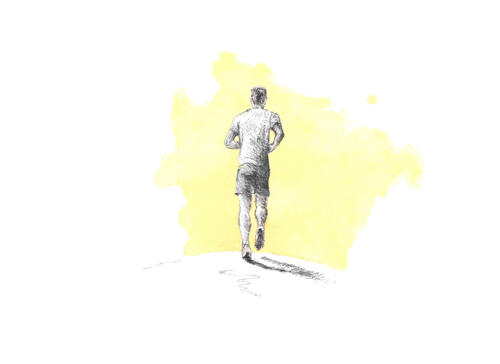
رسم توضيحي لإحدى آليات التأقلم مع الضغط النفسيّ: ممارسة التمارين الرياضية. فريدريك، أحد الناجين من التعذيب يعيش في مخيم للاجئين في اليونان، يستخدم مهارات البقاء على قيد الحياة التي تعلمها أثناء تعافيه من التعرض للتعذيب كي يتعامل مع الضغط النفسيّ الناتج عن جائحة كوفيد-19.

استخدام مهارات البقاء على قيد الحياة للتغلب على الضغط النفسي لجائحة كوفيد-19

رسم توضيحي لإحدى آليات التأقلم مع الضغط النفسيّ: ممارسة التمارين الرياضية. فريدريك، أحد الناجين من التعذيب يعيش في مخيم للاجئين في اليونان، يستخدم مهارات البقاء على قيد الحياة التي تعلمها أثناء تعافيه من التعرض للتعذيب كي يتعامل مع الضغط النفسيّ الناتج عن جائحة كوفيد-19.
الحرب في غزة: اطّلع على استجابتنا
اقرأ المزيد

فريدريك ناجي من التعذيب يعيش في مخيم للاجئين في اليونان، يروي قصته في التعامل مع خطر فيروس كورونا كوفيد-19 ويلخّص معاناة اللاجئين في الوقاية من الإصابة في المخيمات المكتظة.

فريدريك*، أحد الناجين من التعذيب يعيش في مخيم للاجئين في اليونان، تحدث إلى منظمة أطباء بلا حدود حول تأقلمه مع الضغط النفسيّ المتأتّي من الإغلاق العام وخطر الإصابة بكوفيد-19 باستخدام مهارات البقاء على قيد الحياة التي تعلمها أثناء تعافيه من التعرض للتعذيب.

"في بداية معركة فيروس كورونا هذه، اعتقدت أنها ستنتهي في غضون أسبوع أو أسبوعين. ولكن بعد معرفة المزيد عن المرض وكيفية انتشاره، أدركت أنه أكثر خطورة مما كنت أعتقد. 

ارتفع عدد الوفيات بين عشية وضحاها. لم أشهد أمراً كهذا وقد سبب لي الكثير من التوتر. وعندما بلغت حصيلة الوفيات اليومية بين 600-700 شخص في إيطاليا وإسبانيا، كان لذلك أثرُ نفسي عليّ. أذكر أنني اضطررت للتحدث مع طبيبي النفسي لأنني كنت خائفًا حقًا.

سمعتُ قصصاً عن أشخاص كانوا بصحة جيدة ذات يوم، وفي اليوم التالي ماتوا. كما كان الأطباء والعاملون في الرعاية الصحية أيضًا يقعون ضحية للمرض الذي يبدو أنه يدمر كل شيء في طريقه.

كنت قد تعرضتُ للتعذيب قبل مغادرة بلدي وعبور البحر. أستخدم تجربتي السابقة لمساعدتي في التعامل مع تفشي فيروس كورونا. فريديريك، أحد ضحايا التعذيب ولاجئ في اليونان
“I’d already experienced torture before leaving my country and crossing the sea. I’m using my past experience to help me deal with the pandemic”

Frederic*, who lives in a shared container in a Greek refugee camp, spoke to MSF about how he is coping with lockdown and the threat of COVID-19.


“At the start of this coronavirus saga, I thought it’d be all over within a week or two. But after finding out more about the disease and how it was spreading, I realised it was much more serious than I’d thought.

The death toll soared overnight. I hadn’t seen it coming and it caused me a lot of stress. When the number of deaths reached 600-700 in Italy and Spain each day, it took a psychological toll on me. I remember having to talk with my psychologist because I was really scared. 

I heard stories of people who were in good health one day and by the next day they were dead. Doctors and health workers, too, were falling victim to the disease, which seemed to destroy everything in its path.
 
Then the Greek government announced the lockdown. I had to stay in and stop work – my boss asked all of us to stop working. I realised then that the disease would have a real impact on me. I spent a lot of time just thinking about the disease – when it would end, whether I and people close to me would die in the pandemic.

I was thinking about it more and more. A lot of bad thoughts started popping up in my head and I had a lot of flashbacks. I’d suffered enough already and now it seemed the suffering would start again. I wondered how I’d escape it this time. 

I’d already experienced torture before leaving my country and crossing the sea. I’d already experienced a time when I was really sick and worried about my future. I went through this and then, thanks to God, after a long period of medical treatment, I recovered.  

When I recovered, I said to myself that I would use my past experience to help me deal with the pandemic. I realised that the difficulties I had been through in the past were bigger than this pandemic. This is how I convinced myself that the lockdown was no reason to stop me getting through this.

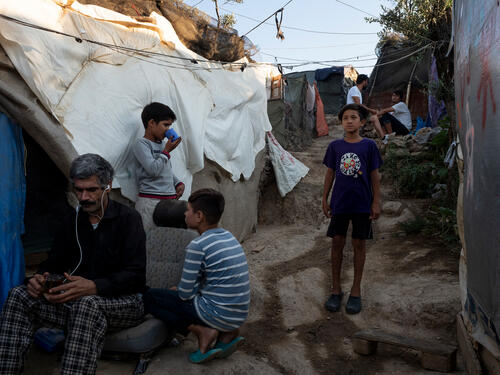
The only time that fear fills me is when I’m confined in my container. In the camp we live five or six to a container. I know that I can’t stop people coming in to see my room-mate and I have no choice but to gesture to people to keep away. But that's all I do.  


We have no alternative – this is the only space we have to live. At the same time, we’re aware that there are other people in even greater need – people who have even less space – so we have to make the most of the limited space we have. 

I feel lucky that at least I’m in a camp, with a place to live. We also have a stadium where we can exercise. So I’m in a better position than people confined in apartments with no space to exercise. 

I’m in a recovery process as my knee was injured back in my country. My medical consultation is currently interrupted due to this situation, but my doctor calls me often to check how I’m doing. 

I know that the whole planet is experiencing the same thing, but what’s different for us, as refugees, is that our living conditions, combined with the lockdown and the threat of the virus, impose a double stress. 


It's difficult not having people you can talk to. When you don't have people around you that you trust, it's not easy to relax. My psychologist, Zoe, is one of the few people I can really talk to. Since the lockdown started, I’ve talked with her most weeks. 

I’d like to thank all the MSF staff for the help they give us because it’s not easy, really. You can't imagine the difference it makes to have this support.”

*Names have been changed
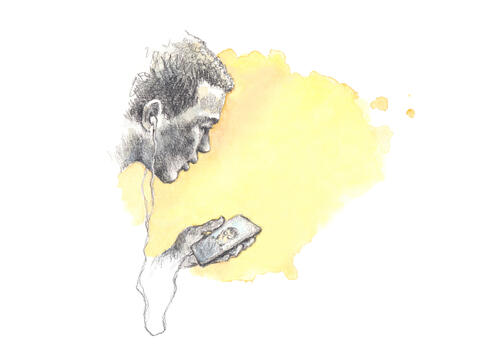
رسم توضيحي لإحدى آليات التأقلم مع الضغط النفسيّ: التحدث إلى اختصاصية نفسية في فريق أطباء بلا حدود. فريدريك، أحد الناجين من التعذيب يعيش في مخيم للاجئين في اليونان، يستخدم مهارات البقاء على قيد الحياة التي تعلمها أثناء تعافيه من التعرض للتعذيب كي يتعامل مع الضغط النفسيّ الناتج عن جائحة كوفيد-19.
Carole Isler

ثم أعلنت الحكومة اليونانية عن الإغلاق العام. كان علي أن أبقى في البيت وأتوقف عن العمل – طلب مديري من الجميع أن نتوقف جميعًا عن العمل. أدركت حينها أن المرض سيكون له تأثير حقيقي عليّ. أمضيتُ الكثير من الوقت في التفكير في المرض – متى يمكن أن ينتهي، ما إذا كنت أنا والأشخاص المقربين مني سنموت في هذا التفشي.

كنت أفكر في الأمر أكثر فأكثر. بدأتْ الكثير من الأفكار السيئة تظهر في رأسي وكنتُ أسترجع الكثير من ذكريات الماضي. لقد عانيتُ بما يكفي بالفعل، والآن يبدو أن المعاناة ستبدأ من جديد، وتساءلتُ كيف سأهرب من المعاناة هذه المرة.

كنتُ قد تعرضتُ للتعذيب قبل مغادرة بلدي وعبور البحر. لقد مررتُ بوقتٍ كنتُ فيه مريضًا وقلقًا بشأن مستقبلي. مررتُ بذلك كله وبعد ذلك، ولله الفضل، تعافيتُ بعد فترة طويلة من العلاج الطبي.

عندما تعافيتُ، قلت لنفسي إنني سأستخدم خبرتي السابقة لمساعدة نفسي في التعامل مع تفشي فيروس كورونا. أدركتُ أن الصعوبات التي مررتُ بها في الماضي كانت أكبر من هذا الوباء. وهكذا أقنعتُ نفسي بأن الإغلاق العام لم يكن سببًا يمنعني من تجاوز هذا الأمر.

في المخيم نعيش خمسة أو ستة أشخاص في كل وحدة سكنية. أعلم أنه لا يمكنني منع الناس من القدوم لرؤية رفيقي في الغرفة ... لا يوجد لدينا بديل – هذه هي المساحة الوحيدة التي يجب أن نعيش فيها. فريديريك، أحد ضحايا التعذيب ولاجئ في اليونان

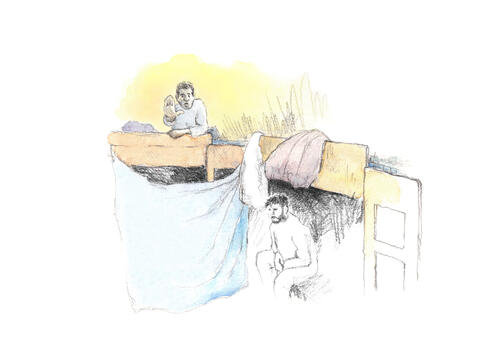
الوقت الوحيد الذي يملأني الخوف فيه هو عندما أكون محبوسًا في الوحدة السكنية التي أعيش فيها. إذ نعيش في المخيم كلُّ خمسة أو ستة أشخاص في وحدة سكنية واحدة. أعلم أنه لا يمكنني منع الناس من القدوم لزيارة رفيقي في الغرفة، وليس لدي خيار سوى الإيماء للأشخاص بالابتعاد. ولكن هذا كلّ ما أفعل.

ليس لدينا أي بديل – هذه هي المساحة الوحيدة التي يجب أن نعيش فيها. وفي الوقت ذاته، نحن ندرك أنه ثمة أشخاص آخرون في حاجة أكبر – أشخاص لديهم مساحة أقل – لذا علينا الاستفادة بأقصى حد ممكن من المساحة المحدودة المتوفرة لدينا.

أشعر بأنني محظوظ لأنني على الأقل أقيم في مخيم، ولدي مكان لأعيش فيه. لدينا أيضًا ملعب حيث يمكننا ممارسة الرياضة. لذا، أنا في وضع أفضل من الأشخاص المحبوسين في شقق بلا مساحة لممارسة الرياضة.
“I’d already experienced torture before leaving my country and crossing the sea. I’m using my past experience to help me deal with the pandemic”

Frederic*, who lives in a shared container in a Greek refugee camp, spoke to MSF about how he is coping with lockdown and the threat of COVID-19.


“At the start of this coronavirus saga, I thought it’d be all over within a week or two. But after finding out more about the disease and how it was spreading, I realised it was much more serious than I’d thought.

The death toll soared overnight. I hadn’t seen it coming and it caused me a lot of stress. When the number of deaths reached 600-700 in Italy and Spain each day, it took a psychological toll on me. I remember having to talk with my psychologist because I was really scared. 

I heard stories of people who were in good health one day and by the next day they were dead. Doctors and health workers, too, were falling victim to the disease, which seemed to destroy everything in its path.
 
Then the Greek government announced the lockdown. I had to stay in and stop work – my boss asked all of us to stop working. I realised then that the disease would have a real impact on me. I spent a lot of time just thinking about the disease – when it would end, whether I and people close to me would die in the pandemic.

I was thinking about it more and more. A lot of bad thoughts started popping up in my head and I had a lot of flashbacks. I’d suffered enough already and now it seemed the suffering would start again. I wondered how I’d escape it this time. 

I’d already experienced torture before leaving my country and crossing the sea. I’d already experienced a time when I was really sick and worried about my future. I went through this and then, thanks to God, after a long period of medical treatment, I recovered.  

When I recovered, I said to myself that I would use my past experience to help me deal with the pandemic. I realised that the difficulties I had been through in the past were bigger than this pandemic. This is how I convinced myself that the lockdown was no reason to stop me getting through this.

The only time that fear fills me is when I’m confined in my container. In the camp we live five or six to a container. I know that I can’t stop people coming in to see my room-mate and I have no choice but to gesture to people to keep away. But that's all I do.  


We have no alternative – this is the only space we have to live. At the same time, we’re aware that there are other people in even greater need – people who have even less space – so we have to make the most of the limited space we have. 

I feel lucky that at least I’m in a camp, with a place to live. We also have a stadium where we can exercise. So I’m in a better position than people confined in apartments with no space to exercise. 

I’m in a recovery process as my knee was injured back in my country. My medical consultation is currently interrupted due to this situation, but my doctor calls me often to check how I’m doing. 

I know that the whole planet is experiencing the same thing, but what’s different for us, as refugees, is that our living conditions, combined with the lockdown and the threat of the virus, impose a double stress. 


It's difficult not having people you can talk to. When you don't have people around you that you trust, it's not easy to relax. My psychologist, Zoe, is one of the few people I can really talk to. Since the lockdown started, I’ve talked with her most weeks. 

I’d like to thank all the MSF staff for the help they give us because it’s not easy, really. You can't imagine the difference it makes to have this support.”

*Names have been changed
رسم توضيحي لفريديريك، أحد الناجين من التعذيب يعيش في مخيم للاجئين في اليونان، يحاول ضمان التباعد الاجتماعي عن الآخرين في مأواه في مخيم للاجئين في اليونان خلال تفشي مرض كوفيد-19.
Carole Isler

إنني اليوم في مرحلة التعافي من إصابة في ركبتي إثر ما قاسيتُه في بلدي. ولقد توقفتْ الاستشارات الطبية التي كنتُ أتلقاها بسبب الوضع الحاليّ، لكن طبيبي يتصل بي كثيرًا للاطمئنان على حالتي الصحية.

أعلم أن الكوكب بأكمله يعاني من الشيء ذاته، لكن ما يختلف بالنسبة لنا، كلاجئين، هو أن ظروفنا المعيشية، مضافًا إليها الإغلاق العام الذي تسبب به تفشي الفيروس والخطر الذي يفرضه علينا، يمثل ضغطًا مزدوجًا.

من الصعب ألا يكون لديك أشخاص يمكنك التحدث إليهم. عندما لا يكون لديك أشخاص حولك تثق بهم، ليس من السهل أن تشعر بالراحة والاسترخاء. زوي، وهي الاختصاصية النفسية التي أزورها، هي أحد الأشخاص القلائل الذين يمكنني التحدث إليهم حقًا. منذ بدء الإغلاق العام، اتصلتُ بها في معظم الأسابيع التي مرّت.

أود أن أشكر جميع موظفي منظمة أطباء بلا حدود على المساعدة التي يقدمونها لنا لأنها ليست سهلة بالفعل. لا يمكنك تخيل الفرق الذي يحدثه الحصول على هذا الدعم".

* تم تغيير الاسم

تقدم عيادة إعادة التأهيل لضحايا التعذيب التابعة لمنظمة أطباء بلا حدود في أثينا، منذ عام 2014، خدمات الرعاية الطبية والدعم النفسي الاجتماعي للمهاجرين واللاجئين الذين نجوا من التعذيب أو أشكال سوء المعاملة الأخرى في بلدانهم الأصلية، أثناء الرحلة إلى اليونان أو أثناء إقامتهم فيها.