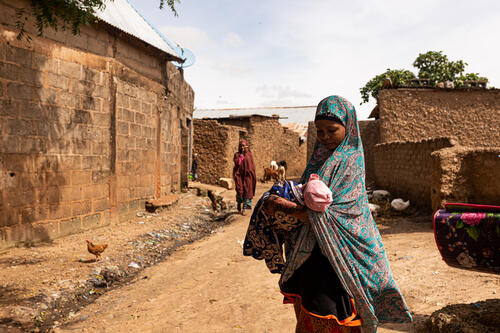
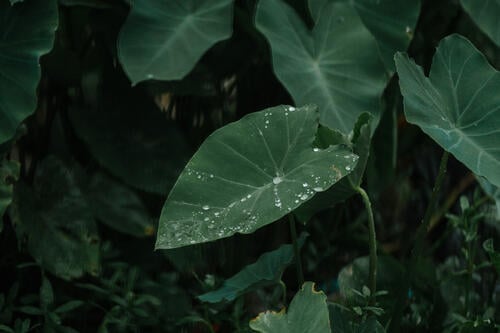
The taro leaf is used as a symbol of Rohingya existence, with the proverb Hoñsu Fathar Faaní, or water off a taro leaf. 

Water doesn't absorb into the hydrophobic taro leaf, instead floating on top, and easily falling off, without leaving a trace. Rohingya, without recognised documentation of their homes and lives in Myanmar, feel like floating people, unable to leave a trace or mark in the world. 


Photographed during Rohingya Taro Leaf symbol workshops and camp walks
ورقة من نبات القلقاس داخل مخيم كوتوبالونج للاجئين في بنغلاديش، يونيو/حزيران 2025.
© Victor Caringal/MSF

الحياة في مخيمات الروهينغا

ورقة من نبات القلقاس داخل مخيم كوتوبالونج للاجئين في بنغلاديش، يونيو/حزيران 2025.
© Victor Caringal/MSF
استجابتنا للإيبولا في جمهورية الكونغو الديمقراطية
اقرأ المزيد

في يونيو/حزيران 2025، عمل كل من المصور الصحفي الروهينغي، ساهات ضياء هيرو، والمصور الأسترالي، فيكتور كارينجال، معًا لإنتاج سلسلة من الصور التي أظهرت كيف تكيّف الروهينغا مع الحياة اليومية في مخيمات كوتابالونغ للاجئين في بنغلاديش. تعدّ سلسلة الصور هذه جزءًا من مشروع ورقة القلقاس، وهو مشروع دعوة إلى الدفاع والتغيير يستخدم ورقة القلقاس كرمز لسرد قصة حرمان الروهينغا من الجنسية.

قبل ثماني سنوات، وصل أكثر من 700,000 من الروهينغا إلى بنغلاديش، هربًا من حملة متعمَّدة من العنف الشديد على أيدي الجيش الميانماري.

يقول كل من ضياء وفيكتور عن هذا العمل التعاوني:

ضياء، "كان التصوير معًا أمرًا رائعًا حقًا. كان الموضوع الذي اخترناه هو "ترك بصمة" لأن "بصمتنا" وهويتنا وثقافتنا وتاريخنا تتعرض للمحو. ولدينا تحديات أخرى مرتبطة بالحياة في المخيمات – عدم الوصول إلى التعليم وفرص كسب العيش والرعاية الصحية وأشياء كثيرة. لذلك نحن نحاول أن نصنع علامة من خلال الفن والرسم والشعر والتصوير الفوتوغرافي، لنبقي ثقافتنا حية، ونبقي هويتنا حية ولتذكّرنا من نكون. لا نريد أن نُنسى".

فيكتور، "كان من دواعي سروري أن أمشي في المخيمات مع ضياء. أمضينا يومًا في التصوير الفوتوغرافي، ومع ذلك لم نغطي سوى جزء صغير من المخيم الضخم الذي بحجم مدينة. لكن هذا الوقت القصير كان غنيًا بالقصص والحياة، والتي آمل أن تترجم من خلال الصور التي اخترناها".

النص المصاحب لهذه الصور من ضياء وفيكتور.
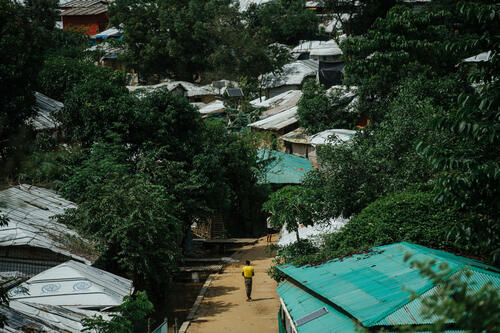
In June 2025, Rohingya photojournalist Zia Sahat Hero and MSF Australia photographer Victor Caringal produced a series of photographs to show how the Rohingya have adapted to daily life in the Kutapalong refugee camps near Cox’s Bazaar, Bangladesh.

In 2017, large forest areas were cleared to make way for shelters as more than 700,000 Rohingya fled violence in Myanmar and sought refuge in neighbouring Bangladesh. Some of the foliage has now regrown, providing much needed shade in the heat of the densely populated camps, but it also marks eight years of separation from their homeland that the Rohingya have faced. 

We picked this image to show the densely packed setting of the camp shelters. The camps are overwhelmingly large, but at the same time, enclosed, restricted and overbearing. Zia notes that the beautiful greenery and regrowth is in stark contrast to the poor conditions of the temporary shelters that Rohingya live in.
رجل روهينغا يسير وحيدًا في مخيمات اللاجئين في كوتوبالونج. بنغلاديش، في يونيو/حزيران 2025.

في عام 2017، تمت إزالة مناطق كبيرة من الغابات لإفساح المجال لأماكن الإيواء حيث فر أكثر من 700,000 من الروهينغا من العنف في ميانمار ولجأوا إلى بنغلاديش المجاورة. عادت الشجيرات الآن إلى النمو، مما يوفر الظل الذي تشتد الحاجة إليه في حرارة المخيمات المكتظة بالسكان، ولكنها تمثل أيضًا ثمان سنوات من الانفصال الذي يعيشه الروهينغا عن وطنهم.

اخترنا هذه الصورة لإظهار البيئة المكتظة لمساكن المخيم. المخيمات كبيرة للغاية، ولكنها في الوقت نفسه مغلقة ومقيدة وهائلة. يلاحظ ضياء أن المساحات الخضراء الجميلة وعودة نموها يتناقض بشكل صارخ مع الظروف السيئة للمساكن المؤقتة التي يعيش فيها الروهينغا.
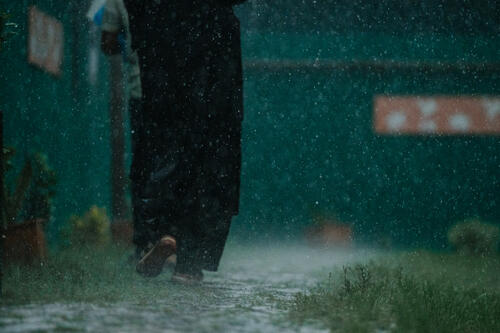
"This image reminded us of conversations we had about Rohingya unable to leave their mark or legacy in the world. The woman walks through the camp with traceless steps, battered by rain. The rain is suspended, like how Rohingya feel about their situation, like their lives are on pause."
امرأة من الروهينغا تدخل عيادة أطباء بلا حدود في بالوخالي بمخيم كوتابالونج للاجئين في بنغلاديش. يونيو/حزيران 2025.

ذكرتنا هذه الصورة بالمحادثات التي أجريناها حول عدم قدرة الروهينغا على ترك بصمتهم أو إرثهم في العالم. تمشي المرأة عبر المخيم بخطوات لا تترك أثرًا، والأمطار تعصف بالمكان. المطر توقف، مثل شعور الروهينغا تجاه وضعهم، وكأن حياتهم متوقفة.
In June 2025, Rohingya photojournalist Zia Sahat Hero and MSF Australia photographer Victor Caringal produced a series of photographs to show how the Rohingya have adapted to daily life in the Kutapalong refugee camps near Cox’s Bazaar, Bangladesh.

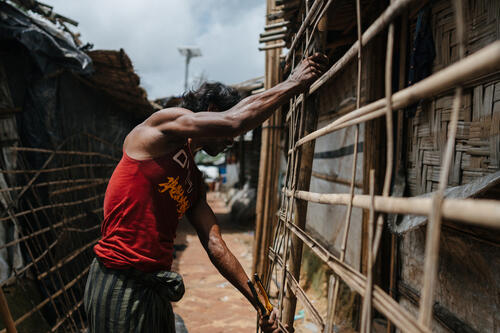
"We spotted this man repairing his shelter while walking through the narrow streets of the camps. He appeared impressively strong, carrying out repairs to the temporary bamboo shelter that protects his family during monsoonal storms. It’s a type of strength and resilience that’s easy to photograph, but what this man represented for me, is how I see all Rohingya – a people who have to be strong to survive, to carry more emotional weight than anyone should ever have to carry. "
رجل يصلح مأواه في مخيمات كوتابالونج. بنغلاديش، في يونيو/حزيران 2025.

رصدنا هذا الرجل يصلح مسكنه أثناء سيرنا في الشوارع الضيقة للمخيمات. بدا قويًا بشكل مثير للإعجاب، يجري إصلاحات لمسكن الخيزران المؤقت الذي يحمي عائلته أثناء العواصف الموسمية. إنه نوع من القوة والصمود الذي يسهل تصويره، ولكن ما يمثله هذا الرجل بالنسبة لي، هو كيف أرى كل الروهينغا – أناس يجب أن يكونوا أقوياء للبقاء على قيد الحياة، لحمل وزن عاطفي أكثر مما يجب على أي شخص حمله.
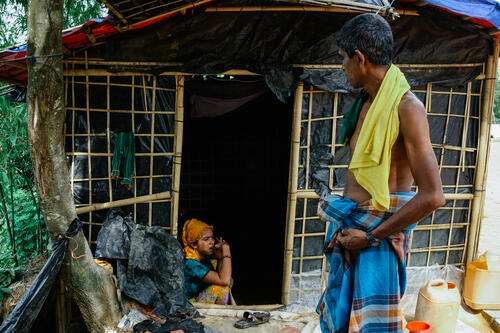
Escalated violence in Myanmar’s Rakhine state has led to the recent arrival of more than 100,000 Rohingya seeking safety in Bangladesh. With little remaining space in the densely populated camps, these Rohingya built their shelter on an area of land prone to landslides. Their new home is far smaller than the one they left behind.  

In June 2025, Rohingya photojournalist Zia Sahat Hero and MSF Australia photographer Victor Caringal produced a series of photographs to show how the Rohingya have adapted to daily life in the Kutapalong refugee camps near Cox’s Bazaar, Bangladesh.
مأوى على منحدر غير مستقر، بنغلاديش، في عام 2025.

أدى تصاعد العنف في ولاية راخين في ميانمار إلى وصول المزيد من الروهينغا مؤخرًا بحثًا عن الأمان في بنغلاديش. مع وجود مساحة صغيرة متبقية في المخيمات المكتظة بالسكان، بنى هؤلاء الروهينغا مأوى لهم على مساحة من الأرض معرضة للانهيارات الأرضية. منزلهم الجديد أصغر بكثير من المنزل الذي تركوه وراءهم.
In June 2025, Rohingya photojournalist Zia Sahat Hero and MSF Australia photographer Victor Caringal produced a series of photographs to show how the Rohingya have adapted to daily life in the Kutapalong refugee camps near Cox’s Bazaar, Bangladesh.

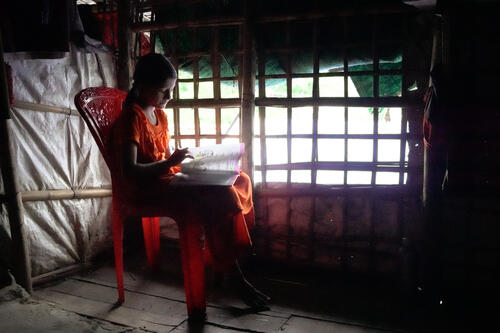
Recent aid cuts have left learning centres closed and contracts terminated for 1179 local teachers within the camps. Education  is one of the few opportunities Rohingya youth have to improve their situation. 

We chose this image because it showed the fragility and hope of young Rohingya and how decisions made today will have a ripple effect on future generations.
فتاة من الروهينغا تدرس في ملجأها. بنغلاديش، في يونيو/حزيران 2025.

مع التخفيضات الأخيرة في المساعدات في المخيمات، أغلقت مراكز التعليم، وانتهت عقود 1,179 معلمًا محليًا داخل المخيمات. يُنظر إلى التعليم في المخيمات على أنه أحد الفرص القليلة المتاحة لشباب الروهينغا لتحسين وضعهم.

اخترنا هذه الصورة لأنها تُظهر هشاشة وأمل الشباب الروهينغا، وكيف سيكون للقرارات المتخذة اليوم تأثير مضاعف على الأجيال القادمة.
In June 2025, Rohingya photojournalist Zia Sahat Hero and MSF Australia photographer Victor Caringal produced a series of photographs to show how the Rohingya have adapted to daily life in the Kutapalong refugee camps near Cox’s Bazaar, Bangladesh.

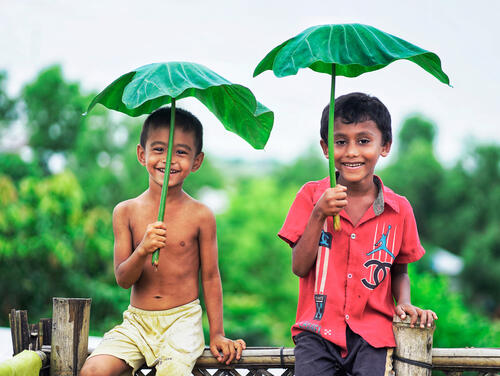
Children’s play and imagination create moments of relief from daily challenges in the camps. Their vision of a better future are not only expressions of hope but also a way to manage and process the difficult realities around them.

While we walked through the camps, we saw that children were everywhere – laughing, playing, and sometimes being scolded. They brought life to the camps and pockets of joy. Zia noted that the reason there were so many kids was because of the school closures from aid cuts.
أطفال يلعبون في أحد المخيمات. بنغلاديش، في يونيو/حزيران 2025.

يخلق لعب الأطفال وخيالهم لحظات من الراحة من التحديات اليومية في المخيمات. رؤيتهم لمستقبل أفضل ليست فقط تعبيرًا عن الأمل ولكن أيضًا وسيلة للتعامل مع الواقع الصعب من حولهم.

بينما كنا نسير في المخيمات، رأينا أن الأطفال في كل مكان – يضحكون ويلعبون وأحيانًا يتعرضون للتوبيخ. لقد جلبوا الحياة إلى المخيمات وشيئًا من الفرح. أشار ضياء إلى أن السبب في وجود الكثير من الأطفال هو إغلاق المدارس بسبب قطع المساعدات.
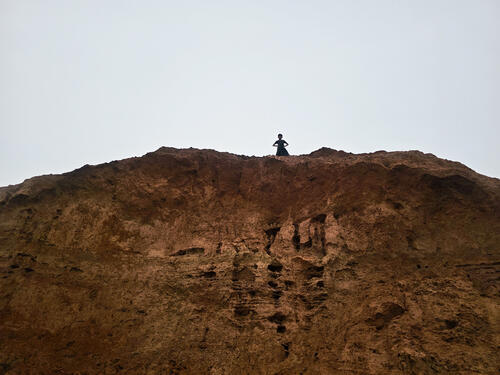
In June 2025, Rohingya photojournalist Zia Sahat Hero and MSF Australia photographer Victor Caringal produced a series of photographs to show how the Rohingya have adapted to daily life in the Kutapalong refugee camps near Cox’s Bazaar, Bangladesh.

We selected this image to share the threat of landslides that occurs from monsoonal rain and flooding, and the eroded soil in the camps. Originally there were shelters built here, but these were lost in a landslide. The area now remains precarious and unoccupied, despite the child standing and smiling from the top of the hill.
طفل ينظر إلى المخيمات من أعلى تل متآكل. بنغلاديش، في يونيو/حزيران 2025.

اخترنا هذه الصورة لمشاركة خطر الانهيارات الأرضية التي تحدث من الأمطار الموسمية والفيضانات، والتربة المتآكلة في المخيمات. في الأصل كانت هناك مساكن بنيت هنا، لكنها ذهبت في انهيار أرضي. لا يزال المكان الآن غير مستقر وغير مسكون، على الرغم من وقوف الطفل وابتسامته من أعلى التل.
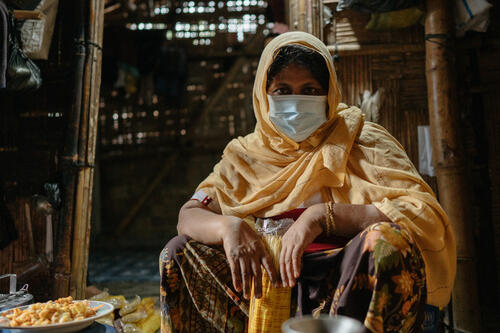
In June 2025, Rohingya photojournalist Zia Sahat Hero and MSF Australia photographer Victor Caringal produced a series of photographs to show how the Rohingya have adapted to daily life in the Kutapalong refugee camps near Cox’s Bazaar, Bangladesh.

I was impressed to see how much food Rayhana was able to prepare within the tight quarters of a shelter kitchen space. Rayhana opened a small food stall in the camps to financially support her family. While there is a food ration in place, it’s currently at US$10 a month per person, which is far below what’s needed to survive in the camps, and the reduction of aid means lower amounts in the future.
صورة لريحانة، صاحبة كشك طعام من الروهينغا، في ملجأها. بنغلاديش، في يونيو/حزيران 2025.

تأثرتُ برؤية كمية الطعام التي تمكنت ريحانة من تحضيرها داخل المطبخ الصغير الملحق بمسكنهم. افتتحت ريحانة كشكًا صغيرًا لبيع الطعام في المخيمات لدعم أسرتها ماليًا. على الرغم من وجود حصة غذائية، إلا أنها تبلغ حاليًا 10 دولارات أمريكية شهريًا للشخص الواحد، وهو أقل بكثير مما هو مطلوب للبقاء على قيد الحياة في المخيمات، ويعني خفض المساعدات انخفاض الكميات في المستقبل.
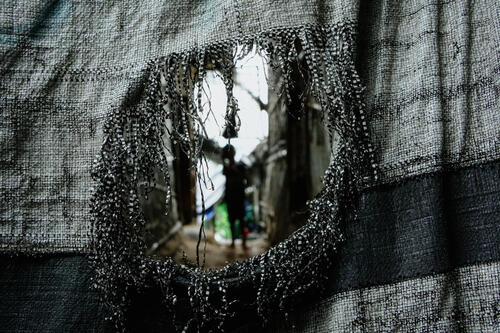
In June 2025, Rohingya photojournalist Zia Sahat Hero and MSF Australia photographer Victor Caringal produced a series of photographs to show how the Rohingya have adapted to daily life in the Kutapalong refugee camps near Cox’s Bazaar, Bangladesh.
صورة لطفل صغير عبر قماش مشمع. بنغلاديش، في يونيو/حزيران 2025.

اخترنا هذه الصور لأنها تتحدث بصريًا عن شعور بالانغلاق، وهو شعور يتحدث عنه العديد من الروهينغا في المخيمات أثناء العيش خلف أسوار المخيم المحمية بالأسلاك الشائكة.
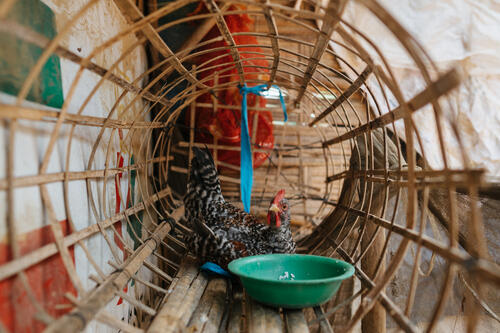
In June 2025, Rohingya photojournalist Zia Sahat Hero and MSF Australia photographer Victor Caringal produced a series of photographs to show how the Rohingya have adapted to daily life in the Kutapalong refugee camps near Cox’s Bazaar, Bangladesh.

Farming was an integral part of Rohingya life during Zia’s childhood. In the dense camps where people have no permanent home, land or space, it is rare for people to raise livestock or grow enough vegetables to make a living or survive from.
دجاجةٌ في قن أمام ملجأٍ مؤقت. بنغلاديش، في يونيو/حزيران 2025.

كانت الزراعة جزءًا أساسيًا من حياة الروهينغا خلال طفولة ضياء. في المخيمات الكثيفة حيث لا يوجد لدى الناس منزل دائم أو أرض أو مساحة، من النادر أن يقوم الناس بتربية الماشية أو زراعة ما يكفي من الخضروات لكسب الدخل أو تأمين المعيشة.
In June 2025, Rohingya photojournalist Zia Sahat Hero and MSF Australia photographer Victor Caringal produced a series of photographs to show how the Rohingya have adapted to daily life in the Kutapalong refugee camps near Cox’s Bazaar, Bangladesh.

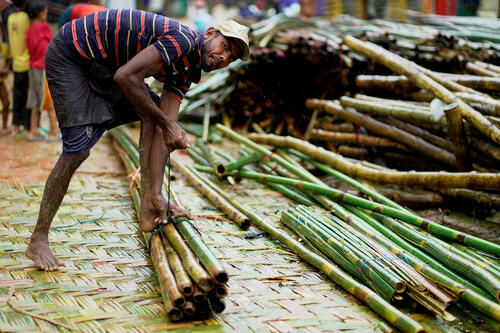
Zia explained that bamboo was a traditional building material in Rohingya culture. In this picture, the bamboo looks fresh and green, but the quality of this bamboo is lower than what Rohingya would use for their homes and structures in Arakan.
عامل يومي يُجهّز مواد الخيزران لبناء وإصلاح الملاجئ. بنغلاديش، في يونيو/حزيران 2025.

أوضح ضياء أن الخيزران كان مادة بناء تقليدية في ثقافة الروهينغا. في هذه الصورة، يبدو الخيزران طازجًا وأخضرًا، لكن جودة هذا الخيزران أقل مما كان يستخدمه الروهينغا لمنازلهم ومرافقهم في أراكان بميانمار.
In June 2025, Rohingya photojournalist Zia Sahat Hero and MSF Australia photographer Victor Caringal produced a series of photographs to show how the Rohingya have adapted to daily life in the Kutapalong refugee camps near Cox’s Bazaar, Bangladesh.

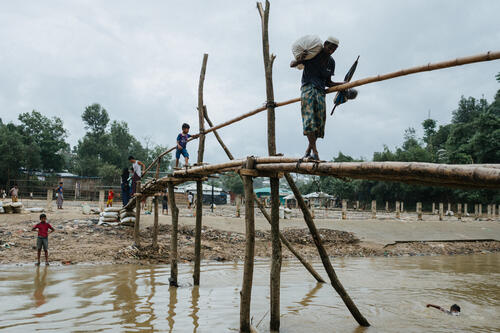
We watched as people crossed the bamboo bridge: two girls taking careful steps, two boys racing to the top, backflipping into the water. Zia had taken photos of this crossing over the eight years he’d been in the camps. A wider bridge was once in place, but it eroded and was swept away over multiple flood seasons. While it looks precarious, the new bridge provides an important access route between the neighbouring camps.
جسر يعبر بين منطقتي المخيم في مخيم كوتوبالونج للاجئين. بنغلاديش، في يونيو/حزيران 2025.

شاهدنا الناس وهم يعبرون جسر الخيزران: فتاتان تخطوان خطوات حذرة، وصبيّان يتسابقان إلى الأعلى، ويقفزان إلى الماء مع أداء شقلبة إلى الخلف. التقط ضياء صورًا لهذا المعبر على مدى السنوات الثمانية التي قضاها في المخيمات. كان هناك جسر أوسع في مكانه، لكنه تآكل وجرفته مواسم الفيضانات العديدة. على الرغم من أن الجسر الجديد يبدو غير مستقر، إلا أنه يوفر طريقًا مهمًا بين المخيمات المجاورة.
In June 2025, Rohingya photojournalist Zia Sahat Hero and MSF Australia photographer Victor Caringal produced a series of photographs to show how the Rohingya have adapted to daily life in the Kutapalong refugee camps near Cox’s Bazaar, Bangladesh.

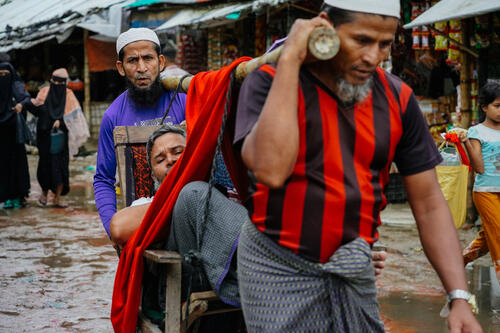
NGO workers and foreign visitors typically travel to the camps via arterial roads. But deep inside the camps, the throughways become much tighter, and Zia explained that many parts are only accessible on foot. When a medical need arises, people need to be carried to the nearest hospital, a difficult journey which can take hours away in monsoonal conditions.
رجل يُنقل إلى مرفق صحي. بنغلاديش، في يونيو/حزيران 2025.

عادة يسافر العاملون في المنظمات غير الحكومية والزوار الأجانب إلى المخيمات عبر الطرق الرئيسية. ولكن في عمق المخيمات، تصبح الممرات ضيقة أكثر، وأوضح ضياء أن الكثير من الأماكن لا يمكن الوصول إليها إلا سيرًا على الأقدام. عندما تنشأ حاجة طبية، يجب حمل الأشخاص إلى أقرب مستشفى، وهي رحلة صعبة يمكن أن تستغرق ساعات في ظروف الأمطار الموسمية.