


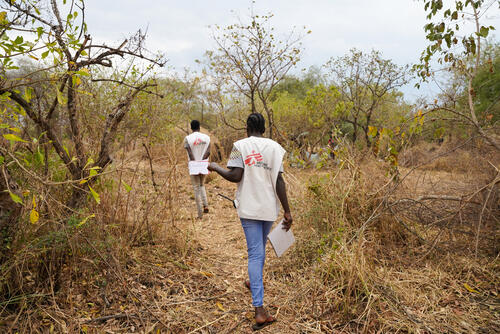
Discover all our latest news, stories and publications. Use the filter to get to the content you're looking for.
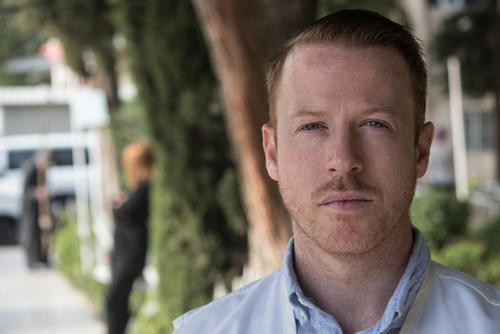
Iraq
“Hospitals must always be prepared; you never know what will happen”
Voices from the Field
25 May 2018
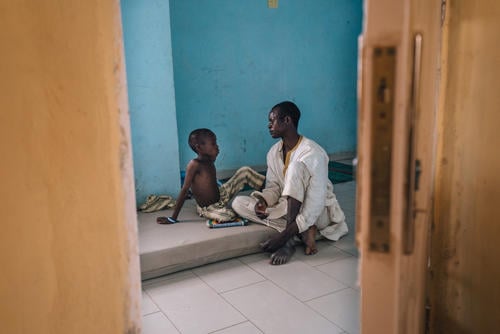
نيجيريا
مكافحة أسوأ تفشٍ لالتهاب السحايا منذ عام 2008
تحديث حول مشروع
25 May 2018
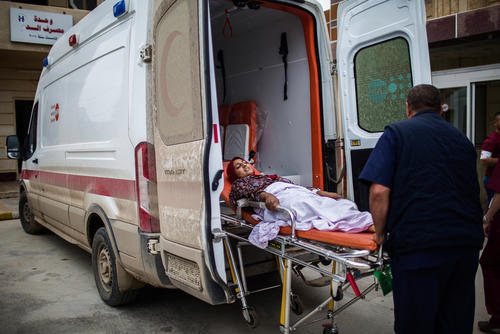
العراق
آخر مستجدات الأزمة الإنسانيّة في شمال البلاد - يونيو/حزيران 2017
آخر تطورات أزمة إنسانيّة
25 May 2018
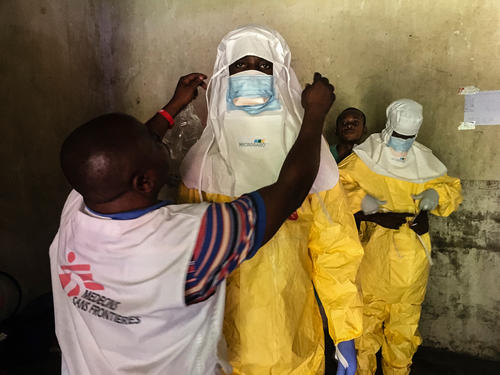
DRC Ebola outbreaks
MSF response to second Ebola outbreak in DRC since 2016
Project Update
23 May 2018
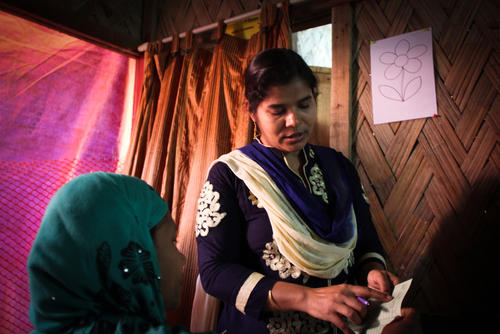
Bangladesh
“This feels more like an emergency room than a normal delivery room”
Project Update
23 May 2018
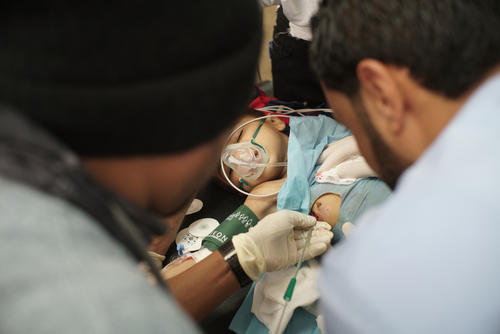
Syria
Seeking to assist Syrians, wherever they are in need of help
Press Release
23 May 2018
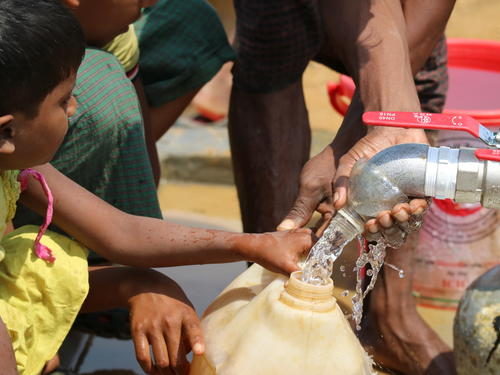
Rohingya refugee crisis
Crisis update – May 2018
Crisis Update
23 May 2018
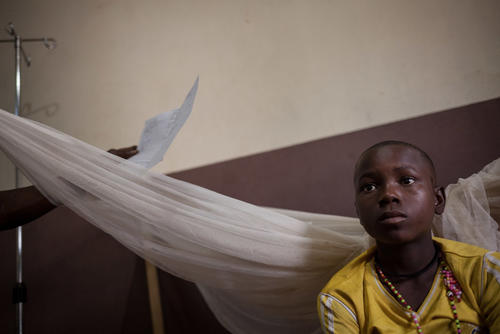
Snakebite
Governments slated to vote on first-ever resolution at World Health Assembly
Statement
23 May 2018
남수단
23 May 2018
콩고민주공화국
23 May 2018
중앙아프리카공화국
23 May 2018
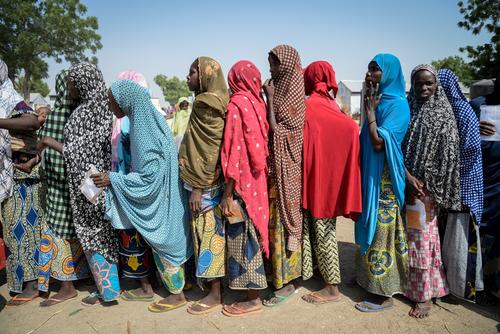
나이지리아
23 May 2018
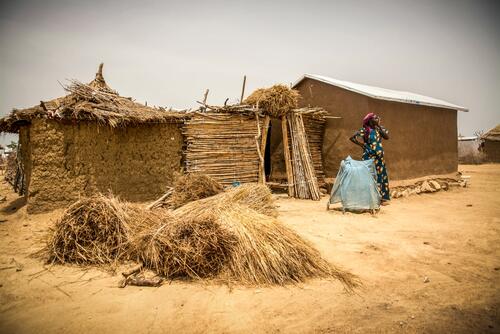
카메룬
23 May 2018
미얀마
23 May 2018
이라크
23 May 2018
Topics Portal
Médecins Sans Frontières brings medical humanitarian assistance to victims of conflict, natural disasters, epidemics or healthcare exclusion.
We treat patients suffering from a wide array of illnesses and health needs. Here you will find some of the main needs we see and what we do about them.
Discover the main crises we work in, the consequences faced by affected people and challenges in delivering care.
South Sudan
Humanitarian aid urgently needed for thousands of displaced people from Agok
Project Update
9 Mar 2022
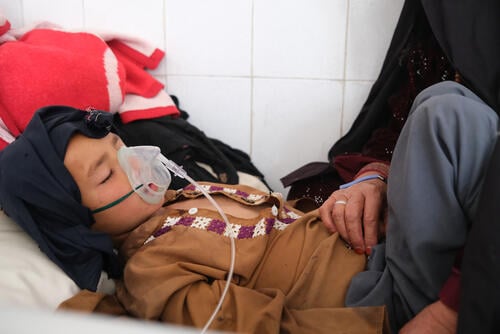
أفغانستان
الحصبة تشكل خطرًا قاتلًا على الأطفال المصابين بسوء التغذية
تحديث حول مشروع
15 Mar 2022
Afghanistan
Measles poses deadly risk for malnourished children in Afghanistan
Project Update
9 Mar 2022

الحرب في أوكرانيا
السباق الإنساني العاجل مع الزمن لإيصال الإمدادات الطبية إلى المستشفيات
أصوات من الميدان
11 Mar 2022
War in Ukraine
“There’s an urgent humanitarian race against time in Ukraine”
Voices from the Field
11 Mar 2022
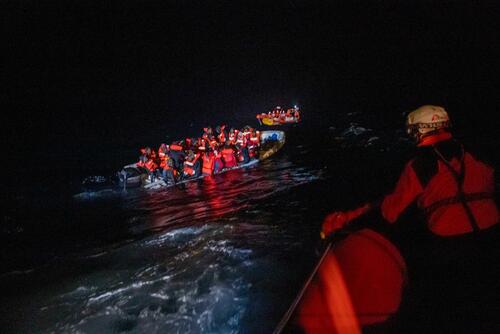
الهجرة عبر البحر الأبيض المتوسط
أشخاص ناجون إثر "أصعب عملية إنقاذ" يحتاجون مكانًا آمنًا على الفور
تحديث حول مشروع
14 Mar 2022
Mediterranean migration
Survivors of “most difficult rescue” need immediate place of safety
Project Update
11 Mar 2022
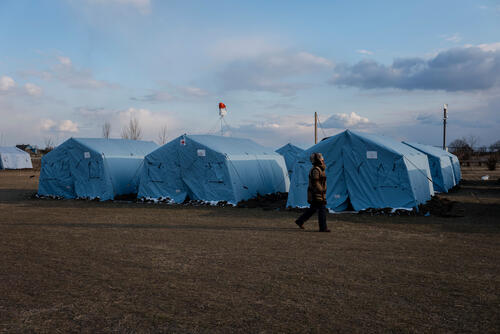
الحرب في أوكرانيا
آلاف الأشخاص يفرون من القصف في جنوب أوكرانيا ويتوجّهون غربًا
تحديث حول مشروع
15 Mar 2022
War in Ukraine
Thousands of people flee bombings in south Ukraine and head west
Project Update
12 Mar 2022
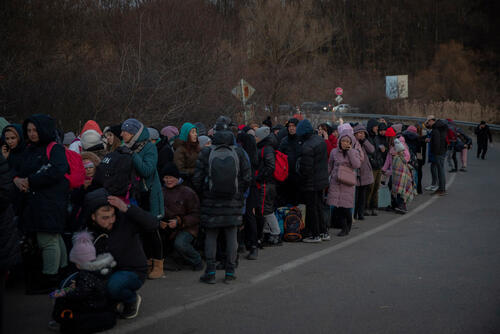
War in Ukraine
Every day thousands of Ukrainians arrive in Slovakia – traumatised and exhausted
Interview
14 Mar 2022
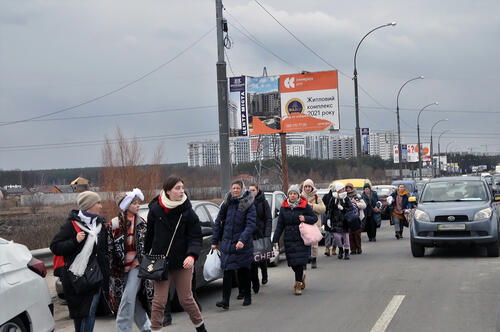
الحرب في أوكرانيا
نزح مرتين وهو على الطريق مرة أخرى جراء الحرب في أوكرانيا
أصوات من الميدان
17 Mar 2022
War in Ukraine
War in Ukraine has displaced me twice and I’m on the road again
Voices from the Field
16 Mar 2022
Speaking Out Case Study Learning modules
Speaking Out Case Study Learning Modules
The MSF Speaking Out Case Study (SOCS) Learning Modules provide a suite of interactive training tools and multimedia learning opportunities that further understandings of speaking out dilemmas, constraints, and controversies detailed in the speaking out case studies. Courses are designed for progressive learning. Begin with the Initial module and proceed to the other two-part courses, which are based on a thematics part and a case study part.
To learn from the case study dilemmas, the teaching methodology employs conceptual and empirical elements including an introduction to speaking out and the speaking out case studies, humanitarian thematics, case studies and timelines, post-action analysis, and reflections.
Examples from MSF’s Speaking Out Case Studies (SOCS) are used to explore real-life scenarios of the past. Using the case study method, the learner is faced with a problem in a defined context and must explore a real situation using a variety of sources and information.
The SOCS courses offer fresh and innovative tools that use MSF’s key historical moments as windows for solving tomorrow’s challenges.
The aim is to ground and impart critical thinking and analysis skills regarding MSF’s speaking out experience to a new generation of humanitarian actors.
Why take the SOCS learning modules?
Humanitarians taking these courses will deepen awareness of the importance and challenges of speaking out, increasing their knowledge, skills, confidence, and operational effectiveness when faced with dilemmas embedded in humanitarian crises.
Who are the SOCS learning module for?
They are for all humanitarians starting their humanitarian career or well-advanced decision-makers who are interested in developing or furthering their critical thinking skills and knowledge of speaking out dilemmas in humanitarian action.
Recommended Learning Path:
For optimal results, the recommended learning path is to first complete the initial module, no matter your level of seniority or responsibility:
- Initial Module
Subsequently, proceed to the speaking out case study-based module of your choice. You may, however, access any course.
- Humanitarian principles: How does speaking out articulate with humanitarian principles?
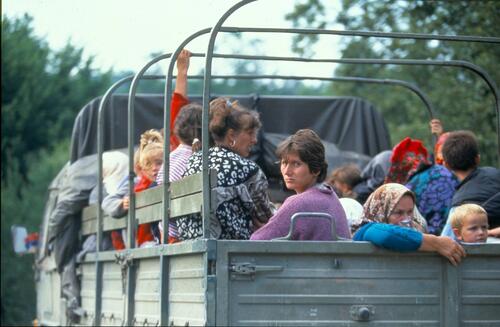
MSF Speaking Out Case Study: MSF and the War in Former Yugoslavia 1991-2003 with a focus on Srebrenica. - Humanitarian access: Does speaking out defend, expand, or limit humanitarian access and humanitarian space?
MSF Speaking Out Case Study: The Hunting and Killing of Rwandan Refugees in Zaire-Congo: 1996-1997. - Manipulation of aid: Speaking out and the (ir)relevance of humanitarian principles.
MSF Speaking Out Case Study: MSF and the War in Former Yugoslavia 1991-2003 with a focus on Gorazde.
All SOCS Courses
MSF Speaking Out
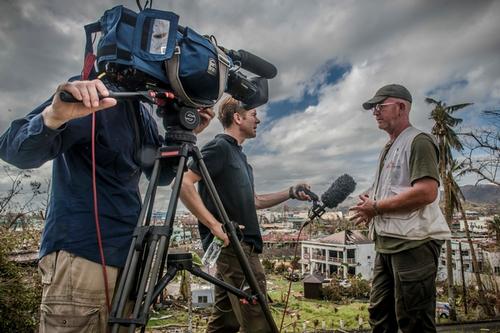
The Initial Module: Introduction to MSF, SOCS, and Speaking Out
15 Jun 2022
MSF Speaking Out
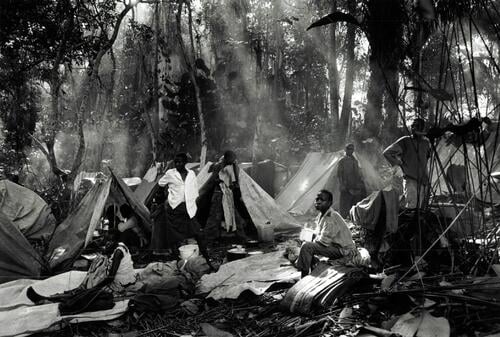
Does speaking out defend, expand, or limit humanitarian access and humanitarian space?
19 May 2025
MSF Speaking Out
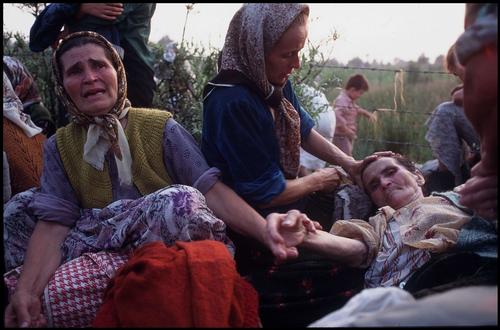
Humanitarian principles: How does speaking out articulate with humanitarian principles?
17 Mar 2022
MSF Speaking Out
Manipulation of aid: Speaking out and the (ir)relevance of humanitarian principles
15 Jun 2022
Anchor Links
Hero Image
Headline
Speaking Out Case Study Learning Modules
Background
Image
Hero Alignment
top
Schedule content for publication
Off
Description
The MSF Speaking Out Case Study (SOCS) Learning Modules provide a suite of interactive training tools and multimedia learning opportunities that further increase understandings of speaking out dilemmas, constraints, and controversies detailed in the speaking out case studies. Modules are designed for introductory and advanced levels.
To learn from the case study dilemmas, the teaching methodology employs conceptual and empirical elements including an introduction to speaking out and the speaking out case studies, humanitarian thematics, case study timelines, post-action analysis, and reflections. Advanced modules offer facilitated sessions for in-depth examination of the issues.
The aim is to ground and impart critical thinking and analysis skills regarding MSF’s speaking out experience to a new generation of humanitarian actors.
To learn from the case study dilemmas, the teaching methodology employs conceptual and empirical elements including an introduction to speaking out and the speaking out case studies, humanitarian thematics, case study timelines, post-action analysis, and reflections. Advanced modules offer facilitated sessions for in-depth examination of the issues.
The aim is to ground and impart critical thinking and analysis skills regarding MSF’s speaking out experience to a new generation of humanitarian actors.
Eyebrow
Thumbnail Image
Do not include into latest
On
Select caption
Short caption
Use a custom breadcrumb
No
Les modules d’apprentissage sur les prises de parole publiques de MSF
Les modules d’apprentissage sur les prises de parole publiques de MSF
Les modules d’apprentissage sur les prises de parole publiques de MSF sont des outils de formation et d’apprentissage interactifs qui permettent d’approfondir la compréhension des dilemmes, des contraintes et des controverses liés aux prises de parole publiques abordés dans les études de cas sur les prises de parole publique de MSF. Les modules sont conçus pour des niveaux d’initiation et avancés. Il est recommandé de suivre les modules dans un ordre progressif, quel que soit votre expérience ou niveau de responsabilité.
La méthodologie s’efforce de tirer des enseignements des dilemmes rencontrés pas MSF grâce à un contenu conceptuel et empirique composée d’une introduction à la prise de parole publique et à la collection des études de cas sur les prises de parole publiques de MSF, aux thématiques humanitaires, d'études de cas et de chronologies ainsi que d’une analyse rétrospective et de sessions de réflexion.
Les exemples extraits des études de cas sur les prises de parole publiques de MSF (Speaking Out Case Studies - SOCS) permettent de travailler sur l’analyse de situations qui se sont réellement produites dans le passé. Ces formations basées sur les études de cas placent l’apprenant face à une problématique spécifique dans un contexte singulier, et l’amènent à analyser les dilemmes qui en découlent en utilisant une variété de sources et d’informations.
Les outils d’apprentissage novateurs et récents s’appuient sur les moments-clés de l’histoire de MSF pour permettre de mieux appréhender les défis à venir.
Les modules d’apprentissage ont pour objectif de renforcer et de transmettre à une nouvelle génération d'acteurs humanitaires, des compétences de réflexion et d’analyse critiques basées sur l’expérience de prise de parole publique de MSF.
Pourquoi utiliser les modules d’apprentissages sur les prises de parole publiques de MSF ?
Les humanitaires qui suivent les cours comprendront plus en profondeur les défis posés par la prise de parole publique. Ils amélioreront leurs compétences analytiques et leur efficacité opérationnelle pour aborder les dilemmes inhérents aux crises humanitaires.
À qui s’adressent-ils ?
Ces cours s’adressent aux personnels humanitaires qu'ils entament leur carrière dans ce secteur ou qu'ils soient des acteurs aguerris des opérations humanitaires.
Parcours d’apprentissage conseillé :
Quels que soient votre expérience et votre niveau de responsabilité, nous vous conseillons de suivre les modules dans l’ordre ci-dessous afin de bénéficier pleinement de cette formation :
- Module initial
- Cours niveau 1
- Cours niveau 2 (Uniquement disponible en anglais pour le module « Articulation entre prise de parole publique et principe de l’action humanitaire »)
Cependant, vous pouvez accéder à tout moment à n’importe quel cours.
Tous les cours SOCS
Prises de parole publiques de MSF
Module Initial : Introduction à MSF, au SOCS et à la prise de parole publique
14 Mar 2024
Prises de parole publiques de MSF
Cours de niveau 1 : L’articulation entre prise de parole publique et les principes de l’action humanitaire
14 Mar 2024
Prises de parole publiques de MSF
Cours de niveau 2 : L’articulation entre prise de parole publique et les principes de l’action humanitaire (uniquement en anglais)
15 Feb 2023
Anchor Links
Hero Image
Headline
Les modules d’apprentissage sur les prises de parole publiques de MSF
Background
Image
Hero Alignment
top
Schedule content for publication
Off
Description
Les modules d’apprentissage sur les prises de parole publiques de MSF sont des outils de formation et d’apprentissage interactifs qui permettent d’approfondir la compréhension des dilemmes, des contraintes et des controverses liés aux prises de parole publiques abordés dans les études de cas sur les prises de parole publique de MSF. Les modules sont conçus pour des niveaux d’initiation et de perfectionnement.
La méthodologie s’efforce de tirer des enseignements des dilemmes grâce à un contenu conceptuel et empirique qui inclue une introduction à la prise de parole publique et aux études de cas sur les prises de parole publiques de MSF, des thématiques humanitaires, des chronologies et des études de cas, une analyse rétrospective et des sessions de réflexions.
Les exemples extraits des études de cas sur les prises de parole publiques de MSF (Speaking Out Case Studies - SOCS) permettent de travailler sur l’analyse de situations passées réelles. Cette méthode de l’étude de cas place l’apprenant face à une problématique spécifique dans un contexte singulier, et l’amène à analyser cette situation réelle en utilisant une variété de sources et d’informations.
Les outils d’apprentissage novateurs et récents basés sur les études de cas sur les prises de parole publique de MSF utilisent les moments-clés de l’histoire de MSF comme autant d’opportunités pour appréhender les défis d’aujourd’hui et de demain.
Les modules d’apprentissage ont pour objectif de renforcer et de transmettre des compétences de réflexion et d’analyse critiques basées sur l’expérience de prise de parole publique de MSF, à une nouvelle génération d’acteurs humanitaires.
La méthodologie s’efforce de tirer des enseignements des dilemmes grâce à un contenu conceptuel et empirique qui inclue une introduction à la prise de parole publique et aux études de cas sur les prises de parole publiques de MSF, des thématiques humanitaires, des chronologies et des études de cas, une analyse rétrospective et des sessions de réflexions.
Les exemples extraits des études de cas sur les prises de parole publiques de MSF (Speaking Out Case Studies - SOCS) permettent de travailler sur l’analyse de situations passées réelles. Cette méthode de l’étude de cas place l’apprenant face à une problématique spécifique dans un contexte singulier, et l’amène à analyser cette situation réelle en utilisant une variété de sources et d’informations.
Les outils d’apprentissage novateurs et récents basés sur les études de cas sur les prises de parole publique de MSF utilisent les moments-clés de l’histoire de MSF comme autant d’opportunités pour appréhender les défis d’aujourd’hui et de demain.
Les modules d’apprentissage ont pour objectif de renforcer et de transmettre des compétences de réflexion et d’analyse critiques basées sur l’expérience de prise de parole publique de MSF, à une nouvelle génération d’acteurs humanitaires.
Thumbnail Image
Do not include into latest
On
Select caption
Short caption
Use a custom breadcrumb
No
Humanitarian principles: How does speaking out articulate with humanitarian principles?
This is an interactive self-study course, which includes a learning journey. The course includes two parts:
Part 1: Thematics based on speaking out, humanitarian principles, and MSF’s working humanitarian principles.
Thematics include introductions to concepts such as:
- Respect for humanity and the humanitarian imperative.
- The normative international humanitarian framework.
- Medical ethics including 'do no harm' and solidarity.
- Humanitarian principles such as impartiality, neutrality, and independence, as well as some of MSF’s humanitarian principles such as accountability, and proximity.
Part 2: Case study analysis of speaking out dilemmas and humanitarian principles, with a focus on Srebrenica.
Although any of the MSF Speaking Out Case Studies could be used to teach this thematic on speaking out and humanitarian principles, the SOCS team chose the case study on MSF and the War in the Former Yugoslavia 1991-2003, (published in 2015) because of the specifics of this case, which reveal the constraints and questions associated with striking a balance between ethics, medical ethics, humanitarian principles, and speaking out - key components of the central thematic. Ethnic cleansing, crimes against humanity, and an international community that abandons the population are critical features of this war.
The Learning Journey
What you need to know before starting the course.
How to enrol
All students - internal and external - must register on TEMBO, the MSF learning platform, in order to access courses. Click on the button below to access the platform.
Return to Course Home
Anchor Links
Hero Image
Headline
Humanitarian principles: How does speaking out articulate with humanitarian principles?
Background
Image
Schedule content for publication
Off
Description
The central thematic includes concepts such as:
• speaking out
• humanitarian imperative
• international humanitarian framework
• medical ethics including do no harm and solidarity
• working humanitarian principles such as impartiality, neutrality, and independence.
• speaking out
• humanitarian imperative
• international humanitarian framework
• medical ethics including do no harm and solidarity
• working humanitarian principles such as impartiality, neutrality, and independence.
Eyebrow
Do not include into latest
On
Select caption
Short caption
Use a custom breadcrumb
No
الهجرة من أمريكا الوسطى
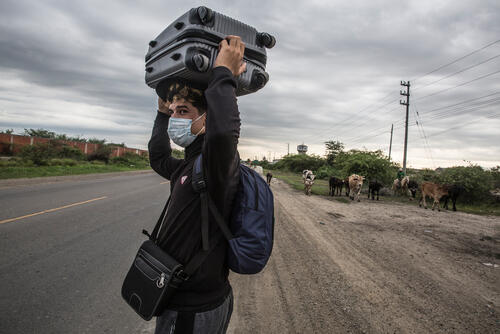
المهاجرون الفنزويليون في بيرو يكافحون من أجل البقاء على قيد الحياة
تحديث حول مشروع
22 Mar 2022
Central American migration
Peru: Venezuelan migrants struggle to survive
Project Update
18 Mar 2022
أزمة إقليم تيغراي الإثيوبي
إثيوبيا: أطباء بلا حدود تسعى للحصول على إجابات من الحكومة إثر صدور تقرير إعلامي جديد حول مقتل موظفيها
تصريح
17 Mar 2022
Ethiopia
MSF seeks answers from government after new media report on killing of staff
Statement
17 Mar 2022
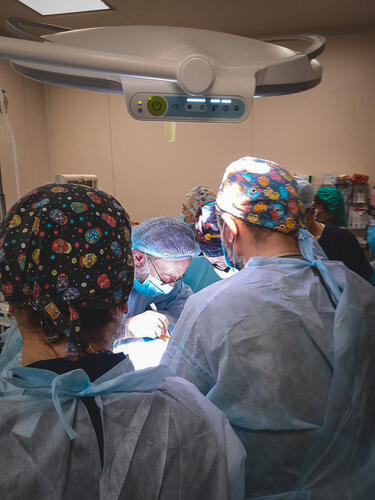
War in Ukraine
Staff in major Kyiv hospital receive training for potential increase in casualties
Project Update
18 Mar 2022
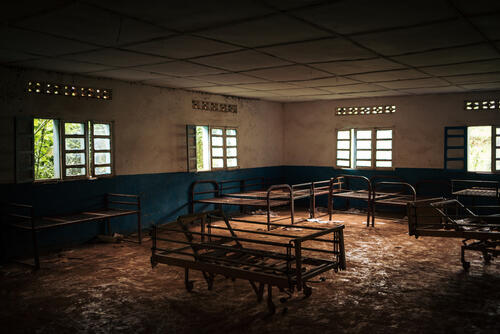
جمهورية الكونغو الديمقراطيّة
العنف والإفلات من العقاب يجبران المنظمة على وقف العمل الطبي المنقذ للحياة
بيان صحفي
23 Mar 2022
Democratic Republic of Congo
Violence and sense of impunity force stop to lifesaving care
Press Release
21 Mar 2022
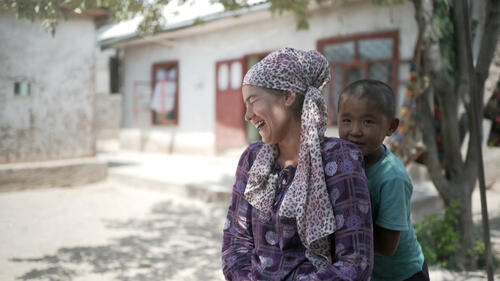
طاجيكستان
مشروع فريد من نوعه في طاجيكستان يساعد الأطفال على التعافي من مرض السل
تحديث حول مشروع
24 Mar 2022

Médecins Sans Frontières (MSF)
Independent medical humanitarian assistance
We provide medical assistance to people affected by conflict, epidemics, disasters, or exclusion from healthcare. Our teams are made up of tens of thousands of health professionals, logistic and administrative staff - most of them hired locally. Our actions are guided by medical ethics and the principles of independence and impartiality. We are a non-profit, self-governed, member-based organisation.
Learn moreHeadline
What we do
Background
None
Info Page Type
Topic Portal Page
Schedule content for publication
Off
Description
We treat patients suffering from a wide array of illnesses and health needs. Discover the main needs we see and what we do about them. Explore some of the main crises we work in, the consequences faced by affected people and the challenges in delivering care.
Select caption
Short caption
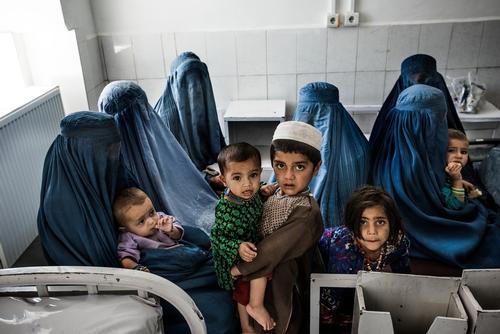
Afeganistao
22 May 2018
アフガニスタン
22 May 2018
イエメン
22 May 2018
ウガンダ
22 May 2018
マリ
22 May 2018
シリア
22 May 2018
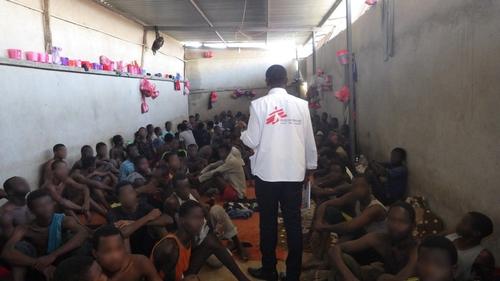
リビア
22 May 2018
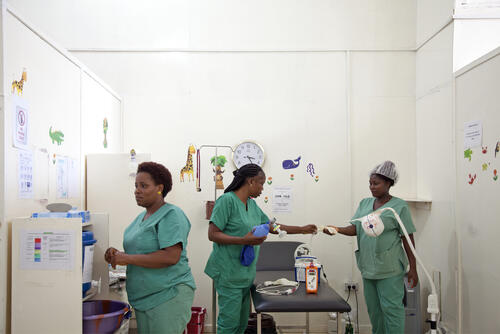
リベリア
22 May 2018

How we work
How we deliver medical humanitarian assistance
Everywhere we work, the circumstances are unique. Nonetheless, our programmes generally follow a common set of practices designed to make sure our resources and expertise are used to maximum effect.