


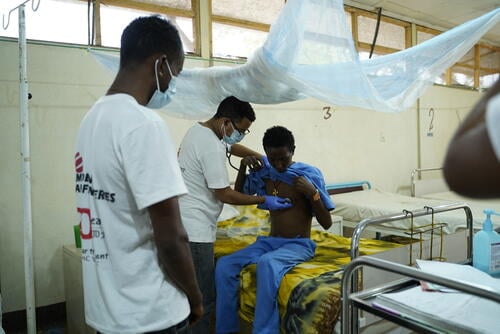
Kala azar, or visceral leishmaniasis, is the second deadliest parasitic disease in the world – only malaria kills more people.
A neglected tropical disease, kala azar is caused by a parasite, spread to humans through the bite of infected female sand flies. It attacks the immune system and is almost always fatal if not treated.
Also known as visceral leishmaniasis, kala azar is the most serious form of leishmaniasis and is endemic in 76 countries, with hundreds of millions at risk of infection. There are between 50,000 and 90,000 new cases a year, about 90 per cent of which occur in Brazil, Ethiopia, India, Kenya, Somalia, South Sudan and Sudan. Between 1989 and 2020, MSF teams treated nearly 150,000 people for kala azar; over a third in South Sudan.
Diagnosis and treatment of the disease, especially of the variety found in eastern Africa, can be complex and painful.
Featured
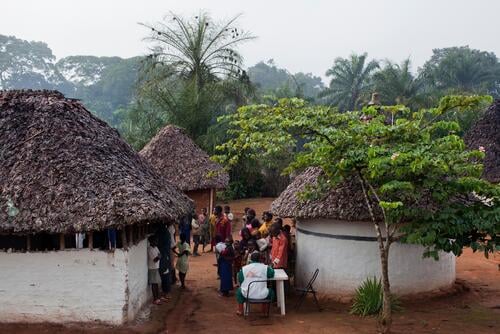
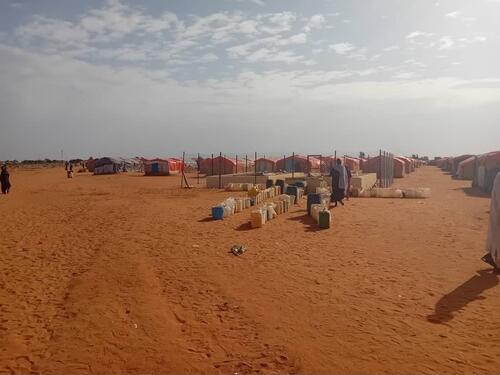
السودان
السودان: هجمات الطائرات المسيّرة في الأبيض تعطل الخدمات الأساسية وتفاقم أزمة المياه والرعاية الصحية
Interview
16 Jul 2026
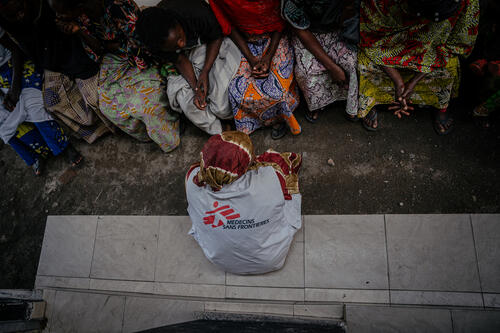
International Activity Report 2025
Providing sexual and reproductive healthcare is not up for debate, but it is under threat
15 Jul 2026
التقرير الدولي عن أنشطة أطباء بلا حدود لعام 2025
الرعاية الصحية الجنسية والإنجابية ضرورة لا تقبل الجدل، لكنها لا تزال محلّ تهديد
15 Jul 2026
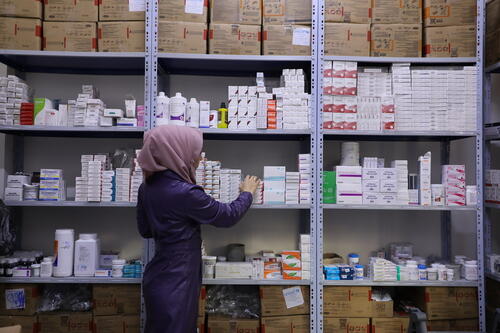
International Activity Report 2025
To save lives and limbs during conflict, we need investment in tackling antimicrobial resistance
15 Jul 2026
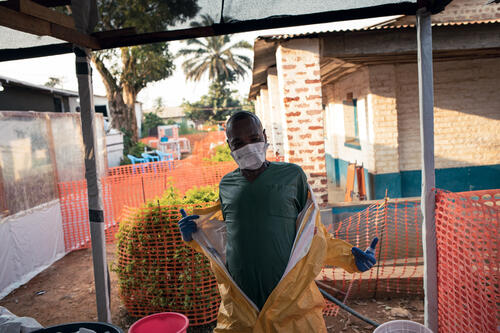
DRC Ebola outbreaks
DRC Ebola outbreak response needs urgent scale-up after two months
Press Release
15 Jul 2026

Medical Resource
MSF Field Research
We produce important research based on our field experience. So far, we have published articles in over 100 peer-reviewed journals. These articles have often changed clinical practice and have been used for humanitarian advocacy. All of these articles can be found on our dedicated Field Research website.
Visit site