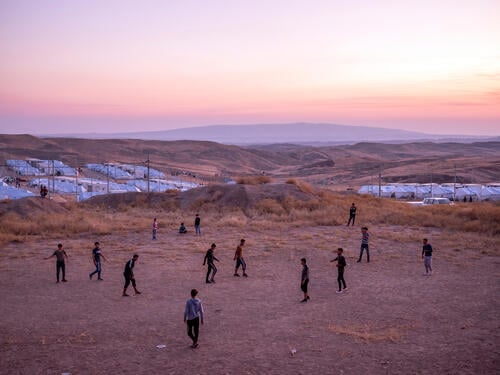
Bardarah Refugee Camp, Iraq. October 31, 2019.

Syrian Kurdish refugees play soccer inside the Bardarash refugee camp in Iraqi-Kurdistan. 
According to the International Organization for Migration (IOM) as of November 6th more than 14,000 Syrian Kurds have fled their homes in Rojava, the Syrian-Kurdish enclave along the Turkish border in north-east Syria, and have taken refuge in camps inside Iraqi-Kurdistan. Bardarash camp houses over 12,000 Syrian-Kurdish refugees.
لاجؤون أكراد من سوريا يلعبون كرة القدم في مخيم بردرش للاجئين في كردستان العراق. العراق، أكتوبر/تشرين الأول 2019
© Moises Saman / Magnum Photos for MSF

عام في صور 2019

لاجؤون أكراد من سوريا يلعبون كرة القدم في مخيم بردرش للاجئين في كردستان العراق. العراق، أكتوبر/تشرين الأول 2019
© Moises Saman / Magnum Photos for MSF
الحرب في غزة: اطّلع على استجابتنا
اقرأ المزيد

محاولة سرد آلاف القصص في نحو 50 صورة

خلال الأشهر الـ12 المنصرمة (نوفمبر/تشرين الثاني 2018 - نوفمبر/تشرين الثاني2019)، التقطت أكثر من 8،000 صورة اخترنا لكم منها المجموعة أدناه لاعتبار أنّها تعكس بشكل كبير وبطريقة واضحة مجالات عملنا خلال 2019.

التقط مصورون مستقلون بتكليف من المنظّمة وأيضًا عاملون فيها هذه الصور في الميدان خلال استجابة فرقنا للكوارث الطبيعية والأوبئة والنزاعات في نحو 70 بلد.

ما يغني الصور هذه السنة ويميّزها هو تنوّع مجموعة الأشخاص الذين التقطوها. فنحن نعتقد أنّ كل مصور لديه طريقته الخاصة في رؤية الأمور، يعبّر عنها من خلال عدسته عند تصويره لحدث ما، أو للحظة من الزمن. تغطية هؤلاء المصوّرين للأحداث دقيقة وصادقة، ما يشكّل للمنظّمة ميزة قيمة في هذه الأوقات التي تنتشر فيها أشكال البروباغندا و"الأخبار المزيفة". تمثّل هذه الصور الـ54 جزءًا متواضعًا من مبادرات المنظّمة وأنشطتها التي تصب في رصيد العمل "للإدلاء بالشهادة" حول ما تشهده فرقنا والعمل الذي تقوم به كل يوم.
Activities in Tegucigalpa, Honduras
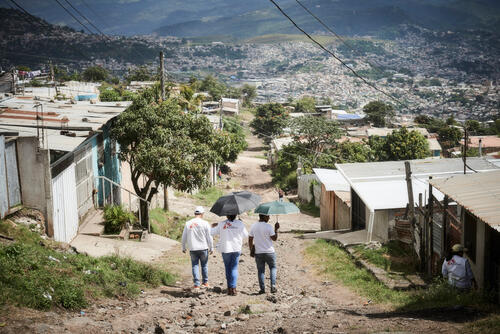
فريق من المثقِّفين الصحيين من أطباء بلا حدود يتنقلون من بيت إلى بيت في حي نويفا كابيتال الواقع على أطراف تيغوسيغالبا، لإبلاغ الأهالي عن خدمات أطباء بلا حدود في العيادات المحلية، بما في ذلك رعاية ضحايا العنف. هندوراس، فبراير/شباط 2019
MSF/Christina Simons
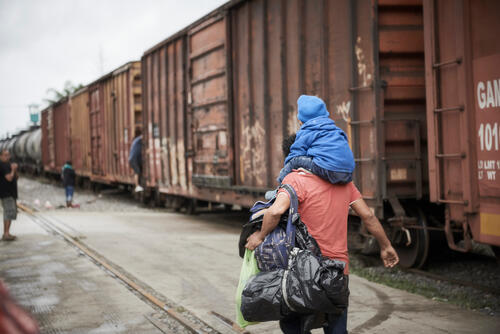
MSF teams have seen a general increase in the number of women, children and whole families traveling North.
رجل يحمل ابنه على كتفيه، يتطلع لركوب قطار على طريق هجرته شمالاً عبر المكسيك. ديسمبر/كانون الأول 2018.
Arlette Blanco/MSF
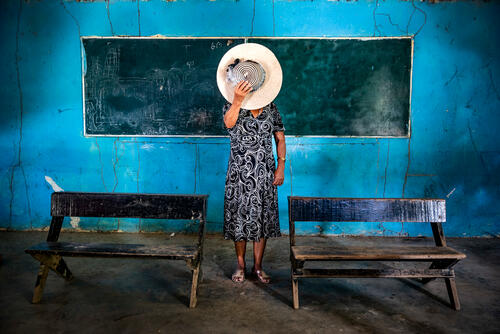
ENG - Ana worries about what is going to come: "How long are we going to be like this ?, we do not know. Until one of the two groups faced, lose, then. We want a future for our children, our grandchildren? 

ESP - Ana se preocupa por lo que va a llegar: “¿Hasta cuándo vamos a estar así?, no sabemos. Hasta que uno de los dos grupos enfrentados, pierda, pues. Queremos un futuro para nuestros hijos, nuestros nietos?”
آنا، امرأة من غويريرو، إحدى ولايات المكسيك الأكثر عنفاً، تفضل أن تخفي وجهها وهي تصف الدمار الذي طال قريتها نتيجة التنافس بين الجماعات المسلحة. المكسيك، فبراير/شباط 2019.
MSF/Juan Carlos Tomasi
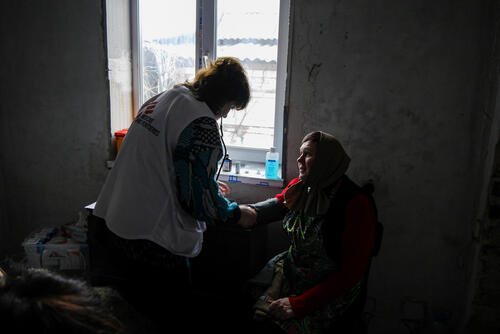
MSF Nurse Svitlana Plygun examines patient Tetiana, 54, in Vodiane. The mobile clinic in Vodiane operates in an abandoned home with no electricity.

Tetiana helps to bring patients to the mobile clinic, and she regularly checks on her older neighbors in the village. “Old people are left to the mercy of fate. It’s hard for them to be alone with no medical care, no heating, and just 800 metres from the fighting,” she says.
الممرضة في أطباء بلا حدود سفيتلانا بليغون تفحص المريضة، تيتيانا، 54 عاماً، في فودياني. تعمل العيادة الجوالة في فودياني في منزل مهجور لا توجد فيه كهرباء. أوكرانيا، فبراير/شباط 2019.
MSF/Nico Dauterive
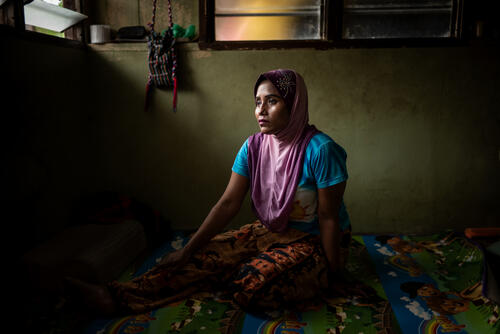
Sawkina, 27 years old. She is Rohingya and although she was born and raised in Malaysia she does not have Malaysian nationality. As a divorced woman in a conservative society, she has to rely on herself and her parents to support her and her 13-year-old daughter. She has been granted UN refugee status but a broken leg resulting from a traffic accident has prevented her from working for several weeks. Penang
سكينة، امرأة من الروهينغا عمرها 27 عاماً، تتماثل للشفاء من ساق مكسورة. ورغم أنها ولدت وعاشت في ماليزيا لكنها لا تتمتع بالجنسية الماليزية. وكونها مطلقة في مجتمع محافظ فعليها أن تعتمد على نفسها وعلى والديها لمعيشتها ومعيشة ابنتها ذات الثلاثة عشر عاماً. ماليزيا، أبريل/نيسان 2019.
Arnaud Finistre
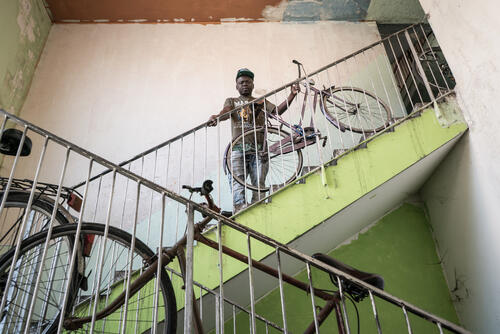
In Turin, hundreds of marginalised migrants and refugees live in the four occupied buildings of “Ex-MOI” (former 2006 Olympic Village), facing harsh conditions: overcrowding, no heating, and frequent disruptions in water and electricity supplies. Since 2016, MSF has run a project, in partnership with the local health authorities, aiming at promoting residents’ access to local health services, providing information on regulations and administrative procedures through on-site desk and outreach activities; accompanying vulnerable people to the health facilities; carrying out prevention and basic health promotion activities. Some of the MOI residents have been trained by MSF as intercultural mediators and have been working in the local health administrative office.  So far MSF has assisted almost 500 people, mainly from sub-Saharan Africa (Mali, Nigeria, Ghana) and Somalia.
مهاجر في القرية الأولمبية السابقة في تورين، حيث تدير منظمة أطباء بلا حدود مشروعاً بالتعاون مع السلطات الصحية المحلية لمساعدة مئات المهاجرين واللاجئين والمهمشين الذين يعيشون هناك قبل إخلاء المباني. إيطاليا، مارس/آذار 2019.  
MSF/Giuseppe La Rosa
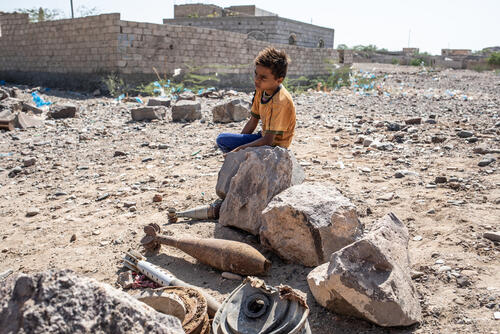
Yemen, Mawza, 13 December 2018 – A child is sitting near defused rockets. Mawza is located in Taiz governorate, a 45 minutes-drive to the east of Mocha city. This is a very poor and rural area, people are depending on their land to eat and to earn money. The area was taken over from Ansar Allah’s control by forces loyal to President Hadi, supported by the Saudi and Emirati-led coalition, in the beginning of 2018. Fighting damaged the fields and thus, the livelihood of the 13,000 inhabitants of Mawza. While military troops were withdrawing, thousands of landmines and improvised explosive devices (IED) were planted in the area. Between August and December, MSF teams in Mocha received around 150 people injured by landmines or IED, mainly children playing in the fields. Landmines and IEDs are defused by military forces. Local NGOs are in charge of locating these devices.
طفل يجلس قرب مجموعة من الصواريخ المعطلة في موزع، التي تبعد عن مدينة المخا مسير 45 دقيقة بالسيارة إلى الشرق. محافظة تعز، اليمن، ديسمبر/كانون الأول 2018.
Agnes Varraine-Leca/MSF
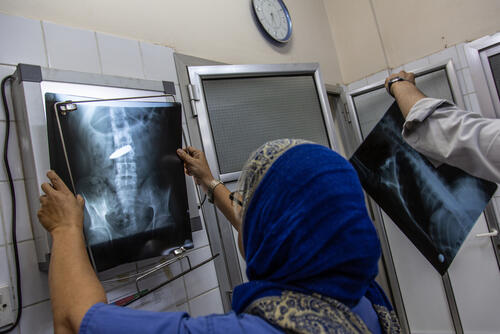
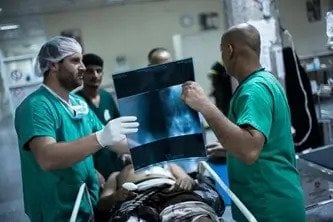
Yemen, Hodeidah, Al Salakhana hospital, 28 April 2019 - Maria Teresa Ingalla, ortho surgeon is watching the Xray of a patient injured by a gunshot in the abdomen. Mohammed, 18, was sitting in a street in Hodeidah, around 4.00pm when he was injured by a stray bullet: the bullet entered through his hip to his abdomen, next to one of his arteries. Luckily the bullet did not touch the spinal cord. It was removed after a laparotomy.
ماريا إنغالا، جراحة عظام تعمل مع أطباء بلا حدود في مستشفى السلخانة في الحديدة، وهي هنا تنظر إلى نتائج صورة الأشعة لمريض مصاب بطلقة نارية في بطنه. أبريل/نيسان 2019.
Agnes Varraine-Leca/MSF
MSF surgeons discuss where they will make the first incision in the leg of Yousri*, who needed a bone graft after being shot by the Israeli army during protests in Gaza in July 2018. Al-Awda Hospital.
جراحون في أطباء بلا حدود يناقشون أين سيبدأون الشق الجراحي على ساق يسري الذي كان بحاجة إلى طعم عظمي بعد تعرضه لإطلاق النار من قبل الجيش الإسرائيلي أثناء مظاهرات في غزة في يوليو/تموز 2018. مستشفى العودة، فلسطين، يناير/كانون الثاني 2019.
MSF/Jacob Burns
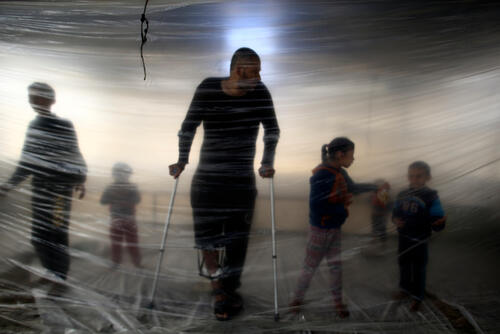
Ahmed, 38, a Palestinian shot and wounded by the Israeli army on 14 May 2018.
أحمد، 38 عامًا، فلسطيني أصيب بنيران الجيش الإسرائيلي يوم 14 مايو/أيار 2018، ويظهر في الصورة رفقة أولاده في مبنى مهجور. فلسطين، أبريل/نيسان 2019.   
MSF
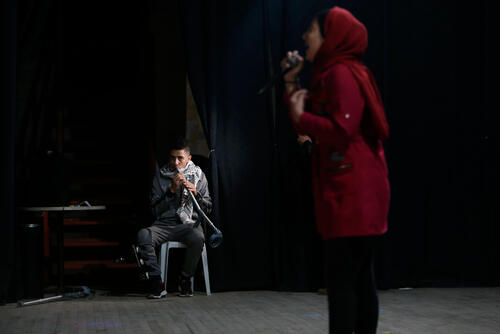
Eyad, 23, a Palestinian musician shot and wounded by the Israeli army on 14 May 2018, plays a crutch that he has turned into a flute during a performance of an amateur theatre group in Gaza City, May 2019.
إياد، 23 عامًأ، عازف فلسطيني، وقد أصيب بنيران الجيش الإسرائيلي يوم 14 مايو/أيار 2018، وهو يعزف على عكاز حوله إلى ناي أثناء عرض لفرقة مسرحية هاوية في مدينة غزة. فلسطين، أبريل/نيسان 2019.
MSF
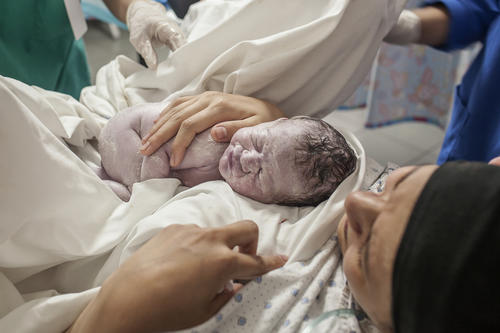
Baby Alaa was just born at the MSF Birth centre in Rafik Hariri university hospital. Midwife Josianne and Nurse Nagham assisted his mother in the delivery, and both the mother and the baby are in good health. Alaa is 3 kg and 51 cm.
أم وطفلها الرضيع في مركز الولادة الذي تديره طواقم أطباء بلا حدود في مستشفى رفيق الحريري الجامعي في بيروت. لبنان، أبريل/نيسان 2019.
Severine Sajous/MSF
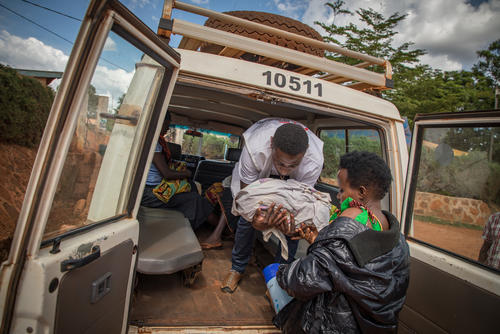
3 mothers referred to the Kibondo hospital to deliver because of complications are brought back to Nduta refugee camp, where they will be followed up in MSF hospital.
أحد أفراد طاقم أطباء بلا حدود يساعد امرأة ومولودها لدى وصولهما إلى مخيم ندوتا للاجئين، عائدين من مستشفى كيبوندو الذي أحيلت إليه لوضع مولودها إثر تعرضها لمضاعفات. تنزانيا، نوفمبر/تشرين الثاني 2018.
MSF/Pierre-Yves Bernard
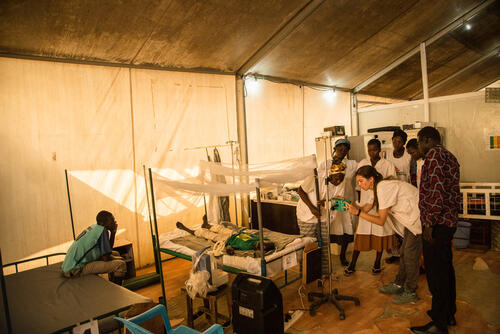
Nurse Denise, alongside other MSF staff, checks the vital signs of a child admitted to MSF´s hospital in the Malakal Protection of Civilian (PoC) site, in South Sudan.
الممرضة دينيز، رفقة أفراد آخرين من أطباء بلا حدود، تجري فحصاً أولياً لطفل أدخل مستشفى أطباء بلا حدود في موقع حماية المدنيين في ملكال بجنوب السودان. مارس/آذار 2019.
MSF/Igor Barbero
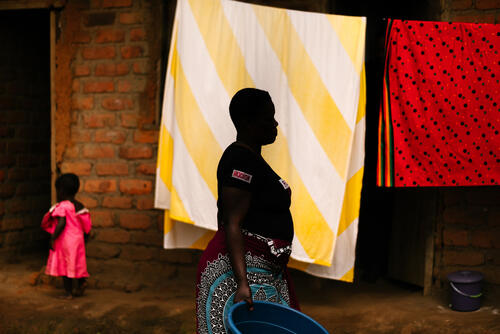
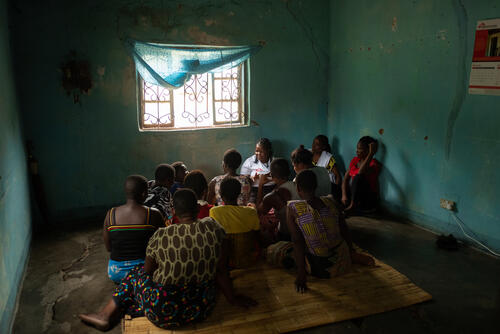
Maria (not her real name) a sex worker who lives in Dedza, who was a victim of violence from one of her clients. Maria received comprehensive HIV prevention and sexual and reproductive services from MSF’s sex worker project in Dedza.
ماريا (وهو ليس اسمها الحقيقي) عاملة في الجنس تعيش في ديدزا، وقد وقعت ضحية للعنف من قبل أحد زبائنها. تلقت ماريا خدمات الرعاية الوقائية الشاملة ضد فيروس نقص المناعة البشرية وخدمات الصحة الجنسية والإنجابية لدى مشروع رعاية عاملي الجنس الذي تديره أطباء بلا حدود في ديدزا. ملاوي، يناير/كانون الثاني 2019.
Isabel Corthier/MSF
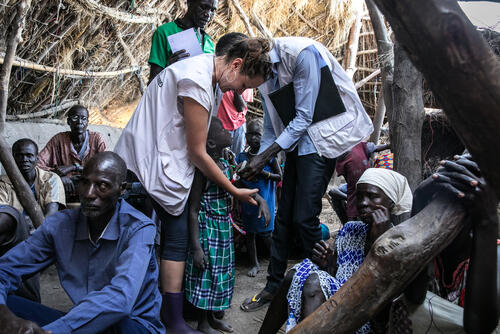
MSF nurse mentor Chrissie Nasiyo (middle) along with another MSF staff member engage with a group of sex workers during an outreach clinic in Nsanje.

Outreach ‘One-stop clinic’ 

Nsanje district is a largely rural area where access to health facilities is limited by long distances. MSF and health ministry staff therefore work together to provide regular ‘one-stop’ clinics conducted as outreach sessions on specific days at different sites, either in a rented room in the community, close to where sex workers live and work, or in health ministry facilities (hospitals, centers). 
The ‘one-stop’ clinics allow for discrete care and take full advantage of the single visit to offer a comprehensive package of health services during one consultation, including HIV testing and initiation, counselling, ART refills, TB screening and referral, STI testing and treatment, family planning, care for victims of sexual violence, and referral for viral load and cervical cancer screening.
During the ‘one-stop’ clinics in Nsanje, health education talks are given by the MSF community health worker, who uses interactive flip charts designed by sex workers or other teaching methods to promote knowledge of safer sex, HIV and STI prevention, sexual and gender based violence, hygiene, family planning & contraception and cervical cancer. 

TESTIMONY Chrissie Nasiyo, MSF nurse mentor, Nsanje

 “I’ve been working in this project for two years. I love working with the girls because they have stories to tell. Maybe you can judge them from the outside but if you hear their story, you might feel whatever they are doing is not wrong, they are doing that for a purpose.  
For someone to say ‘I’m a sex worker’ can be difficult because of the culture, the stigma, the discrimination that goes with it. That’s why someone who goes to a clinic can’t say ‘I’m a sex worker’, because she’s afraid of being discriminated against. Of course, sex workers can feel differently about disclosing, some don’t care at all. 
People usually mean ‘commercial’ sex workers when they talk about sex work, because it’s a job for her. She wakes up, gets dressed and goes to a hotspot to find a customer. But most ‘transactional’ sex workers don’t accept that what they are doing is sex work, because they don’t go to hotspots or places where ‘commercial’ sex workers work. She might be working class, going to her normal job, and having multiple partners in exchange for goods, but she won’t accept she’s a sex worker. 
Commercial sex workers approach it like a business, ‘I need to protect myself’, but transactional sex workers are less likely to know about and test for HIV and STIs. They are more at risk than commercial sex workers, because they don’t know what they are doing is sex work, they don’t know about prevention, they feel it’s just normal. Defining it for these women can help them get healthcare.
In MSF’s projects we offer the same services for ‘commercial’ and ‘transactional' sex workers, we just reach them in different ways. When we go for an outreach clinic, first the community health worker gives a health talk in the waiting area to the sex workers, depending on what she’s prepared, as there are a range of talks. Then the participants are offered more condoms and prevention methods, HIV and STI testing, family planning, refills of ART if they are HIV positive. The majority are HIV positive. 
One of the ways that MSF uses to identify sex workers in the community is through the community health workers. Despite them being MSF employees, they are also sex workers, and it’s easy for them to identify other sex workers.  They’re the ones that mobilise the women to attend the ‘one-stop’ clinics.
For younger women engaging in sex work, these young girls mostly don’t know how to protect themselves from getting HIV, STIs, or unintended pregnancies. Many of their issues are related to lack of health information, which results in a lot of HIV infection around this age.’
If someone has chosen to do sex work, you can’t change her mind. But if you provide services, how they can protect themselves, then you can help them protect themselves.”
الممرضة المرشدة في أطبّاء بلا حدود  كريسي ناسيو (في الوسط) إلى جانب موظفات أخريات في المنظّمة يتفاعلن ‏مع مجموعة من عاملات الجنس خلال جلسة توعية في نسانجي في ملاوي. يناير/كانون الثاني 2019.
Isabel Corthier/MSF
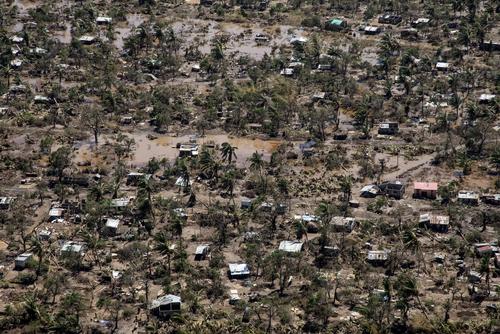
Aerial view of Buzi and the devastation caused by Cylone Idai.
منظر جوي لبلدة بوزي ويظهر الدمار الذي حل بالبلدة من الإعصار إيداي. موزمبيق، مارس/آذار 2019.
MSF/Pablo Garrigos
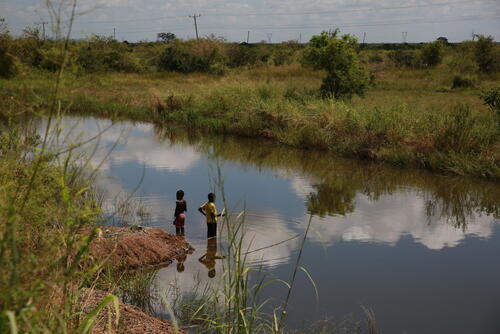
Children have to fish in a contaminated water because they’re hungry.
مع تناقص المواد الغذائية في أعقاب وقوع الإعصار إيداي، أطفال يصيدون السمك لتأمين غذائهم في مياه ملوثة بالكوليرا. مقاطعة نهاماتاندا، موزمبيق، أبريل/نيسان 2019.
MSF/Mohammad Ghannam
Mahamed Mohammad, 47, brings her little daughter to the vaccination site near the trees in an isolated community in Kieke, within the Zakouma National Park, where MSF vaccination teams searched for semi-nomadic families to provide them with measles vaccines.
محمد محمد مصطحباً ابنته لتحصل على اللقاح في كيكي، الواقعة ضمن منتزه زاكوما الوطني، حيث تبحث أطباء بلا حدود عن الناس شبه الرُحَّل لتزويدهم بلقاح الحصبة. تشاد، أبريل/نيسان 2019.
Juan Haro
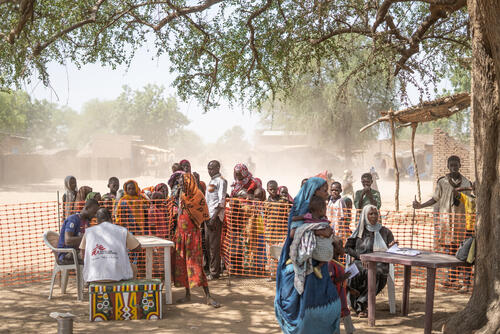
MSF medical teams found difficulties to meet the populations that were working in the fields out of Mina. In Chad, April is the time of the year when families move to the fields to collect their harvest before the rainy season arrives.
ينتظر الأهالي منذ الصباح الباكر بدء أنشطة التلقيح، بعد أن علموا من قادة المجتمع المحلي عن حملة أطباء بلا حدود قبل أيام. التقطت هذه الصورة في 4 أبريل/نيسان 2019.
Juan Haro
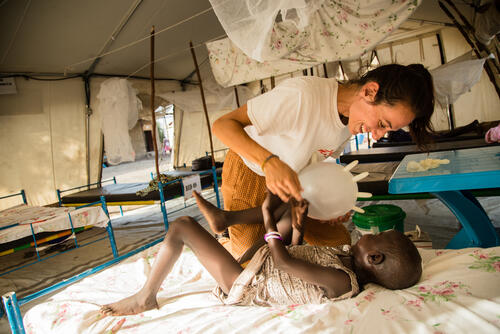
MSF nurse Bárbara García and Nyamach play with a balloon made from a surgical glove in the inpatient ward of MSF’s hospital in Ulang, in northeastern South Sudan.
الممرضة في أطباء بلا حدود باربرا غارسيا مع نياماش تلعبان ببالون هو عبارة عن قفاز جراحي في جناح المرضى الداخليين بمستشفى أطباء بلا حدود في أولانغ، في شمال شرق جنوب السودان. أبريل/نيسان 2019.
MSF/Igor Barbero
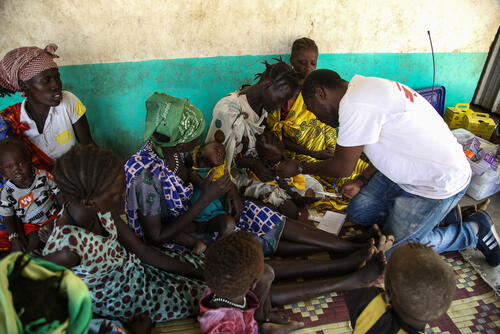
MSF medical team leader Benjamin Collins examines a child during a mobile clinic in the village of Ying, close to MSF’s hospital in Ulang, northeastern South Sudan.
قائد الفريق الطبي في أطباء بلا حدود بنجامين كولينز يفحص طفلاً أثناء عيادة جوالة في قرية يينغ، قرب مستشفى أولانغ التابع لأطباء بلا حدود، شمال شرق جنوب السودان. أبريل/نيسان 2019.
MSF/Igor Barbero
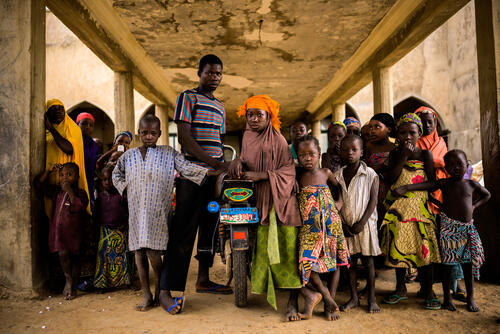
Rahamu daughter (orange scarf) of and other children of the camp.  
                                                                                                         “We had to flee from our village because armed bandits attacked us,” says Rahamu, 40 years old. She is the chosen representative of the displaced women who live on the old construction site that was once meant to become the "New Emir's Palace of Anka, Zamfara state, Nigeria. 

Rahamu used to live in Kuru-Kuru village, which within one day in walking distance from Anka. 300 people used to live in Kuru-Kuru. Now the village is deserted. “I have been living here with my husband and my nine children for a year and a half now,” says Rahamu. “The problem started with cattle-rustling. They stole cows, they stole sheep and goats. We have had this problem for a good nine years,” she says. “But it has slowly gotten worse. We finally decided to desert our home when our relatives were shot and killed.” In one attack on her village, the armed assailants killed 26 people, four of them from Rahamu’s family. “They came in broad daylight, shortly after the afternoon prayers. They just descended on our village and started shooting.” In Anka, Rahamu now lives with her family in the room of an unfinished building. With white plastic sheeting, she has tried to create a little bit of private space for her family. “We were able to bring some of our animals, but we had to leave many things in the village,” says Rahamu. “When a group of men from our community went back to the village to collect some of their belongings, they realized that the bandits had taken away most things and burned all the clothes the villagers had left behind”. Normally, the farm would provide for the family. But the farmers cannot go back to their farm lands to plant or harvest. “We don’t go back to the village anymore. It is very dangerous. The bandits are still around and could come back.” To get food, Rahamu and her family receive help from the local community. “They bring us corn, sorghum, and palm oil.” MSF established a clinic near their site. “If the children have a fever, we take them there”.
أطفال الأسر النازحة وهم متجمعون عند مبنى قديم غير مكتمل البناء يعيشون فيه الآن – كان يبنى سابقاً ليصبح القصر الجديد لأمير أنكا. ولاية زمفارا، نيجيريا، يوليو/تموز 2019.
Benedicte Kurzen/NOOR
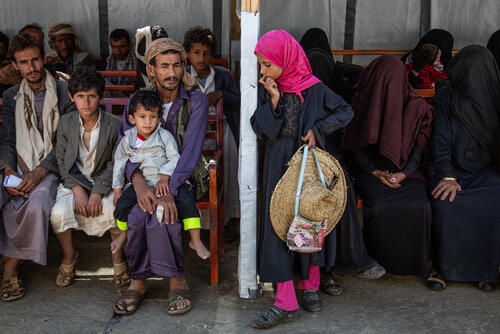
Yemen, Saada governorate, Haydan hospital, 20 April 2019 - People are waiting for a consultation outside the triage zone of Haydan hospital. MSF has been working in Haydan since 2015. On 26 October 2015, the hospital was hit by a Saudi and Emirati-led coalition airstrike, partially destroying the facility. In February 2017, MSF teams came back to Haydan and started a progressive implementation of medical activities: maternity (March 2017), IPD (April 2017), referral to Saada hospitals (May 2017), OPD (December 2017). They finished the hospital's reconstruction in April 2018. In 2018, around 14,000 emergency consultations and 3,800 antenatal consultations were provided at the hospital. The same year, more than 1,500 patients were admitted in the IPD. Haydan is located in Saada governorate, which remains the most targeted governorate by Saudi and Emirati-led coalition (SELC) airstrikes, according to the independent monitoring group Yemen Data Project (YDP). In 2018, 1,306 air raids hit this governorate (39% of all recorded air raids), more than in any other year since 2015 (YDP). According to YDP, 17,729 civilians were injured or killed in SELC air raids between 2015 and 2019 in Yemen.
أناس ينتظرون الحصول على الاستشارة الطبية أمام منطقة الفرز في مستشفى حيدان التابع لأطباء بلا حدود. محافظة صعدة، اليمن، أبريل/نيسان 2019.
MSF/Agnes Varraine-Leca
Yemen, Saada city, 21 April 2019 - An IDP camp inside Saada city.  One of Mosabi's wives and her child. Mosabi and his family were displaced from Harad, near the Saudi border, few months after the war started. They fled first to Hodeidah, and then went back to settle in this camp in Saada. Mosabi has 19 children, and 3 wives.
إحدى العائلات في مخيم للنازحين في مدينة صعدة. اليمن، أبريل/نيسان 2019.
MSF/Agnes Varraine-Leca
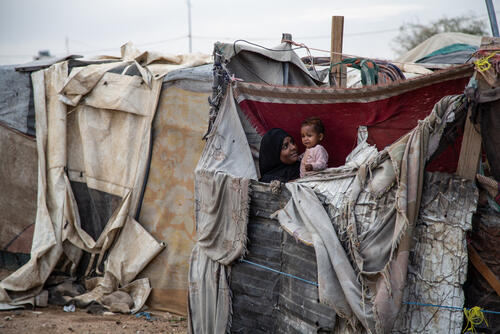
Since the end of March 2019, more than 15,0000 people have been displaced from the north of Hajjah governorate, adding to an existing 100,000 people already displaced. Those who fled their homes are living in very difficult circumstances, lacking essential resources such as food, clean water, and basic sanitation infrastructure. 

MSF has begun outreach activities, operating mobile clinics in two different locations to provide consultations, vaccinations, and referral to the MSF-supported hospital in Abs. In addition, the team is providing mental health activities to children and MSF is providing camps with water.
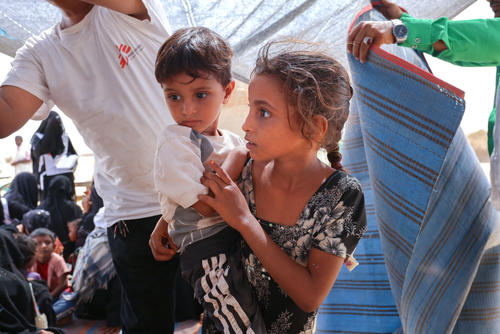
أطفال نازحون في شمال عبس حيث تدير منظمة أطباء بلا حدود عيادات متنقلة تقدم من خلالها الاستشارات واللقاحات وتنظم الإحالات إلى المستشفى الذي ندعمه هناك. اليمن، أبريل/نيسان 2019.
MSF/Al Hareth Al Maqaleh
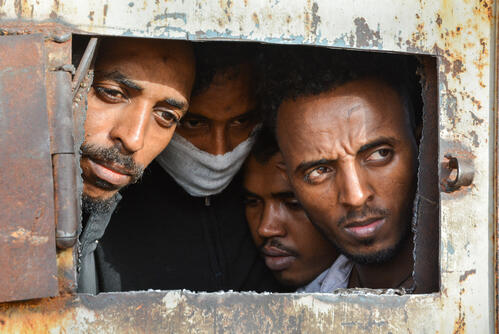
Refugees in Zintan DC at the gate of the main warehouse where 700 of them were detained. 
A tuberculosis outbreak has likely been raging for several months in the detention centre and some wear masks for fear of contamination. 
The main warehouse was emptied in June 2019, and the remaining people distributed among the other buildings within the detention centre compound.
لاجئون في مركز احتجاز الزنتان من خلف بوابة المخزن الرئيسي حيث يحتجز مئات الأشخاص في ظروف سيئة. ليبيا، يونيو/حزيران 2019.
Jérôme Tubiana/MSF
A Yezidi man aged 24 poses in his tent on Mount Sinjar on September 3rd, 2019. 
« We are from the South of the mountain, close to Sinjar City. After the genocide, we stayed for one year in an IDP camp in Kurdistan, then we came here, to the mountain. I live in this tent with my family, my parents, my wife, my brother, my nephews… It is very, very difficult to live here. The living conditions are very hard. It’s either too hot or too cold. The latrines are shared and disgusting. There is no work here. I work with an armed group and make 300 USD a month. 
I am never happy. I am always upset. I cannot hang out with my friends because I can’t pretend to be happy. Depression is very hard. I feel like I am melting - and indeed I have lost a lot of weight. I affects my whole body. I also forget a lot of things. 
I keep thinking about things I saw, or heard, about the genocide. Children who died. Children who were killed by ISIS and then ISIS cooked them and gave the ‘meat’ to their mothers. 
I tried to kill myself three times: by drowning, with a gun, and with a knife. Each time, I was stopped. Since then, my family is worried about me, and I feel guilty because of that. It just makes things worse. 
I don’t want to take medication because it has too much side effects. I would like a magic pill to make all of what happened disappear, and make things good again. 
In those living conditions, it’s not easy to get better. Every single night I cry myself to sleep. Nothing makes me happy in life. There is no happiness in this life. If I am alive or dead, it’s the same thing. »
©Emilienne Malfatto
شاب إيزيديّ في الرابعة والعشرين من عمره، وهو جالس في خيمته في جبل سنجار العراقيّ. سبتمبر/أيلول 2019
Emilienne Malfatto
Mapechiyou, 26 years old, from Cameroon, watches as the remnants of an empty rubber boat pass on the starboard side of the Ocean Viking, likely evidence of another interception by the Libyan Coast Guard.
مابيتشيو، من الكاميرون، ينظر بينما تمر بقايا قارب مطاطي فارغ عند ميمنة سفينة أوشن فايكينغ، ويحتمل أن يدل ذلك على أن القارب قد اعتُرض من قبل خفر السواحل الليبي. البحر المتوسط، سبتمبر/أيلول 2019.
MSF/Hannah Wallace Bowman
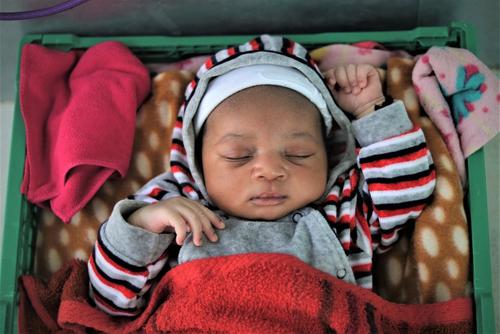
Our youngest survivor, 6 days old, on board the Ocean Viking as she sleeps in a makeshift crib in the women's shelter. She was rescued from a wooden boat on September 17, 2019 at just 4 days old, along with her mother and older brother.
طفلة رضيعة عمرها ستة أيام، وقد أُنقذت مع أمها وأخيها قبل يومين من على متن قارب خشبي، وفي الصورة تظهر نائمة في سرير صنع مما توفر من مواد، في مأوى النساء على متن سفينة أوشن فايكينغ. البحر المتوسط، سبتمبر/أيلول 2019.
MSF/Hannah Wallace Bowman
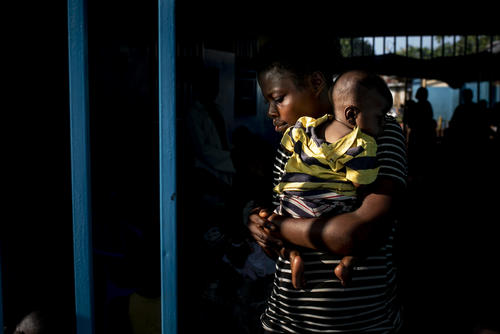
Portrait of a mother with his child leaving the health center of Lunyeka after get vaccinated against measles during the intervention launched by MSF in the Kamwesha health zone (Kasai).
أم تغادر مركز لونيكا الصحي مع طفلها بعد أن أخذ لقاح الحصبة، ضمن إجراءات وقائية أثناء تفشي المرض على مستوى كبير. إقليم كاساي، جمهورية الكونغو الديمقراطية، مايو/أيار 2019.
MSF/Pablo Garrigos
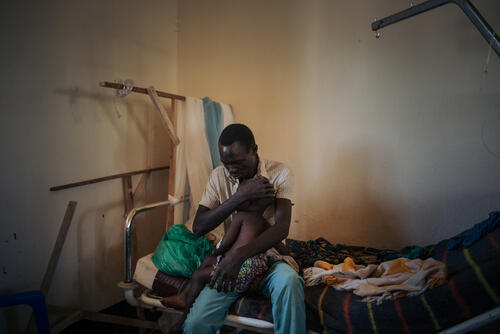
Joseph Drobho Giria holds his two-year-old daughter, Bhileru Drobho, who suffers from measles, in the measles unit run by MSF at Biringi Hospital, Ituri Province, northeastern Democratic Republic of Congo, on 06 November 2019. PHOTO: ALEXIS HUGUET/MSF
جوزيف دروبهو غيريا يحمل ابنته ذات العامين، بهيليرو دروبهو، المصابة بالحصبة، في الوحدة التي تديرها أطباء بلا حدود في مستشفى بيرينغي في إقليم إيتوري. جمهورية الكونغو الديمقراطية، نوفمبر/تشرين الثاني 2019.
Alexis Huguet
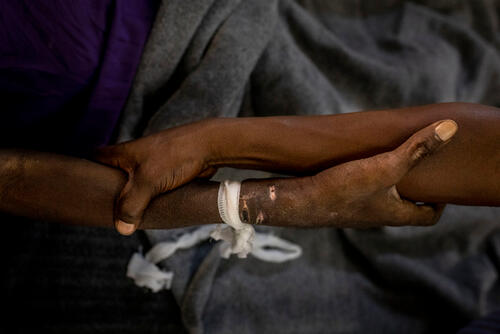
John * and Jean * hold each other’s arms in the CHK. Jean was diagnosed with HIV in 2010. He was hospitalized in June 2019 for the first time. A few weeks after his release, he had to return urgently for a new hospitalization.
جون وجان يمسكان ذراعي بعضهما البعض الآخر في مركز مستشفى كابيندا، الذي يعالج الناس من فيروس نقص المناعة البشرية المتقدم. كينشاسا، جمهورية الكونغو الديمقراطية، أغسطس/آب 2019.
MSF/Pablo Garrigos
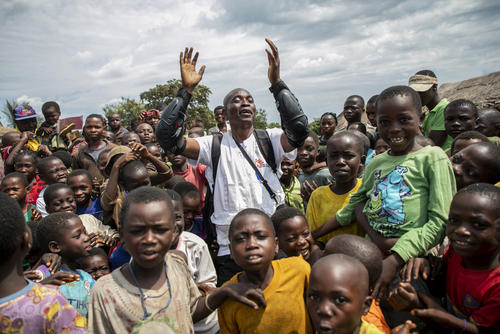
Papa Lazard, health promoter supervisor, sings a song to promote health values and popularity of the vaccine against measles at the Kweba village, Lungonzo district.
بابا لازارد الذي يشرف على أنشطة التثقيف الصحي وهو يغني أغنية للتوعية بلقاح الحصبة في قرية كويبا التابعة لمقاطعة لونغونزو. جمهورية الكونغو الديمقراطية، مايو/أيار 2019.
Pablo Garrigos/MSF
After an inhibitant of the village Ndiovu has been diagnosed with Lassa fever, a WatSan team visits the village to disinfect the house of the patient.
فريق تابع لأطباء بلا حدود متخصص في المياه والصرف الصحي يصل إلى قرية نديفو لتعقيم منزل مريض شُخّصت إصابته بحمى لاسا. أباكاليكي، نيجيريا، مايو/أيار 2019.
MSF/Albert Masias
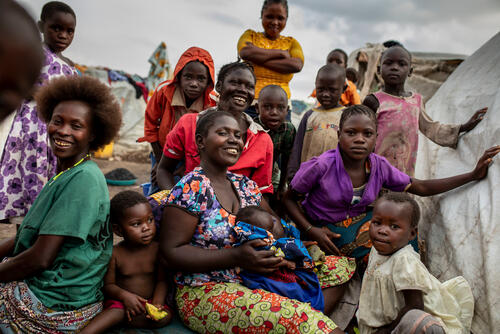
Daily life scene at the ISP camp for internally displaced people in Bunia. Thousands have fled their homes due to intercommunal violence in Ituri.
نساء وأطفال، نزحوا بفعل الاقتتال الذي نشأ في إقليم إيتوري، متجمعين بين الخيام في مخيم للنازحين في بونيا. جمهورية الكونغو الديمقراطية، يونيو/حزيران 2019.
MSF/Pablo Garrigos
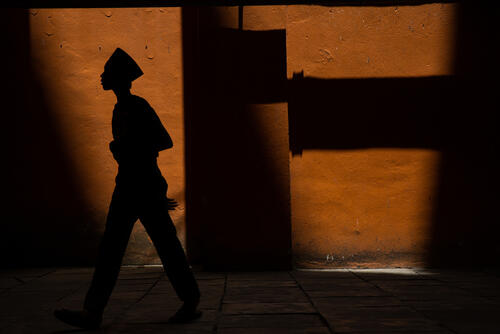
The shadow of a young Rohingya man walking to the mosque for Friday prayer in the Bagan Dalam district of Penang. Malaysia is not party to the 1951 Refugee Convention or its Protocol. The approximately 100,000 Rohingya living in Malaysia, as well as other refugees and asylum seekers, are therefore considered “illegal” immigrants. For this reason, they have few safety nets: They often hold jobs in the informal sector and keep a low profile, living in the shadows of society so as not to attract attention from the police or immigration officials. Children are unable to get a formal education and can be arrested and sent to detention centres if they go to a hospital, which can deter people from seeking medical care when they most need it. Penang
ظل شاب من الروهينغا في طريقه إلى المسجد لأداء صلاة الجمعة في منطقة باغان دالام في بينانغ. ماليزيا، أبريل/نيسان 2019.
Arnaud Finistre
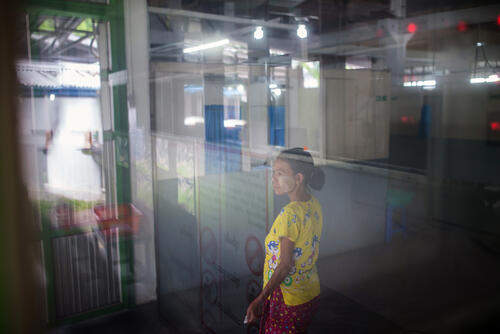
YANGON, MYANMAR – Ma Thinzar, a patient at MSF’s Insein clinic (or Myat Shwe Yi), poses for a portrait during a visit to the clinic. Ma Thinzar is  four months pregnant with her third child. She has received treatment for HIV for the past 19 years and has now been transferred to Myanmar’s National AIDS Programme for continued treatment. She plans to have her baby delivered at the Insein General Hospital by cesarean.
ما تهينزار، مصابة بفيروس نقص المناعة البشرية وحامل في الشهر الرابع بطفلها الثالث، أثناء زيارة لعيادة إنسين التي تديرها أطباء بلا حدود. يانغون، ميانمار، يونيو/حزيران 2019.
Minzayar Oo
Bardarah Refugee Camp, Iraq. October 31, 2019.

Syrian Kurdish refugees play soccer inside the Bardarash refugee camp in Iraqi-Kurdistan. 
According to the International Organization for Migration (IOM) as of November 6th more than 14,000 Syrian Kurds have fled their homes in Rojava, the Syrian-Kurdish enclave along the Turkish border in north-east Syria, and have taken refuge in camps inside Iraqi-Kurdistan. Bardarash camp houses over 12,000 Syrian-Kurdish refugees.
لاجؤون أكراد من سوريا يلعبون كرة القدم في مخيم بردرش للاجئين في كردستان العراق. العراق، أكتوبر/تشرين الأول 2019
Moises Saman / Magnum Photos for MSF
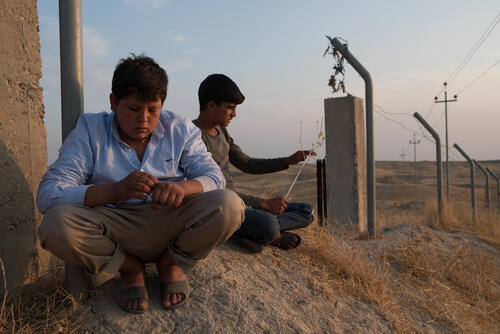
Ahmed (right) and Adham (left) are half brothers, which arrived to the camp two days ago. Adham bigger brother was fighting for YPG, the Syrian Kurdish forces, and got killed in battle. He also lost his mother, due to an airstrike by Turkish forces. Now he is alone in the camp with his half brother. The Bardarash camp was initially set up 2013 for Iraqis who where displaced by the fight against the Islamic State, but was closed in 2018  after the Islamic State was military defeated. Since the start of the offensive from Turkey in North East Syria, thousands seek safety in Iraq. Bardarash, 19.10.2019
أحمد (يمين) وأدهم (يسار) وهما أخوان غير شقيقين من أكراد سوريا، يجلسان قرب سياج مخيم بردرش للاجئين. العراق، أكتوبر/تشرين الأول 2019.
Vincent Haiges
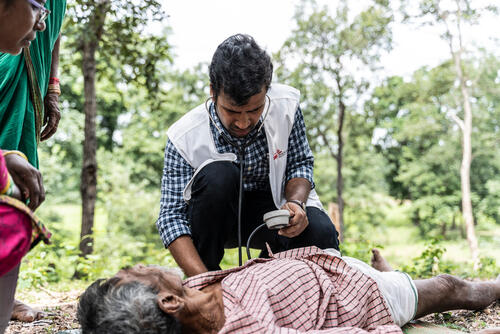
Karam Laccha had to endure pain for a week when he could no longer pass urine. His wife and son walked with him for about 10 kms for consultation from Dharmaram. Dr. Vishwas Reddy attends to him and notes his critical condition. His blood pressure is critically high at 160/100, his bladder is tense and tender,  and his respiration irregular. Dr. Reddy and Dr. Pavani Reddy (no relation), tried to pass foleys catharta to enable urination without success. They both suspect chronic kidney disease with prostetic abstraction of urethra. Laccha is referred to Bhadrachalma area hospital two hours away.
د. فيشوا ريدي يعتني بمريض وصل في وضع حرج، في جنوب تشاتيسغار، حيث تدير فرق أطباء بلا حدود عيادات متنقلة. الهند، أكتوبر/تشرين الأول 2019.
MSF/Tadeu Andre
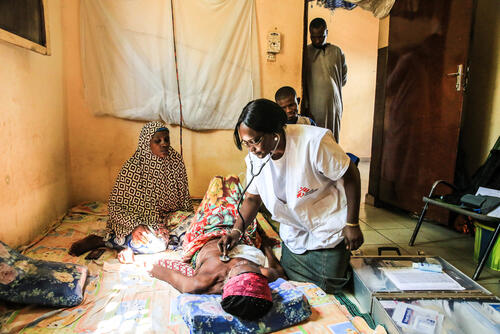
MSF doctor Djenabou Diallo examines her 77yo patient Bambi Gandega in Bamako. During the consultation, which takes place at the patient’s family home, Dr Djenabou Diallo checks on pain management, vital parameters, infections and any other pathologies the patient might have in addition to breast cancer.  
Bambi used to live in Kayes region but moved to Bamako to access oncology care as the only hospitals providing it are in the capital. She is hosted by family relatives. 
When MSF team first saw her in August 2019, she was in so much pain she could not speak.
الطبيبة العاملة في أطباء بلا حدود دجينابو ديالو تفحص مريضتها البالغة من العمر 77 عاماً، بامبي غانديغا، المصابة بسرطان الثدي، في باماكو. مالي، سبتمبر/أيلول 2019.
MSF/Mohammad Ghannam
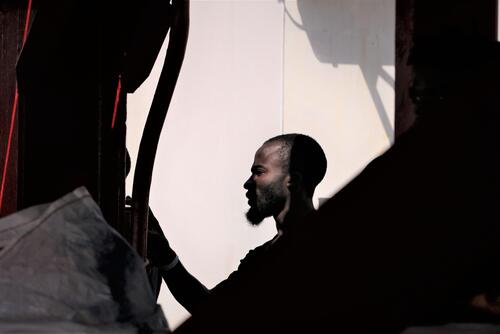
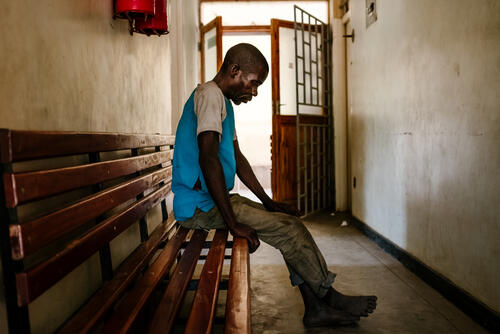
Manfred  seated in the corridor at Ndamera Health Centre as he waits for his turn to meet the clinician.
مانفرد، المصاب بالسل وبفيروس نقص المناعة البشرية المتقدم، ينتظر دوره ليعاينه الطبيب في مركز نداميرا الصحي. ملاوي، أكتوبر/تشرين الأول 2019.
MSF/Isabel Corthier
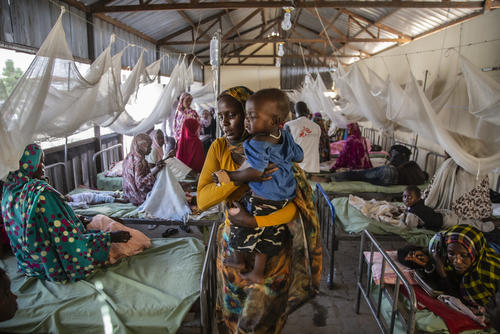
A mother holds her child in a ward for malaria patients at the Paediatrics hospital, in El Fasher, North Darfur, Sudan.
أم تحمل طفلها في جناح الملاريا التابع لمستشفى الأطفال في مدينة الفاشر، في شمال دارفور. السودان. أكتوبر/تشرين الأول 2019.
Igor G. Barbero / MSF/MSF
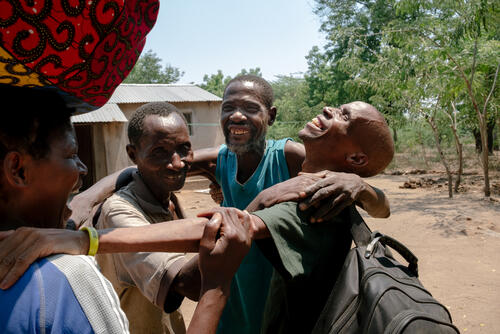
Friends and relatives welcoming Austin back home after being discharged from Nsanje District Hospital while Patuma looks on. He was admitted in the hospital and diagnosed for advanced HIV.
أصدقاء وأقارب يرحبون بأوستن الذي عاد للبيت بعد تخريجه من مستشفى منطقة نسانجي. وكان قد دخل المستشفى بعد تشخيصه بفيروس نقص المناعة البشرية المتقدم. ملاوي، أكتوبر/تشرين الأول 2019.
MSF/Isabel Corthier
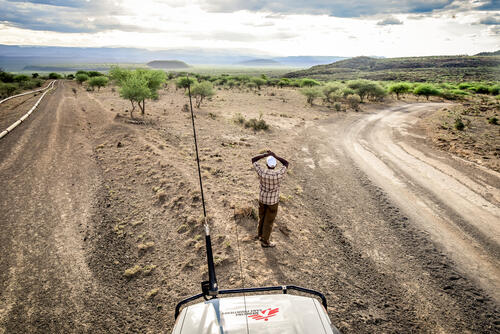
In February 2019, MSF sent a team to assess the problem, following media reports and a request from the residents for MSF to provide support. Following the visit, MSF confirmed an increase in number of snakebite cases, deaths and complications in recent past, especially in Tiaty Sub-County, with several gaps including a lack of antivenom.

MSF launched a three-month (Mid-April to June) intervention in consultation with the MoH.24 snake bite victims with about 10 cases spread in the rest of Baringo were managed during this period.

The team carried out  clinical trainings for 233 health care workers and 154 Community health extension workers, Community volunteers and Community resource persons. 

On the management of snake bites;  provided clinical  pocket guides  and standard operating procedures (SOPs) on management of snake bites for use in health facilities. The team supported in the development and roll out of health promotion messages on prevention and first aid management of snake bites which were used to train community health extension workers (CHEWs) and volunteers. 

On September 19, 2019, as the the world marks the second International Snakebite Awareness Day to raise awareness on the huge, yet mostly unrecognised, global impact of snakebite, MSF is calling for an ambitious, multifaceted approach in tackling this neglected health crisis.
سائق في أطباء بلا حدود ينظر إلى الطرق المحيطة ببارينغو أثناء زيارة تقييمية بعد ورود تقارير عن تزايد حالات لدغات الأفاعي في المنطقة. كينيا، مايو/أيار 2019.
MSF/Paul Odongo
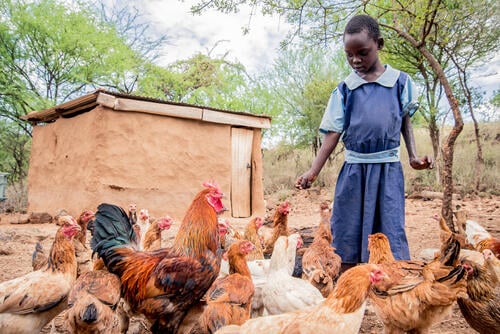
Jepngok Kiptui was just three when she was bitten by a snake while sleeping in her bed at their home in Emsos. “It was around eight in the night and the kids were asleep, but it seems the snake was already in the house and probably wanted to leave” her father, Patrick Kigen says. “The snake crawled outside the net against her left hand and bit her when she moved it. She screamed. I switched on my torch, only to see a cobra coiled on the floor, with its head raised. I pulled the children out and left the snake there.”

Getting to the hospital was difficult, as proximity to medical facilities, mobile phone reception and rough terrains all worked against them. It took them more than five hours to get to the county’s main referral hospital, after being referred from two hospitals that lacked the capacity to treat her. Little Cheptui had to undergo three surgeries: the first to remove the dead tissues killed by the snake’s venom, and two skin grafting surgeries.

She was left-handed then but had to learn to use her other hand, as she was no longer able to use her disfigured left hand.

“This is not the first time a child is bitten by a snake in my family. His younger brother was also bitten by a snake earlier in the year, and we rushed him to the hospital and he recovered well. There are many snakes in the area, we just have to cope with them,” he adds.
جيبنغوك كيبتوي ذات الثمانية أعوام تطعم دجاجات أهلها مستخدمة يدها اليمنى. ورغم أنها بالأصل كانت تستخدم يدها اليسرى لكنها تعرضت للدغة أفعى في ذراعها اليسرى وهي نائمة في سريرها، وكان عمرها حينئذ ثلاثة أعوام. وتسببت اللدغة التي لم تعالَج على الفور حينها في تشوه بذراعها اليسرى. كينيا، مايو/أيار 2019.
MSF/Paul Odongo
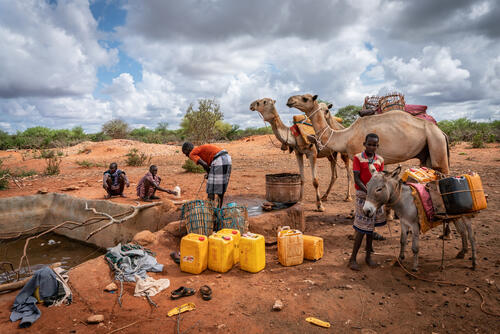
Camels are watered and used to transport the water filled for family drinking water consumption at a full ‘berkit’ (rainwater collecting clay pond). Wacdi village has a population of about 500 and after very good rains in the past one to two weeks, the surrounding bush population has grown to a population of 570. They moved close to benefit from the already filled and still filling up berkits. On average a member of the bush population may walk 20 to 40 km in one day to reach a village, to collect water or to reach a health facility. MSF tea team assessment visit to Wacdi village, 15 km from Wardher town.
الجمال تُسقى ثم تُستخدم لنقل مياه الشرب للأسرة، من البركة الممتلئة (وهي حوض لجمع ماء المطر). المنطقة الصومالية، إثيوبيا، أكتوبر/تشرين الأول 2019.
MSF/Susanne Doettling
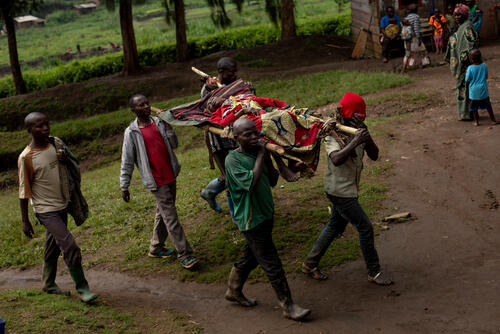
Villagers bring an old women to the MSF-supported Louashi health center in Masisi territory.
قرويون يحملون امرأة مسنة مريضة إلى المركز الصحي المدعوم من أطباء بلا حدود في لواشي بمنطقة ماسيسي للعلاج. إقليم شمال كيفو، جمهورية الكونغو الديمقراطية، أكتوبر/تشرين الأول 2019.
MSF/Pablo Garrigos
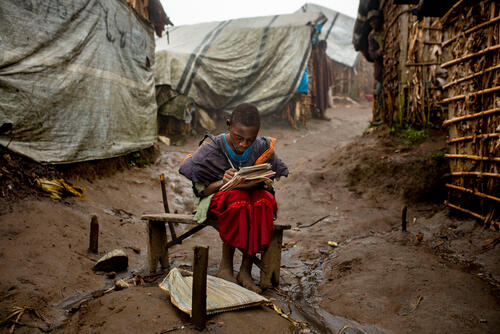
Portrait of a 12 years old girl in Katale IDP Camp in Masisi territory. She does her homework during the last daylight hours in front of her hut.
فتاة في الثانية عشرة من العمر، وهي تكتب واجبها المدرسي أمام كوخ أسرتها قبل حلول المساء، في مخيم كاليهي للنازحين في منطقة ماسيسي. إقليم شمال كيفو، جمهورية الكونغو الديمقراطية. أكتوبر/تشرين الأول 2019.
MSF/Pablo Garrigos
A child is checked for malnutrition
طفلة تخضع لفحص الكشف عن سوء التغذية خلال عملية طارئة نفذتها طواقم أطباء بلا حدود استجابةً لفيضانات غير مسبوقة. أولانغ، جنوب السودان، نوفمبر/تشرين الثاني 2019.
MSF/Nicola Flamigni
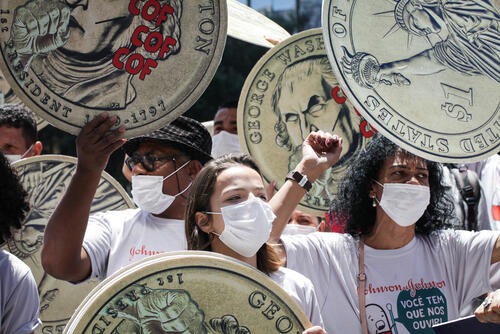
SAO PAULO, SP, 10-10-2019: Ativistas da organizacao Medicos Sem Fronteiras (MSF) protestam pela redução do preço da bedaquilina, um medicamento contra tuberculose (TB), na porta da empresa Johnson & Johnson, zona oeste. Em acao performatica, representantes da empresa retiram dinheiro de pacientes e depositam em cofre com formato de caixa de remedio. (Foto: Julia Chequer/MSF)
ناشطون يحتجون أمام مكاتب شركة جونسون أند جونسون للصناعات الدوائية في ساو باولو، مطالبين الشركة بخفض سعر دواء بيداكيلين، وهو دواء أساسي لعلاج السل. البرازيل، أكتوبر/تشرين الأول 2019.
MSF/Julia Chequer
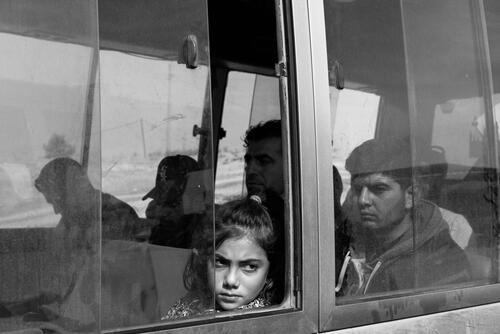
IRAQ. Sahela Border Crossing. November 1, 2019. Newly arrived Syrian-Kurdish refugees aboard a bus operated by the International Organization of Migration (IOM). Buses transport the newly arrived refugees from the Sahela Iraq-Syria border crossing in Iraqi-Kurdistan to the Bardarash refugee camp in Dohuk Province, Iraqi-Kurdistan.
لاجئون سوريون أكراد وصلوا حديثاً على متن حافلة تابعة للمنظمة الدولية للهجرة. تنقل الحافلات اللاجئين الواصلين حديثاً من معبر الساحلة الحدودي إلى مخيم بردرش للاجئين في محافظة دهوك بكردستان العراق. العراق، نوفمبر/تشرين الثاني 2019.
Moises Saman / Magnum Photos for MSF
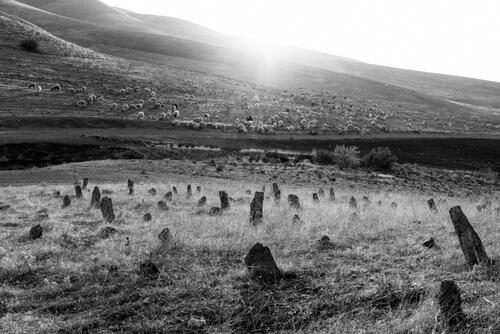
IRAQ. Bna. November 5, 2019. A cemetery near the village of Bna contains the bodies of Iraqi Kurds killed in various conflicts, including Saddam Hussein’s Anfal campaign, which killed 60,000 in the late 1980s.
مقبرة بالقرب من قرب بنا تحوي جثامين أكراد عراقيين قتلوا في نزاعات مختلفة، منها حملة الأنفال التي قادها صدام حسين، وقُتل فيها 60 ألف شخص في أواخر الثمانينيات. العراق، نوفمبر/تشرين الثاني 2019.
Moises Saman / Magnum Photos for MSF