


Discover all our latest news, stories and publications. Use the filter to get to the content you're looking for.
Libya
MSF ordered to leave Libya within one month
Press Release
29 Oct 2025
我们是谁
一个国际独立医疗人道救援组织
无国界医生(法语名是 Médecins Sans Frontières,英语名是Doctors Without Borders ,缩写是MSF) 为受武装冲突、疫病、灾难影响或被排拒于医疗护理之外的人们提供医疗援助。我们的团队由数以万计的专业人士组成,他们在健康和医疗保健、后勤、行政、通信、技术行业工作——他们因我们的章程而集结,为有需要的人提供援助。我们的行动遵循医疗道德以及不偏不倚、独立和中立的原则。我们是自治、会员制的非营利组织。
无国界医生于 1971 年由一群记者和医生在巴黎创立。今天,我们发展为一个 67,000 人参与的全球运动。
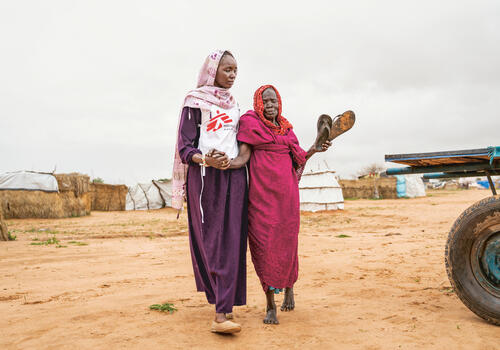
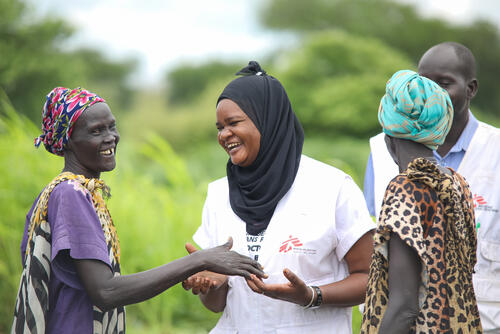
健康促进员艾莎·B(Aisha B.)陪同 80 岁的艾莎·G(Aisha G.)前往乍得东部阿德雷过渡营的无国界医生诊所。2024 年 7 月。
无国界医生章程
无国界医生是一个国际的非政府组织,主要由医生和医护人员组成,也欢迎有助实现组织目标的其他专业人员参与。
全体成员同意遵守以下原则:
无国界医生不分种族、宗教、信仰和政治立场,为身处困境的人们,以及天灾人祸和武装冲突的受害者提供援助。
无国界医生遵循国际医疗守则,坚持人道援助的权利,恪守中立和不偏不倚的立场,并要求其在行动中不受任何阻挠。
全体成员严格遵守其职业规范,并且完全独立于任何政治、经济和宗教势力之外。
作为志愿者,全体成员深谙执行组织的使命所面临的风险和困难,并且不会要求组织向其本人或受益人作出超乎组织所能提供的赔偿。
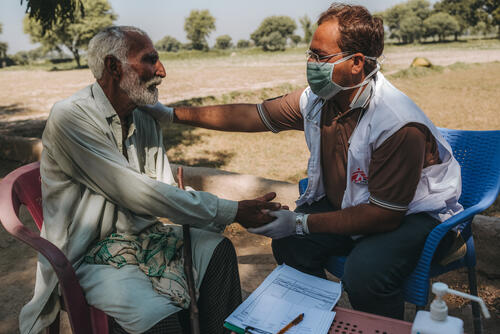
People and patients first
Our actions are guided by medical ethics
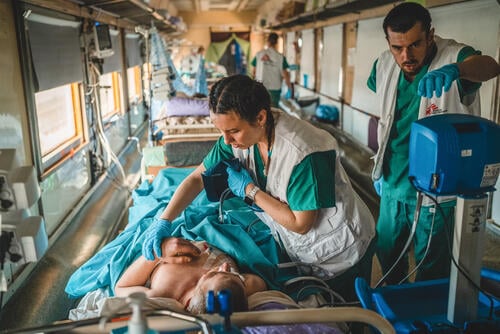
MSF’s actions are first and foremost medical. Our guiding aim is to provide the best quality of care possible – wherever we work – and to act always in the best interest of people and patients: to respect their confidentiality, their right to make their own decisions, and above all, to do them no harm. When medical assistance alone is not enough, we may provide shelter, water and sanitation, food, or other services.
工作原则

01
不偏不倚
我们提供的援助只建基于人们的需求。他们来自哪里,有何信仰政治倾向并不重要。我们优先处理最严重和危在旦夕的人。
02
独立
我们基于我们对医疗需求的评估决定提供何种援助,无关政治、经济或宗教利益。我们的独立性植根于我们的资金来源:当中98% 来自私人捐款者的小额捐赠。我们致力不受约束地评估需求和前往社区,并直接提供援助。
03
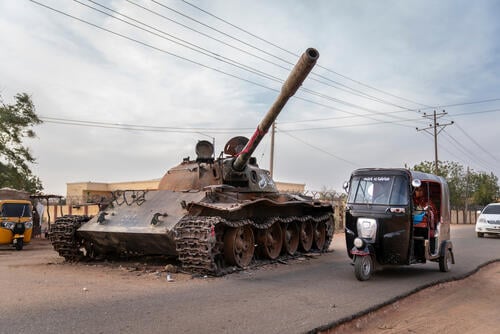
中立
我们在武装冲突中不偏袒任何一方,也不支持交战各方的意图。有时,我们未能身处冲突各方的控制地区,原因可能是因为我们被禁止进入、局势不稳,或,或人们的主要需求已经获得适切援助。
04
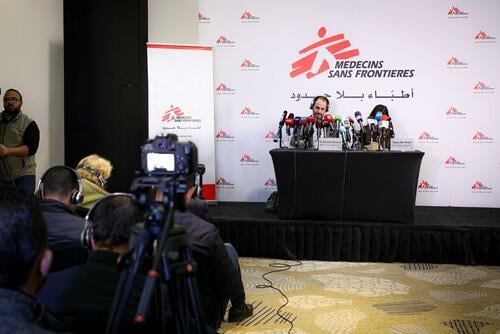
见证发声
“我们不确定言语是否总能挽救生命,但我们知道沉默肯定可以杀人。”无国界医生前主席奥宾斯基医生(Dr James Orbinski)在诺贝尔和平奖获奖感言中概述了我们见证发声的原则,即当我们想让“被遗忘”的危机呈现在人们面前,或看到正在发生的事情伤害了我们尝试援助的人时,我们会公开发声。这可能意味着批评一些持续侵犯行为或实施有害政策的政府、公司或其他组织。
Read our latest communications
05
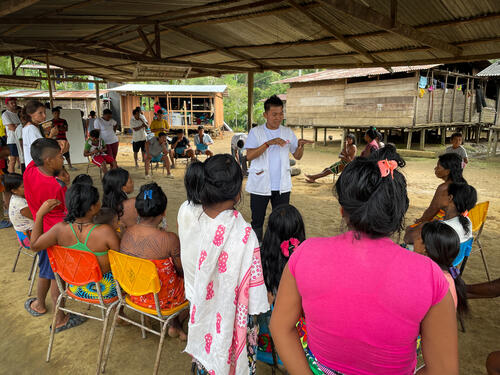
透明与问责
我们致力让我们的工作和资金运用尽可能公开和透明。我们不断反思我们工作的成败,以确保我们提供护理的效用、质量和效率不断改进。我们公开对自己的工作和不足负责,并明确我们面临的挑战。
MSF transparency and accountability我们是一项全球运动,员工来自 160 多个国家/地区
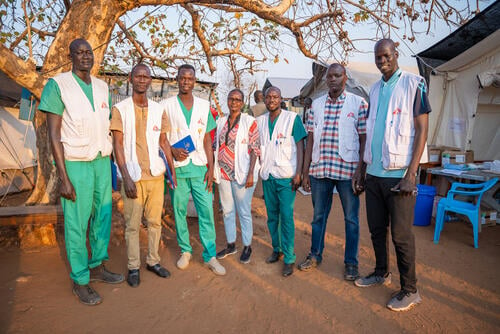
我们的优势在于我们的团队,从医疗、后勤到行政人员。 2024 年,我们在项目当地聘请了 60,000 名员工 ,还有数千名员工远赴海外参与前线工作。
我们不认为资源有限的国家就该忍受不合标准的医疗服务。我们努力为患者提供高质量的护理,并倡导负担得起的优质药物。

我们仰赖全球超过 710 万个人捐助者的慷慨支持。我们 98% 的资金来自私人捐款,使我们能够迅速行动拯救生命。
致力实现更多元、平等和共融
我们在全球163个国家招募了超过67,000名员工,并在全球 70 多个国家开展救援工作。因此,我们明了多元化、公平和共融关乎我们能否成功践行医疗人道使命。我们正通过挑战运营结构、为当地员工创造更多机会、重新评估薪酬和福利政策等措施,在组织上下推行改变,以更充分反映如此优良的多元特质,并建立一支全球工作团队。
Learn more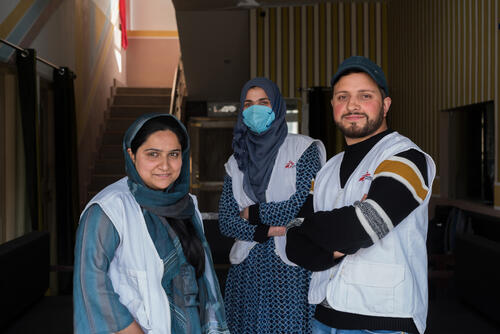
我们的历史
video
The MSF movement
我们的缘起
无国界医生的成立
从一群医生到一场国际运动:无国界医生运动在过去 50 多年里是如何发展的?通过动画电影《从前,有一场“无国界医生全球运动”》了解无国界医生的创建以及我们历史上的重要篇章。
无国界医生(MSF) 于 1971 年 12 月在尼日利亚比亚法拉(Biafra)爆发战争和饥荒后,由一群医生和记者在法国创立。他们的目标是建立一个专注于快速、有效和不偏不倚地提供独立紧急医疗援助的组织。
该组织成立时,包括 13 名创始医生和记者在内,团队共有 300 名志愿者,他们是医生、护士和其他工作人员。
无国界医生成立的理念是,无论性别、种族、宗教、信仰或政治派别,所有人都应该能够获得医疗护理,而且应对人们的医疗需求比尊重国界更重要。无国界医生的行动宗旨,在建立组织工作框架的章程里已有详述。
Founders of MSF
- 贝雷斯医生
- 贝尼耶
- 博雷尔
- 卡布罗尔医生
- 德尔古医生
- 伊曼纽尔医生
- 博斯维埃尔医生
- 伊卢
- 库什内医生
- 皮容医生
- 拉多曼医生
- 雷卡米耶医生
- 怀尔德医生
1971
章程下新成立的 无国界医生
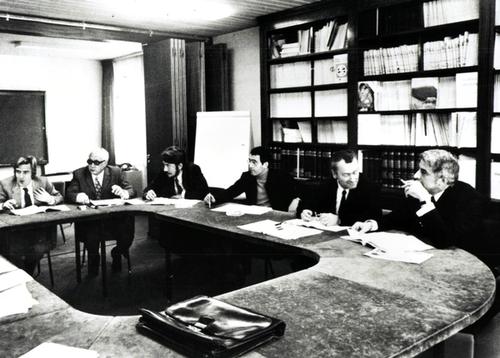
无国界医生于 1971 年 12 月 22 日在巴黎正式成立。当时,包括13名创立组织的医生和记者在内,该组织有 300 名志愿者,他们包括医生、护士和其他工作人员。
1972
无国界医生的首次行动
无国界医生于 1972 年在尼加拉瓜首都马那瓜开展了首个救援行动。此前,一场地震摧毁了该市的大部分地区,造成1~3万 人死亡。
1974
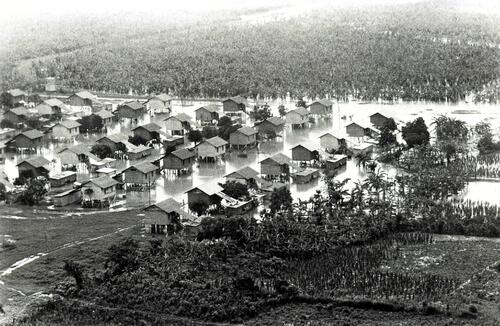
洪都拉斯的飓风
1974 年,在飓风“菲菲”造成严重水灾并导致数千人死亡后,无国界医生开展了援助洪都拉斯人民的活动。
1975
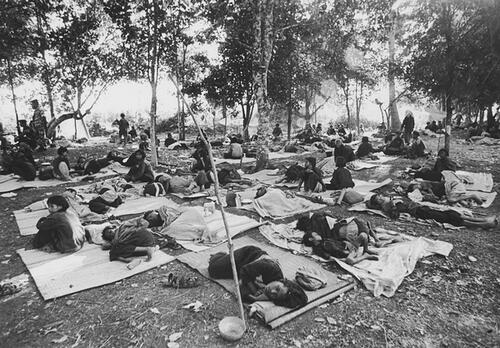
转折点
1975 年,无国界医生在难民危机期间开展了成立以来首个大规模的医疗行动,为寻求庇护以躲避波尔布特压迫统治的柬埔寨人提供医疗服务。
在最初几年的这些活动中,作为新成立的人道组织,无国界医生的弱点显而易见:准备不足,医生得不到支持,供应链错综复杂。这标志着一个转折点——运动开始出现分裂迹象。
1976
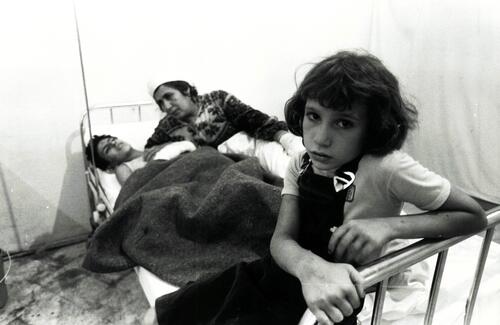
学习在战争环境中工作
从 1976 年到 1984 年,无国界医生在黎巴嫩首都贝鲁特和其他城市开展工作,治疗战争伤者,包括枪伤、断肢和烧伤的病人。但材料和工具不足,或不足以满足医疗团队的需求;没有 X 光片,没有电子仪器,大量检查无法进行。
在黎巴嫩开展工作的九年里,无国界医生的医疗队学会在战时为数以千计的患者提供医疗服务。在社区被轰炸的情况下,医生们要用很有限的物资挽救生命。
1979
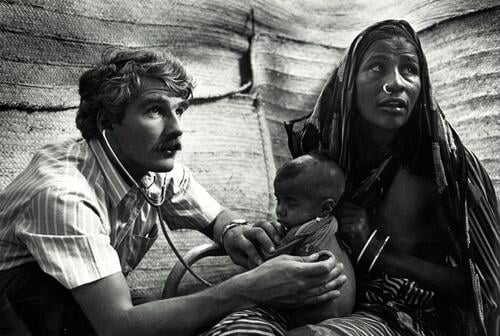
关于愿景的冲突导致分裂
1970 年代,在马尔胡雷特医生(Dr. Claude Malhuret) 和沙龙医生( Francis Charhon )的领导下,无国界医生开始不仅仅着眼于将医生派往危机地区,还着眼于建立一个更有体系的组织。联合创始人库什内医生(Dr. Bernard Kouchner )不同意这种演变,离开 无国界医生创办了另一个组织 Médecins du Monde(世界医生)。
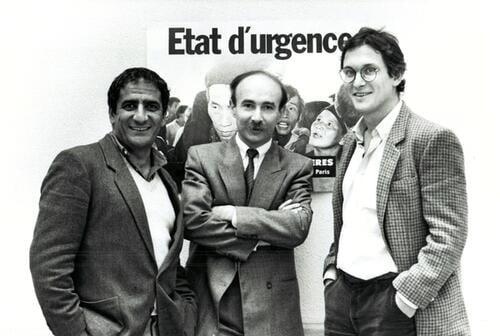
1980
转变
从这一点来看,正是由马尔胡雷特(Claude Malhuret)和布朗曼(Rony Brauman)为代表的无国界医生新的“现实主义”领导层帮助无国界医生转型成为今天的专业组织。

1980
柬埔寨
组织在国际舞台上第一次“见证”活动 (或者说发声活动) , 是无国界医生组织的 “柬埔寨生存游行 ”活动
1984
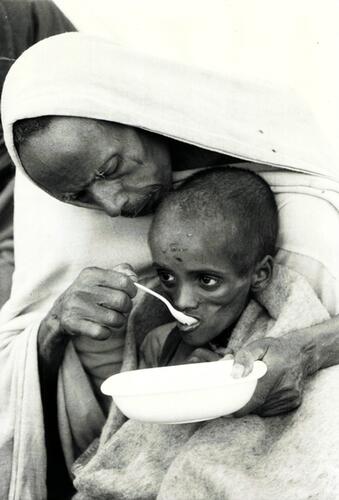
埃塞俄比亚 – 饥荒和发声
8 月,埃塞俄比亚每天有 50 人死于饥饿,数千人等待分发食物。政府花了几个月的时间才称其为饥荒。当政府开始强迫人们流离失所并转移人道援助时,无国界医生团队知道,除了大声疾呼,别无选择。1985 年 12 月,在该国工作的两个无国界医生办事处中,有一个办事处在谴责人们被拘留然后转移的条件后被驱逐。
1988
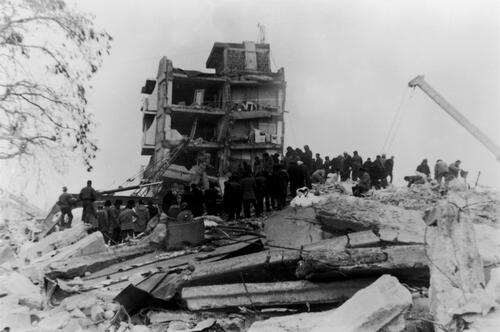
亚美尼亚 5万 人死亡
亚美尼亚的一场致命地震引发了当时的六个办事处(法国、比利时、西班牙、卢森堡、荷兰和瑞士)的首次大规模救援行动。
1991
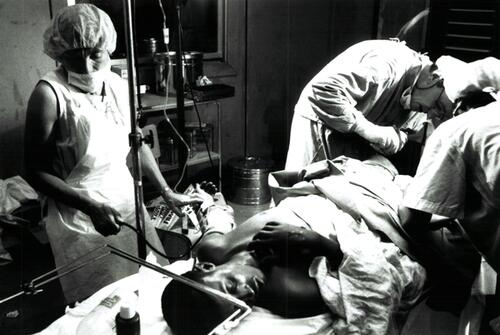
索马里内战
超过 30万 名索马里人在残酷的内战中死亡。1992 年 12 月,美军在索马里首都摩加迪沙登陆,以恢复秩序并分发粮食援助,最终失败。面对陷入无休止冲突的前景,美国撤军并将任务移交给联合国蓝盔部队。
无国界医生谴责这一策略的前后不一,以及军方的过激行为。1992 年,无国界医生提醒国际社会注意该国普遍存在的饥荒,并启动了营养不良治疗项目。
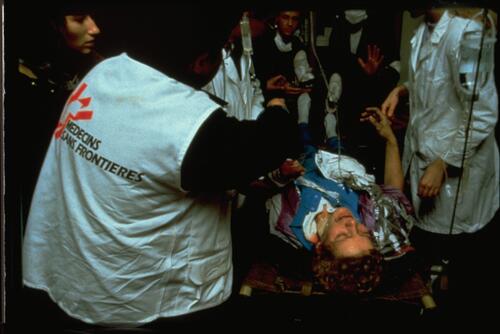
1991
南斯拉夫战争
1991 年,前南斯拉夫爆发了战争。1995 年 12 月,代顿和平协议的签署结束了分离主义战争,建立了波斯尼亚和黑塞哥维那(简称波黑) 。
无国界医生声称,大规模分发援助物资是国际社会的“拿人道做掩饰”,国际社会缺乏采取政治和军事措施来结束冲突的意愿。一些无国界医生领导人甚至呼吁对波黑塞尔维亚族(塞族) 对萨拉热窝的围攻进行武装干预。
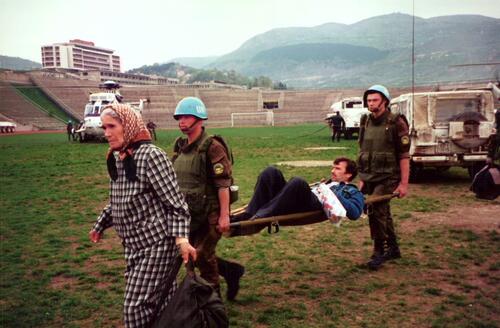
1993
波斯尼亚
在波黑战争期间,无国界医生在该地区的医疗活动扩展到联合国所谓的 戈拉兹德(Goradze) 和 斯雷布雷尼察(Srebenica) “保护区”。
1992 年 12 月,无国界医生发表了一份报告,描述了波黑塞族的种族清洗政策。该报告谴责波黑塞族人阻碍向斯雷布雷尼察和戈拉兹德这两个有穆斯林被围困的飞地提供物资。
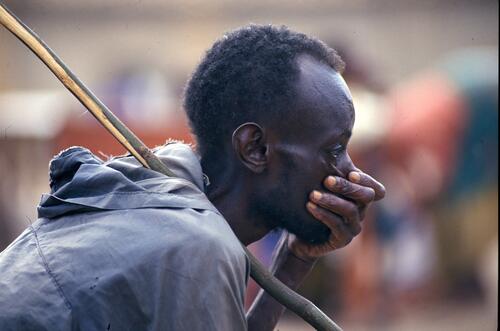
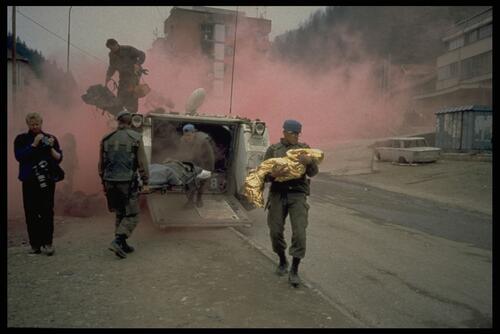
1995
斯雷布雷尼察大屠杀
1995 年,无国界医生唤起大众关注,并谴责对波黑的斯雷布雷尼察和戈拉兹德两地人民的保护不足,这两个地区是联合国指定的安全区,本应由联合国维和部队提供保护。无国界医生是斯雷布雷尼察沦陷期间唯一在场的国际人道救援组织,无国界医生还在 8 月谴责塞尔维亚军队屠杀 8,000 名平民。
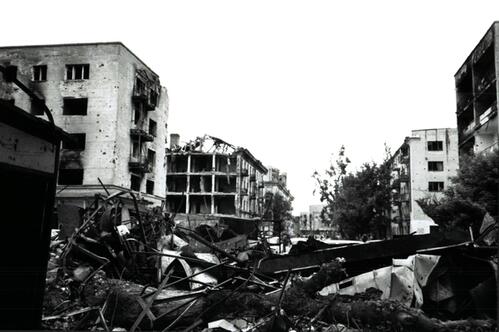
1995
车臣战争
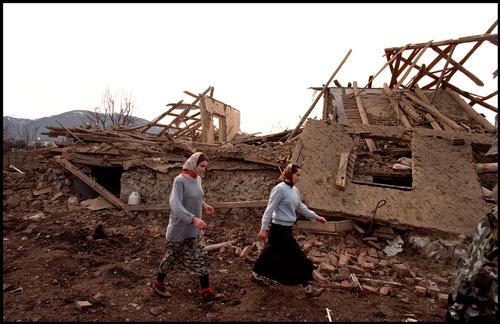
1994 年 12 月,俄罗斯坦克进入车臣共和国首都格罗兹尼。100 万人被困在炸弹、火箭和机枪的火力下。这座城市被夷为平地。
无国界医生团队在高度不安全的环境下提供医疗援助。两年后,无国界医生呼吁国际社会让俄罗斯政府停止在车臣发起的大规模侵犯人权和对平民的系统性攻击。
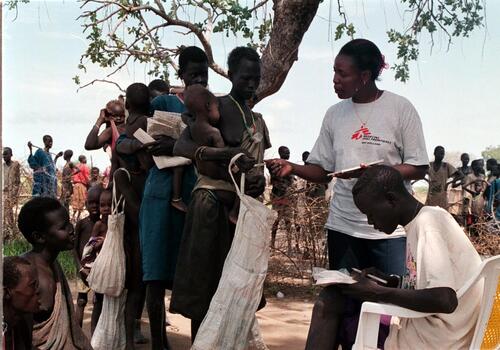
1998
苏丹的饥荒
无国界医生在提供援助的同时,也谴责联合国援助系统的不足,该系统没有帮助到最脆弱的群体,反而使最有权势的人受益。无国界医生的意见主要针对联合国儿童基金会 (UNICEF) 和世界粮食计划署 (WFP)。
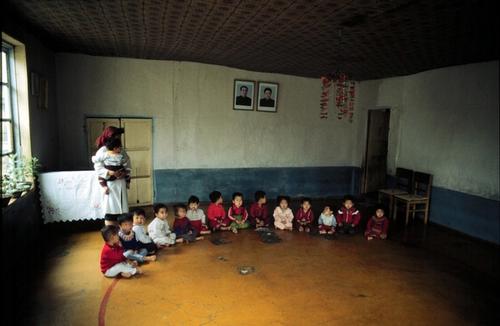
1999
科索沃的危机
无国界医生为科索沃的流离失所者和逃到阿尔巴尼亚、马其顿和黑山的难民营的难民,以及塞尔维亚的人们提供医疗服务。

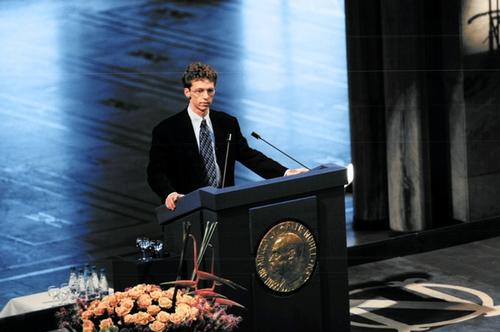
1999
诺贝尔和平奖
1999 年 10 月,无国界医生被授予诺贝尔和平奖。评委们选择无国界医生,“是为了表彰该组织在各大洲的开创性人道工作”,并向我们的医护人员致敬。
时任无国界医生国际主席的奥宾斯基医生(Dr. Dr James Orbinski )在获奖感言中公开向时任俄罗斯领导人鲍里斯·叶利钦做出呼吁,并谴责俄罗斯对车臣平民的暴力行为。
奥宾斯基博士为这一前所未有的举措解释说:“长期以来,人们一直将沉默与中立混为一谈,并被视为人道行动的必要条件。从一开始,无国界医生就是为了反对这种假设而创建的。
“我们不确定言语总能挽救生命,但我们知道沉默肯定可以杀人。”
阅读 获奖感言的文字记录。
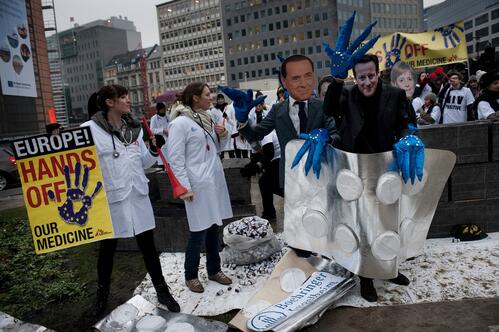
1999
无国界医生开展“病者有其药”项目
无国界医生将诺贝尔和平奖的收益用于设立“获得基本药物运动”(后来称为“病者有其药”),该运动主要为资源匮乏地区的人们提供可用、负担得起且适应性强的有效药物、检测工具和疫苗。
奖金还用于支持被忽视疾病治疗的临床开发、生产、采购和分发的试点项目,后来成为 被忽视疾病药物研发倡议组织(DNDi)。
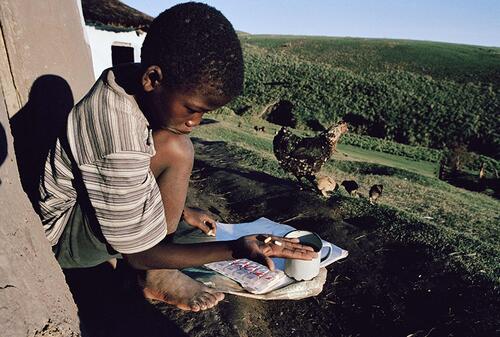
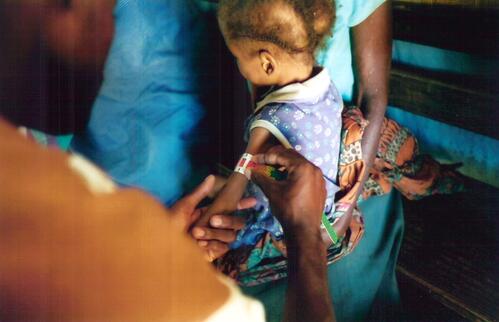
2002
安哥拉的饥荒
2002年初,无国界医生在威拉省的本杰(Bunjei)开展试点工作,发现每3名儿童中就有1名患有急性营养不良,并在村口发现了1000多座新坟墓。
无国界医生呼吁其他人道组织、捐助者和政府提供帮助。9000多名严重营养不良的儿童和2万名中度营养不良的儿童得到了治疗。大约 200 名国际员工和 2200 多名当地雇佣的员工参与了应对工作。
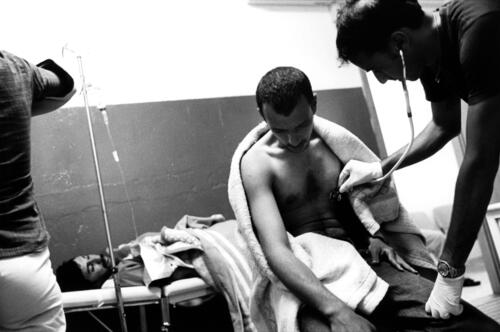
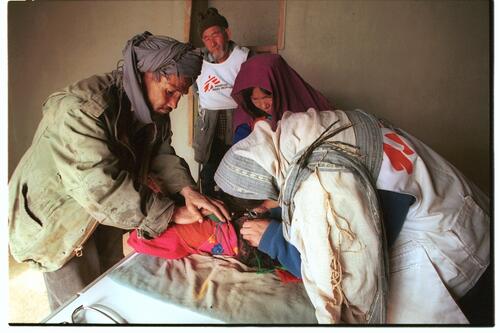
2002
阿富汗
美国领导的军事行动之后,无国界医生继续为活在战争下的阿富汗的人们提供人道援助。
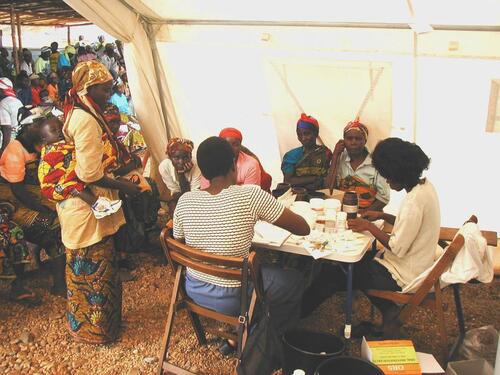
2002
对疟疾治疗的耐药性日益增强
无国界医生开始使用青蒿素联合疗法,并敦促非洲疟疾流行国家改变国家治疗规程。
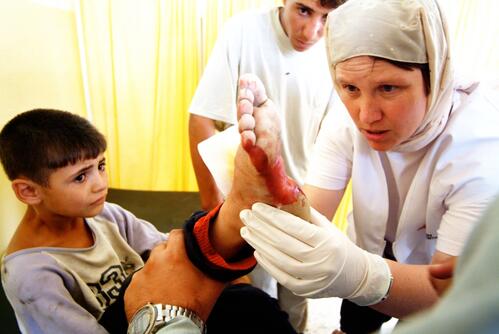
2003
美国入侵伊拉克
美国入侵伊拉克后,无国界医生团队在战争期间留在巴格达,应对美国政府未能为人们提供足够的医疗服务带来的缺口。
2003
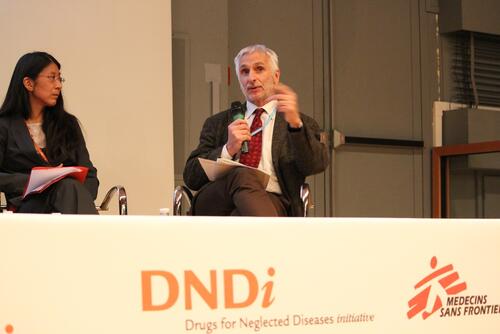
创建被忽视疾病药物研发倡议组织
三年前,无国界医生利用诺贝尔和平奖的资金,开始寻找其他方法资助治疗被忽视疾病的药物研发,三年后,无国界医生与五个组织一起发起了一项新的计划,以开展药物开发,即“被忽视疾病药物研发倡议组织”。
2004
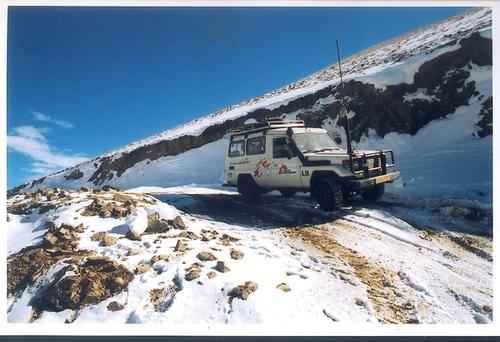
五名无国界医生同事在阿富汗遇害
6月,五名无国界医生工作人员在阿富汗的路上遭到袭击并丧生。随后,当局没有做出回应,这表明了他们的消极态度,缺乏对确保人道工作者安全的承诺。因此,无国界医生在该国工作了 20 年后全面撤出该国。
2004
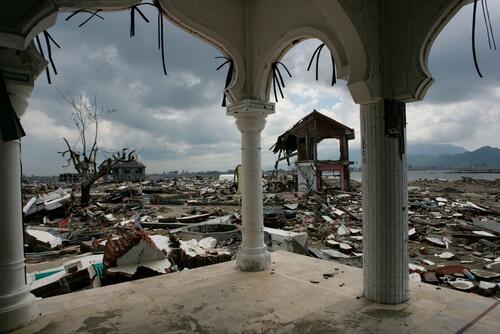
东南亚的海啸
第一支无国界医生团队在灾难发生后 72 小时内,即 2004 年 12 月 26 日抵达,无国界医生在印度尼西亚、马来西亚、印度、缅甸、斯里兰卡和泰国开展活动。面对前所未有的团结浪潮,在确定了该地区的响应规模后,无国界医生要求捐助者 停止 为危机捐款,因为我们已经收到了超出我们在该地区医疗计划所需的资金。我们还请求捐助者不限定捐款仅用于这一危机,以便它们可以用于其他紧急情况。
2005
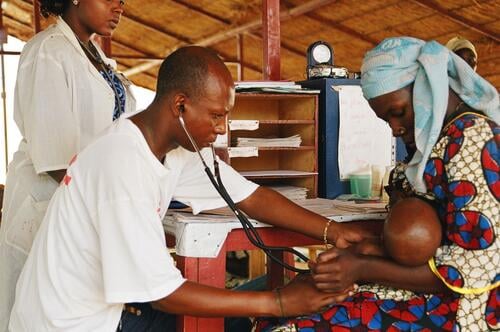
尼日尔的营养不良革命
无国界医生利用东南亚海啸后“不限定用途”的资金,响应尼日尔被忽视的营养不良危机,在门诊为63,000名严重营养不良的儿童提供一种新的治疗性即食食品。这是第一次如此大规模地使用这种治疗方案。无国界医生随后修订了治疗营养不良的指南,以纳入这种创新方法。
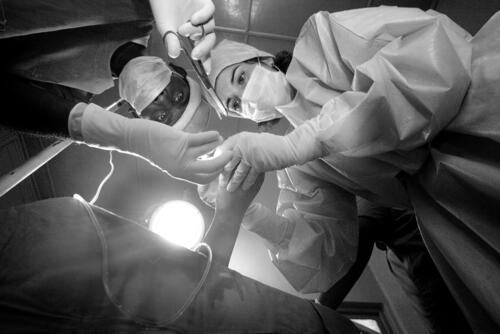
2006
斯里兰卡重陷战争
随着数以万计的人逃离该国北部的新一轮战斗,无国界医生在面临当局施加的一系列障碍后,在斯里兰卡北部和中部重开外科项目。
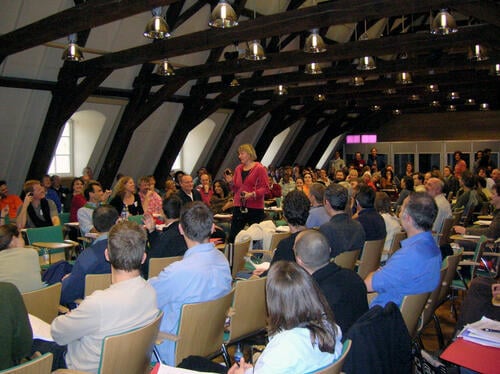
Jun 2006
拉曼恰协议
为了应对其活动、预算和部门的不断增长,无国界医生用一整年的时间进行一系列的内部咨询和辩论。带来一系列计划,以改进无国界医生作为一个运动和一个协会的决策过程和治理结构,。
结合我们过去的经验,《拉曼恰协议 》概述了我们一致认为不可或缺的行动方面,并确定了当前和未来的挑战。
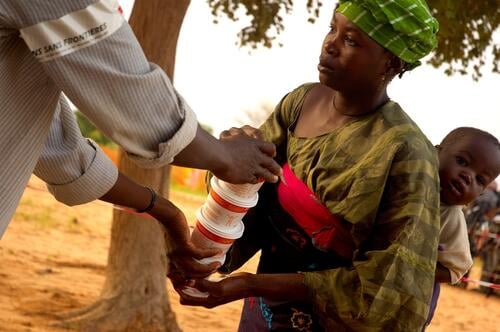
2007
推动扩大营养不良治疗的规模
随着即食治疗性食品在治疗重度和中度营养不良儿童方面的成功,无国界医生呼吁该领域的其他人扩大他们的计划并采用类似的方案。无国界医生的“病者有其药”(Campaign for Access to Essential Medicines)推动食品援助和营养治疗项目将最脆弱的群体(6个月至2岁儿童)的需求考虑在内。
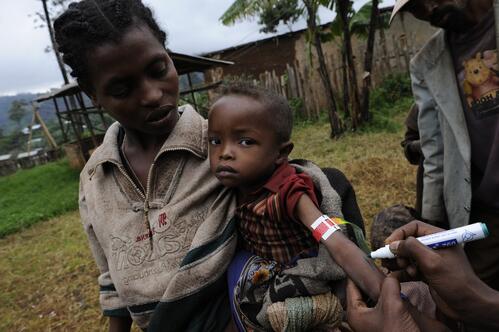
2008
埃塞俄比亚的营养不良危机
无国界医生在发现五岁以下儿童的营养不良率令人震惊后,在该国南部启动了紧急响应行动。这些团队治疗了 7.2万 多名患有急性营养不良的儿童,并向另外 1.4万 名处于危险中的儿童分发了食物。
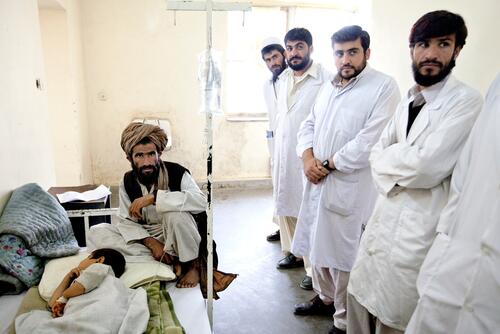
2009
返回阿富汗
继无国界医生于2004年同事遇害离开阿富汗后,无国界医生返回该国,开始为喀布尔和赫尔曼德省首府拉什卡尔加的医院提供支持。
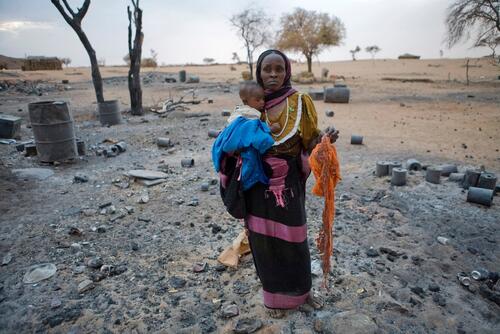
2009
苏丹艰难的一年
无国界医生在苏丹南部开展紧急行动,以应对不断升级的暴力和疫情,而在达尔富尔,政府驱逐了无国界医生的两个行动部门,四名工作人员被绑架。虽然有些项目已关闭,但无国界医生仍提供近12.9万次诊症,并为众多当地医疗中心提供支援。
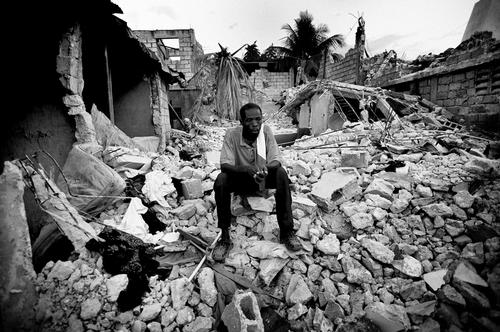
2010
海地的地震和霍乱
1 月 12 日,无国界医生在海地地震发生仅一天后就发起了其历史上最大规模的紧急救援行动。当时数十万人受伤或死亡,数百万人失去家园。10月,霍乱袭击该国后,无国界医生动员了数百名工作人员进行应对。我们在全国各地开设了 50 多个霍乱治疗中心,开展了广泛的公众教育活动,并为超过 10万 名患者提供服务。
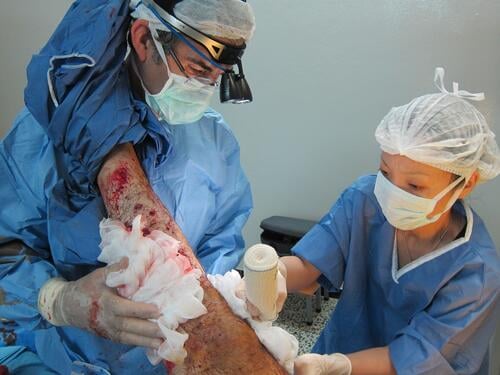
2012
叙利亚战争
自前一年叙利亚内战爆发以来,无国界医生在受冲突影响最严重的地区为越来越多的医疗机构提供支持。但整个地区的人道局势开始恶化。数以百万计的叙利亚人寻求庇护,但他们得到的援助和医疗援助还不够。2014 年初,五名无国界医生工作人员在叙利亚被绑架;同年晚些时候,无国界医生从伊斯兰国组织控制的领土撤出。
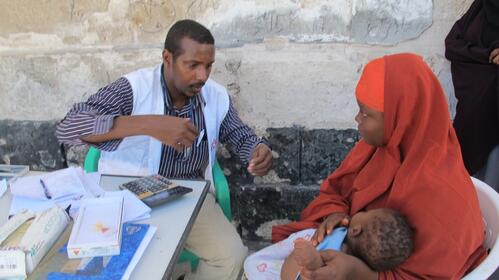
2013
离开索马里
8月14日,无国界医生关闭了在索马里的所有项目,此前该组织团队成员遭到了数次袭击,包括2011年绑架了两名被关押了近两年的员工。我们在谈判安全准入时,各方对这些攻击漠不关心,甚至接受这些攻击,这导致了无国界医生结束在该国 22 年的医疗服务。
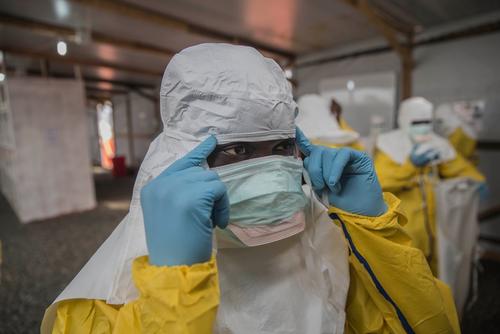
2014
西非埃博拉疫情
3 月 22 日,几内亚正式宣布爆发历史上最大规模的埃博拉疫情,并持续影响西非的六个国家,主要是几内亚、利比里亚和塞拉利昂。疫情夺走了超过 11,300 人的生命,其中包括 500 多名医护人员——比之前所有疫情的总和还要多。
在疫情最严重的时候,无国界医生雇佣了近 4,000 名本地员工和超过 325 名国际救援人员来对抗埃博拉病毒。我们的团队在埃博拉治疗中心共收治了 10,376 人,其中 5,226 人是埃博拉确诊病例。
疫情于 2016 年 6 月正式结束。
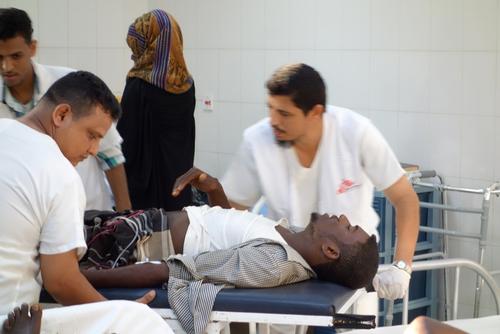
2014
也门内战
2014 年下半年,也门爆发了一场多方内战,Ansar Allah 党的武装人员反对沙特阿拉伯领导的伊斯兰团体、圣战势力和也门南部独立运动联盟。也门本已贫穷,战争进一步摧毁了也门,摧毁了本已脆弱的医疗保健系统。普通也门人难以获得和支付医疗服务;2017 年爆发的大规模霍乱进一步肆虐该国,造成数千人死亡。
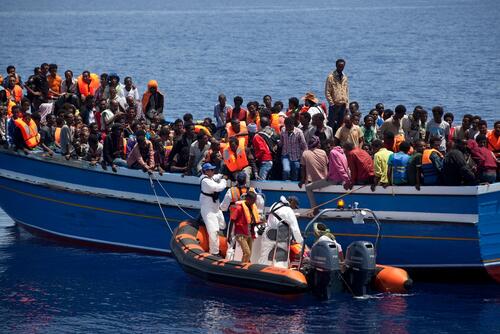
2015
地中海中部海域的搜救行动
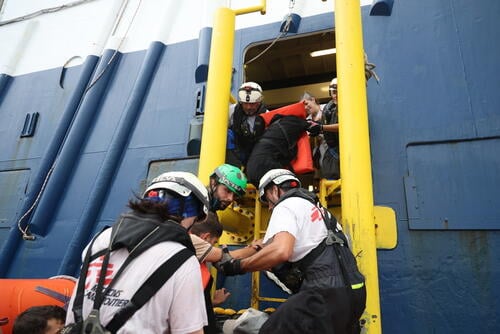
数以万计的移民和难民踏上了穿越地中海中部前往欧洲的危险海上旅程。5月,无国界医生和其他非政府组织开始在地中海中部开展搜救行动。
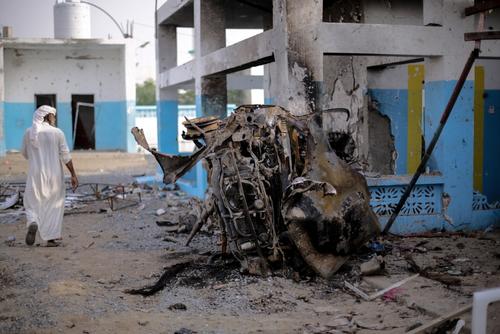
2015
医院 #不是袭击目标
10月3日,美国对无国界医生在阿富汗的昆都士创伤护理中心发动持续空袭,摧毁了该医院,并造成42人死亡,其中包括14名无国界医生工作人员。2016 年,叙利亚和也门约有 75 家无国界医生运营和支持的医疗机构遭到袭击。
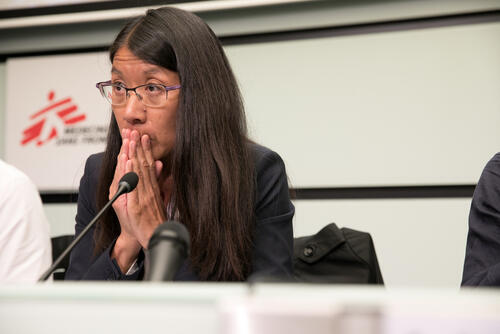
2016 年 5 月 3 日,无国界医生国际主席廖满嫦医生呼吁联合国安理会成员保护战区的平民和医院。
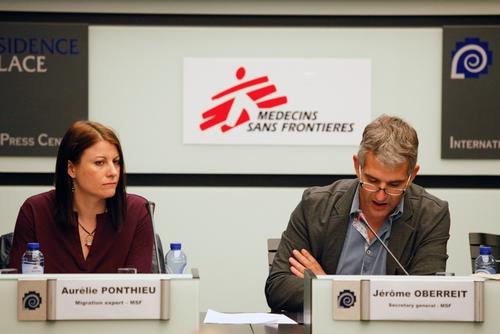
2016
无国界医生停止接受欧盟和会员国的资助
6月,无国界医生宣布 不再接受欧盟及其成员国的资助,以反对他们对难民和移民的破坏性威慑政策,以及欧盟不断加强将人们及其苦难赶出欧洲海岸的企图。这一决定立即生效,并适用于我们在全球范围内的项目。
2017
欧洲各国政府正在助长苦难
无国界医生国际主席廖满嫦医生向欧洲政府领导人发出一封公开信:“利比亚对移民和难民的拘留已经烂到骨子里。它必须以它的本质命名:一门充满绑架、酷刑和勒索的蒸蒸日上的生意。而欧洲政府选择在这种情况下将人们困住。
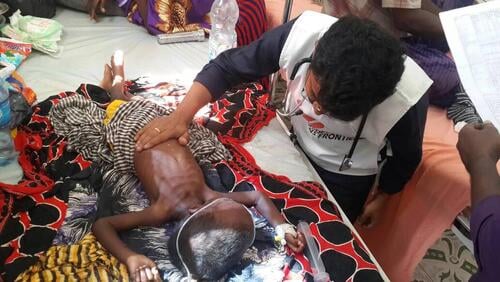
2017
返回索马里
2013 年,无国界医生在团队多次遭受暴力袭击后从索马里撤离。这一年,无国界医生重返索马里,并在邦特兰地区开展营养不良治疗项目。
尽管安全状况没有改善,但我们对面临极端苦难的索马里人民的承诺促使我们再次开展活动。我们的活动规模仍然有限,我们的运营能力在很大程度上取决于当局和东道主社区对我们的接纳和给我们的积极支持。
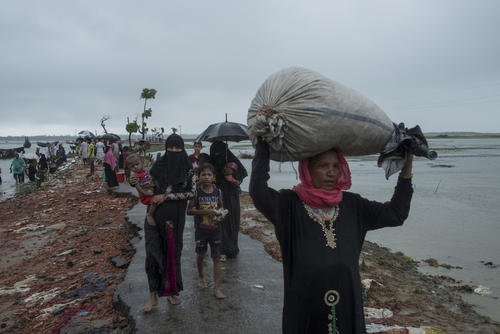
2017
罗兴亚难民危机
从 8 月 25 日开始,近 80万名罗兴亚人在邻国缅甸若开邦遭受针对性暴力后逃往孟加拉国。同年 12 月,我们对幸存者进行的一项回顾性死亡率调查显示,2017 年 8 月 25 日至 9 月 24 日期间,缅甸至少有 6,700 名罗兴亚人(最保守的估计)被暴力杀害。
在孟加拉国科克斯巴扎尔的难民营中,大多数人生活在恶劣的条件下。为此,无国界医生扩大了该地区的行动,包括为罗兴亚人提供水、卫生和医疗服务。

2018
刚果民主共和国连续暴发埃博拉疫情
5 月,刚果民主共和国 (DRC) 西北部赤道省暴发了埃博拉疫情,这是这种致命疾病在该国多轮暴发的开始,一直持续到 2022 年 8 月。
由于在冲突地区工作的复杂性以及无法获得社区的信任,响应者努力遏制从 2018 年 8 月开始在北基伍省、南基伍省和伊图里省暴发的长期疫情。这三次最大的疫情总共夺走了 2,300 多人的生命。
[跳转到 DRC 埃博拉疫情页面]
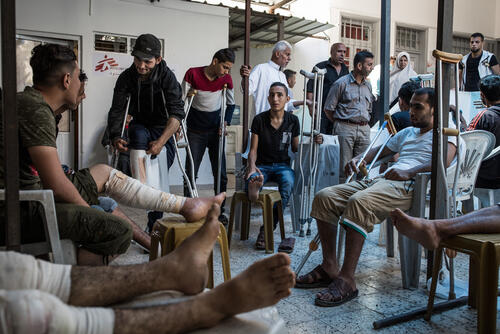
2018
巴勒斯坦的回归游行
从 2018 年 3 月开始到 2019 年 12 月,巴勒斯坦民众在分隔加沙地带与以色列的围栏边举行了系列示威活动,要求能够进入他们祖先的土地。以色列军队在每周抗议活动中向近 8,000 名巴勒斯坦人开火,令人们身体破碎。对复杂伤害进行专业治疗的需求大大超出了地方当局和无国界医生的能力。我们大规模扩大了外科和康复活动,但在一个被封锁了十年的地区提供医疗服务仍然困难重重。
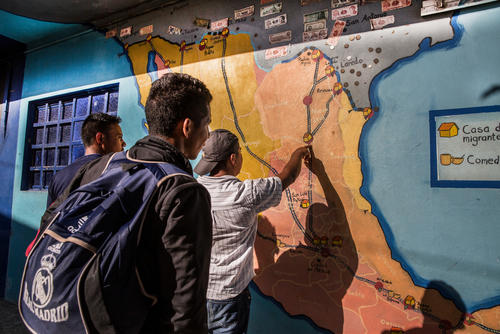
2018
因需要离开而受到惩罚
世界各国政府加强了边境和移民政策,加强了将移民和难民拒之门外的趋势。那些试图通过地中海离开利比亚的人多次被拦截。在穿越中美洲的途中,人们面临着难以想象的暴力。我们扩大了对迁徙者的援助规模,但并非没有挫折;由于意大利关闭港口,我们被迫结束搜救行动,瑙鲁则驱逐了我们的团队,令我们无法继续为被困在这个南太平洋小岛的移民提供支持。
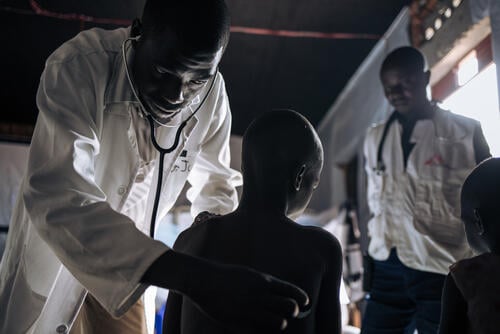
2019
大规模麻疹疫情
非洲大陆多个国家都暴发了这种高传染性疾病的疫情,麻疹患者人数创下 25 年来的最高纪录,世界各地有数千名儿童死亡。刚果民主共和国受到的打击尤其严重,无国界医生团队开展了疫苗接种活动,乘船在河流上下游寻找需要接种疫苗的村庄。无国界医生团队还应对了喀麦隆、尼日利亚和乍得等国的疫情。
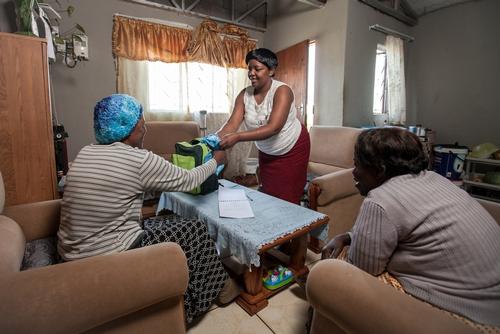
2019
南非夸祖鲁-纳塔尔省实现 艾滋病 “3个90%” 目标
无国界医生在南非夸祖鲁—纳塔尔省(KwaZulu Natal)小镇埃绍韦的艾滋病治疗项目,提前一年达到联合国艾滋病规划署(UNIAIDS)制订的“三个90”的目标。 该目标旨在让90%的艾滋病病毒感染者自身知情,90%感染者获得治疗及90%接受治疗的病人体内病毒载量得到抑制,数值低到无法检测。 这一结果是通过持续的社区参与实现的。
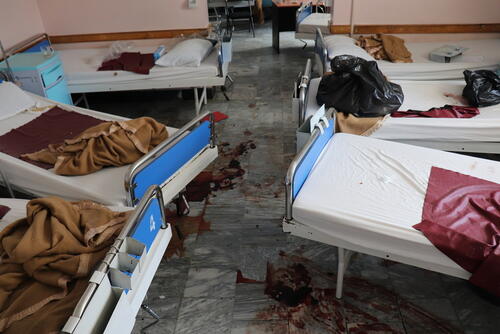
2020
达什特巴尔切 (Dasht-e-Barchi) 的母亲成为目标
5月12日,一群武装枪手袭击了喀布尔达什特巴尔切 (Dasht-e-Barchi)医院的妇产科,故意以处于分娩痛苦中的妇女和新妈妈为目标。这次袭击夺走了 16 名妇女、2 名男孩和一名无国界医生助产士的生命。由于不安全局势和无法保证患者的安全,我们做出了撤离的艰难决定,而该地区的妇女面对着得不到全面的产科护理的未来。
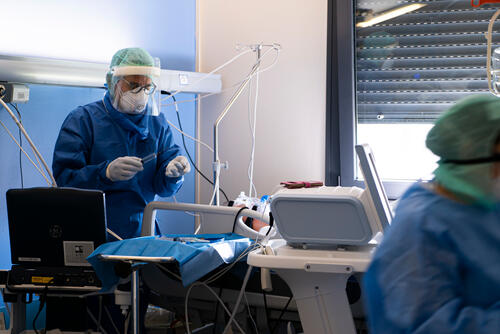
2020
2019冠状病毒病(COVID-19) 大流行
2019冠状病毒病的暴发演变成持续两年多的全球大流行病,仅在 2020 年,该病毒 就感染了数亿人,夺走了近 200 万人的生命。面对日益严峻的挑战,无国界医生团队在疫情初期迅速行动,确保人们能够继续获得医疗服务,并在我们工作的国家和我们以前从未需要应对的国家应对新疾病。病者有其药项目 还敦促制药公司不要从大流行中获利,并确保公平公正的疫苗分配。
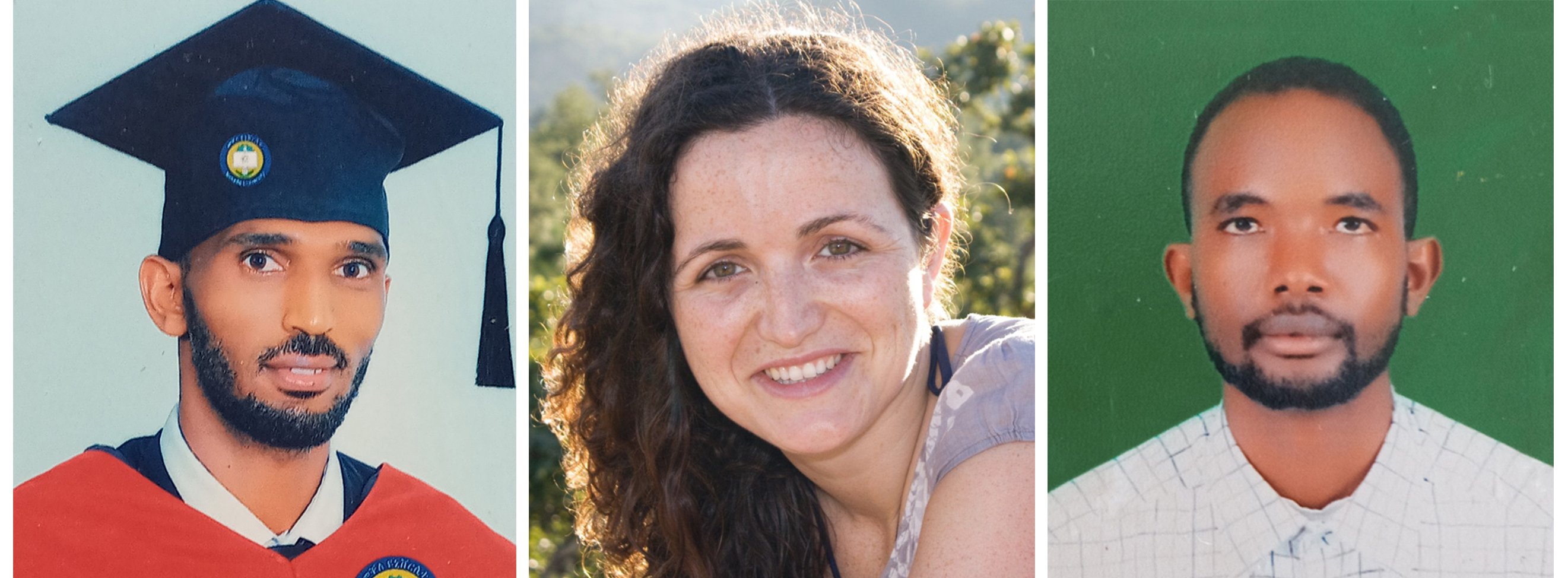
2021
三名无国界医生同事在埃塞俄比亚遇害
埃塞俄比亚北部提格雷地区持续的冲突迫使人们逃离家园,生活在恶劣的条件下,无法获得食物、水和医疗援助。我们的团队也未能幸免于暴力。6 月 24 日,我们的同事 玛丽娅(María Hernández Matas)、约翰尼斯(Yohannes Halefom Reda) 和特德罗斯( Tedros Gebremariam Gebremichael) 被残忍杀害。由于无法厘清谁应对他们的死亡负责,而且难以在当地为我们的团队提供支持和供应,我们在埃塞俄比亚的活动举步维艰。

2021
萨赫勒地区的疾病和流离失所
2012 年萨赫勒地区出现的武装团体在此后的几年里继续激增,导致针对布基纳法索、马里、尼日尔和尼日利亚社区的暴力不断飙升。暴力局势导致流离失所浪潮,使人们面临其他危险,例如因卫生条件差而引起的疾病。我们的团队在能够接触到人们的地方,为尼日尔的大量严重营养不良难民儿童提供援助。,此前数千人因逃离尼日利亚西北部的暴力局势在此聚集。
2021
人道救援50年
2021 年 12 月 22 日是无国界医生在巴黎签署成立章程 50 周年。半个世纪过去了,我们继续秉持独立和不偏不倚的核心原则,并以激励我们创始人的人道精神为指导。

2022
海地的暴力
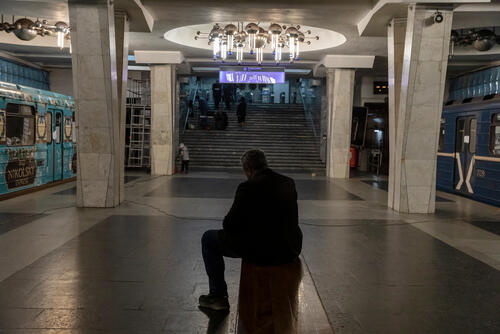
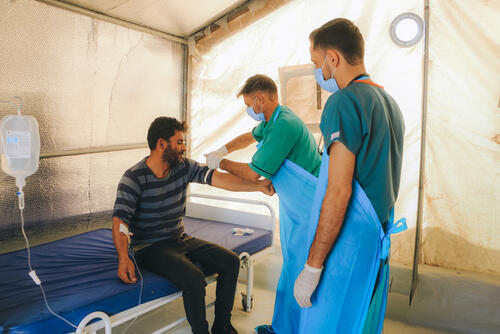
2021 年总统遇刺和武装团伙接管逐个社区导致太子港的暴力水平不断升级。一些社区被困,无法获得食物、水或医疗服务。我们在太子港的团队经常要疲于应对大量与暴力相关的创伤。激烈的暴力迫使我们在首都不同地区的医疗活动在这一年,以及随后的几年中多次暂停。
2022
霍乱卷土重来
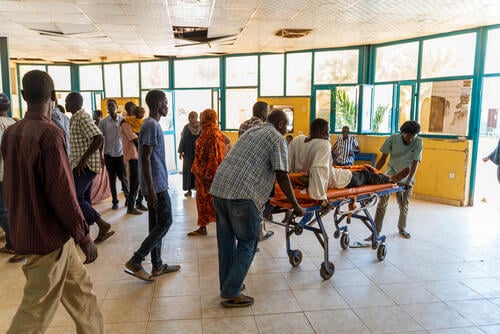
有 30 个国家/地区记录了这种高度传染性疾病的病例或疫情,我们在其中至少 10 个国家/地区采取了应对措施,包括尼日利亚、叙利亚、喀麦隆、尼日尔、黎巴嫩、刚果民主共和国和肯尼亚。在海地,记录的 15,000 多例病例中,绝大多数在我们的设施中得到治疗。我们的团队还支持疫情下的免疫接种工作。
2023
苏丹的冲突
4 月中旬,https://www.msf.org/conflict-sudan苏丹军队和准军事组织快速支援部队 (Rapid Support Forces) 之间的战争突然在苏丹各地爆发https://www.msf.org/sudan。团队迅速调整了他们的活动以应对,但有时会面临令人沮丧的限制。新员工无法进入该国或部分地区,交战各方系统性地封锁了医疗和基本物资。与此同时,人们在流离失所者营地中遭受极端暴力,活在恶劣的生活条件下。

2023
加沙-以色列战争
10 月 7 日,统治巴勒斯坦加沙地带的哈马斯https://www.msf.org/palestine袭击以色列,造成 1,200 人死亡,250 多人被劫为人质。作为回应,以色列粉碎了加沙,无情地轰炸和攻击包括医院在内的民用基础设施。水、食物、电力和药品的供应在全面封锁中被切断。大多数医疗机构不再运作或几乎无法运作;截至 2024 年底,已有近 45,000 人丧生,其中包括 8 名无国界医生工作人员。大约 90% 的加沙人流离失所,许多人多次流离失所。
2023
结核病治疗的成功
在 11 个月的时间里,无国界医生两项临床试验的结果公布,显示治疗耐药结核病方面有了巨大改善。TB-PRACTECAL 和end-TB两个临床试验使用更短期、更有效的口服药物治疗方案,治愈率高达 90%。
来自无国界医生 病者有其药项目的压力也导致一项关键诊断试剂的降价,同时制药公司强生( Johnson& Johnson) 放弃了关键药物贝达喹啉的次级专利,为仿制药铺平了道路。
Anchor Links
Label
无国界医生章程
Anchor
charter
Label
Working principles
Anchor
principles
Label
Our history
Anchor
history
Label
Timeline
Anchor
timeline
Hero Image
Headline
我们是无国界医生
Background
Image
Eyebrow
我们是谁
Hero Alignment
center
Schedule content for publication
Off
Description
Learn about the MSF charter, who we are, our history and our working principles guided by medical ethics, impartiality, independence, neutrality, bearing witness and transparency.
Select caption
Short caption
Use a custom breadcrumb
No
Staff Social Media Guidelines
Core Materials: Using Social Media
When used responsibly, social media can help us share our work. Use the three core materials listed below to guide your own personal social media use to avoid harming to yourself, your peers or the communities we serve.
- MSF's Social Media Guidelines poster (see below) outlines the main points of responsible social media use when using your personal accounts.
- MSF Behavioural Commitments detail the minimum behavioural standards (offline and online) expected of all staff.
- Staff handbooks/ office employee policies may also apply in your office that go beyond these guidelines. Ask your manager what rules are in place.

Download the Social Media 2025 guidelines in other languages, by visiting our SharePoint site:
Once you have reviewed the core materials above, take a look at best practices versus bad practices, and the additional resources below.
We recognise the importance of freedom of expression and the critical role of speaking out, especially in under-reported crises. These resources are designed to enhance your knowledge about responsible behaviour online to make sure you can speak out without causing harm to yourself or others.
The principles embedded in the MSF behavioural commitments directly intersect with your personal social media use. For instance, your commitment to respectful behaviour and non-discrimination extends to your online interactions, ensuring that your posts do not cause harm or contradict MSF's humanitarian values.
Similarly, your commitment to not take advantage of vulnerable people means you must exercise caution when sharing posts related to crisis-affected communities. We ask you not to take or share photographs of patients and/or vulnerable people on your personal accounts, and make sure your colleagues are comfortable with you taking and sharing their image by asking explicitly for their consent (more information on this below under additional resources).
Your adherence to these commitments, even in your personal online space, is crucial for maintaining the trust and credibility that support MSF's ability to operate effectively in challenging environments.
✅ Examples of Good Practice
✅ Sharing publicly available, official MSF content
➡️ Example: You reshare an official MSF comment on a humanitarian crisis, or share a link to an MSF article about our work in a specific region, without adding personal commentary that could be misinterpreted as an official statement.
✅ Why it is good practice: This helps disseminate accurate and comprehensive information about MSF's work and advocacy, supporting MSF’s mission without the risk of accidentally crossing a communications red line or misrepresenting a crisis.
✅ Clearly stating that views are personal
➡️ Example: If you have written that you work for MSF in your profile information, you also add a disclaimer e.g. "the views expressed here are my own and do not necessarily reflect the official position of Médecins Sans Frontières/Doctors Without Borders."
✅ Why it is good practice: This disclaimer helps to maintain a clear distinction between your personal opinions and the official stance of MSF which is very important to prevent any confusion from the public, media or government officials who may otherwise confuse your posts as official MSF messages.
Maintaining a clear distinction between personal accounts and institutional accounts is also why we ask you to never use the MSF logo as your profile photo or header photo.
✅ Protecting privacy and exercising caution with images
➡️ Example: You avoid posting photos or videos of patients and ensure the content you publish respects dignity and "does no harm."
This includes being mindful of backgrounds in photos that might reveal sensitive locations or information such as a medical form or confidential document.
You add appropriate context to any images you do share to prevent your post being misinterpreted.
✅ Why it is good practice: This directly aligns with MSF's ethical principles, medical confidentiality, and commitment to patient well-being. It ensures we prioritise the safety and dignity of the people MSF serves.
❌ Examples of Bad Practice
❌ Sharing confidential information online
➡️ Example: You post on your private social media account about a specific medical case an MSF team has been working on, including details about a patient's condition or sensitive information about a project location.
"Just completed a blood transfusion on a 10 year old child with severe malaria at the Ministry of Health clinic in North region. It's heartbreaking to see how many kids here are suffering from severe malaria. The local health authorities are really struggling to cope."
❌ Why it is bad practice: This violates medical confidentiality and patient privacy, even without explicit names this child could be identified.
Medical confidentiality should always be paramount. MSF staff should never disclose medical and personal information; this is against medical and humanitarian ethics and will seriously erode trust in our medical mission.
❌ Posting personal photos that contradict local customs
➡️ Example: You are deployed to a highly conservative country and your pre-departure briefing includes information about dressing conservatively and notes that alcohol is prohibited in the country.
You leave your social media accounts public with your personal social media profile picture set to a photograph of you wearing speedos and drinking beer at the beach.
❌ Why it is bad practice: This photograph could be perceived as disrespectful or culturally insensitive. In extreme cases it could affect the acceptance of MSF teams, especially if you are in a position of authority, making it harder for MSF to operate effectively.
MSF's behavioural commitments emphasise behaving respectfully which includes respecting local customs and avoiding actions that could undermine the mission.
❌ Using dating apps and GPS tracking apps in conflict zones
➡️ Example: You are deployed to a conflict zone but the area around the MSF guest house is a green zone and security rules allow you the freedom to go on a morning jog.
Every morning before work you log on to a running app and track your morning run. While you're there you also decide to log on to a dating app. You match with a member of the military and arrange to go on a date.
❌ Why it is bad practice: While dating apps and GPS tracking apps may not be viewed as social media, they are still online platforms where you're publicly posting information and they could pose a security risk to you and the mission.
Publicly sharing your GPS coordinates via running or other apps can give hostile actors a pattern of your movement and compromise the security of the MSF guesthouse.
Furthermore, communicating with a member of the military in a conflict zone on a dating platform could call into question MSF's neutrality which may pose a security risk.
Additional Tips
Find below additional tips to help us improve our digital security habits (Digital Hygiene), critically evaluate online information to prevent the spread of falsehoods (Digital Literacy) and strengthen our commitment to ethical communication (Visual Storytelling Guidelines).
01
Digital Hygiene Tips
- Use unique passwords/enable two-factor authentication for all accounts
- Keep your software and devices updated
- Be wary of phishing scams and malicious links. Think before you click!
- Regularly back up your important data
- Switch off geo-localisation on devices, especially in conflict zones
- Check out and use privacy tools on social media
- Be aware that "disappearing content" can be saved and forwarded
- Be aware that your digital history may be reviewed by government or border officials when you travel

02
Digital Literacy Tips
- Always check the source of information before sharing it, especially for emotional stories that ask you to hit share.
- False information spreads fast and causes harm. Remember, anything you post can circulate widely, even if deleted, and private/disappearing messages can be shared.
- Maintain a respectful tone online, and avoid inflammatory debates that could be baiting you in bad faith. Practice stepping back from conversations that you feel could become heated or misleading.
03
Taking and Sharing Photos and Videos
msf.org
When taking or sharing photos in MSF contexts, always protect people’s dignity and privacy.
Do not share images of patients on personal accounts, and always ask colleagues for consent before posting. No image is worth risking someone’s safety or trust. If unsure, check with your communications team first.
For a more in-depth look at the ethics we ask contracted audiovisual experts to follow, see the Visual Storytelling Guidelines below, which detail the ethical considerations of visual content.
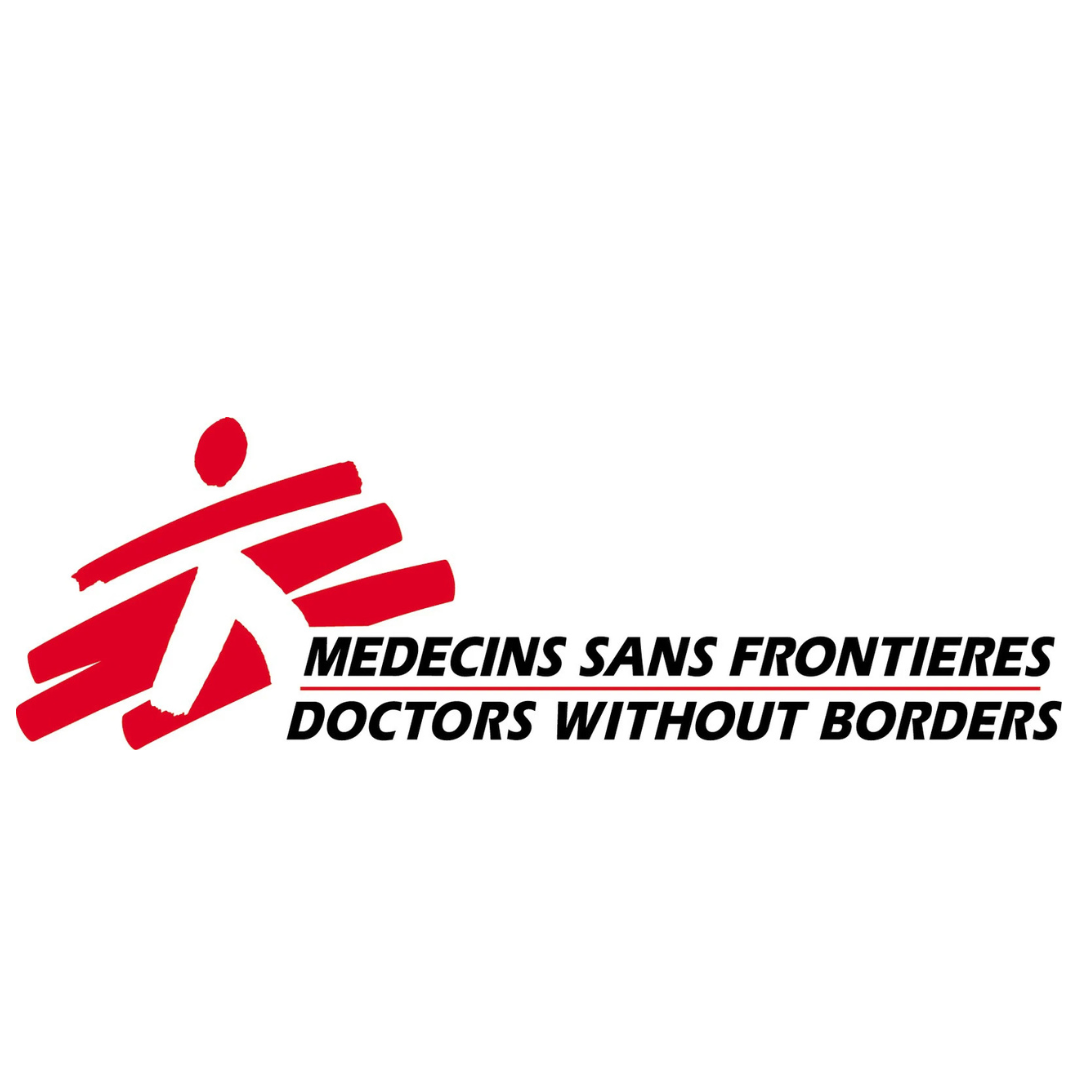
04
Protecting Our Logo/Name
It is important that we protect our trademark to avoid any confusion about who MSF is and what we represent. This means protecting our organisation’s name and logo to distinguish MSF clearly from other individuals or organisations.
Please do not use the logo as your profile photo or header image on personal accounts, and be mindful of your behaviour if you are wearing the MSF logo, on a t-shirt or vest, as you are representing the organisation. It is vital we maintain trust in our humanitarian mission by protecting our trademark.
These guidelines have been created to help MSF staff understand how to use personal social media accounts responsibly.
For information on how to use social media for institutional purposes or if you have any additional questions, please contact the International Digital Engagement Team at [email protected].
Hero Image
Headline
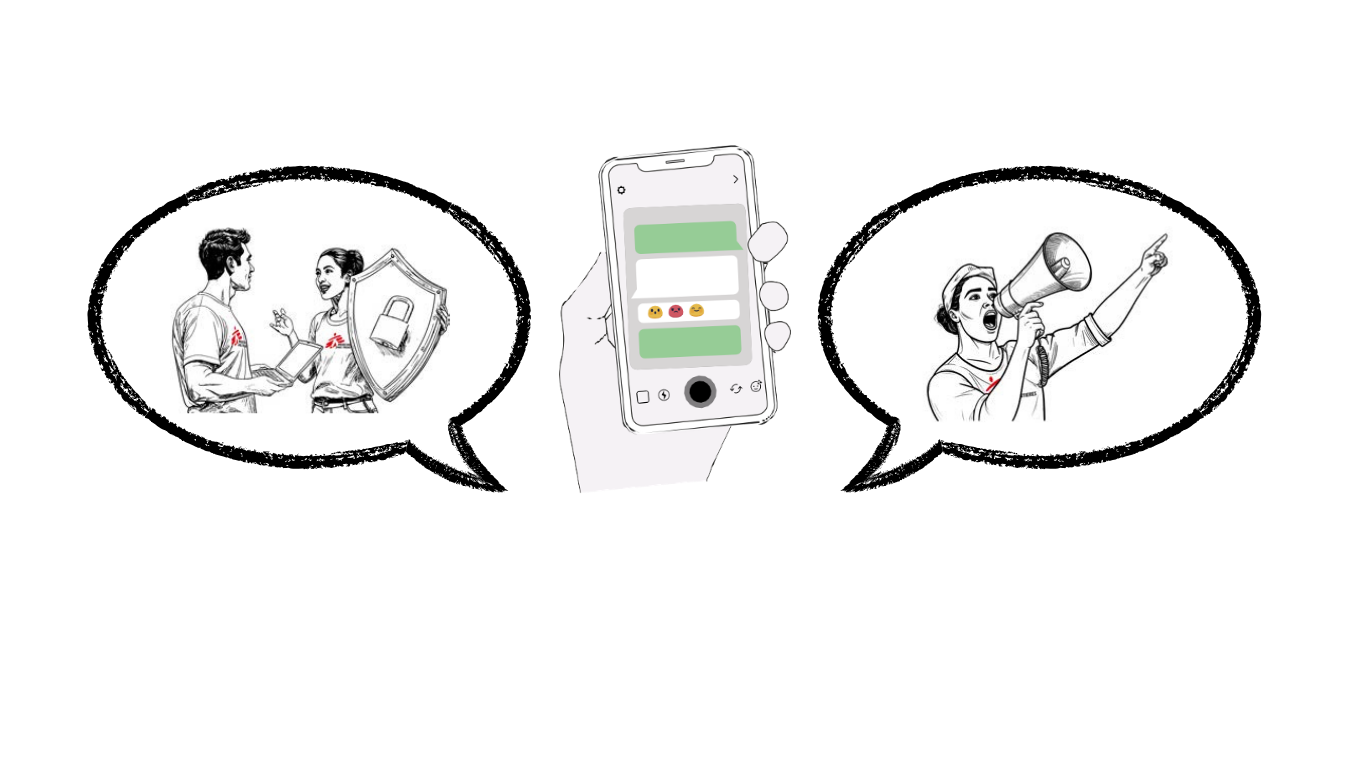
How To Use Your Personal Social Media Accounts Responsibly
Background
Image
Info Page Type
Basic Info Page
Schedule content for publication
Off
Description
These guidelines have been created to help MSF staff understand how to use personal social media accounts responsibly.
For information on how to use social media for institutional purposes or if you have any additional questions, please contact the International Digital Engagement Team at [email protected].
For information on how to use social media for institutional purposes or if you have any additional questions, please contact the International Digital Engagement Team at [email protected].
Select caption
Short caption
Use a custom breadcrumb
No
South Sudan
South Sudan's cholera crisis is a symptom of deeper failures
Op-Ed
28 Oct 2025
النزاع في السودان
يجب النأي بالمدنيين في الفاشر
تصريح
28 Oct 2025
Conflict in Sudan
Civilians must be spared in El Fasher
Statement
27 Oct 2025
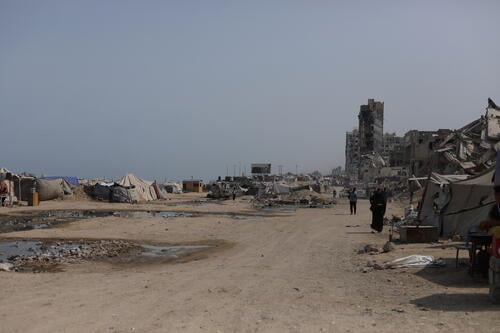
Gaza-Israel war
Remarks from MSF President at Gaza civil society tribunal
Speech
27 Oct 2025
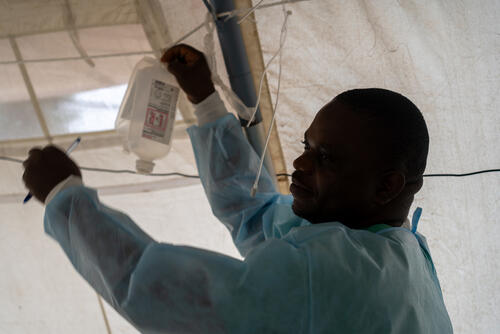
جمهورية الكونغو الديمقراطيّة
جمهورية الكونغو الديمقراطية: تفشي الكوليرا في أنحاء البلاد يثير قلقًا متزايدًا
بيان صحفي
24 Oct 2025
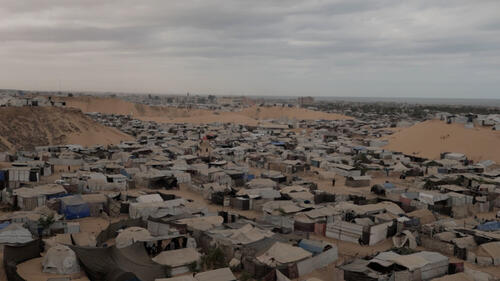
حرب غزة وإسرائيل
الظروف المعيشية الصعبة في غزة تلقي بظلالها على صحة السكان رغم وقف إطلاق النار
بيان صحفي
24 Oct 2025
Gaza-Israel war
People's health is direly impacted by poor living conditions in Gaza despite ceasefire
Press Release
24 Oct 2025
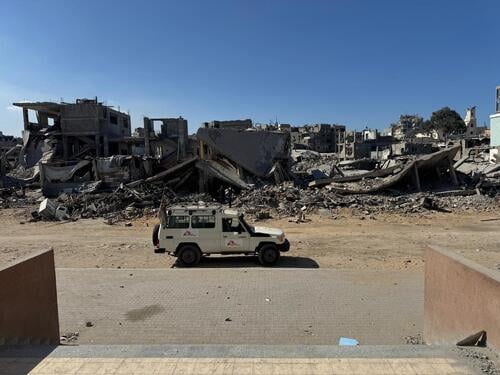
حرب غزة وإسرائيل
أطباء بلا حدود تستأنف أنشطتها في مدينة غزة
تحديث حول مشروع
23 Oct 2025
Gaza-Israel war
MSF has resumed activities in Gaza City
Project Update
23 Oct 2025
Democratic Republic of Congo
Cholera epidemic in Democratic Republic of Congo is increasingly worrying
Press Release
22 Oct 2025
حرب غزة وإسرائيل
أطباء بلا حدود تدعو إلى الإفراج الفوري عن زميلنا المعتقل
تصريح
20 Oct 2025
Gaza-Israel war
MSF calls for the immediate release of our detained colleague
Statement
20 Oct 2025
حرب غزة وإسرائيل
رسالة تستحث إنسانية قادة العالم من الرئيس الدولي لأطباء بلا حدود
رسالة مفتوحة
20 Oct 2025
Gaza-Israel war
A letter appealing to world leaders' humanity from MSF's International President
Open Letter
20 Oct 2025
South Sudan
Comprehensive treatment for serious mental health conditions is possible in South Sudan
Project Update
20 Oct 2025
فلسطين
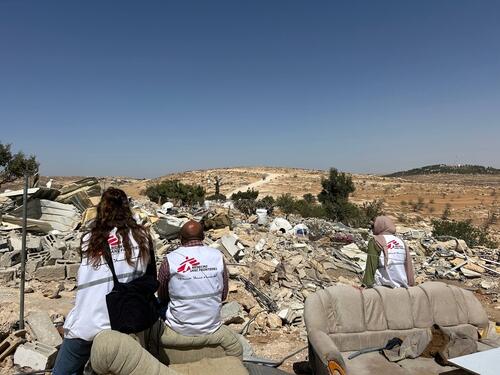
معظم البيوت تحولت لأنقاض في قرية بمسافر يطا
أصوات من الميدان
17 Oct 2025
Haiti
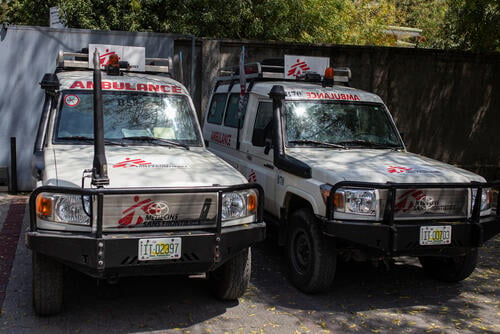
MSF announces permanent closure of our Turgeau emergency centre in Port-au-Prince
Press Release
15 Oct 2025
Palestine
Majority of homes in Masafer Yatta community have been reduced to rubble
Voices from the Field
10 Oct 2025
حرب غزة وإسرائيل
وقف إطلاق النار في غزة: يجب إدخال الإغاثة الإنسانية فورًا
تصريح
10 Oct 2025
Gaza-Israel war
Ceasefire in Gaza: Humanitarian aid must flow immediately
Statement
10 Oct 2025
Ethiopia
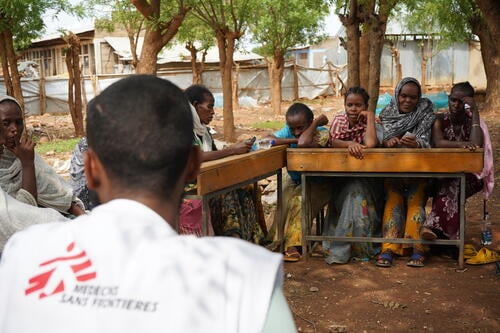
Mental health care cannot wait in Tigray
Project Update
10 Oct 2025

How we work
How we deliver medical humanitarian assistance
Everywhere we work, the circumstances are unique. Nonetheless, our programmes generally follow a common set of practices designed to make sure our resources and expertise are used to maximum effect.