


Discover all our latest news, stories and publications. Use the filter to get to the content you're looking for.
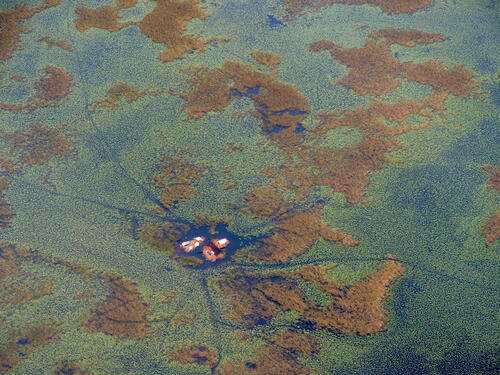
جنوب السودان
فيضانات كارثية تؤدي إلى موجات نزوح جماعي وتفاقم الأزمة الإنسانية
تحديث حول مشروع
23 Dec 2022
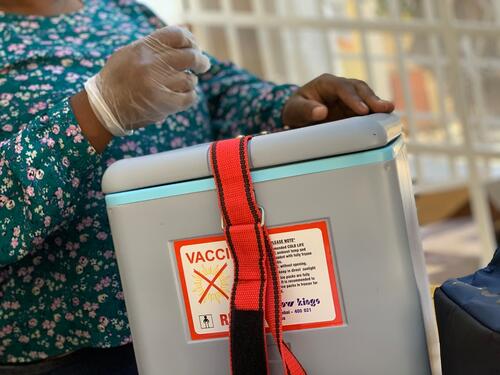
هايتي
دعم جهود التلقيح ضد الكوليرا في هايتي
بيان صحفي
23 Dec 2022
Haiti
Supporting cholera vaccination efforts in Haiti
Press Release
22 Dec 2022
test full width
Anchor Links
Hero Pathing Form
Donate
Headline
test full width
Background
None
Info Page Type
Basic Info Page
Schedule content for publication
Off
Description
test full width
Select caption
Short caption
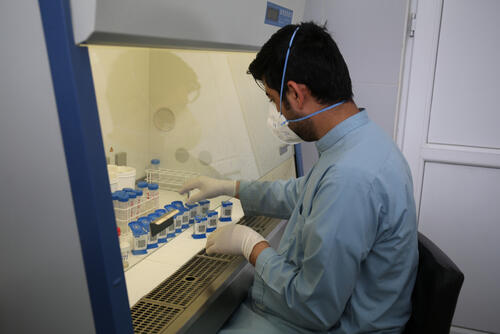
Tuberculosis
Лучшая схема лечения лекарственно-устойчивого туберкулеза найдена в рамках инновационного исследования
Press Release
22 Dec 2022
السُل
تجربة رائدة لأطباء بلا حدود تجد علاجًا أفضل لمرضى السل المقاوم للأدوية
بيان صحفي
21 Dec 2022
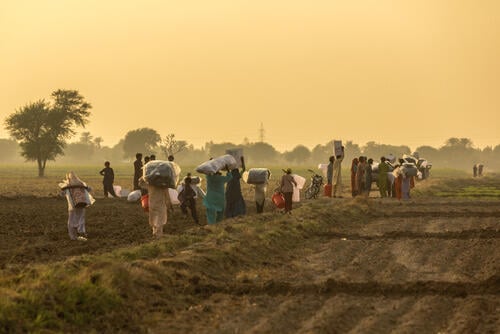
باكستان
المتضررون من الفيضانات في باكستان مازالوا عالقين مع اقتراب الشتاء
تحديث حول مشروع
21 Dec 2022
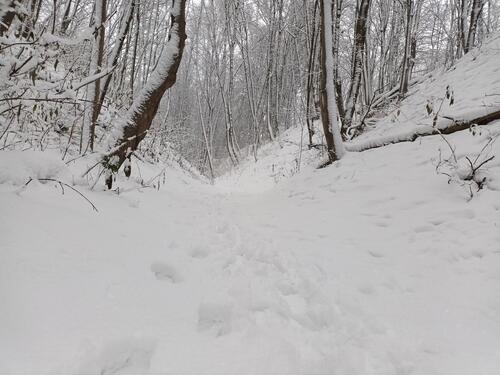
ليتوانيا
اللاجئون الممنوعون بشكل متكرّر من عبور حدود ليتوانيا ولاتفيا يواجهون معاناة وصعوبات
بيان صحفي
21 Dec 2022
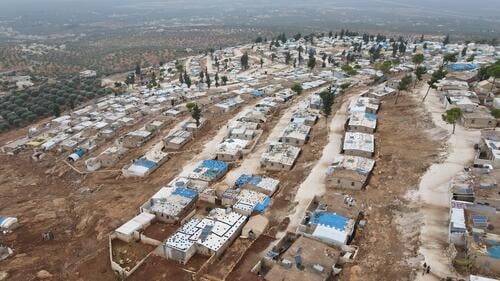
سوريا
على مجلس الأمن ضمان وصول الإمدادات الإنسانية إلى شمال غرب سوريا لمدة 12 شهرًا على الأقل
بيان صحفي
21 Dec 2022
Tuberculosis
Innovative trial finds better treatment for people with drug-resistant TB
Press Release
21 Dec 2022
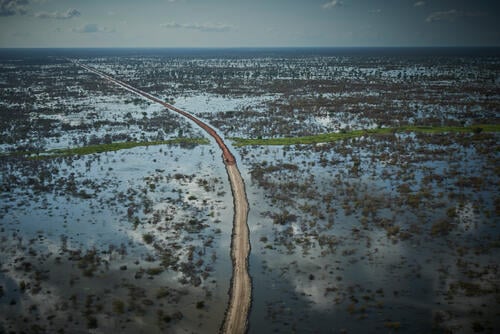
Photo Story
A year in pictures 2022
19 Dec 2022
Photo Story
قصة مصورة
عام في صور 2022
19 Dec 2022
قصة مصورة
South Sudan
Catastrophic floods cause mass displacement and humanitarian crisis
Project Update
19 Dec 2022
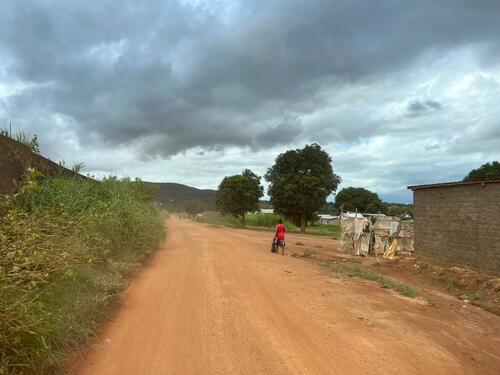
Central African Republic
MSF appelle à une assistance accrue pour les survivant.e.s de violences sexuelles en RCA au-delà du traitement médical et psychologique
Press Release
19 Dec 2022
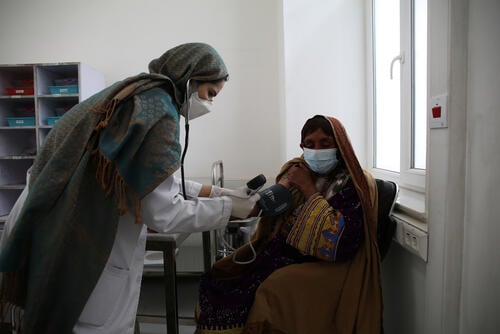
أفغانستان
مرضى السل يواجهون حواجز تحول دون الحصول على العلاج
تحديث حول مشروع
16 Dec 2022
Pakistan
People remain stranded as winter approaches flood-hit Pakistan
Project Update
16 Dec 2022
Lithuania
People repeatedly repelled at Lithuania and Latvia borders face increased suffering
Press Release
15 Dec 2022
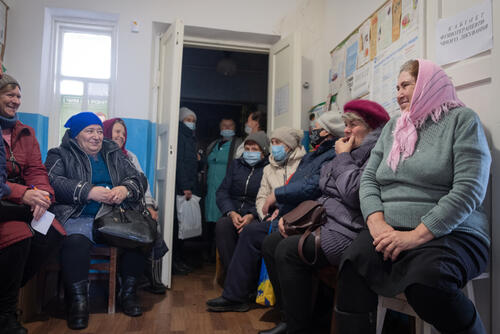
أوكرانيا
عالقات بين خطوط المواجهة: البابوشكات يقاسين الخسارة والصدمات النفسية وغياب الرعاية الطبية
تحديث حول مشروع
14 Dec 2022
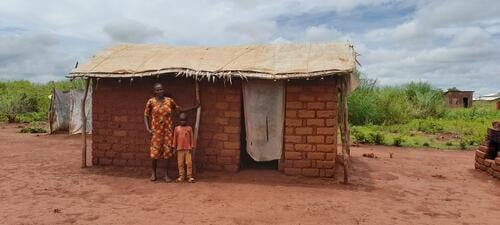
Central African Republic
Un retour difficile pour les personnes déplacées après des années de conflit à Bria
Project Update
13 Dec 2022
Central African Republic
After years of conflict, displaced people struggle to return home in Bria
Project Update
13 Dec 2022
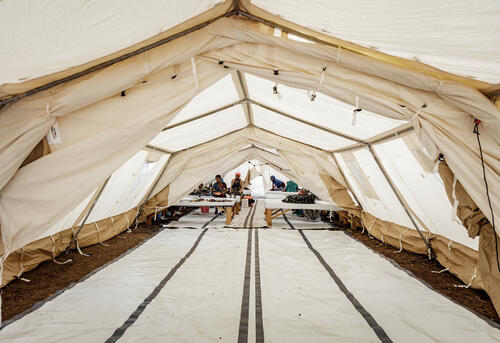
Democratic Republic of Congo
Cholera rising among displaced people in precarious conditions
Project Update
13 Dec 2022
Reward Policies/Pay & Benefits
MSF seeks to be a socially responsible employer and to support the well-being of staff. The pay, benefits and contract type that staff get depends on their position and place of work. Our salaries are set using benchmarks for similar NGOs or INGOs, with standards to ensure all staff receive a living wage wherever they work. More information on our polices around staff pay and benefits is accessible in the links below.
If you’re interested in how MSF determines salary and benefits for its staff and what are the main principles on which MSF stands as an employer, visit msf.org/rewards or its following pages:
Anchor Links
Hero Image
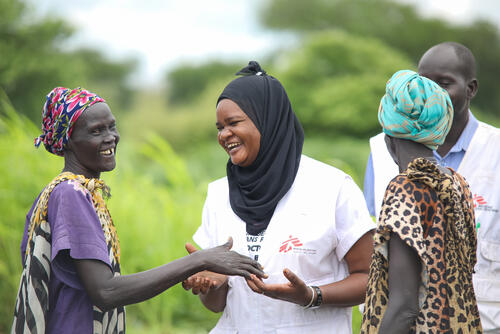
Headline
Reward policies/Pay and benefits
Background
Image
Info Page Type
Basic Info Page
Schedule content for publication
Off
Description
MSF as an employer provides its staff with remuneration packages that include salaries and benefits. Depending on their position in the organization and place of recruitment, MSF staff may receive different sets of benefits and a salary.
Select caption
Short caption
Use a custom breadcrumb
No
Recruitment process
At MSF, we are committed to an inclusive culture that encourages and supports the diverse voices of our employees. We welcome applications from individuals of all genders, ages, sexual orientations, nationalities, races, religions, beliefs, ability status
MSF is composed of many different associations, offices and missions around the world. They each recruit their own staff according to local laws and customs but abide by the same general commitment to fair and transparent recruitment procedures.
A large part of MSF job vacancies, especially in countries of intervention, are only open to nationals and advertised locally.
Some MSF job opportunities around the world are open to people who live in other countries.
The recruitment of Internationally Mobile Staff (formerly known as “Expats”) follows a different procedure. Depending on their place of residence, the candidates will be asked to apply to a specific MSF office. (Use the below feature to see the office you need to contact).
Exception: Locally hired staff currently working or who worked less than 12 months ago with MSF should apply to their Operational Center.
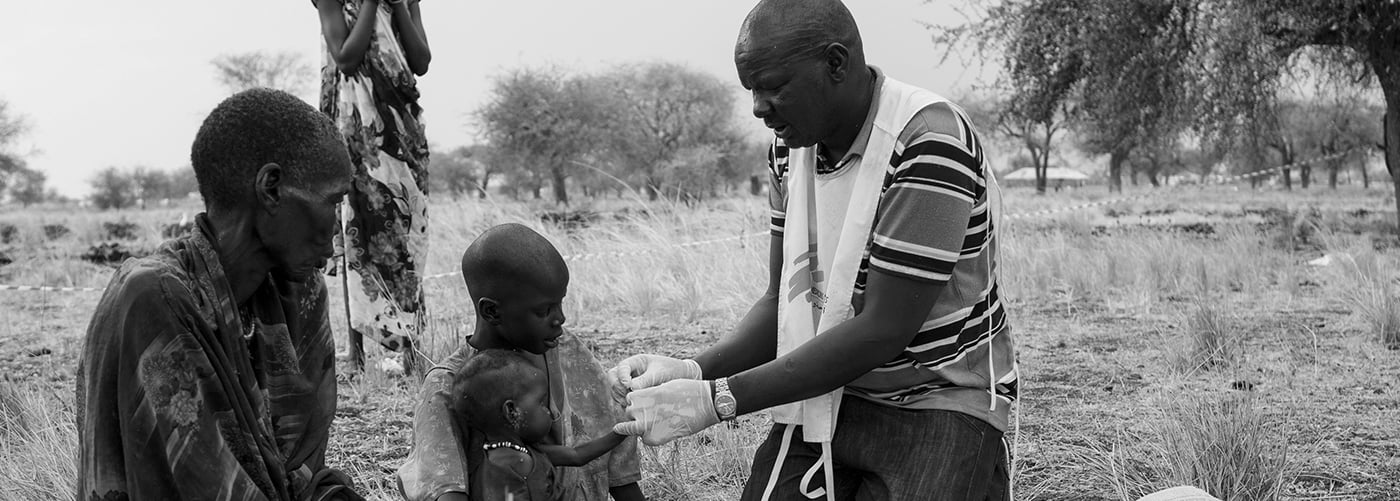
Successful applicants to Internationally Mobile positions are then entered into a “pool” of available specialists before matching them to a specific position in a country of intervention, based on their skills, experience and background. MSF expects candidates to be flexible about where they will work so that we can meet the needs of the programs.
However, special skills, languages and restrictions are taken into consideration in each placement.
FAQs for Internationally Mobile Staff
Is there an age limit to working for MSF?
There is no maximum age limit for our field staff. Difficult working conditions do mean that applicants must be in a good state of health.
How long does the application process take?
It takes around four to six months from the submission of an application to eventual addition to our pool of field staff.
When is the best time to apply?
You can apply as soon as you have definite dates of your availability, normally around six months before you want to start.
How long is an assignment?
Assignments are generally for between six and 12 months for all professions, except anaesthetists and surgeons who, due to the intensity of their work, are placed in projects for six weeks to three months.
What are the working hours?
Working hours vary considerably depending on the project with, on average, one day off per week. Work can frequently be hectic and you may be required to put in longer hours. However, time is normally set aside for rest and relaxation.
What if I am injured or become ill?
MSF will arrange and cover you for health insurance while on assignment. In the event of medical evacuations, repatriation is also covered.
Can couples go on assignment together? Can my family accompany me?
Individuals are matched to specific roles. It is therefore highly unlikely that two people would simultaneously be matched to two jobs in the same place at the same time.
Living conditions in the field (security, housing, etc) make it difficult for field staff to be accompanied by children or partners who are not participating in the project.
May I request placement in a specific country?
It is not possible to honour specific country requests. MSF recruits applicants into a pool before matching them to a specific position based on their skills, experience and background. MSF expects candidates to be flexible about where they work so that we can meet the needs of the field. However, special skills, languages and restrictions are taken into consideration in each placement.
Hero Image
Hero Pathing Form
Work With Us (Field)
Headline
Recruitment process
Background
Image
Schedule content for publication
Off
Description
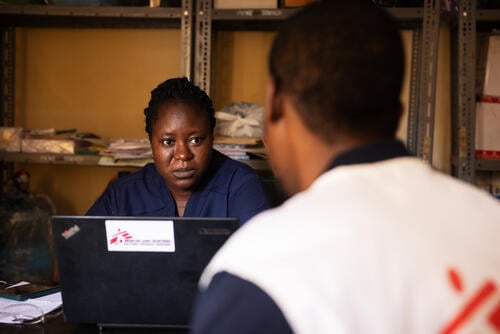
MSF is composed of many different associations, offices and missions around the world. They each recruit their own staff according to local laws and customs but abide by the same general commitment to fair and transparent recruitment procedures.
Select caption
Short caption
Use a custom breadcrumb
No
About MSF
The MSF Charter
MSF.ORG
12 Dec 2022

How we work
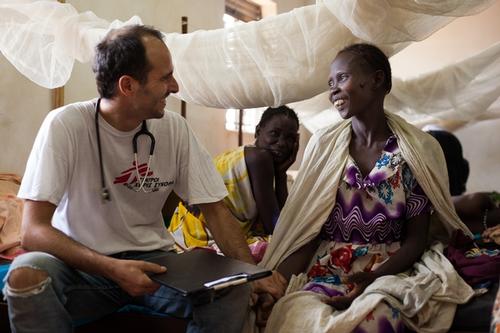
How we deliver medical humanitarian assistance
Everywhere we work, the circumstances are unique. Nonetheless, our programmes generally follow a common set of practices designed to make sure our resources and expertise are used to maximum effect.