





83,200
83,2
3,800
3,8
3,530
3,53
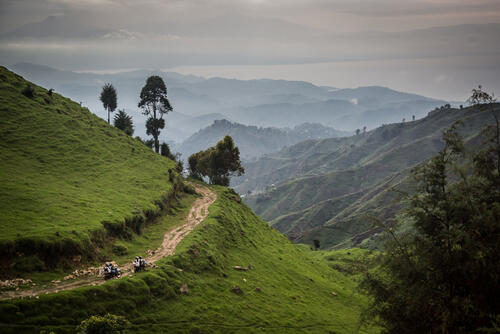
While insecurity and violence in the Far North region and in neighbouring Nigeria continued to push thousands of Nigerian refugees and local communities south, sociopolitical tensions in Cameroon's English-speaking Northwest and Southwest regions escalated into armed conflict that displaced over 435,000 people by the end of the year.<a href="https://reliefweb.int/sites/reliefweb.int/files/resources/OCHA-Cameroon_Situation_Report_no2_Final.pdf">Cameroon: North-West and South-West Situation Report No. 2, as of 31 December 2018, OCHA</a> Most fled to the bush, where they lacked shelter, food, water and basic health services.
Emergency assistance in Northwest and Southwest regions
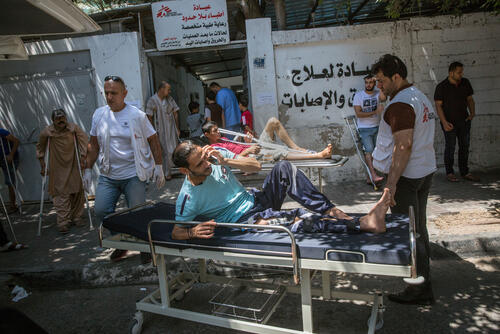
In June, Médecins Sans Frontières opened temporary mobile clinics in Kumba town, Southwest region, to provide primary healthcare consultations for the displaced. Our teams conducted 366 outpatient consultations in the first week alone, mainly for malaria, respiratory tract infections and diarrhoea.
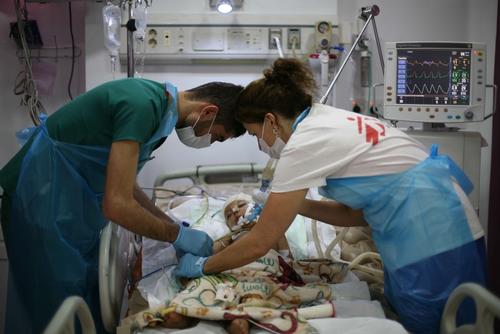
We then extended our activities into Buea, also in Southwest region, and Bamenda, Northwest region, remote areas where large numbers of people were caught up in fighting. Supporting seven facilities across the two regions, our teams treated patients with medical emergencies, focusing on pregnant women and children under five; put mass casualty plans in place; and trained staff to deal with large influxes of wounded patients.
We set up ambulance referral services, supported community health workers, donated medical supplies and provided psychosocial support.
Displaced people and refugees in Far North region
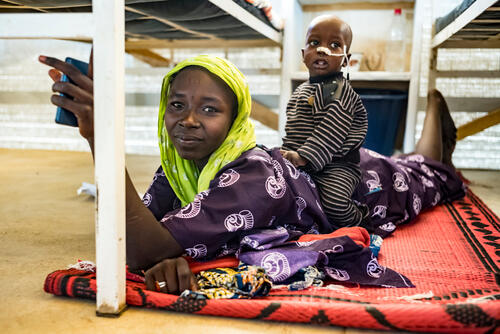
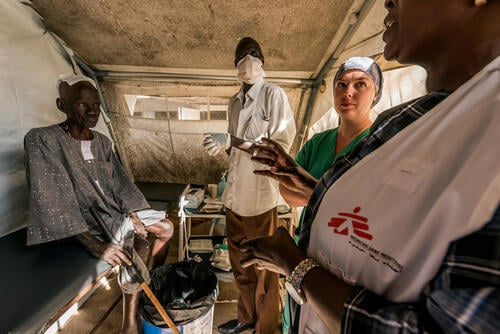
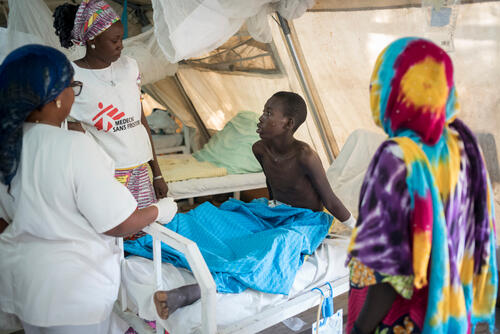
Our teams in the north continued to offer medical care, including surgery and psychological support, to displaced people, Nigerian refugees and host communities. We also conducted paediatric activities.
Our teams in Maroua hospital performed 3,250 major surgical interventions and 1,500 individual psychological consultations in 2018, while the teams in Mora expanded activities closer to the border with Nigeria. This included supplying water to the displaced people’s camp in Kolofata and reactivating primary healthcare services in Amchidé.
Although there was a lull in armed violence along the border for most of 2018, a rise in attacks and clashes towards the end of the year increased the likelihood of fresh waves of displacement.
In Kousséri, on the border with Chad, we were able to hand over activities to the Ministry of Health, thanks to the improved security situation, increased capacity of local healthcare services, and the presence of other NGOs.
Between 2015 and October 2018, we provided nutritional and paediatric care at the hospital, and supported three health centres with outpatient consultations.
Cholera outbreak
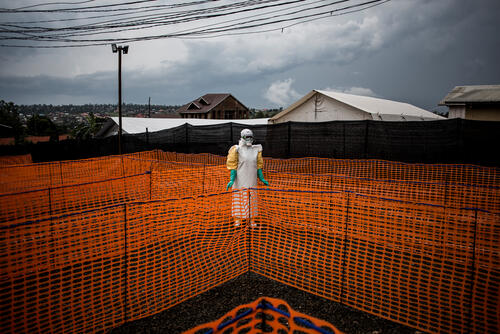
Cholera broke out in northern Cameroon in 2018, with a total of 995 suspected cases and 58 deaths between the end of June and the end of November.
We supported the Ministry of Health’s response with donations of medicine and logistical equipment, built a cholera treatment centre in Fotokol, and helped to refurbish existing centres in Yaoundé's Djoungolo district and at Garoua regional hospital.
Our teams provided training on hygiene and sanitation measures and community health promotion and helped vaccinate almost 105,000 people in Makary health district to prevent the outbreak from spreading further north.
709
709
€12.7 M
12.7M
1984
1984
Find us online