استجابتنا للإيبولا في جمهورية الكونغو الديمقراطية
اقرأ المزيد
2206 Results
 
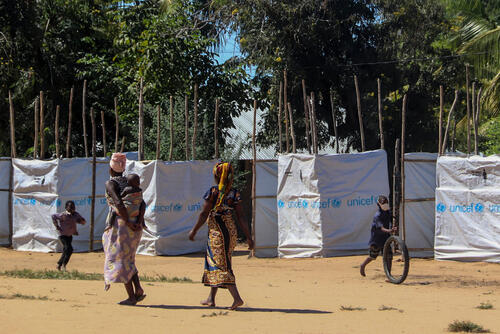
Woman and children walk past makeshift showers and latrines in Metuge camp for displaced people.
موزمبيق

"كان الأمر كما لو أننا نعيش نهاية العالم" خلال هجوم في شمال موزمبيق

أدت الهجمات التي شُنت في مقاطعة كابو ديلجادو شمال موزمبيق إلى نزوح آلاف الأشخاص. يصف أحد موظفي منظمة أطباء بلا حدود الرعب الذي عاشه أثناء محاصرته في تبادل لإطلاق النار في 28 مايو/أيار. أصوات من الميدان - 3 يوليو/تموز 2020
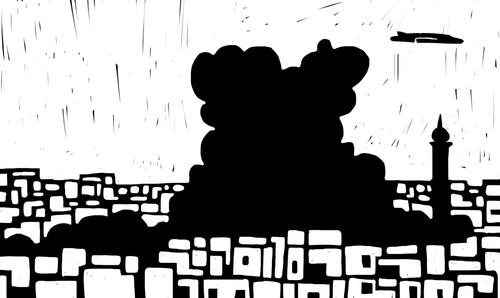
 
Abu Fadel, Hassan and Iman… all three are living in Idlib Governorate in northwest Syria. Like 2.7 million other Syrians, they’d been displaced within the country several times, and a part of them ended up in Idlib. The last rebel stronghold, bombed in massive airstrikes led by the Syrian army and its allies, Idlib has become home to a population nine years of war have left shattered, impoverished and without hope for the future. Their backs against the Turkish border, Abu Fadel, Hassan and Iman recount similar stories of everyday life­­—the interminable waiting, fear and horror of war in what is an open-air prison.

In mid-June, the airstrikes resumed in Idlib Governorate, the target this time the zone west of Maarat-al-Numan. Most people in opposition-controlled areas in this Governorate are living in poverty, and many have moved from towns to camps around Dana, Sarmada and Atmeh where MSF teams provide assistance. The displaced talk of an environment of corruption, crime and social violence, and the area where they have taken refuge continues to shrink with the passing months and the Syrian regime’s relentless attacks.
سوريا

الحياة في إدلب: الانتظار الطويل ورعب الحرب في سجن مفتوح

في منتصف شهر يونيو/حزيران 2020، عادت الغارات الجوية على محافظة إدلب حيث يعيش الكثير من النازحين في المخيمات. يتحدث النازحون عن حياتهم في إدلب، بينما تستمر المنطقة التي لجأوا إليها في التقلص مع مرور الأشهر والهجمات المتواصلة من الجيش السوري. أصوات من الميدان - 30 يونيو/حزيران 2020
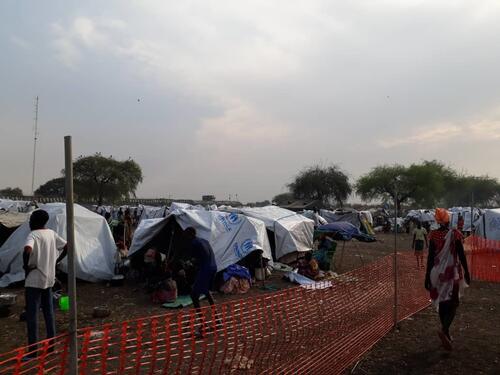
 
“The camp setting is not a conducive environment and is very worrying. It is far too congested” continues Lojana Augustino Ngorok. “What I am worried about is the lack of hygiene and water for the population. Food is also a really big concern. Most people are short on food, some do not have any and have arrived with nothing to trade or buy food with.”
جنوب السودان

القتال العنيف شرق البلاد يُجبر مرة أخرى آلاف الأشخاص على الفرار

فرّ آلاف الأشخاص إلى الأدغال في منطقة بيبور الإدارية الكبرى في شرق جنوب السودان حيث يُهدّد مرةً أخرى القتال العنيف المتواصل على مدى عدة أيام حياة مجتمعات بأكملها ويحرمهم من الرعاية الصحية. تصريح - 26 يونيو/حزيران 2020
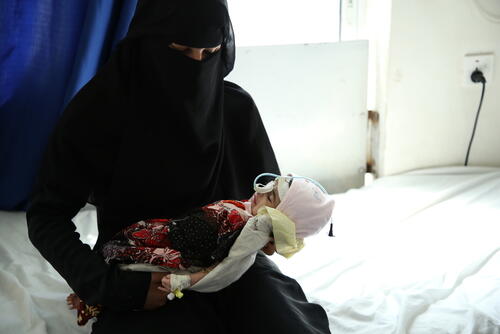
 
“This is my first time in an MSF hospital. I was told by other patients that this hospital has good quality care, but also that I wouldn’t need to pay any money,” says 18-year old Shorouq, looking relieved and happy. “This hospital is not the closest facility to my house. It took us five hours to reach here,” she says. None of the closer clinics could provide the maternity services she needed, says Shorouq.
اليمن

ما وراء الصراع في اليمن

أدى النزاع المستمر منذ ست سنوات في اليمن إلى إضعاف إمكانية وصول الناس إلى خدمات الرعاية الصحية الأساسية. كما تسبب الوضع في نزوح وانفصال بعض العائلات اليمنية سعياً وراء الأمان وسبل العيش الموثوقة. وتبين قصص المرضى والعاملين في مستشفى الأم والطفل التابع لمنظمة أطباء بلا حدود في تعز الحوبان الأثر العميق لذلك على حياة الناس. MSF Storymaps - 26 يونيو/حزيران 2020
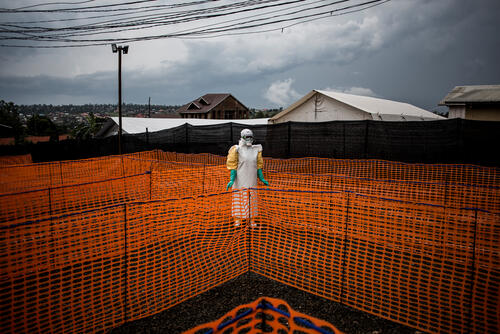
 
A health worker waits to receive a new unconfirmed ebola patient, at a newly build MSF supported ebola treatment centre(ETC) on November 07, 2018 in Bunia.
تفشي الإيبولا في الكونغو الديمقراطيّة

تفشّي الإيبولا العاشر في جمهورية الكونغو الديمقراطية

أعلنت جمهورية الكونغو الديمقراطية في 1 أغسطس/آب 2018 عن التفشي العاشر للإيبولا في الشمال الشرقي، والذي أصبح أكبر تفشي للإيبولا في تاريخ البلاد. آخر تطورات أزمة إنسانيّة - 25 يونيو/حزيران 2020
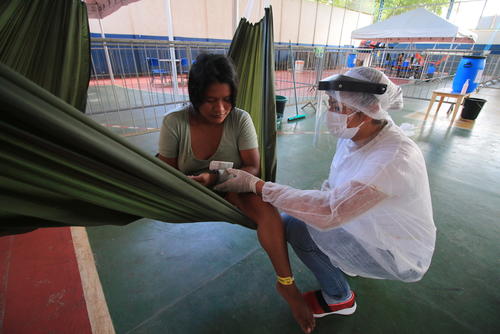
 
In partnership with the municipality of Manaus, MSF runs an isolation and observation center for indigenous Warao people with mild cases of COVID-19. As a large part of this population, who came from Venezuela to Brazil, lives in shelters in the city, Warao people are especially vulnerable to the disease due to the difficulty of maintaining adequate measures of hygiene and social distancing. 

The isolation center opened in Manaus has the capacity to support and to assist nine families simultaneously. The space was adequate with tents, hammocks, tables and chairs, as well as sanitation adjustments in order to help hygiene maintenance.
مرض الكورونا كوفيد-19

كابوس كوفيد-19 في البرازيل خرج عن السيطرة

تعد البرازيل اليوم ثاني أكثر بلدان العالم تضرراً بجائحة كوفيد-19 بعد الولايات المتحدة الأمريكية من حيث عدد الإصابات الإجمالي كما وحصيلة الوفيات. الوضع الصحي في البرازيل كارثي. تحديث حول مشروع - 25 يونيو/حزيران 2020
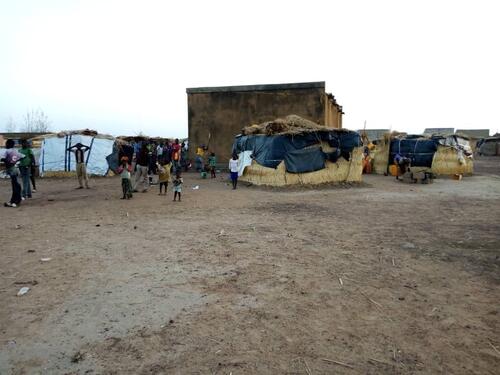
 
Displaced families live in makeshift shelters in Fada, Eastern Burkina Faso.
بوركينا فاسو

معاناة الناس من النزاع والعنف شرقي بوركينا فاسو بعيداً عن الأنظار

عبد الله حسين، رئيس بعثة أطباء بلا حدود في بوركينا فاسو، يصف معاناة الناس من النزاع المسلح وكوفيد-19 في شرقي البلاد. مقال رأي - 23 يونيو/حزيران 2020
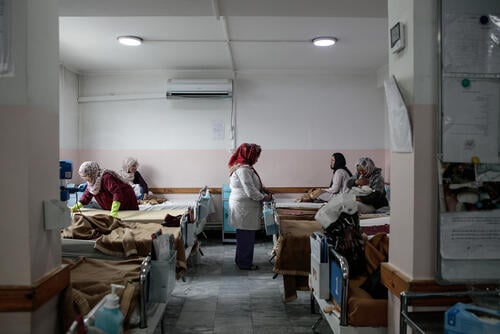
 
Post-partum room. Women stay around 6 hours on average, when they are not facing complications.
أفغانستان

أطباء بلا حدود تنسحب من دشت برجي عقب هجوم استهدف المرضى والموظفين

أوقفت منظمة أطباء بلا حدود أنشطتها وانسحبت من مستشفى دشت برجي في كابول عقب الهجوم الوحشي الذي أُرديت اثره 16 أمًّا قتيلة بشكل ممنهج. بيان صحفي - 16 يونيو/حزيران 2020
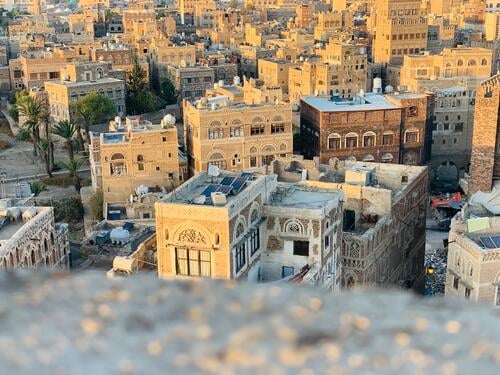
 
Rooftop view of Old Sana'a - Yemen
اليمن

فرق أطباء بلا حدود تواجه تحديات الإمداد في ظل كوفيد-19 ببدائل قصيرة الأمد

يفرض تفشي كوفيد-19 تحديات هائلة على الرعاية الصحية في اليمن، فالنقص في معدات الوقاية الشخصية يضع العاملين الصحيين في خطر الإصابة ونشر الفيروس. وجدت فرق أطباء بلا حدود في مدينة تعز وتعز الحوبان ومأرب بدائل قصيرة الأمد لاستكمال توفير الخدمات لفترة أطول قليلاً. Photo Story - 15 يونيو/حزيران 2020
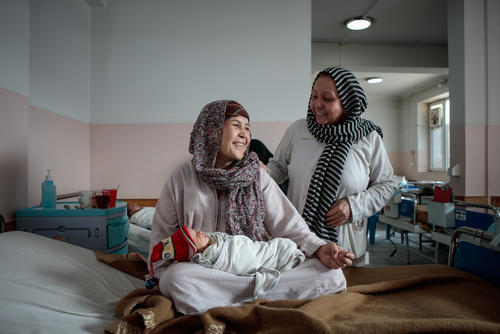
 
Zakia (32 years old), and her twins, Qassim and Abbas 
 
Zakia has just given birth to twins, Abbas and Qasim, born 20 minutes apart. Abbas, who came first, is also the smallest; he was hypoglycemic at birth and was placed in the incubator for a few hours.
 
Before her twins, Zakia, 32, had four other children: she is no longer a novice when it comes to newborns, but this time there are two of them. Her mother, Sakina, came to help her for a few days. When I ask her how many times she is a grandmother, Sakina needs to count... 18 times already. And not all her children are married yet. 
 
Zakia's first child was born at home, the next two in the hospital. For her fourth, finding a taxi to take her to the hospital took too long, she was already in labor and Zakia had to give birth at home. She is lucky, all her deliveries were the same: quick and easy. For her twins, once she arrived at the door of the maternity ward, she went straight to the delivery room.  
 
Six children, all boys. Zakia would have liked to have a girl, she hoped that this pregnancy would bring her one. Her mother would also have wanted her to have a daughter, to help her with her daily chores. Raising girls is more difficult according to both women: they have more to learn from the prospect of being married. More rules to follow too, more responsibilities. In Afghanistan, even though both parents are educating, mothers are more involved. 
 
Zakia and her family come from Ghazni. Ten years ago, they preferred to leave their region because they were afraid that the Taliban would recruit their husbands, both of whom have no permanent jobs. When the family arrived in Kabul, like many Hazara families arriving from the provinces, they lived in Dasht-e Barchi. A few years ago, the neighbourhood was accessible and very cheap. They had their own house for 2000 Afghanis per month (25 euros). Two years ago, their landlord wanted to take over the house and they moved here, to Karte Sakhi. They pay 2500 afghanis (30 euros) in rent but are three families sharing the house. Each family has its own room.
أفغانستان

"القابلات في أفغانستان قائدات من خلف الكواليس في بلادنا"

بعد مضي شهر على الهجوم على جناح الأمومة الذي أدارته أطباء بلا حدود في مستشفى دشت برجي في كابول، تصف المشرفة على القابلات في فرق أطباء بلا حدود زهرة كوتشيزاد أهمية دور القابلات في أفغانستان. أصوات من الميدان - 14 يونيو/حزيران 2020