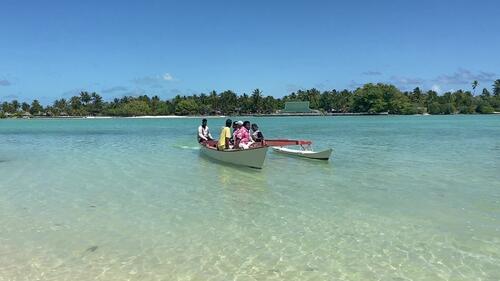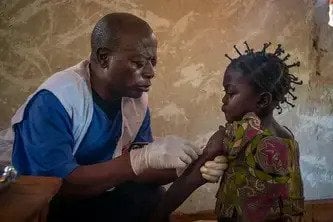
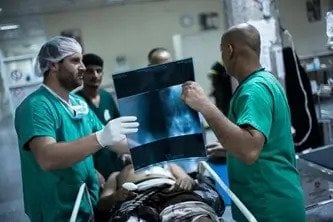
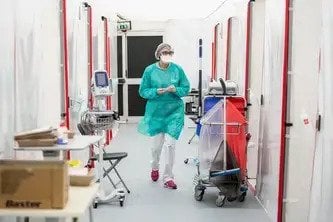
Médecins Sans Frontières/ Doctors Without Borders (MSF) officially launched medical activities in the equatorial Pacific island nation of Kiribati in October 2022. Our team there, including a paediatrician, midwife and general practitioner, support the Ministry of Health and Medical Services to improve maternal and neonatal health outcomes. 

“Kiribati has one of the highest burdens of disease in the world, including the highest incidence of leprosy, one of the highest of TB and diabetes; and some of the lowest access to primary healthcare. There are clear needs here that are not being met,” says Alison Jones, MSF’s medical coordinator for Kiribati. On top of that, the environmental issues are significant, and growing.   

Kiribati is among the most climate-vulnerable places on earth. Along with erosion, the salinisation of underground water sources and soil, warmer air temperatures, more frequent ‘king tides’ and drought are increasing.  

The climate crisis is a health crisis: human health is dependent on the health and sustainability of the environment. Nowhere is this more evident than for people living within the constraints of an island. 

Seventy-five percent of deaths in the Pacific region are due to NCDs, and NCDs are now recognised as the leading cause of health problems in Kiribati. The rates of diabetes in Kiribati are high and increasing. 

“Diabetes in pregnant women is of particular concern as the condition can be high risk for mums and babies, who require access to secondary (specialist) care for management during labour, delivery, and after birth,” says MSF’s project medical referent in Kiribati, midwife Sandra Sedlmaier-Ouattara. 

MSF’s work in Kiribati aims initially to improve diabetes detection and management and hypertension related to maternal health in the Southern Gilbert Islands, based at Tabiteuea North
Médecins Sans Frontières/ Doctors Without Borders (MSF) officially launched medical activities in the equatorial Pacific island nation of Kiribati in October 2022. Our team there, including a paediatrician, midwife and general practitioner, support the Ministry of Health and Medical Services to improve maternal and neonatal health outcomes. “Kiribati has one of the highest burdens of disease in the world, including the highest incidence of leprosy, one of the highest of TB and diabetes; and some of the lowest access to primary healthcare. There are clear needs here that are not being met,” says Alison Jones, MSF’s medical coordinator for Kiribati. On top of that, the environmental issues are significant, and growing.   Kiribati is among the most climate-vulnerable places on earth. Along with erosion, the salinisation of underground water sources and soil, warmer air temperatures, more frequent ‘king tides’ and drought are increasing.  The climate crisis is a health crisis: human health is dependent on the health and sustainability of the environment. Nowhere is this more evident than for people living within the constraints of an island. Seventy-five percent of deaths in the Pacific region are due to NCDs, and NCDs are now recognised as the leading cause of health problems in Kiribati. The rates of diabetes in Kiribati are high and increasing. “Diabetes in pregnant women is of particular concern as the condition can be high risk for mums and babies, who require access to secondary (specialist) care for management during labour, delivery, and after birth,” says MSF’s project medical referent in Kiribati, midwife Sandra Sedlmaier-Ouattara. MSF’s work in Kiribati aims initially to improve diabetes detection and management and hypertension related to maternal health in the Southern Gilbert Islands, based at Tabiteuea North
© /MSF

نعمل على الجزيرة الرئيسية، تاراوا، وفي بعض الجزر الخارجية النائية، حيث نقدم الرعاية للأمهات والأطفال حديثي الولادة في المستشفيات وأقسام الولادة. ونركز على تشخيص مرض السكري لدى النساء الحوامل وعلاجه وتحسين مستوى الرعاية المقدمة للأطفال حديثي الولادة.

أنشطتنا في كيريباتي في عام 2025

أطباء بلا حدود في كيريباتي في عام 2025 تواصل أطباء بلا حدود في كيريباتي تعزيز الرعاية المقدّمة للنساء الحوامل والأشخاص المصابين بالأمراض المزمنة، بالتعاون الوثيق مع وزارة الصحة والخدمات الطبية.
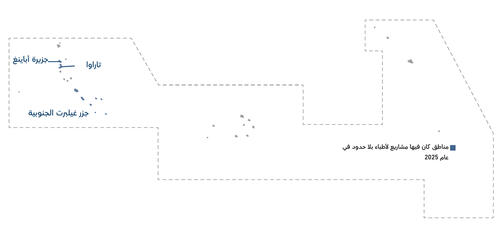
AR Version of Country map of IAR 2025
© MSF

أدّت موجات الجفاف وتسرّب المياه المالحة وارتفاع مستوى سطح البحر إلى تراجع توافر المياه العذبة والأطعمة المغذّية في كيريباتي، وهي بلد جزري ناءٍ يقع في وسط المحيط الهادئ. وأدّى ذلك إلى تفاقم مجموعةٍ من المشاكل الصحية، بما فيها نقص التغذية لدى النساء والأطفال والسمنة والأمراض غير المعدية مثل سكري الحمل وارتفاع ضغط الدم المرتبط بالحمل، ما زاد الضغط على النظام الصحي العام الذي يعاني أصلًا من أعباء كثيرة. 

وفي عام 2025، أجرت أطباء بلا حدود فحوصات صحية في القرى الواقعة على جزيرة أبايانغ ومنطقة إيتا في جنوب تاراوا. كما درّبنا متطوّعين من المجتمع المحلي على الكشف المبكر عن علامات سوء التغذية ومتابعة الأطفال الذين تتراوح أعمارهم بين ستة أشهر و59 شهرًا لرصد سوء التغذية والأمراض الإسهالية. وتحيل أطباء بلا حدود الحالات المعرّضة للخطر إلى المراكز الصحية المناسبة. 

إضافةً إلى ذلك، درّبنا متطوّعين مجتمعيين على استخدام أدوات مثل نظام CRADLE Vital Signs Alert لرصد العلامات المبكرة لارتفاع ضغط الدم وإجراء فحوصات مستوى السكر لتشخيص السكري. وفي العيادات، عملنا على تحسين الكشف المبكر عن سكري الحمل من خلال توفير اختبارات تحمّل الغلوكوز الفموية، مما يضمن حملًا أكثر أمانًا. وبالتعاون مع ممرّضات العيادات والمتطوّعين من المجتمع المحلي، عزّزنا القدرات المحلية على تحديد النساء المعرّضات للخطر، ممّا قلّل من حالات الإحالة الطارئة المكلفة إلى العاصمة. 

وأجرى فريق المياه والصرف الصحي التابع لأطباء بلا حدود اختبارات لآبار المياه في أبايانغ للكشف عن مستويات الملوحة وبكتيريا القولونيات . وقد أظهرت النتائج أنّ جميع الآبار تقريبًا ملوّثة ببكتيريا القولونيات*، وأنّ 19 في المئة منها قد تجاوزت مستويات الملوحة الآمنة للأشخاص المصابين بارتفاع ضغط الدم. وقد دمجنا هذه النتائج، إلى جانب بيانات نظام تحديد المواقع العالمي، في خريطةٍ تفاعلية متعدّدة الطبقات لنظام المعلومات الجغرافية، طوّرناها بالتعاون مع وزارة الصحة والخدمات الطبية. ويستخدم فريق المياه والصرف الصحي هذه الأداة لتوجيه أعمال إعادة تأهيل الآبار وتحسين أساليب تجميع مياه الأمطار. 

وتواصل أطباء بلا حدود تقديم الدعم والتدريب في مجال القبالة في مستشفى تونغارو المركزي. وفي المقابل، اختتمنا في أكتوبر/تشرين الأول دعمنا لخدمات الصيدلة في المستشفى، والذي شمل تحسين عمليات الإمداد وإدارة النفايات والإجراءات التنظيمية.

* على الرغم من أن بكتيريا القولونيات ليست ضارة بحد ذاتها، إلا أنها تشير إلى وجود مسبّبات أمراض ضارّة عند العثور عليها في أنظمة المياه.