


O ano em foco
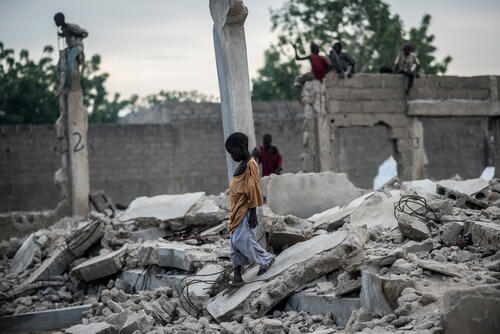
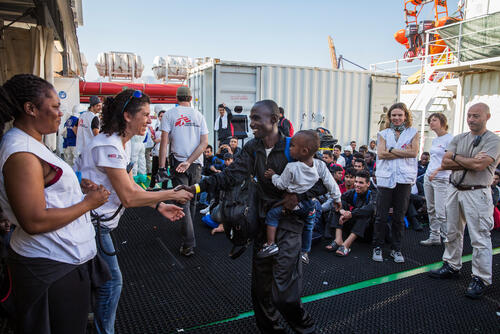
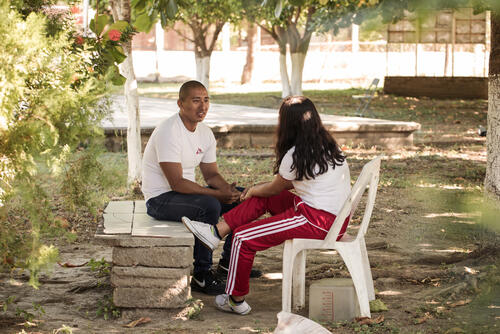
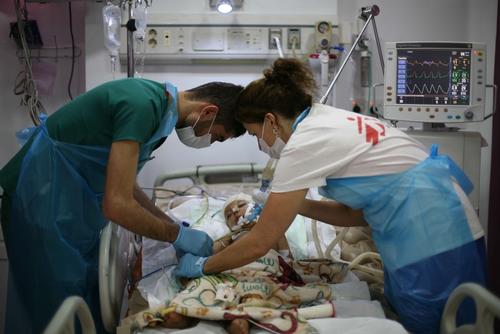
Em 2017, a violência contra civis aumentou em Mianmar, na República Democrática do Congo (RDC), no Sudão do Sul, na República Centro-Africana e no Iraque. Continuou inabalável na Síria, na Nigéria e no Iêmen. Comunidades inteiras pagaram um preço impressionante de mortos, feridos e diferentes perdas, e milhões fugiram de suas casas em busca de segurança.
MSF ao redor do mundo
Em 2017, MSF realizou 462 projetos em 72 países. Clique no mapa para saber mais.
Os nomes dos países e fronteiras utilizados neste relatório não refletem nenhuma posição de MSF sobre seu status legal.
Our Programmes
Os nomes dos países e fronteiras utilizados neste relatório não refletem nenhuma posição de MSF sobre seu status legal.
Artigos
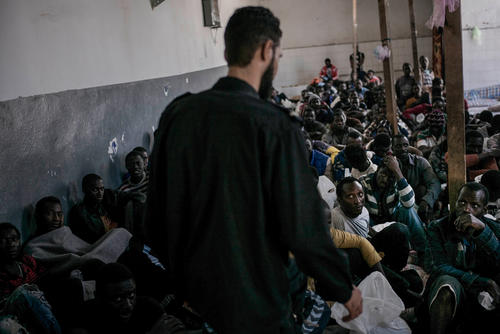
Escolhas difíceis: levar cuidados de saúde a centros de detenção na Líbia
Migrantes e refugiados são detidos arbitrariamente na Líbia e mantidos em centros de detenção não regulamentados, onde não há acesso garantido a cuidados de saúde. A assistência médica é oferecida por organizações humanitárias como Médicos Sem Fronteiras (MSF) ou por agências da Organização das ações Unidas (ONU) que conseguem atuar no país apesar da violência e da insegurança generalizadas.
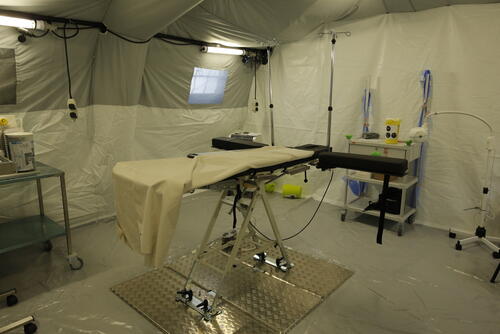
Realizando cirurgias de trauma nas guerras mais esquecidas do mundo e a opinião pública
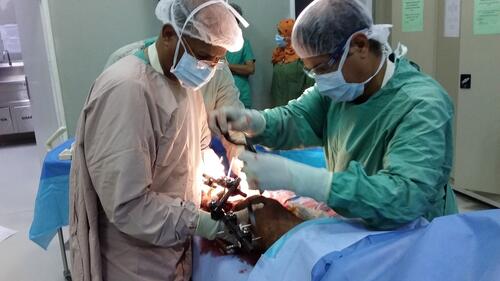
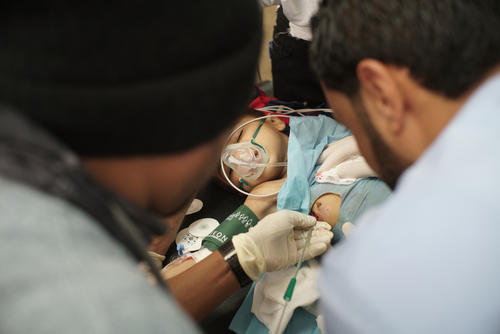
Para civis em uma zona de conflito, explosões e borbardeios não são acontecimentos que atingem apenas indivíduos, mas famílias e comunidades inteiras. Quando começamos o nosso projeto de cirurgia de trauma no hospital Tal Abyad na Síria, como uma resposta humanitária ao cerco de Raqqa, um dos nossos primeiros pacientes foi uma menina de cerca de 11 anos de idade. Sua família procurava abrigo em uma escola quando um explosivo improvisado disparou. Nenhum familiar estava com ela quando chegou ao hospital com queimaduras graves. Felizmente, em 36 horas, seu tio e sua mãe a encontraram. Dois outros irmãos ficaram feridos na explosão e foram levados para outras instalações. Vimos de perto o poder da rede de famílias e amigos interconectados nessa comunidade, que conseguiu localizar os dois garotos e reuni-los à irmã em nosso hospital.
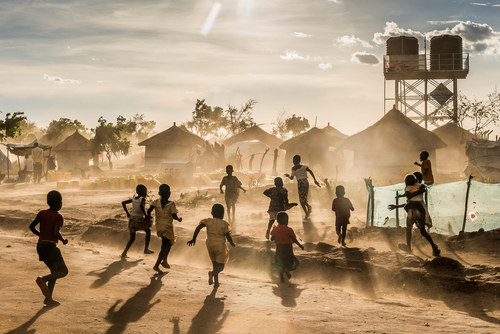
Sudão do Sul sem Fronteiras: os esforços de MSF para ajudar os deslocados
Quatro anos de conflito civil custaram um preço muito alto para população do Sudão do Sul e criaram uma das piores crises de deslocamento do mundo. Os civis experimentaram níveis extremos de violência e foram forçados a deixar suas casas. Dois milhões de pessoas estão atualmente deslocadas dentro do país, enquanto outros dois milhões buscaram refúgio na República Democrática do Congo, na Etiópia, no Sudão e em Uganda, e estão espalhados em campos de refugiados ao longo das fronteiras.
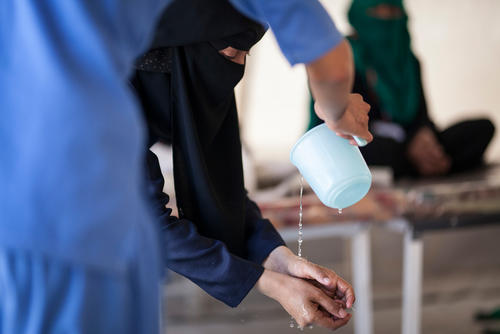
Mesmo fácil de tratar e prevenir, a cólera devasta comunidades em 2017
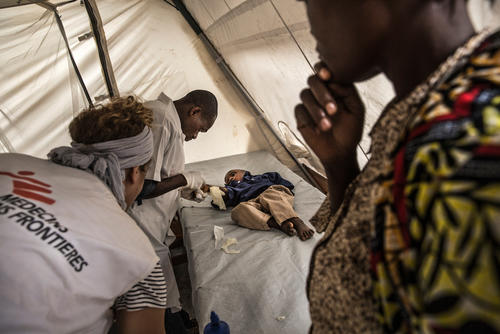
Em 2017, MSF tratou 143.100 casos de cólera em 13 países. Em 2016, foram 20.600 casos. No entanto, nossa resposta poderia ter sido ainda mais eficaz se nós, e outras organizações de ajuda humanitária, tivéssemos sido capazes de responder mais rapidamente e de implementar toda a gama de ferramentas que temos à nossa disposição. Nos países do Chifre da África, a falta de recursos - como hospitais com pessoal adequado, atividades de promoção da saúde, conscientização e acesso a água limpa - dificultou a resposta.
Hepatite C: fazendo campanha para melhorar o acesso à cura
O vírus da hepatite C (HCV) mata 400.000 pessoas todos os anos. Medicamentos inovadores podem curar a doença em apenas 12 semanas, mas milhões de pessoas não podem ter acesso a esses tratamentos que salvam vidas.
2017 em números
Navegue pelos principais fatos e números sobre nossas atividades em 2017.
10.648.300
consultas ambulatoriais
288.900
partos assistidos, incluindo cesarianas
2.520.600
casos de malária tratados![For 29 years Poppy Makgobatlou endured physical and mental abuse at the hands of her husband. She stayed with him because “in our culture, we respect the wishes of our parents, and my mother felt it would humiliate her if I left him”. Makgobatlou’s sister passed away in 2014, and when her mother fell ill a few months later, “things started to get out of control in my life.”
Her husband began removing items from the house one by one – where he was taking their things she did not know.
“He would just come and go, and when he was home he would fight me. He broke my shoulder, and the doctors tell me it is still broken.”
In 2015 Makgobatlou lost her brother.
“I remember what hurt the most, besides the beatings, was taking my brother to the hospital on the Saturday, and my husband was nowhere to be found. He came back home on the Monday, but only to ask for my wedding ring. I told him I did not know where it was, and when he left the house he said he was going to kill me when he returned. Around 2pm I received a call from the hospital to say that my brother had passed on - they wanted to know which mortuary they should take his body to,” she recalls.
After her brother’s funeral Makgobatlou lived with her sister’s two daughters for a time, unable to face her home. She received a summons for divorce from the Sherriff of the court, and learned that her husband was living with another woman. She received a divorce decree on the same day as her nieces kicked her out. Earlier in the week on the streets of Boitekong she had met a healthcare worker from Doctors Without Borders, who had told her about the Kgomotso Care Centre (KCC) at Boitekong Community Health Centre. With nowhere else to turn Makgobatlou borrowed R20, and caught a taxi to the KCC, where she was counseled and then transported to the Grace Help Centre near Mooinooi, which provides shelter for vulnerable women and children.
“What I liked about the KCC counselors is that they did not dump me. Even now they visit if they are in the area. I can feel that I am strong now, and ready to leave the shelter. I have no money but I do not need much – I want to know what it is like to live on my own in a little mokhukhu [shack], with just one plate and one cup – that will be fine for me,” she says
Asked if she would like her name to be changed to preserve her anonymity, Makgobatlou emphatically says, “No!”
“If an abused woman hears my story, I want them to know that I, Poppy Makgobatlou, used to hide my problems, but it kills you from inside to do that. You must speak out.”
* Médecins Sans Frontières/Doctors Without Borders (MSF) has been working with the North West Provincial Department of Health since 2015 to capacitate designated facilities on the platinum belt as ‘Kgomotso Care Centres’, providing a complete essential package of medical and clinical forensic services to survivors of sexual violence.](https://img.msf.org/AssetLink/k60i2804fg2jaa0k2cj840gobi02bb71.jpg "Kgmotso Care Centre")
Vozes do campo
Chegar a uma clínica e conversar com um conselheiro salvou minha vida.Poppy Makgobatlou, África do Sul
Contato
Contato
Médicos Sem Fronteiras
MSF-BRASIL
Av. Rio Branco, 135 - 11º andar
Centro, Rio de Janeiro
Brasil