


Discover all our latest news, stories and publications. Use the filter to get to the content you're looking for.

War in Ukraine
Данные и рассказы пациентов MSF свидетельствуют о неизбирательных нападениях на гражданских в Украине
Press Release
22 Jun 2022
War in Ukraine
Data and patient accounts reveal “no mercy” for civilians in Ukraine war
Press Release
22 Jun 2022

تقرير الأنشطة
حصاد العام 2021
مقال رأي
22 Jun 2022
Activity Report
Resumen del año 2021
Opinion
21 Jun 2022
About MSF
MSF Global DEI Guide
Report
21 Jun 2022
Videos - MSF Associative History: 1971 - 2011
MSF Associative History > Videos
List of the videos used in the study
A Matter of Time, Bernard Kouchner on the Boat for Vietnam Campaign, Antenne 2 (France) 27 November 1978 (in French)
Interview Claude Malhuret in ‘L'aventure Médecins Sans Frontières’ by Anne Vallaeys and Patrick Benquet, Editions Montparnasse, 2008 (in French)
Interview Bernard Kouchner in ‘Frontline Doctors’ by Frédéric Laffont and Christophe de Ponfilly, Interscoop, 1991 (in French)
Television news on France 3, 24 January 1985 (in French)
MSF Hong Kong 20th anniversary Video, 2014
19 December 1971 - ORTF: Creation of MSF - Max Récamier
11 December 1973 - ORTF: Bernard Kouchner
27 October 1979 - France 3: Activities of the MSF antenna in Marseille
2011 - Extract from “MSF Unlimited”: MSF Belgium activities in Chad during the 1980’s
2011 - Extract from “MSF Unlimited”: Earthquake in Armenia - 1989
1991 - A year in Focus: MSF European intervention in Kurdistan
1994 - Presentation of the Refugee camp exhibit
15 October 1999 - MSF International Council President reacts to the Nobel Peace Prize
1999 - Oslo Tango
1999 - Presentation of the Access Campaign - Bernard Pécoul
MSF polemic over donations, France 2, 4 January 2005 (in French)
La Mancha conference feedback, 2006 (in English, in French)
Anchor Links
Headline
Videos - MSF Associative History: 1971 - 2011
Background
None
Eyebrow
MSF International Associative History 1971-2011
Info Page Type
Basic Info Page
Schedule content for publication
Off
Description
Videos - MSF Associative History: 1971 - 2011
Select caption
Short caption
Fact Sheets - MSF International Associative History: 1971 - 2011
MSF Associative History > Fact Sheets
In these fact sheets, you find all the information compiled in the study, on each specific issue
- Abusive Behaviours (PDF - 143 Ko) | epub version (127 Ko)
- AEDES (PDF - 106 Ko) | epub version (143 Ko)
- Campaign for Access to Essential Medicine (PDF, 115 Ko) | epub version (138 Ko)
- Charter (PDF - 185 Ko) | epub version (127 Ko)
- Emergency Team (PDF - 245 Ko) | epub version (155 Ko)
- Epicentre (PDF - 96 Ko) | epub version (150 Ko)
- International General Assembly (PDF - 141 Ko) | epub version (150 Ko)
- Mini General Assembly (PDF, 229Ko) | epub version (156 Ko)
- Movement Wide Association (PDF - 211 Ko) | epub version (155 Ko)
- MSF & International Humanitarian Law (PDF - 213 Ko) | epub version (166 Ko)
- MSF & International Justice (PDF - 153 Ko) | epub version (163 Ko)
- MSF International Council (PDF - 55 Ko) | epub version (105 Ko)
- MSF International Council President (PDF - 35 Ko) | epub version (105 Ko)
- MSF International Office and international Secretary General (PDF - 31 Ko) | epub version (82 Ko)
- MSF Logistique (PDF - 58 Ko) | epub version (137 Ko)
- MSF Logo (PDF - 42 Ko) | epub version (145 Ko)
- Nobel Peace Prize (PDF - 282 Ko) | epub version (178 Ko)
- Populations in Danger (PDF - 133 Ko) | epub version (154 Ko)
- Temoignage Case Binder/Speaking Out Case Studies (PDF - 198 Ko) | epub version (157 Ko)
- Termination of Pregnancy (PDF - 161 Ko) | epub version (150 Ko)
- The MSF Trademark and name (PDF - 439 Ko) | epub version (190 Ko)
- Transfer (PDF - 98 Ko) | epub version (142 Ko)
Anchor Links
Headline
Fact Sheets - MSF International Associative History: 1971 - 2011
Background
None
Eyebrow
MSF International Associative History 1971-2011
Info Page Type
Basic Info Page
Schedule content for publication
Off
Description
Fact Sheets - MSF International Associative History: 1971 - 2011
Select caption
Short caption
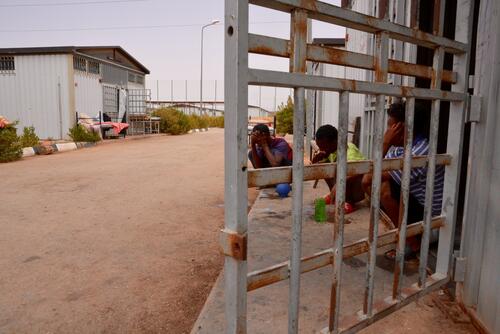
ليبيا
أطباء بلا حدود تدعو إلى إجلاء المهاجرين الأكثر حاجة من ليبيا إلى بلدان آمنة
بيان صحفي
20 Jun 2022
Glossary
The MSF Glossary of Acronyms (https://glossary.msf.org/) and the MSF Arabic Glossary (https://arabic-glossary.msf.org/) have been merged into one unique repository in the MSF International SharePoint – Pamoja.
To access it, you can follow this link: MSF GLOSSARY OF TERMS AND ACRONYMS
For those who don’t have access to MSF SharePoint, you can download here an extract of this Glossary.
Anchor Links
Hero Pathing Form
Donate
Headline
MSF Glossary of Terms and Acronyms
Background
None
Eyebrow
About MSF
Info Page Type
Basic Info Page
Schedule content for publication
Off
Description
Glossary
Select caption
Short caption
Journal article
test publication 9h45
20 Jun 2022
Journal article
Libya
MSF calls for evacuation of most vulnerable migrants from Libya to safe countries
Press Release
20 Jun 2022
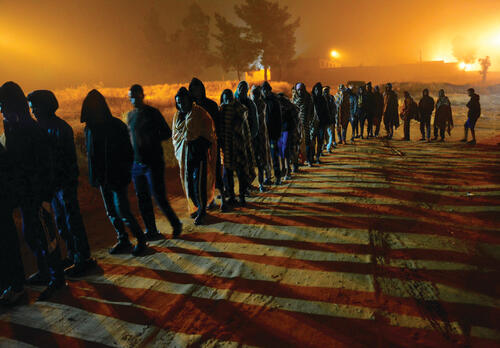
Libya
Out of Libya: Opening safe pathways for migrants stuck in Libya
Report
20 Jun 2022
Access to medicines
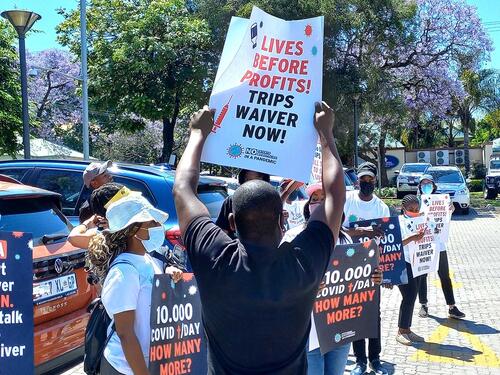
Lack of a real IP waiver on COVID-19 tools is a disappointing failure for people
Statement
17 Jun 2022

مقاومة المضادات الحيويّة
أنتيبيوغو: تطبيق ثوري للتعامل مع مقاومة المضادات الحيوية
بيان صحفي
17 Jun 2022
العراق
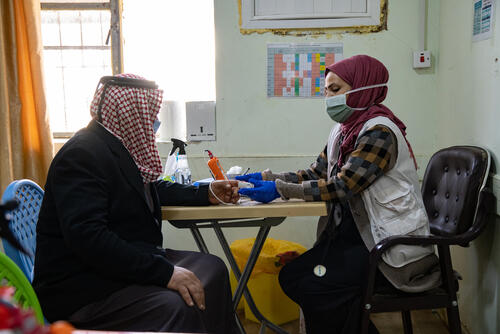
احتياجات صحية هائلة في الحويجة رغم مرور ست سنوات على المعركة مع تنظيم الدولة الإسلامية
تحديث حول مشروع
16 Jun 2022
Antibiotic resistance
Antibiogo: A revolutionary application to tackle antibiotic resistance
Press Release
15 Jun 2022
الصومال
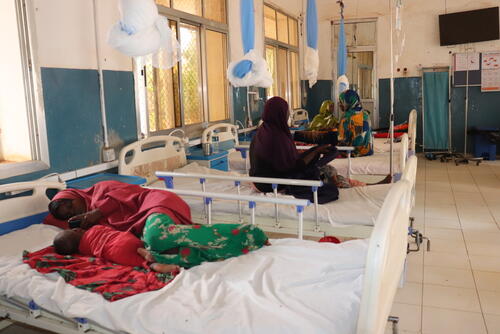
الجفاف يفاقم حدة الأزمة الصحية في الصومال وأرض الصومال
تحديث حول مشروع
15 Jun 2022
Iraq
Significant healthcare needs remain in Hawija six years after battle with Islamic State group
Project Update
15 Jun 2022
Manipulation of aid: Speaking out and the (ir)relevance of humanitarian principles
This is an advanced course on the Speaking Out Case Studies, which analyses speaking out dilemmas in depth, requiring enhanced reflection skills, which can be transferred to contemporary contexts. It is an interactive self-study course, which includes a learning journey, and a series of knowledge checks. The course includes two parts:
Part 1: Thematics based on speaking out, the manipulation of aid, and the (ir)relevance of humanitarian principles.
This thematic includes concepts such as:
- Instrumentalisation, diversion, and politicisation of humanitarian aid.
- Disinformation: Obtaining, grounding, and adapting speaking out strategies based on credible and authentic data.
- Reflection on the (ir)relevance of humanitarian principles going forward.
- Examination of speaking out through the lens of calling for national inquiries by state actors.
Part 2: Case study analysis of speaking out dilemmas and the manipulation of aid, with a focus on Gorazde.
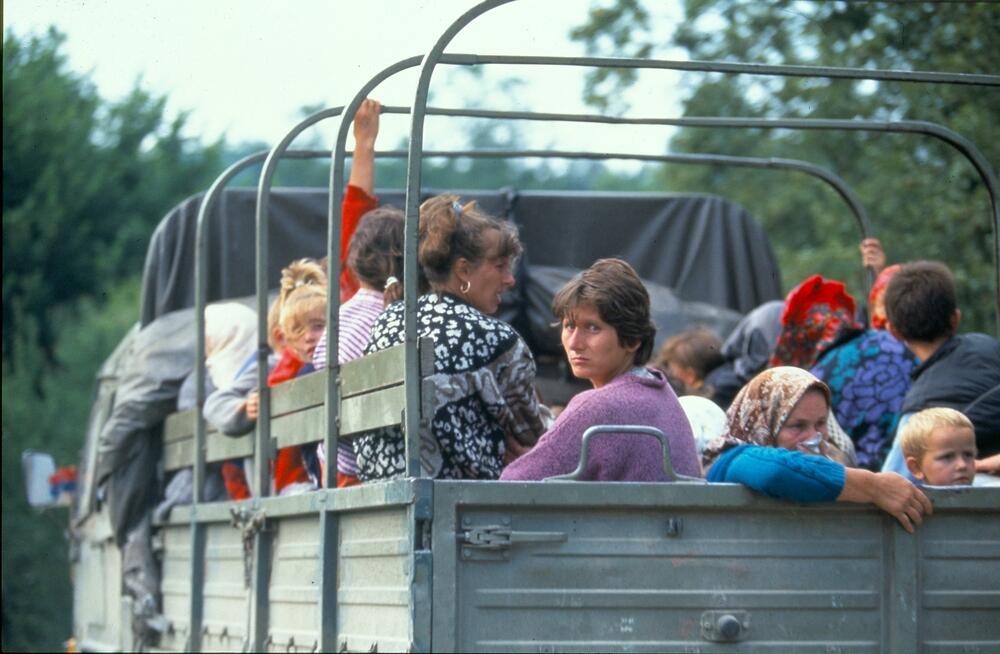
Although any of the MSF Speaking Out Case Studies could be used to teach this thematic on speaking out and the manipulation of aid, the SOCS team chose the case study on MSF and the War in the Former Yugoslavia 1991-2003, (published in 2015) because of the specifics of the events which unfolded in Gorazde. This course introduces new case study materials focused on Gorazde. The thematic focus includes concepts such as disinformation, politicisation, and speaking out strategies.
The Learning Journey
What you need to know before starting the course.
How to enrol
All students - internal and external - must register on TEMBO, the MSF learning platform, in order to access courses. Click on the button below to access the platform.
Return to Course Home
Anchor Links
Hero Image

Headline
Manipulation of aid: Speaking out and the (ir)relevance of humanitarian principles
Background
Image
Schedule content for publication
Off
Description
This is the first course in a series of advanced level courses to come.
The course uses the speaking out case study: "MSF and the war in Former Yugoslavia 1991-2003" with a focus on Gorazde.
The course uses the speaking out case study: "MSF and the war in Former Yugoslavia 1991-2003" with a focus on Gorazde.
Eyebrow
Do not include into latest
On
Select caption
Short caption
Use a custom breadcrumb
No
Speaking Out Case Studies Advanced Level Modules
Speaking Out Case Studies Advanced Level Modules
The advanced courses on the speaking out case studies go beyond the introductory level courses, asking you to reflect on the dilemmas and contribute your thoughts in facilitated sessions.
The advanced courses take a closer look at the central thematics and speaking out actions amidst humanitarian dilemmas.
Who are the advanced level learning modules for: Field Coordinators, Operations, Humanitarian Affairs, Operational Communications and, Analysis Units staff as well as graduate students in Humanitarian Affairs or other related fields of study.
Access:
- All advanced level modules are blended with self-pace and facilitated sessions thus enrolment is required for both internal and external students.
- You will need to create an account on TEMBO, MSF’s training platform to access the self-paced modules.
- You must complete initial course to obtain the key for access to other courses.
Credentialing: for all advanced modules, you must complete the assignments and attend the facilitated sessions to obtain your certificate / badge.
Advanced Level Course: How does Speaking Out Articulate with MSF’s Working Humanitarian Principles?
The working principles thematic includes advanced work on concepts such as:
- Instrumentalisation, diversion, and politicisation of humanitarian aid
- Obtaining, grounding, and adapting speaking out strategies based on credible and authentic data
- Reflection on the (ir)relevance of humanitarian principles going forward
- Examination of speaking out through the lens of calling for national inquiries by state actors (optional choice made by course administrator)

© Art Zamur
Anchor Links
Headline
Speaking Out Case Studies Advanced Level Modules
Background
None
Schedule content for publication
Off
Description
The advanced courses on the speaking out case studies go beyond the introductory level courses, asking you to reflect on the dilemmas and contribute your thoughts in facilitated sessions.
The advanced courses take a closer look at the central thematics and speaking out actions amidst humanitarian dilemmas.
Due to the complexity and difficulty of the advanced level learning, facilitated sessions accompany the self-paced sessions to share reflections, while offering support (largely through peer discussion) for more challenging analyses.
The facilitated sessions use the Think-Pair-Share pedagogy which designed to differentiate instruction by providing students time and structure for thinking on a given topic, enabling them to formulate individual ideas and share these ideas with a peer.
The advanced courses take a closer look at the central thematics and speaking out actions amidst humanitarian dilemmas.
Due to the complexity and difficulty of the advanced level learning, facilitated sessions accompany the self-paced sessions to share reflections, while offering support (largely through peer discussion) for more challenging analyses.
The facilitated sessions use the Think-Pair-Share pedagogy which designed to differentiate instruction by providing students time and structure for thinking on a given topic, enabling them to formulate individual ideas and share these ideas with a peer.
Eyebrow
Do not include into latest
On
Select caption
Short caption
The Initial Module: Introduction to MSF, SOCS, and Speaking Out
The Initial Module: Introduction to MSF, SOCS, and Speaking Out
“From Syria to Nigeria, from the West Africa Ebola epidemic to Search & Rescue in the Mediterranean, and from Yemen to South Sudan, and beyond, MSF teams have provided medical humanitarian assistance to populations caught in turmoil, violence and facing mass neglect, and have witnessed the tremendous suffering that ensued. We mobilised our public voice in many of these crises, in a fast-paced and often heavily polarised media environment. We have also been silent and, at times, struggled to articulate what to say” (MSF: Telling it As It Is).
This initial module will walk the learner through the complexity of speaking out for MSF, what, why, and how MSF speaks out, and some of the speaking out consequences.
The course prepares a foundation with which to embark on the study of speaking out case studies and dilemmas. It is a strongly recommended prerequisite for all levels of experience and should be completed before proceeding to the other courses.
Who is the initial module for?
All students interested in learning more about MSF, Speaking Out and SOCS.
For optimal results, the recommended learning path is to first complete the initial module, no matter your level of seniority or responsibility. Courses are designed for progressive learning.
Access:
- The Initial Module is self-paced and open to all for enrolment.
- All internal and external students will need to create an account on TEMBO, MSF’s training platform to access the module.
The Learning Journey
What you need to know before starting the course.
How to enrol
All students - internal and external - must register on TEMBO, the MSF learning platform, in order to access courses. Click on the button below to access the platform.
Return to Course Home
Anchor Links
Hero Image
Headline
The Initial Module: Introduction to MSF, SOCS, and Speaking Out
Background
Image
Schedule content for publication
Off
Description
The Introduction to MSF SOCS and Speaking Out course introduces the organisation, the SOCS project, and the concept of speaking out for MSF.
Eyebrow
Do not include into latest
On
Select caption
Short caption
Use a custom breadcrumb
No
Speaking Out Case Studies Introductory Level Modules
Hero Image
Headline
Speaking Out Case Studies Introductory Level Modules
Background
None
Schedule content for publication
Off
Description
All introductory courses offer open enrolment for MSFers, oter humanitarians and external students alike. These modules teach foundational skills. The MSF SOCS team will add to the repertoire of courses periodically, so check back regularly for updates. Each new course will focus on a humanitarian thematic paired with one of the speaking out case studies, grounding the conceptual with the operational experience of MSF.
Students will deepen their understanding of essential humanitarian concepts and terminologies and develop skills to effectively analyse past and present speaking out challenges.
Students will deepen their understanding of essential humanitarian concepts and terminologies and develop skills to effectively analyse past and present speaking out challenges.
Eyebrow
Do not include into latest
On
Select caption
Short caption
إثيوبيا
أطباء بلا حدود تدق ناقوس الخطر للتحذير من أزمة سوء تغذية واسعة النطاق في عفر
بيان صحفي
10 Jun 2022

Cameroon
Cameroun: MSF condamne l’attaque contre l’hôpital de Mamfe
Press Release
9 Jun 2022

How we work
How we deliver medical humanitarian assistance
Everywhere we work, the circumstances are unique. Nonetheless, our programmes generally follow a common set of practices designed to make sure our resources and expertise are used to maximum effect.