


Discover all our latest news, stories and publications. Use the filter to get to the content you're looking for.
MSF Speaking Out
The violence of the new rwandan regime 1994-1995 (PDF, 3.8 MB)
msf.org
25 Apr 2019
MSF Speaking Out
MSF And North Korea 1995-1998 (PDF, 5 MB)
msf.org
25 Apr 2019
MSF Speaking Out
Rwandan refugee camps in Zaire and Tanzania 1994-1995 (PDF, 5.5 MB)
msf.org
25 Apr 2019
MSF Speaking Out
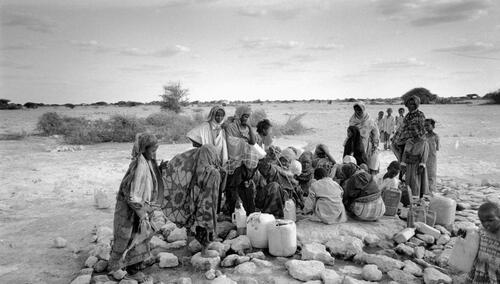
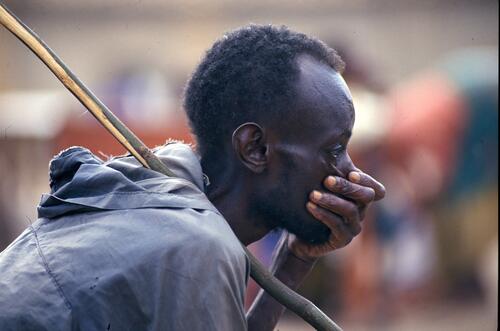
Somalia 1991-1993: civil war, famine alert and UN “military humanitarian” intervention 1991-1993 (PDF, 12.5 MB)
msf.org
25 Apr 2019
SPEAKING OUT CASE STUDIES
Speaking Out Case studies
Welcome to the Médecins Sans Frontières Speaking Out Case Studies website where you will find a series of studies that openly examine and analyse the organisation’s actions and decision-making process during crisis that have led it to speak out.
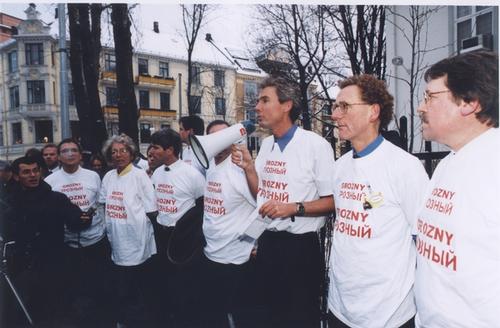
From denouncing the forced relocation in Ethiopia in 1985 to the inaction of the international community during the genocide of Rwandan Tutsis in 1994 and the Nobel Peace Prize acceptance speech that demanded an end to indiscriminate bombings of civilians in Chechnya and much more.
In these studies, key information sources – MSF volunteers’ written and oral recollections – are reconstructed by highlighting archive documents, press articles and videos from the period concerned and interviewing the main actors involved.
These case studies were originally designed as an educational tool for and only available to associative members of the organisation. With the hope of broadening their educational scope the studies are now being made available in French and English to the public for free on this website.
Video
Speaking Out Case Studies
Listen to the "Speaking Out" Podcast: MSF and the Rohingya 1992-2014
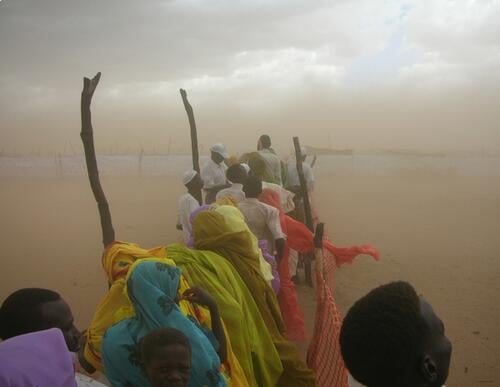
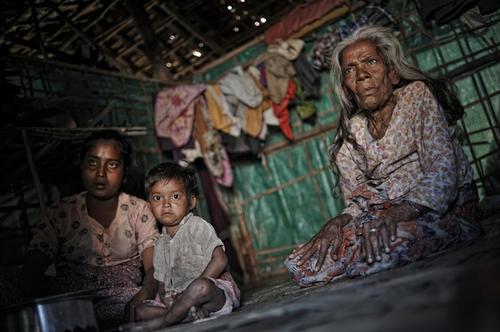
This podcast based on the “MSF and the Rohingya 1992-2014” SOCS traces over 20 years of MSF’s advocacy for the persecuted Rohingya population in Myanmar and Bangladesh, highlighting MSF controversial use of “silent advocacy” to maintain operational access. Across 7 episodes, it explores the dilemmas, challenges and internal controversies faced when providing humanitarian aid under Myanmar authoritarian regimes and refugee camps in Bangladesh.
Featured
Find your publication of interest
Share your feedback or ask a question
Hero Image
Headline
SPEAKING OUT CASE STUDIES
Background
Image
Schedule content for publication
Off
Description
In MSF, this means a willingness to speak on behalf of the people we seek to help: to bring abuses and intolerable situations to public attention. Through case studies, we openly examine and analyse our actions and decision-making processes during humanitarian emergencies that have led us to speak out.
Eyebrow
Thumbnail Image
Do not include into latest
On
Select caption
Short caption
Use a custom breadcrumb
No
Pakistan
Drugs meant to help give life come with serious health risks
Project Update
24 Apr 2019
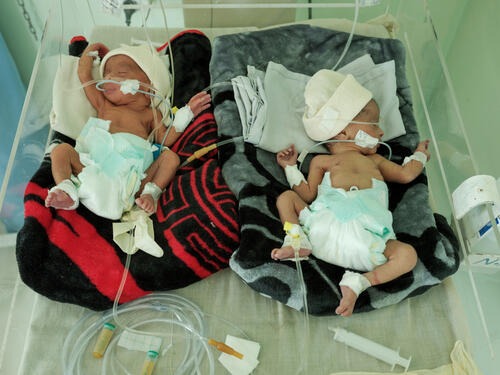
Yemen
Complicated delivery: The Yemeni mothers and children dying without medical care
Report
24 Apr 2019
اليمن
الأمهات والأطفال تُركوا ليلاقوا حتفهم من دون الحصول على الرعاية الطبية
بيان صحفي
24 Apr 2019
Yemen
Mothers and children left to die in Yemen without access to medical care
Press Release
24 Apr 2019
كولومبيا
أطباء بلا حدود تقدّم المساعدة للمهاجرين الفنزويليين في كولومبيا
تحديث حول مشروع
18 Apr 2019
إعصار إيداي والفيضانات
الوضع في موزمبيق يتحول من حالة الطوارئ إلى التعافي
تحديث حول مشروع
18 Apr 2019

ليبيا
أوضاع اللاجئين والعائلات الليبية مقلقة مع ارتفاع حدة القتال في طرابلس
تحديث حول مشروع
18 Apr 2019
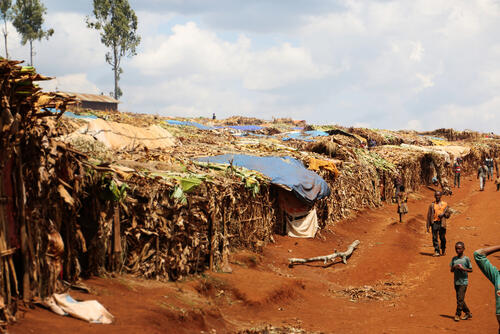
Ethiopia
Alarming rates of malnutrition among displaced people in southern Ethiopia
Press Release
17 Apr 2019
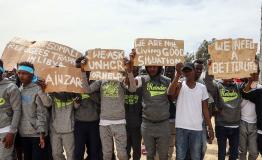
Libya
Detained refugees trapped, Libyan families flee, as fighting worsens in Tripoli
Project Update
17 Apr 2019
Colombia
Assisting Venezuelan migrants in Colombia
Project Update
17 Apr 2019
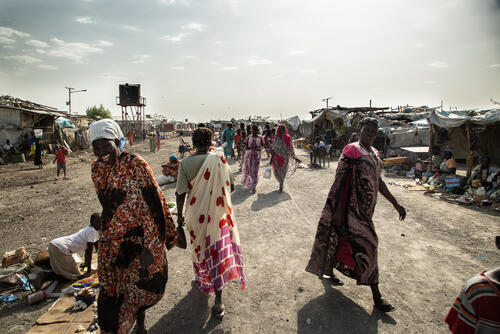
South Sudan
There’s a lot to be done to address the uncountable health needs
Voices from the Field
16 Apr 2019
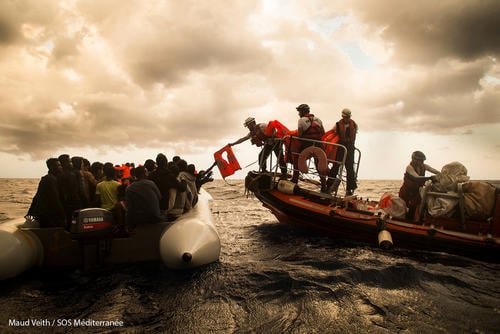
التقرير الدولي عن أنشطة أطباء بلا حدود لعام 2017
عمليات البحث والإنقاذ
16 Apr 2019
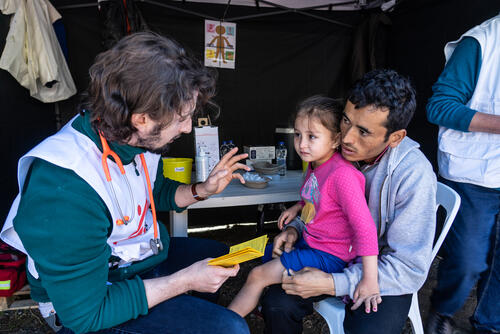
الحصول على الأدوية
برنامج "الآلية الإنسانية" يوفّر لقاح الالتهاب الرئوي لللاجئين بسعر منخفض لأول مرة في أوروبا
بيان صحفي
16 Apr 2019
Cyclone Idai & Southern Africa flooding
From emergency to recovery: Mozambique one month after Cyclone Idai
Project Update
12 Apr 2019
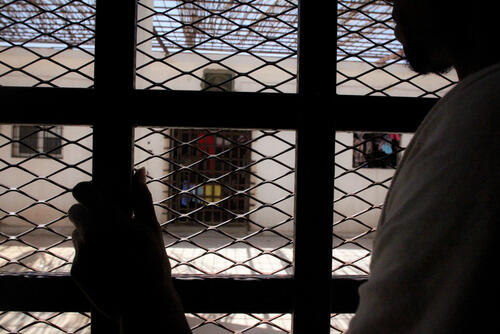
ليبيا
ضرورة إطلاق سراح اللاجئين المحتجزين وضمان سلامتهم في خضم المعارك القائمة في طرابلس
تحديث حول مشروع
12 Apr 2019
Access to medicines
Humanitarian mechanism for vaccines used for first time in Europe to counter high prices
Press Release
12 Apr 2019
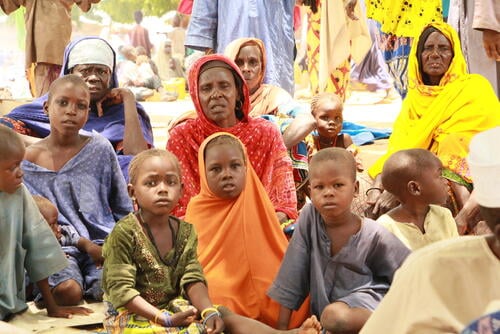
Lake Chad Crisis
Borno State: “We don’t know anything of the people living in regions outside army control”
Interview
11 Apr 2019
Libya
Trapped refugees must be released and granted safety from Tripoli fighting
Project Update
11 Apr 2019
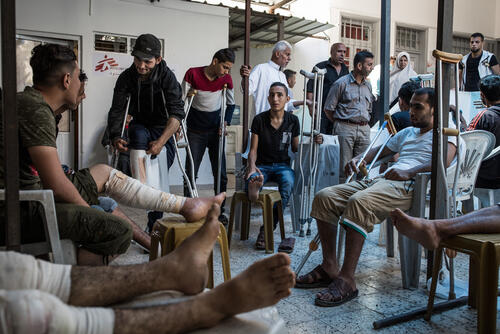
فلسطين
الإصابة والموت روتين معتاد في غزّة
أصوات من الميدان
10 Apr 2019

How we work
How we deliver medical humanitarian assistance
Everywhere we work, the circumstances are unique. Nonetheless, our programmes generally follow a common set of practices designed to make sure our resources and expertise are used to maximum effect.