




7,580
7,58
940
94
290
29
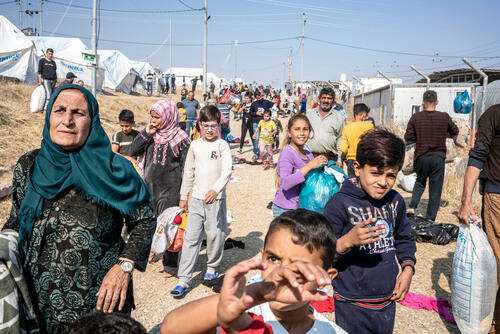
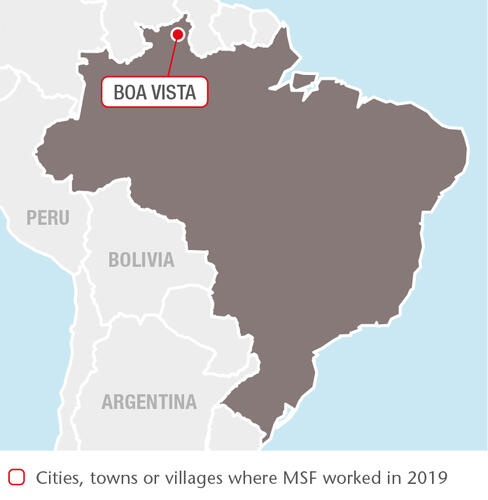
The crisis has generated the largest human displacement in Latin America’s recent history, with approximately 4.5 million people having fled the country. Most Venezuelans entering Brazil arrive in Roraima, the least-developed state in the country, putting an additional strain on its already precarious public services. In 2019, due to the large influx of refugees, its population rose by five per cent, by far the highest rate in the country. The state now hosts between 50,000 and 60,000 Venezuelans.
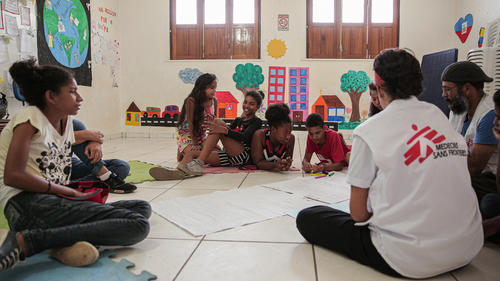
Médecins Sans Frontières (MSF) returned to Brazil in 2018, to address the health needs of Venezuelans and the local population in the state capital, Boa Vista. Our work includes health promotion activities and mental health sessions in official shelters, which are home to around 6,000 migrants and refugees. We also carry out water and sanitation activities, such as the distribution of hygiene kits.
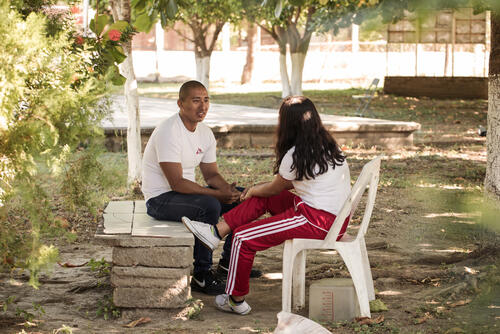
By June, we had expanded our activities to include the provision of basic medical services and antenatal care in two health facilities run by Boa Vista city government. By the end of the year, our teams had conducted almost 7,580 outpatient consultations, including nearly 500 antenatal consultations, and reached over 18,000 people through health promotion activities. MSF is also the only organisation offering mental health assistance to Venezuelans in Roraima – over 3,500 people benefited from individual or group mental health sessions in 2019.
By the end of the year, our teams were also visiting informal shelters and abandoned buildings, as part of the strategy to reach the most vulnerable people in Roraima.