




125,400
125,4
11,700
11,7
4,660
4,66
3,660
3,66
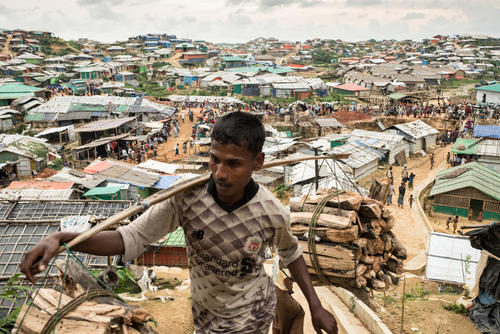
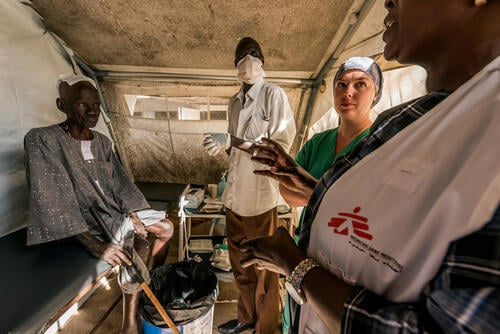
Many refugees are living in deplorable conditions with their most basic needs unmet. The huge number of extra people in the country has put a severe strain on services, including the health sector. Even where healthcare is available, the cost of consultations, laboratory tests and medication is a barrier for refugees as well as for migrants and economically and socially vulnerable Lebanese.
Médecins Sans Frontières continues to work across Lebanon to provide these communities with free, quality medical assistance such as treatment for non-communicable diseases, sexual and reproductive healthcare, mental healthcare and maternity services.
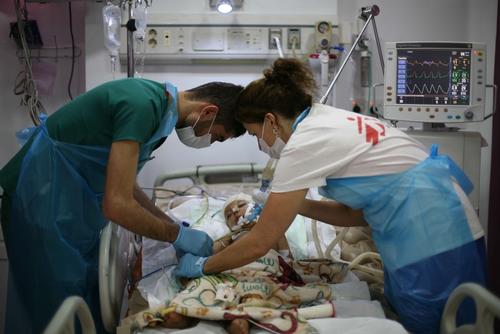
In 2018, we expanded our projects to offer specialist services, such as paediatric intensive care, treatment for thalassemia and general elective surgery.
Bekaa Valley
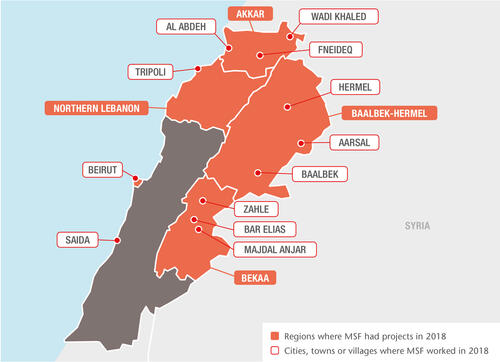
In Bekaa and Baalbek-Hermel, where the majority of Syrian refugees have settled, we offer primary healthcare in Hermel, Aarsal, Baalbek and Majdal Anjar.
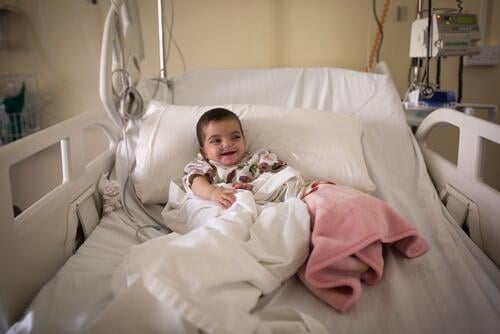
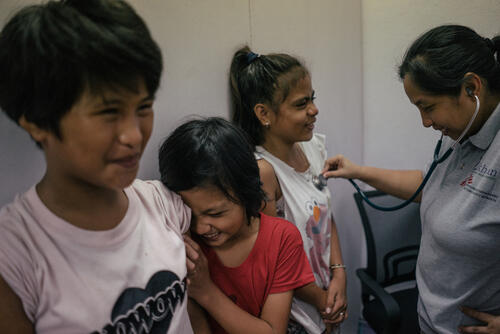
We have teams working in two mother and child health centres in Aarsal and Majdal Anjar, and run a specialised paediatrics programme in Zahle, which includes emergency consultations, paediatric intensive care and treatment for thalassemia.
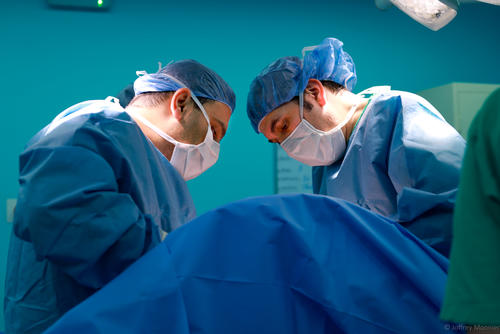
We completed the rehabilitation of a hospital in Bar Elias in July, and towards the end of the year started providing chronic wound care and general elective surgery.
In addition, we supported the Ministry of Public Health to vaccinate 22,000 children against measles and polio in Zahle, Baalbek and Hermel.
Northern Lebanon and Akkar
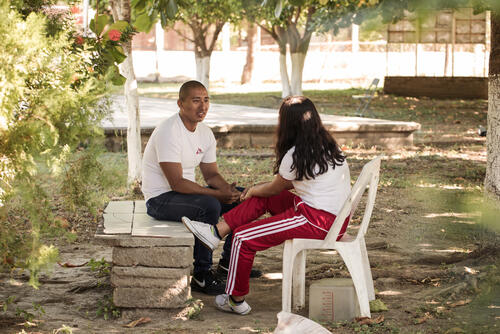
We offer essential primary healthcare in Wadi Khaled, as well as mental health support in a clinic in Fneideq, for both Syrian refugees and the local community.
In Tripoli and Al Abdeh, we continued to offer chronic diseases care and family planning services. In 2018 we implemented the WHO Mental Health Gap Action Programme<a href="https://www.who.int/mental_health/mhgap/en/">WHO Mental Health Gap Action Programme (mhGAP)</a> adopted by the Lebanese Ministry of Public Health, training general practitioners so that they can prescribe medication when necessary, under the supervision of an external psychiatrist.
South Beirut
Since September 2013, we have been managing a primary healthcare centre and a women’s centre in Shatila refugee camp, where Palestinians, Syrians, Lebanese and people of various other nationalities live in poor, overcrowded conditions with limited services.
We launched a vaccination campaign around Sabra and Shatila in March in collaboration with the Ministry of Public Health, vaccinating around 10,000 children against measles and polio, and opened a birthing centre at Rafik Hariri University Hospital in July. Our teams here assist deliveries and treat neonatal referrals from our Shatila clinic.
In Burj-al-Barajneh refugee camp, we run family planning and mental healthcare services, and operate a home-based care programme for patients with chronic diseases who have mobility problems.
South Lebanon
We also operate a home-based care programme in Ein-al-Hilweh refugee camp, in Saida, for patients with mobility problems, and continue to support medical personnel in the camp to improve their emergency preparedness and response plan so they can stabilise any injured people caught up in violence.
649
649
€29.8 M
29.8M
1976
1976
Find us online