

254,000
254,
390
39
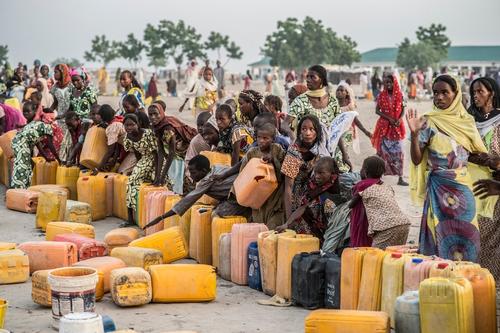
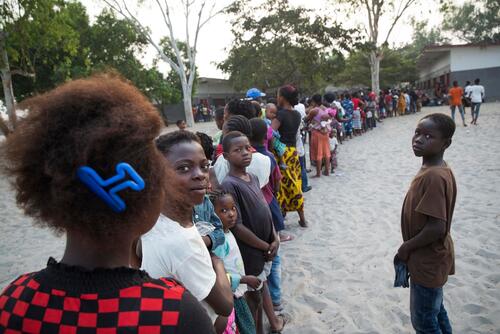
According to figures from the UNHCR, the UN refugee agency, by the end of 2016 Tanzania was hosting approximately 280,000 refugees, mainly from Burundi. Due to ongoing unrest in the neighbouring country, people continued to pour across the border and by December over 10,000 were arriving each month. This put additional pressure on the already full and overstretched camps, and the humanitarian organisations working there struggled to provide adequate shelter, water and sanitation. Housing new arrivals in overcrowded and unhygienic communal shelters exacerbated the spread of diseases, particularly malaria, diarrhoea and respiratory tract infections.
To meet the increased demand for care, MSF expanded its services across the three camps – Nyarugusu, Nduta and Mtendeli. This included restructuring existing facilities in Nyarugusu and Nduta to respond to the huge number of patients suffering from malaria. In Mtendeli camp, MSF was supplying around 428,000 litres of water daily and providing community health surveillance until September 2016, when both these activities were handed over.
In September, in the aftermath of a severe earthquake near the northern town of Bukoba, MSF donated emergency medical supplies to help the local hospital treat the injured.
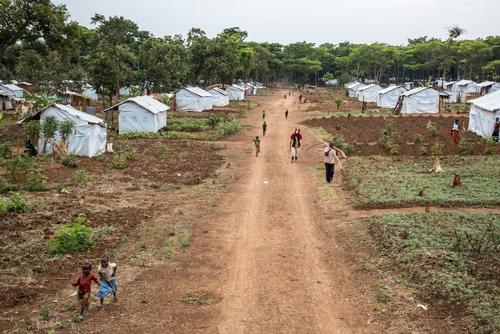
Nyarugusu refugee camp
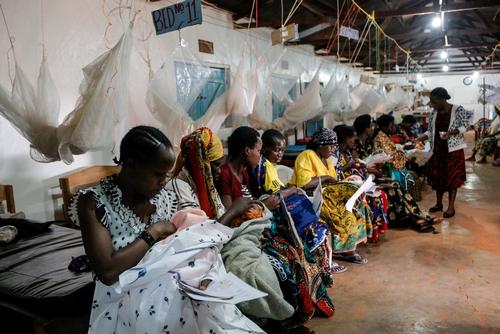
MSF continued to support the intensive therapeutic feeding centre at the camp hospital, treating 175 patients before handing it over to the Tanzanian Red Cross in March. MSF’s mobile clinics, which conducted outpatient consultations and nutrition programmes, were also phased out. However, three mobile clinics aimed specifically at reducing infection and mortality from malaria were still deployed. A 40-bed stabilisation unit and a blood bank were also established. In 2016, MSF carried out 64,450 outpatient consultations, of which 46,380 were for malaria, and distributed 65,000 mosquito nets. Teams also conducted 24,550 mental health consultations and supported water and sanitation activities, distributing a total of 65.7 million litres of water by December.
Nduta refugee camp
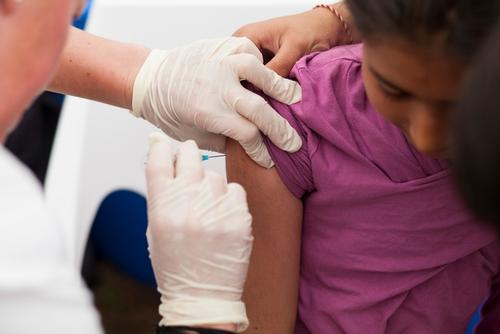
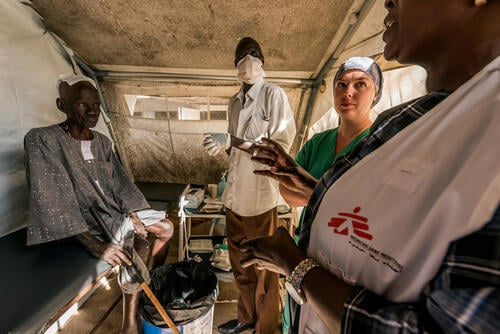
MSF is the main healthcare provider in Nduta camp and the only organisation offering a full range of medical services, including reproductive healthcare, treatment for malnutrition and care for victims of sexual violence. In 2016, the team refurbished and expanded the 120-bed hospital, and ran five health posts, conducting medical screenings, vaccinations and referrals, and offering mental health support. Over the course of the year, staff carried out 186,345 outpatient consultations, assisted over 3,000 deliveries, and treated almost 44,260 people for malaria. In addition, they conducted health promotion and water and sanitation activities in the camp, distributing 41,973 mosquito nets and 70.4 million litres of water between January and October.
193
193
9.9 M
9.9M
1993
1993
Patient story
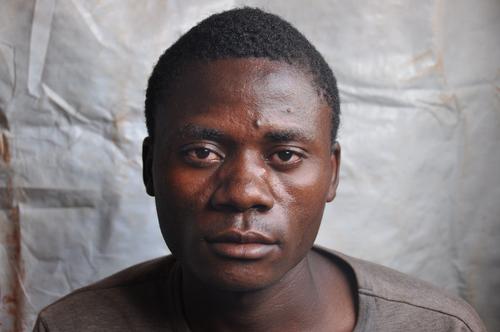
Ramadhani Lubunga – 26, Burundian refugee
“I’ve been living in Nyarugusu for six months but have actually spent most of my life as a refugee: I grew up in another camp in Tanzania after my parents and I were forced to flee our country. I still find the conditions here difficult, though – it’s a struggle to get enough food and water and living in a tent wears you down. I’ve just been diagnosed with malaria and I can’t stop shivering and shaking. I have a headache and nausea and feel very cold. I’m also worried about my wife. She is four months pregnant but has been having stomach pains and is now in the camp hospital. I’m scared about what might happen to our unborn baby. Refugees never have a good life, but it’s better than living in fear at home. I can’t and won’t go back home. I will stay in this camp until I die.”
Learn More