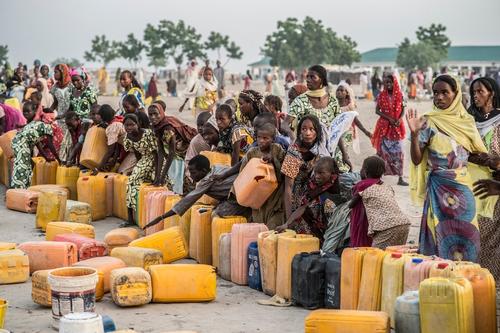
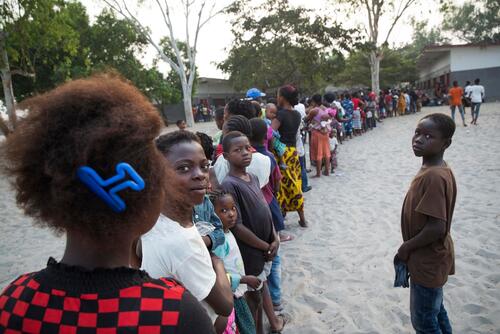
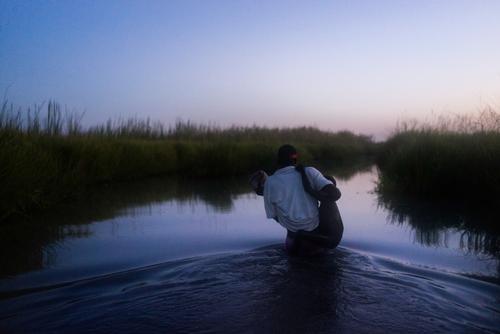
Every morning the camp residents rush to fill their water buckets.
Access to water is a major problem for the displaced.
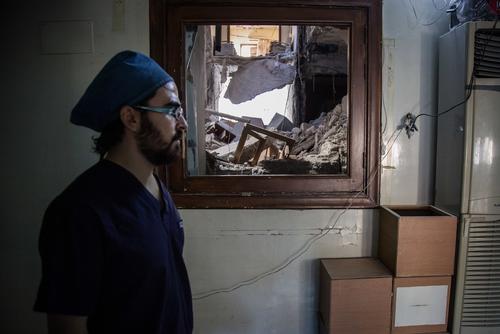
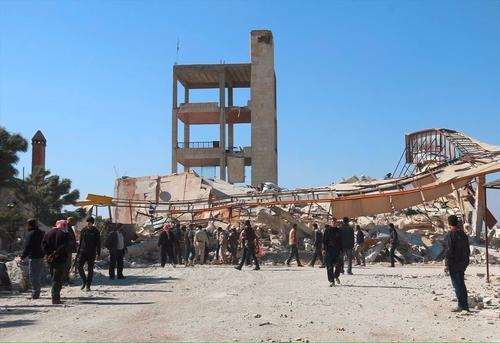
Dr Abu Wasim, a plastic surgeon, stands next to a damaged ward on the upper floors of a hospital in east Aleppo after it was hit by an airstrike in mid-October 2016. He is one of the 7 surgeons left in East Aleppo.
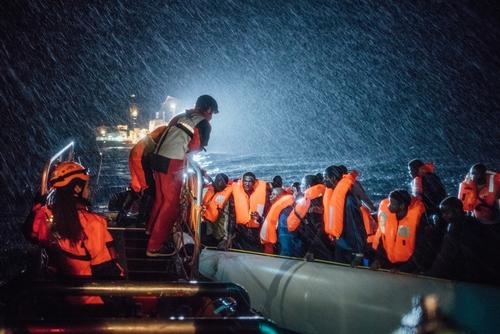
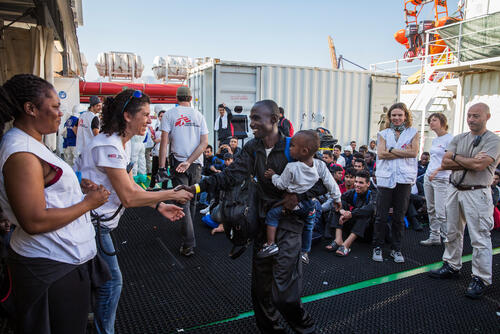
MSF and SOS Mediterannee Search and Rescue personnel operate in appalling conditions in the Mediterranean sea, 22 December 2016, as they help a boat in distress full of refugees and migrants off the northern coast of Libya.
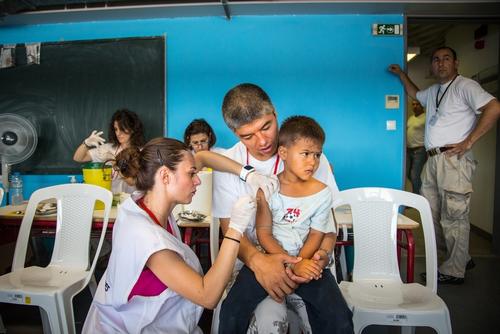
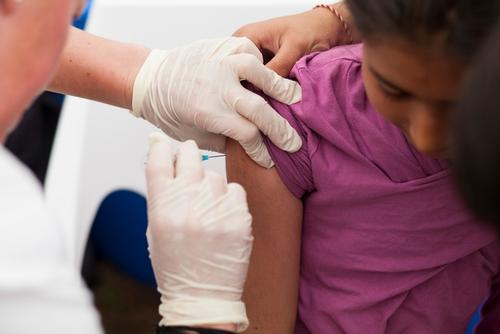
young boy receiving vaccine.
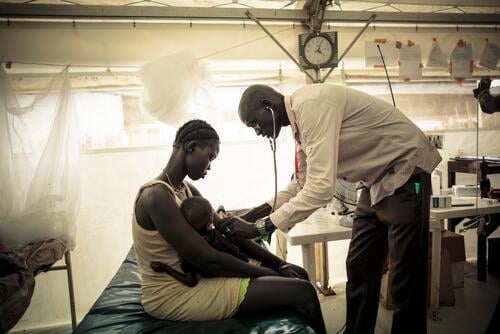
Médecins Sans Frontières (MSF) runs health care facilities in the UN protection of civilians camp (PoC) in Bentiu, South Sudan. The MSF hospital in the Bentiu PoC is the only hospital for the population of the camp. It provides 24-hour emergency room care, intensive care for malnourished children, medical treatment in paediatric and adult wards, and surgical and maternity services. More than  100,000 people live in
dire living conditions in the Bentiu PoC, having fled ongoing violence.
The MSF staff consisted out of international staff (round the 20) and national staff ( round 500). The national staff members are people themselves affected by the violence in South Sudan and live as IDP’s in the camp.
Médecins Sans Frontières

International Activity Report 2016

A child is assessed in an MSF run health care facility in the UN protection of civilians camp (PoC) in Bentiu, South Sudan.
© Rogier Jaarsma
Ebola disease in DRC: find out how we're responding
Learn more

A year in review

Almost one-third of our projects in 2016 were dedicated to providing assistance to populations caught in wars, such as in Yemen, South Sudan, Afghanistan, Iraq, Nigeria and Syria. We also provided assistance to people on the move, fleeing repression, poverty or violence, exploitation or danger as countries closed options for safe and legal routes. Our teams responded to other emergencies caused by epidemics and natural disasters and provided care and improved treatment for patients with diseases such as tuberculosis and HIV.
MSF programmes around the world

MSF has 468 projects in 71 countries. Click on the map to find out more.


The place names and boundaries used in this report do not reflect any position by MSF on their legal status.
Our Programmes

    The place names and boundaries used in this report do not reflect any position by MSF on their legal status.
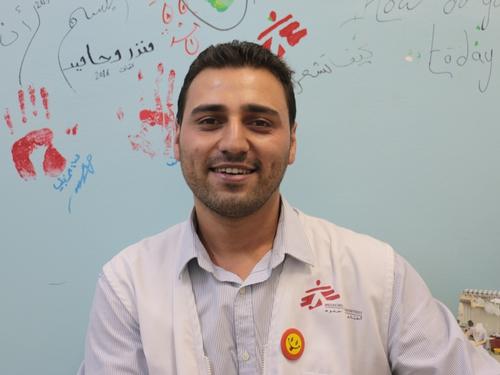
    One of the cases we received in the emergency room (ER) was of great and powerful inspiration to me personally and to all staff; a young woman arrived in the ER where I was on duty, she had lost both legs because of an injury caused by a rocket. She was carrying an 8-month old baby in her womb. What inspired me the most was her extraordinary strength to cope with her injury and to accept it, and what is beautiful about her story is that we got the chance to see her baby since she gave birth in the Ramtha project. - Dr. Mohammad Momani - ER doctor at Ramtha surgical project
    Dr. Mohammad Momani - ER doctor at Ramtha surgical project
    © MSF
    All those cases were critical war injuries caused by missiles, explosive barrels, mines or bullets. Doctor Mohammad El-Momani

    Voices from the field

    2016 in figures

    Browse through key facts and figures from our activities in 2016.
    2016 in figures

    Learn more
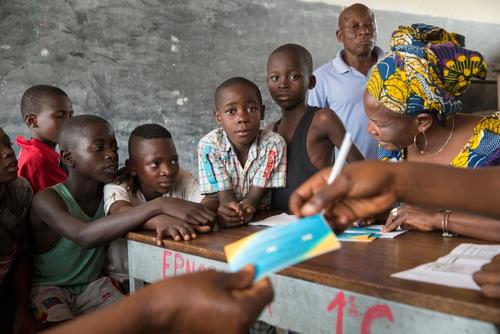
    August 17, 2016. The yellow fever vaccination campaign starts in a school in the Zone de Santé Kikimi in Kinshasa. After an outbreak of yellow fever MSF has decided to vaccinate around 710.000 people in 10 days time in 3 zones in Kinshasa.

    1,167,600

    people vaccinated against yellow fever in response to an outbreak
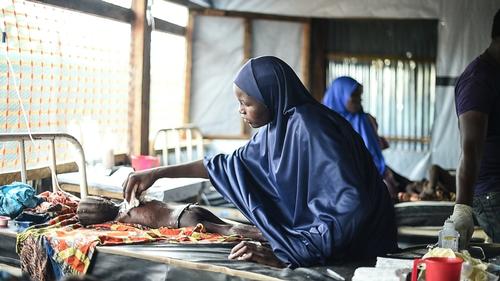
    A mother places a cool damp washcloth on her child's body to bring the fever down while she rests on the bed in isolation ward. 

Children who show signs of measles with complications are treated in an isolation ward. Severe cases are referred to the hospital in Biu, a two hours drive away. Malnourished are vulnerable to diseases, especially when not being vaccinated. Measles as well as other child hood diseases are a risk for their health status.
General Hospital camp Damboa, Borno State.

    2,536,400

    cases of malaria treated
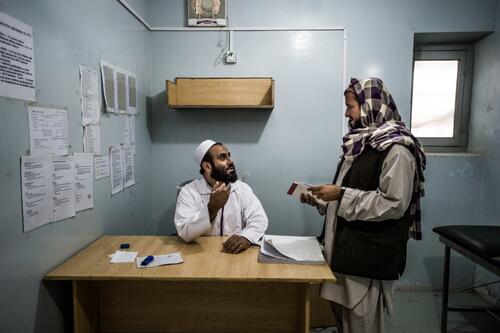
    Dr Ahmed Jalal (L) consults with a patient in the outpatient department of Boost hospital in Lashkar Gah, Helmand, Afghanistan.
Boost hospital is run by MSF in partnership with the Ministry of Public Health. It is one of the biggest MSF runs worldwide: 300 beds, 700 national staff, 25 international staff.
Photo: Kadir van Lohuizen / NOOR
Lashkar Gah, Helmand, Afghanistan

    9,792,200

    outpatient consultations