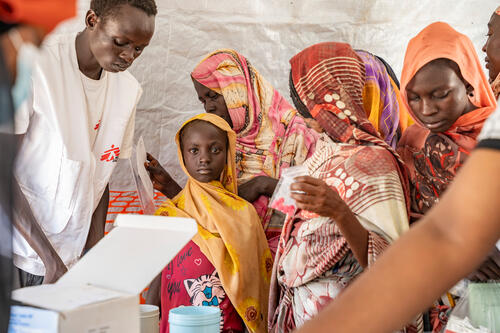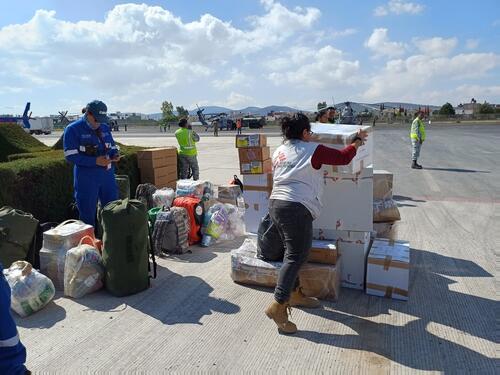
Massive cuts to humanitarian and global health assistance are increasingly affecting communities caught in crisis.
Extreme funding cuts and policy changes by the United States and other traditional donor countries are shrinking the resources available to respond to global health and humanitarian needs. In turn, this is deepening the neglect of millions of people affected by malnutrition, preventable and treatable diseases, conflict, forced displacement, and climate change. Programmes focusing on the needs of women and girls have also been particularly affected. Our teams are witnessing shortages of therapeutic food, disruptions in the supply of vaccines, suspensions of sexual and reproductive health programmes, and lack of access to treatment for HIV, tuberculosis, and malaria.
We are seeing fewer aid organisations, with less capacity, responding to humanitarian emergencies, outbreaks of infectious diseases, and displacement crises. Meanwhile, ministries of health are losing access to critical supplies and technical support. MSF is not directly financially impacted by government – including US government – or UN funding cuts. But our teams are dealing with the consequent supply shortages, higher costs, gaps in patient referrals and coordination, and rising patient numbers that come from other agencies’ cuts and closures, which place increased pressure on MSF services in several countries, including in Afghanistan, Bangladesh, Nigeria, Ethiopia, Somalia, and the Democratic Republic of Congo.
Rapport international d'activités 2025
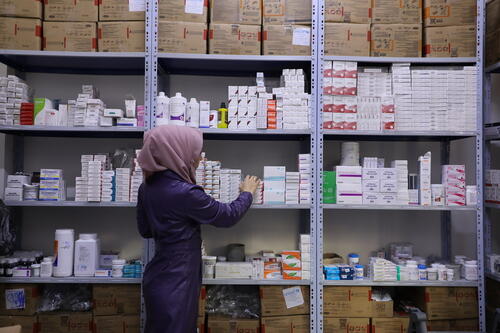
Nous devons investir dans la lutte contre la résistance aux antimicrobiens pour sauver la vie et l'intégrité physique des individus dans les conflits
21 Aug 2026
فلسطين
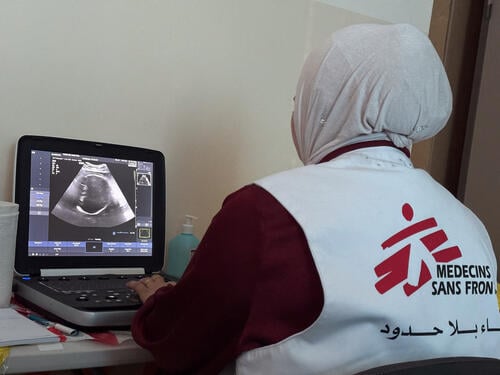
الاحتياجات الطبية آخذة بالازدياد في الخليل بفعل العنف المتصاعد وتقييد الحركة
تحديث حول مشروع
21 Aug 2026
حرب غزة وإسرائيل
بيان بشأن قرار الجيش الإسرائيلي رفض فتح تحقيق جنائي في مقتل وإصابة موظفي أطباء بلا حدود
تصريح
21 Aug 2026
Gaza-Israel war
Statement on Israeli military’s decision to deny a criminal investigation into MSF killings and injuries
Statement
20 Aug 2026
جمهورية الكونغو الديمقراطيّة
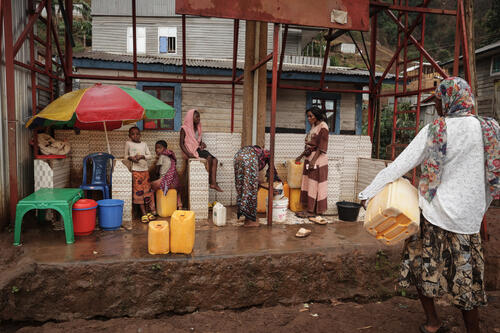
جمهورية الكونغو الديمقراطية: تحذير من إهمال الطوارئ الصحية الأخرى في ظل تفشي مرض الإيبولا
تحديث حول مشروع
20 Aug 2026
Podcasts sur les prises de parole publiques de MSF
La série des podcasts sur les « prises de parole publiques de MSF » est basée sur la collection des études de cas du même nom. À l’instar des études, elle examine les contraintes, questionnements, dilemmes et controverses concernant les prises de parole publiques auxquels Médecins Sans Frontières a été confrontée au cours de son histoire.
Ceux-ci sont restitués à travers des extraits de documents d’archives et d'articles de presse. Des extraits d’entretiens avec les protagonistes de MSF éclairent également les analyses sur les positions prises à l’époque des événements.
Tous les podcasts
MSF Speaking Out
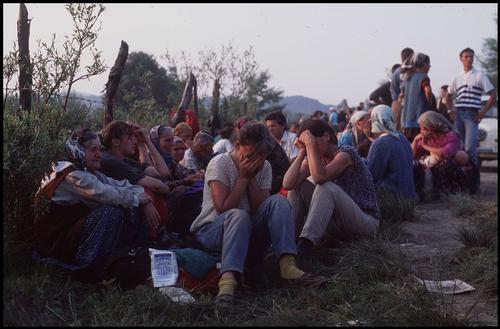
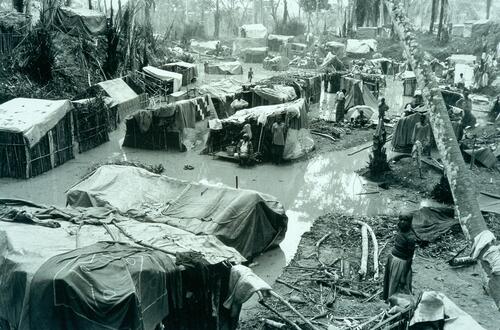
Podcast: The Hunting and Killing of Rwandan Refugees in Zaire-Congo 1996-1997
11 Aug 2026
Anchor Links
Headline
Podcasts sur les prises de parole publiques de MSF
Background
None
Schedule content for publication
Off
Description
La série des podcasts sur les « prises de parole publiques de MSF » est basée sur la collection des études de cas du même nom. À l’instar des études, elle examine les contraintes, questionnements, dilemmes et controverses concernant les prises de parole publiques auxquels Médecins Sans Frontières a été confrontée au cours de son histoire.
Ceux-ci sont restitués à travers des extraits de documents d’archives et d'articles de presse. Des extraits d’entretiens avec les protagonistes de MSF éclairent également les analyses sur les positions prises à l’époque des événements.
Ceux-ci sont restitués à travers des extraits de documents d’archives et d'articles de presse. Des extraits d’entretiens avec les protagonistes de MSF éclairent également les analyses sur les positions prises à l’époque des événements.
Thumbnail Image
Do not include into latest
On
Select caption
Short caption
Use a custom breadcrumb
No
Palestine
Escalating violence and movement restrictions continue to drive medical needs in Hebron
Project Update
20 Aug 2026
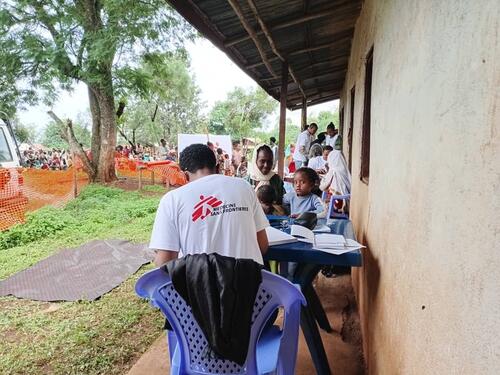
Ethiopia
Ethiopia: MSF launches new healthcare programme in Oromia region
Project Update
20 Aug 2026
Speaking Out Podcasts
The MSF "Speaking Out" podcasts are adapted from the original Médecins Sans Frontières (MSF) Speaking Out Case Studies (SOCS). Like the case studies, the podcast examines the challenges and dilemmas surrounding speaking out. Each series offers an in-depth look into humanitarian dilemmas in a specific crisis through the narration of extracts from MSF documents and press archives to help establish the facts. Interviews with the main MSF protagonists at the time of the events also provide insight into, and personal analysis of, the positions adopted.
All Podcasts
MSF Speaking Out
Podcast: The Hunting and Killing of Rwandan Refugees in Zaire-Congo 1996-1997
11 Aug 2026
Anchor Links
Headline
Speaking Out Podcasts
Background
None
Schedule content for publication
Off
Description
The MSF "Speaking Out" podcasts are adapted from the original Médecins Sans Frontières (MSF) Speaking Out Case Studies (SOCS). Like the case studies, the podcast examines the challenges and dilemmas surrounding speaking out. Each series offers an in-depth look into humanitarian dilemmas in a specific crisis through the narration of extracts from MSF documents and press archives to help establish the facts. Interviews with the main MSF protagonists at the time of the events also provide insight into, and personal analysis of, the positions adopted.
Eyebrow
Thumbnail Image
Do not include into latest
On
Select caption
Short caption
Use a custom breadcrumb
No
هايتي
النساء يواجهن مخاطر جسيمة للوصول إلى خدمات الصحة الجنسية والإنجابية في بورت أو برنس
تحديث حول مشروع
19 Aug 2026
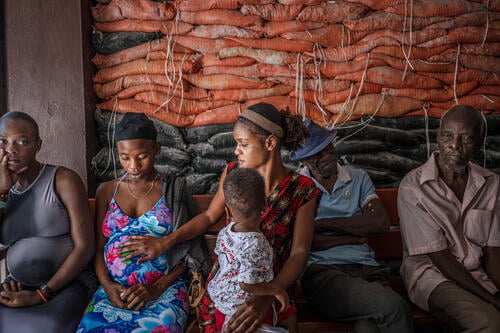
Haiti
Women risk their lives to reach sexual and reproductive healthcare in Port-au-Prince
Project Update
19 Aug 2026