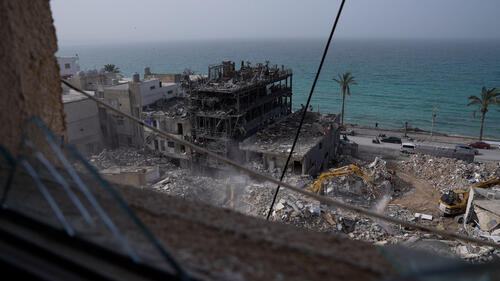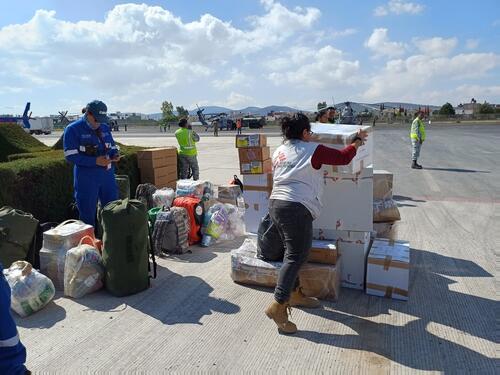
Massive cuts to humanitarian and global health assistance are increasingly affecting communities caught in crisis.
Extreme funding cuts and policy changes by the United States and other traditional donor countries are shrinking the resources available to respond to global health and humanitarian needs. In turn, this is deepening the neglect of millions of people affected by malnutrition, preventable and treatable diseases, conflict, forced displacement, and climate change. Programmes focusing on the needs of women and girls have also been particularly affected. Our teams are witnessing shortages of therapeutic food, disruptions in the supply of vaccines, suspensions of sexual and reproductive health programmes, and lack of access to treatment for HIV, tuberculosis, and malaria.
We are seeing fewer aid organisations, with less capacity, responding to humanitarian emergencies, outbreaks of infectious diseases, and displacement crises. Meanwhile, ministries of health are losing access to critical supplies and technical support. MSF is not directly financially impacted by government – including US government – or UN funding cuts. But our teams are dealing with the consequent supply shortages, higher costs, gaps in patient referrals and coordination, and rising patient numbers that come from other agencies’ cuts and closures, which place increased pressure on MSF services in several countries, including in Afghanistan, Bangladesh, Nigeria, Ethiopia, Somalia, and the Democratic Republic of Congo.
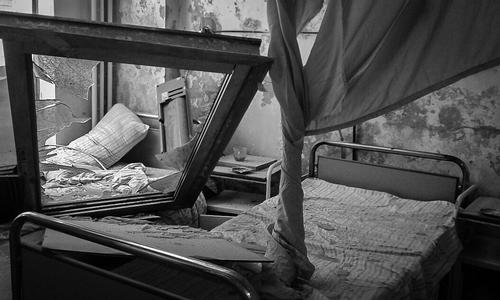
الهجوم على مرافق الرعاية الطبية
عشر سنوات بلا حماية: الفرق الطبية تستحق أفعالًا لا كلمات فارغة
بيان صحفي
30 Apr 2026
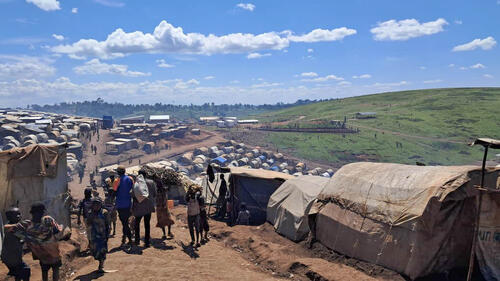
South Sudan
DRC: New wave of violence deepens the humanitarian crisis in Ituri
Project Update
30 Apr 2026
Attacks on medical care
Attacks on healthcare: Medical staff deserve more than empty words
Press Release
30 Apr 2026
South Sudan
Bombarded, looted, vandalised: MSF forced to close Lankien hospital after 31 years
Press Release
29 Apr 2026
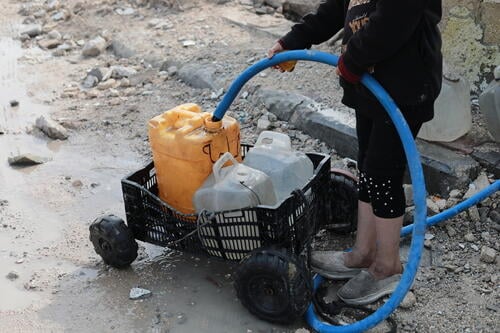
حرب غزة وإسرائيل
إسرائيل تستعمل المياه سلاحًا للعقاب الجماعي ضد الفلسطينيين في غزة
بيان صحفي
28 Apr 2026
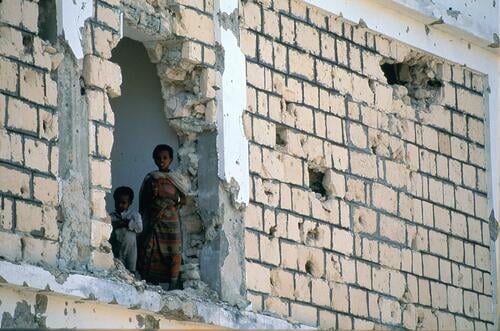
Prises de parole publiques de MSF
Somalie 1991-1993 : guerre civile, alerte à la famine et intervention “militaro-humanitaire” de l’ONU
msf.org
28 Apr 2026
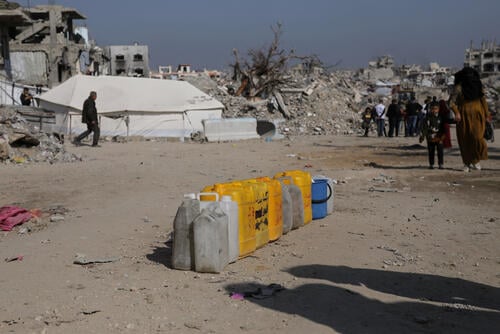
Gaza-Israel war
Water as a weapon: Israel’s destruction and deprivation of water and sanitation in Gaza
Report
28 Apr 2026
Gaza-Israel war
Israel uses water as a weapon of collective punishment against Palestinians in Gaza
Press Release
28 Apr 2026