


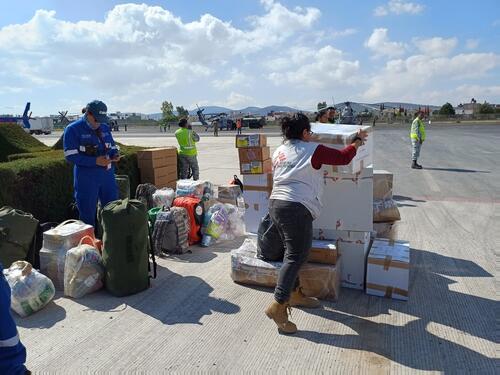
Massive cuts to humanitarian and global health assistance are increasingly affecting communities caught in crisis.
Extreme funding cuts and policy changes by the United States and other traditional donor countries are shrinking the resources available to respond to global health and humanitarian needs. In turn, this is deepening the neglect of millions of people affected by malnutrition, preventable and treatable diseases, conflict, forced displacement, and climate change. Programmes focusing on the needs of women and girls have also been particularly affected. Our teams are witnessing shortages of therapeutic food, disruptions in the supply of vaccines, suspensions of sexual and reproductive health programmes, and lack of access to treatment for HIV, tuberculosis, and malaria.
We are seeing fewer aid organisations, with less capacity, responding to humanitarian emergencies, outbreaks of infectious diseases, and displacement crises. Meanwhile, ministries of health are losing access to critical supplies and technical support. MSF is not directly financially impacted by government – including US government – or UN funding cuts. But our teams are dealing with the consequent supply shortages, higher costs, gaps in patient referrals and coordination, and rising patient numbers that come from other agencies’ cuts and closures, which place increased pressure on MSF services in several countries, including in Afghanistan, Bangladesh, Nigeria, Ethiopia, Somalia, and the Democratic Republic of Congo.

Democratic Republic of Congo
Eastern DRC: MSF staff have safely returned to Bukavu following security incident in Mwenga
Press Release
8 May 2026
سوريا
سوريا: أطباء بلا حدود تختتم أنشطتها في مركز دارة عزة بعد ثلاث سنوات من الدعم
تحديث حول مشروع
8 May 2026
Democratic Republic of Congo
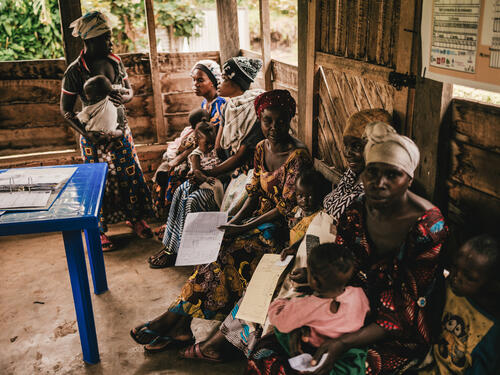
DRC: Minova is on the brink of a healthcare crisis
Press Release
8 May 2026
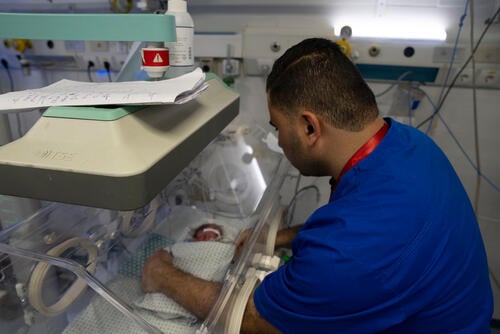
حرب غزة وإسرائيل
التقييد المتعمّد للغذاء والمساعدات أدى إلى مستويات مقلقة من سوء التغذية
بيان صحفي
7 May 2026
Gaza-Israel war
The deliberate restriction of food and aid led to alarming malnutrition levels in Gaza
Press Release
7 May 2026
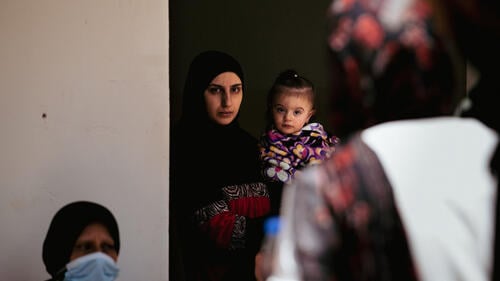
لبنان
وقف للنار بالاسم فقط: القوات الإسرائيلية تواصل قتل الناس في جنوب لبنان
تحديث حول مشروع
7 May 2026
Lebanon
A ceasefire in name only: People are still being killed by Israeli forces in southern Lebanon
Project Update
6 May 2026
Syria
Syria: MSF concludes three years of support to Darat Izza healthcare centre
Project Update
6 May 2026
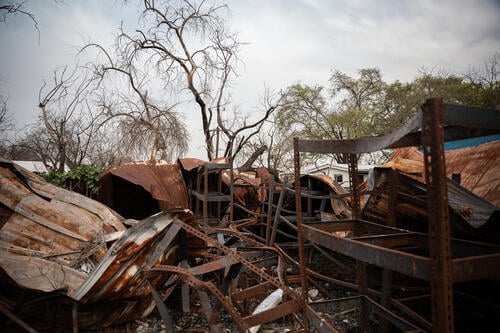
Attacks on medical care
“Attacks on healthcare are today a standard feature of war”
Speech
5 May 2026
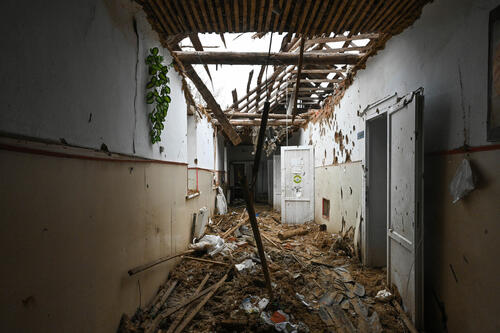
الهجوم على مرافق الرعاية الطبية
نداء مشترك للجنة الدولية للصليب الأحمر ومنظمة الصحة العالمية وأطباء بلا حدود يدعو الدول إلى الالتزام بالقرار 2286
تصريح
5 May 2026
Attacks on medical care
Joint call by the ICRC, WHO & MSF for states to uphold Resolution 2286
Statement
3 May 2026