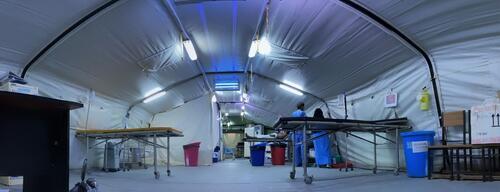
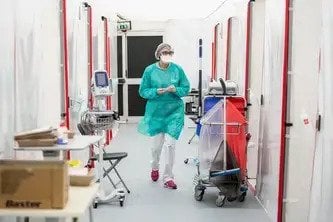
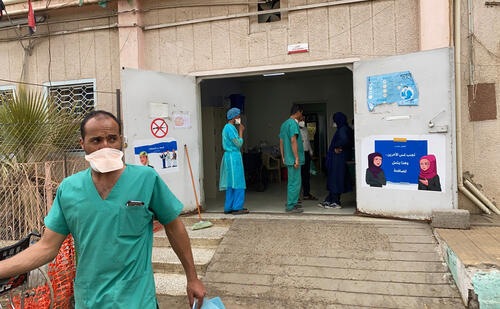
enterace for the traige area at MSF COVID19 treatment center in Al Kuwait Hospital, Sana'a, Yemen.
مدخل منطقة الفرز في مركز علاج كوفيد-19 التابع لأطباء بلا حدود في مستشفى الكويت في صنعاء، اليمن.
© MSF/Hareth Mohammed

"لقد رأيت الموت بعيني": كوفيد-19 ينتشر في اليمن من جديد في ظل انهيار النظام الصحي

مدخل منطقة الفرز في مركز علاج كوفيد-19 التابع لأطباء بلا حدود في مستشفى الكويت في صنعاء، اليمن.
© MSF/Hareth Mohammed
الحرب في غزة: اطّلع على استجابتنا
اقرأ المزيد

داخل مستشفى الكويت في صنعاء في اليمن، عالمان يفصلهما سياج شبكي. عالمٌ خارج السياج، حيث يوجد مرض غريب لا يحظى سوى باعتراف ضئيل من قبل السلطات، ولا يُعتَقَدُ بوجوده في أغلب الأحيان. وعالم آخر في الجهة المقابلة، حيث تمتلئ الأجنحة بأشخاص يتنفسون بكل ما أوتوا من قوة عن طريق أسطوانات الأوكسيجين، ليعكس واقع كوفيد-19 الذي لا يمكن تجاهله.

يقول خالد، البالغ من العمر 43 عاماً، من محافظة صنعاء، " لقد أصابني مرضٌ خلال الشهر الماضي، إذ كنت أعاني من سعال شديد، فزرت طبيباً وأبلغني باحتمال إصابتي بكوفيد-19. بعد مرور أسبوع، أخَذَت مستويات الأوكسيجين لدي تنخفض شيئاً فشيئاً حتى بدأتُ أفقد وعيي. فأُدخلت إلى وحدة العناية المركزة حيث بقيت 16 يوماً. إنّه مرض مخيف فعلاً".
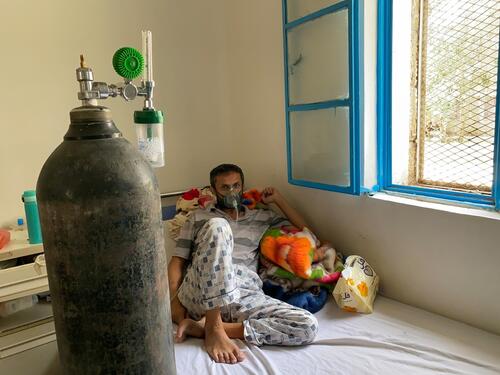
Khaled al-Mohammedi, 43, from Sana’a 

Patient himself speaking

On the fourth of Ramadan, about a month ago, I became sick. I had a heavy cough, and then I went to a medical centre. The doctor told me that I have covid symptoms. He prescribed me some medication, told me to use the medicines and then be in touch with him. I bought the medications but I couldn’t get back in touch with the doctor. My state got much worse and my family took me to one of the private hospitals in Sana’a, they gave me some medication for two days and then I went back home. I didn’t get better. 
My SPO2 was getting less and less and I started to faint. A week after my first symptoms they took me to al-Kuwait, I came to the ER and stayed there for an hour. After that they took me to the ICU directly. I stayed there for 16 days. They really took care of me, and I got better. Thank God, I was discharged from the ICU after 16 days. 
The disease is really scary, and when the doctor told me I had covid symptoms at the beginning I felt scared. Especially in a country that’s at war, where there is no good health system. The situation is deteriorating. Your live between life and death, we rely on God. 
When the doctor told me I had covid symtoms I started to isolate myself in my house, away from my family, and none of my other family members were infected. Before I got sick I was not taking any protection 
We believed that corona existed but we weren’t really aware of what it was, and we neglected to take precautions. That’s why the disease has spread so widely. 
Now it will be necessary for me to apply these measures and protect my family because I already experienced death, I don’t want one of my family to get. 
I have a message to tell to the people: you have to take this disease seriously, take all the protective measures you can, we need to rely on God due to all the problems that we have in the country. 
For me I was lucky to go to a hospital supported by MSF, if it was not for the organisation I think I would have died. These medications that I got treated with in the hospital cost around 5 million YER ($8500) and I wouldn’t have been able to pay. I would not have been able to pay it. And I was really lucky to have free medical care. Thanks to all the medical teams.
خالد (43 عاما) من صنعاء، مريض يتلقى علاج كوفيد-19 في مركز العلاج التابع لأطباء بلا حدود ويروي معاناته للحصول على الرعاية الصحية.
MSF/Hareth Mohammed

وتكمن أبرز مخاوف خالد في معرفته أنّ خيارات الرعاية الصحية في اليمن محدودة جداً. فقد أفضت ستة أعوام من الحرب إلى تدمير نظام الرعاية الصحية، حتى باتت أجزاء كبيرة من البلد عاجزةً عن الاستجابة لتفشي الفيروس الّذي ينتشر بين المدن والقرى. 

ويضيف خالد، "إنّ البلد يرزح تحت حالة من الحرب، ولا شك في أن النظام الصحي غير جيد، كما أنّ الوضع في تدهورٍ مستمر. وتبلغ تكلفة الأدوية اللازمة لعلاجي حوالي 8,500 دولاراً أمريكياً، لم أكن لأتمكن من تحمّل هذه التكاليف، وكنت لقيت حتفي".

إنّ مركز علاج كوفيد-19 الّذي تديره أطباء بلا حدود في مستشفى الكويت في صنعاء هو من بين الأماكن القليلة في اليمن التي تُقدم العلاج المجاني. يضم المركز 64 سريراً، بالإضافة إلى 15 سريراً في وحدة العناية المركزة التي امتلأت بالمصابين منذ بداية الموجة الثانية من تفشي المرض في أوائل أبريل/نيسان. كما تمتلئ الأسرة الثمانية في قسم الطوارئ في أغلب الأحيان بالمرضى الذين ينتظرون تلقّي العلاج. ويشهد المركز وفاة المرضى بشكل مستمر من كبار والسن والأشخاص المصابين بالأمراض المزمنة كمرض السكري.

محمد (40 عامًا) من محافظة البيضاء اضطررنا إلى دفع حوالي 70 دولاراً للحصول على ما يكفي من الوقود للوصول إلى صنعاء، ثمّ قدنا سيارتنا من رداع إلى صنعاء، واستغرق الأمر 4 ساعات من الوقت. حاولنا تأمين أسطوانة أوكسجين ...إلا أنها غير متوفرة في أي مكان بسبب ارتفاع عدد المرضى في رداع.
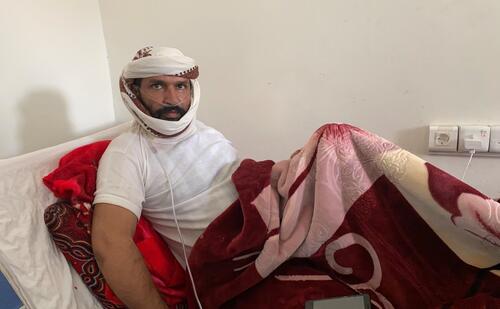
Mohammed al-Jawfi, 40, from al Bayda
Patient himself speaking

At the end of April, the 27th, I had a fever and a tightness in my chest with a shortness of breath. They took me to a private hospital in Rada’. They told me it’s possibly symptoms of covid, and they referred me to Sana’a.  
My family took me to a public hospital in Sana’a, we did an x-ray and some tests, they told me that I needed to be admitted. I didn’t want to be admitted in this hospital, however, because we had heard that in al-Kuwait there was much more care and that there was a place ready to accept Covid patients.
We came here, to the ER where I had to wait for 24 hours. Then they moved me to the IPD. We really thank them for all the work they do for us. We are receiving medical care 24/7 with all medications provided and oxygen. I have been in al-Kuwait for around 18 days now and thanks to God I am feeling better. 
We drove with our own car from Rada’ to Sana’a, which took around four hours. We tried to find an oxygen bottle to use for the trip, but we could not find one in al-Bayda. Comparing myself to when I arrived, I feel much better, there is a huge difference. 
I already knew that the disease was in Yemen, but we were living our lives normally, we didn’t take any measures, it’s our fate to have this disease. I advise those who haven’t been infected to take all the measures to be infected, to wear masks and to do their best to take care of themselves. 
In Rada’ there is a lot of patients. I wish that everyone could be healthy. 
We spent around $70 for fuel to get to Sana’a. I am working in Saudi Arabia normally. 
When I had the covid I had a huge trust in God, whatever comes from God we are welcoming it.
Mohammed al-Jawfi, 40, from al Bayda Patient himself speaking At the end of April, the 27th, I had a fever and a tightness in my chest with a shortness of breath. They took me to a private hospital in Rada’. They told me it’s possibly symptoms of covid, and they referred me to Sana’a. My family took me to a public hospital in Sana’a, we did an x-ray and some tests, they told me that I needed to be admitted. I didn’t want to be admitted in this hospital, however, because we had heard that in al-Kuwait there was much more care and that there was a place ready to accept Covid patients. We came here, to the ER where I had to wait for 24 hours. Then they moved me to the IPD. We really thank them for all the work they do for us. We are receiving medical care 24/7 with all medications provided and oxygen. I have been in al-Kuwait for around 18 days now and thanks to God I am feeling better. We drove with our own car from Rada’ to Sana’a, which took around four hours. We tried to find an oxygen bottle to use for the trip, but we could not find one in al-Bayda. Comparing myself to when I arrived, I feel much better, there is a huge difference. I already knew that the disease was in Yemen, but we were living our lives normally, we didn’t take any measures, it’s our fate to have this disease. I advise those who haven’t been infected to take all the measures to be infected, to wear masks and to do their best to take care of themselves. In Rada’ there is a lot of patients. I wish that everyone could be healthy. We spent around $70 for fuel to get to Sana’a. I am working in Saudi Arabia normally. When I had the covid I had a huge trust in God, whatever comes from God we are welcoming it.
© MSF/Hareth Mohammed

ويفيد علي، البالغ من العمر 36 عاماً، من محافظة البيضاء التي تقع على بعد 100 كيلومتر جنوب شرق صنعاء، "عندما مرض والدي محمد، أخذته إلى مستشفى رداع الذي لم يستطع تقديم العناية اللازمة له. فتوجهت إلى ذمار، واستغرقنا الطريق ثلاث ساعات. كنت أركز على الطريق تارةً وعلى والدي تارةً أخرى على طول الطريق أثناء قيادة السيارة، لقد انتابني قلق هائل عليه". 

لم يعثر علي على مستشفى في ذمار لعلاج والده، فاضطر إلى استئجار سيارة إسعاف لتقلّه إلى صنعاء، ما أدى إلى هدر المزيد من الوقت. لم يعتقد علي أنّ والده سيبقى على قيد الحياة.

تتدفق العائلات باستمرار إلى مدخل الطوارئ أمام السياج، ويصلون بسيارات أجرة أو بسياراتهم القديمة، ويقف المرضى المرهقين بانتظار أن يتم إدخالهم، فيتمسك بعضهم بأنبوب الأوكسيجين ويحصل آخرون على كرسي متحرك. إنّ الحظ محالفٌ لهؤلاء الأشخاص، إذ تستطيع هذه العائلات تحمل تكاليف التنقّل الباهظة من أماكن بعيدة كمحافظتي البيضاء وحجة. أمّا الأشخاص الّذين لا يستطيعون تحمّل هذه التكاليف، فيُتركون لمواجهة مصيرهم من دون أن يعرف أحدٌ عددهم.


لم أكن أدرك وجود كوفيد-19 ولم آخذ الاحتياطات اللازمة آنذاك. أمّا الآن، فلا مفر من تطبيق التدابير لحماية عائلتي، لا سيما بعد وصولي إلى شفير الموت، لا أريد أن يعاني أحدٌ منهم من هذا المرض. خالد (43 عامًا) من محافظة صنعاء

ويفيد المدير الطبي لمنظمة أطباء بلا حدود في مركز العلاج، محمد الغابري، "يقطع أشخاص بحالات حرجة مسافات طويلة للوصول إلى المركز. لقد امتلأت الأسرّة في جناحي الرجال والنساء ونستخدم يومياً 500 أسطوانة أوكسجين، فضلًا عن مصنع الأوكسجين المتواجد في المستشفى، إذ يبلغ احتياجنا للأوكسيجين مستويات ضخمة. نحن نعيش تحدياً حقيقياً لتأمين هذه الاحتياجات المتزايدة. ولكن على الأقل، تعودنا على طبيعة هذا المرض، ما أدى إلى تحسن خدمات العلاج التي نقدمها للمرضى".

ورغم ذلك، يَصعب على الفرق الطبية إنقاذ الأشخاص إذا وصلوا متأخرين إلى المستشفى، وهذا هو حال العديد منهم، إما بسبب قطعهم مسافات طويلة للمجيء أو بسبب تأخرهم في القدوم. والجدير بالذكر أن عدم الثقة بالمرافق الطبية والخوف منها ما زالا سائدين على نطاق واسع.
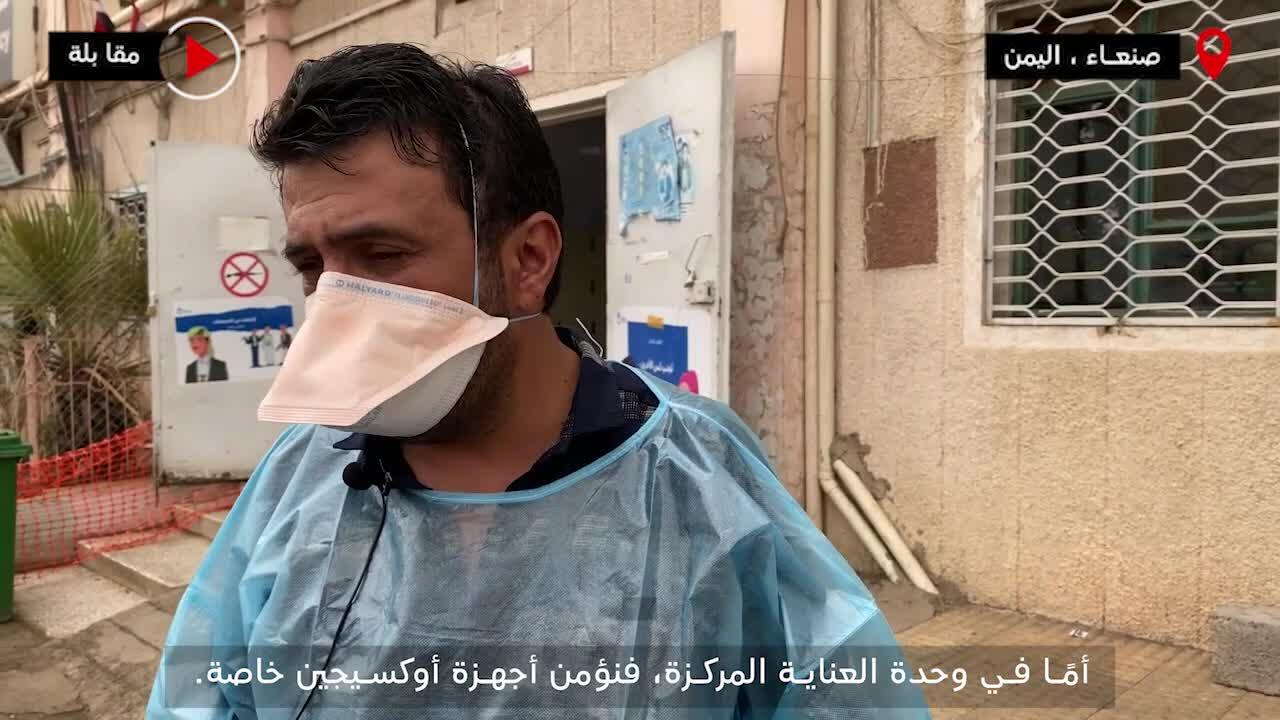
 

فيديو

محمد الغابري، المدير الطبي لأطباء بلا حدود في مستشفى الكويت في صنعاء

مقابلة مع المدير الطبي لأطباء بلا حدود محمد الغابري، مستشفى الكويت في صنعاء - اليمن
Hareth Mohammed/MSF

في هذا الإطار، يتحدّث سيف عن تجربته مع والده صالح البالغ من العمر 65 عاماً، "لقد اكتفيت بإحضار الدواء لوالدي من الصيدلية وقد اقترفت بذلك خطأ كبيراً. كان عليّ أن أصحبه لتلقّي استشارة طبية. عندما أخذته إلى مستشفى الكويت للمرة الأولى، أبلغونا بضرورة إدخاله إلى المستشفى لكنني رفضت الفكرة آنذاك. ظننت أن قدوم ممرضة إلى المنزل للاعتناء به سيكون كافياً. لكننا اضطررنا إلى العودة إلى المستشفى في نهاية المطاف". 

يضطر الناس إلى اتخاذ القرارات بأنفسهم حول جدية التعامل مع المرض عند إصابتهم أو إصابة شخص يحبونه بسبب ضآلة المعلومات التي توفرها سلطات شمال اليمن. وفي هذا الصدد، يردف سيف قائلًا، "لم أكن أؤمن بوجود المرض في العام الفائت. لكن عند رؤية والدي ورؤية المرضى في المستشفى، بدأت أدعو الله بانحسار تفشي المرض. إنّه مرض مريع بالفعل". 

وقال خالد، "لم أكن أدرك وجود كوفيد-19 ولم آخذ الاحتياطات اللازمة آنذاك. أمّا الآن، فلا مفر من تطبيق التدابير لحماية عائلتي، لا سيما بعد وصولي إلى شفير الموت، لا أريد أن يعاني أحدٌ منهم من هذا المرض".