



8041 Results
 
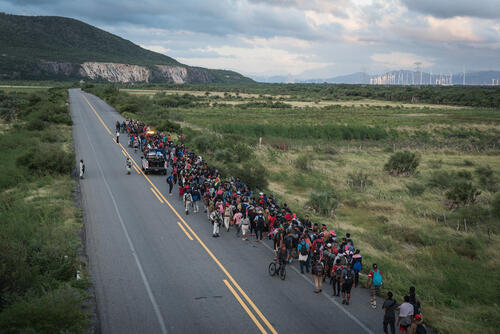
A caravan of migrants escorted by police officers advances along the route between the towns of La Venta and Juchitán, in southern Mexico.
Crisis settings

Refugees, IDPs and people on the move

There are many reasons for flight, including war, persecution, conflict, natural disaster, destitution and repression. With health and well-being jeopardised, the lives of the most vulnerable can be at risk. Topic
 
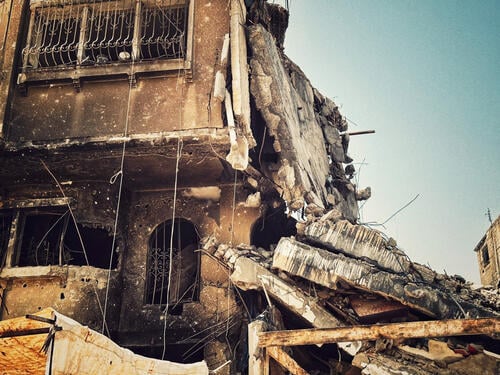
Destroyed buildings in Khan Younis, southern Gaza, taken on 26 May 2024
Crisis settings

War and conflict

More than one third of our humanitarian and medical assistance is for people affected by armed conflict. Topic
 
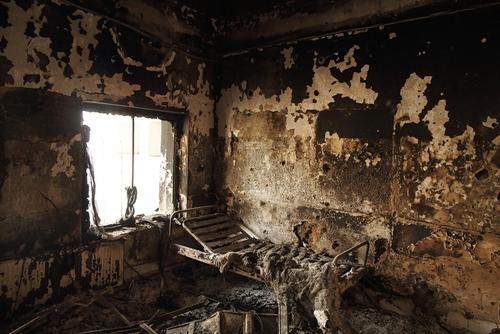
The remains of a bed frame in a room on eastern wing of the main Outpatient Department building.
In Focus

Kunduz hospital attack

On 3 October 2015, US airstrikes destroyed our trauma hospital in Kunduz, Afghanistan, killing 42 people. Our request for an independent investigation has so far gone unanswered. Topic
 
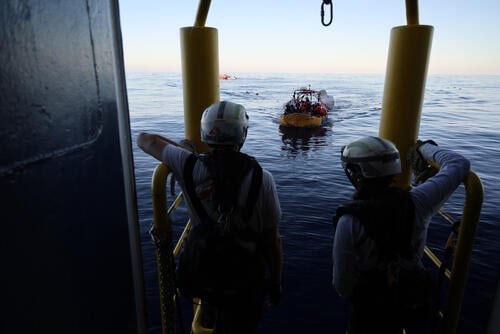
On the morning of 7th of June, the team on Geo Barents carried out two rescue operations in the Libyan SAR region. In total, 146 are safely on-board and receiving the care they require.
The Italian authorities assigned Genova as a place of safety.
In the first rescue, 37 people were found in distress on a white fiberglass boat. As for the second rescue, 109 people were in distress aboard a grey rubber boat.
In Focus

Mediterranean migration

Every year, thousands of people fleeing war, persecution and poverty at home attempt the treacherous journey across the Mediterranean. Countless lives are lost on the way. Topic
 
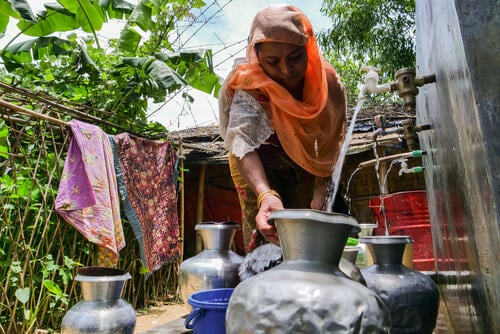
A Rohingya woman fills a pot with drinking water at a water point in Kutupalong-Balukhali camp in Cox’s Bazar district, Bangladesh
In Focus

Rohingya refugee crisis

Legally stateless, with very limited options or rights in any country where they have sought refuge, the Rohingya are extremely vulnerable. Topic
 
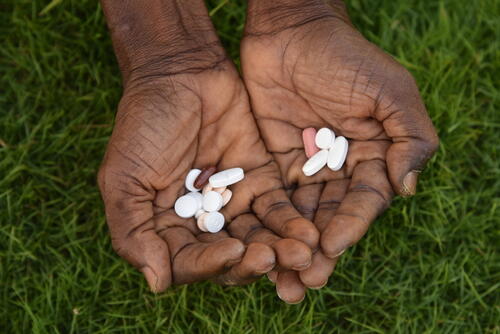
Image of medicine for the treatment of drug resistant tuberculosis (DR-TB). The left hand contains pills from the recently approved BPaLM 6-month shorter regimen treatment and the right hand contains pills from the longer 18 months regimen treatment. Following the validation of shorter regimen by WHO, MSF started supporting the Ministry of Health in implementing shorter regimen for patients affected by DR-TB since 2022 in Sierra Leone. Depending on individual patients’ diagnostic and clinical situation treatment regimens are initiated. Shorter regimens are often preferred by patients and medical professionals as longer treatment can be physically and mentally harder to adhere to.
Medical activities

Antibiotic resistance

Antibiotic resistance is a serious and growing phenomenon in contemporary medicine and has emerged as one of the pre-eminent public health concerns of the 21st century. Topic
 
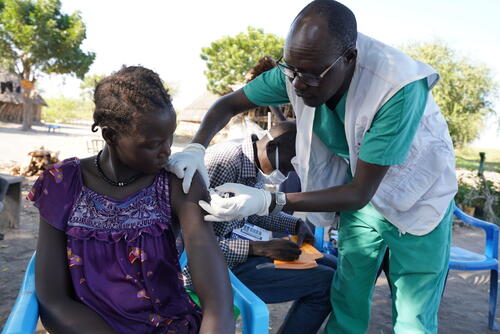
MSF nursing team supervisor Bang Bol administers the first dose of the hepatitis E vaccine to a woman in Wangmok village, Jonglei State.
Medical activities

Hepatitis E

Hepatitis E is transmitted by ingesting water contaminated by an infected person’s faeces. Outbreaks are often documented in places with poor sanitation, like camps for refugees and internally displaced people (IDPs). Hepatitis E commonly causes only a mild short-term illness. Topic
 
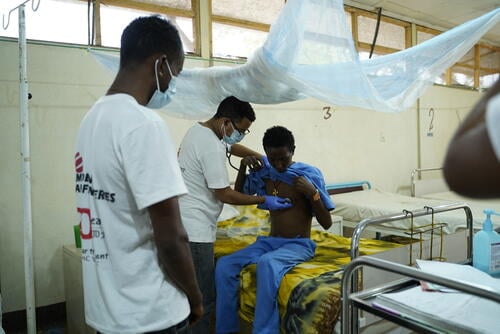
MSF medical staff are examining Mekuanent, a kala azar patient during the morning rounds at MSF’s Abdurafi health center specializing in treatment of Kala-azar and snakebite.
Among the young male population the prevalence of HIV infection is relatively high. That creates a unique situation with between 20 and 40% of kala azar patients HIV co-infected. This combination of two diseases, both severely immune suppressive, is almost impossible to cure.
Medical activities

Kala azar

Hundreds of millions of people are at risk of infection with kala azar - one of the world's most dangerous parasitic diseases. Only malaria is more deadly. Topic
 
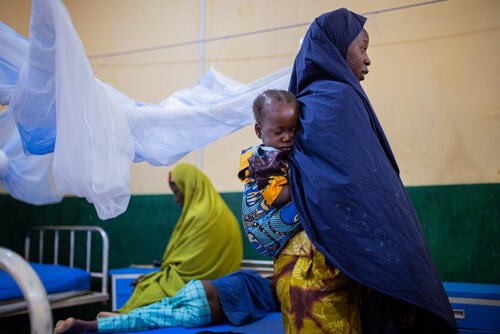
Rahana Ibrahim is 30 years old, “my daughter is 2 years-old, she started having fever and convulsions, I didn’t know it was malaria”. She explained she now received information about using mosquito nets during rainy season to avoid getting malaria again. Last year, Rahana had to bring her other child suffering from malnutrition to the town of Anka where MSF used to have an inpatient feeding centre before drastically reducing the operations during summer 2023 because of the high levels of violence.
Medical activities

Malaria

Each year, malaria kills over 600,000 people. Three-quarters of all deaths are children under five years of age. Topic
 
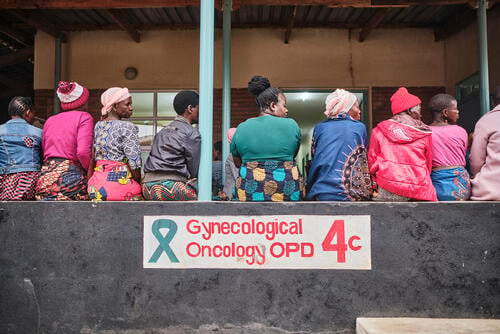
The waiting room in ward 4C where MSF's cervical cancer project is located at Queens Elizabeth Hospital in Blantyre, Malawi.
Medical activities

Women's health

An estimated 99 per cent of women who die in childbirth or from pregnancy-related complications live in developing countries. Most of these deaths are preventable. Topic
Four mothers posing in a corridor of the Hospital in Bili. All four of them are staying in the hospital with their child, that's suffering from a severe case of malaria. Since the beginning of the project in 2016, the pediatric ward already treated more than 4.000 cases of complicated/severe form of malaria.
Médecins Sans Frontières (MSF)

Independent medical humanitarian assistance

We provide medical assistance to people affected by conflict, epidemics, disasters, or exclusion from healthcare. Our teams are made up of tens of thousands of health professionals, logistic and administrative staff - most of them hired locally. Our actions are guided by medical ethics and the principles of independence and impartiality. We are a non-profit, self-governed, member-based organisation.

Learn more