


Ebola disease in DRC: find out how we're responding
Learn more
7996 Results
 
Eighty refugees and migrants from Bangladesh and Pakistan live inside this large accommodation tent.
Türkiye

Two years on, deal continues to fail thousands of people seeking asylum

We will not stop demanding that the EU and the Greek authorities end this cynical strategy of containment, to stop further damaging the health of our patients and respect their dignity. Statement - 16 Mar 2018
 
Aiful 25 years old from Bangladesh prepares food outside a large accommodation tent.

Sail was a taxi driver in his country. After some political issues he fled to Iraq. Because of the war he wasn’t able to stay there and he went to Turkey where he was tortured. He decided to reach Greece, and he arrived in Lesvos on July 2016. He has been living in Moria camp since 8 months.

“…here we are really scared for what they decide for us, many of us are getting reject answer from asylum department and after they’ll send us back to turkey, and turkish forces keep us for two years in prison so we are voluntarily returning back to our country, even if our life are in danger…this is totally torturing our mind and life.”
Greece

MSF activity update – March 2018

MSF has been providing medical and humanitarian assistance to asylum seekers and migrants in Greece since 1996. In 2014, MSF expanded its activities in Greece to meet the needs of asylum seekers arriving on the Greek islands and mainland from Turkey. Project Update - 16 Mar 2018
 
MSF has trained an all-female team to spread messages about sexual and reproductive health in the community. MSF believes the cases it receives represent just a fraction of the actual number of Rohingya who have survived sexually assault or rape. Survivors are often reluctant to seek services because of the shame and stigma associated with sexual assault, and in general knowledge about the medical consequences of sexual violence is very limited. The team works to improve people’s knowledge and to highlight the medical and psychological support available to them.
Rohingya refugee crisis

Crisis update - March 2018

More than six months into the beginning of the latest Rohingya exodus, people continue to flee from Myanmar into Bangladesh fearing for their lives and seeking safety. A total of 3,236 refugees are reported to have entered Bangladesh in February alone. Crisis Update - 15 Mar 2018
 
An inflatable operating theatre is erected inside this MSF makeshift hospital in Syria (a converted chicken farm) as it is an efficient way to maintain a sterile environment. Surgeon Steve Rubin operating.
Syria

The voice from the hospital basement in East Ghouta

‘This has to end, we cannot continue to watch children die.’ Statement - 15 Mar 2018
 
Subi Katum, 70, arrives near Sabrang on the Bangladeshi side of the Naf river after crossing the border from Myanmar on 7 March 2018.

“My husband was killed and my daughter’s husband disappeared. Many people have been killed or are lost. I hope all of this will finish one day but I can’t tell what the future holds. Like many others, we were obliged to abandon our villages, our houses, our land, our animals. People are desperate to leave but many don’t have any possibility. I feel exhausted and unable to walk. I haven’t eaten for three days. It’s very hard.”
Rohingya refugee crisis

“We don’t have anywhere else to go”

Having fled indescribable violence in Myanmar, Rohingya refugees in Bangladesh must now contend with new dangers: precarious living conditions, the upcoming rainy season and fears for personal safety after dark. Voices from the Field - 15 Mar 2018
 
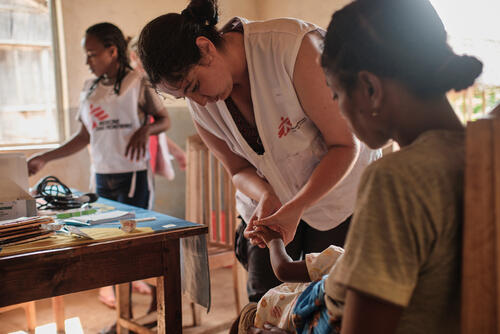
MSF staff giving vaccinations in Douentza.
Mali

Medical services in northeastern Mali

Photo Story - 13 Mar 2018
 
Village of Kier. MSF nurse Furaha Bazikanya shows members of the  mobile medical team how to read the results of urine test strips.
South Sudan

MSF’s newest project takes medical care to remote locations

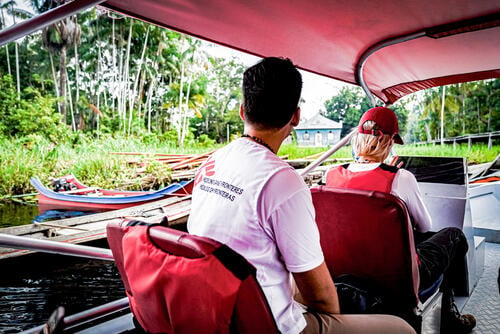
It’s 8am, and the MSF compound in Akobo, eastern South Sudan, is a hive of activity. In front of the logistics tent, staff carefully load tables, chairs, floor mats, septic boxes, medicines and other supplies into the back of a vehicle. Nearby, the Project Coordinator manages to simultaneously gulp down a cup of coffee while mumbling into a dusty handset radio. With still-unbuttoned life jackets resting squarely on their shoulders, a team of clinical officers, nurses, and community health workers discuss the day’s strategy. Voices from the Field - 13 Mar 2018
 
Ospedale di Bili. Reparto di malnutrizione.
Democratic Republic of Congo

MSF in DRC: Annual Report 2017

Médecins Sans Frontières en RDC, rapport annuel 2017 . Report - 13 Mar 2018
 
A Rohingya refugee in Jamptoli makeshift camp, where more than 50,000 people are sheltering.
Rohingya refugee crisis

‘No one was left’ - Death and Violence Against the Rohingya

MSF releases new advocacy report which explains 2017 Rohingya violence survey findings
Report - 9 Mar 2018
 
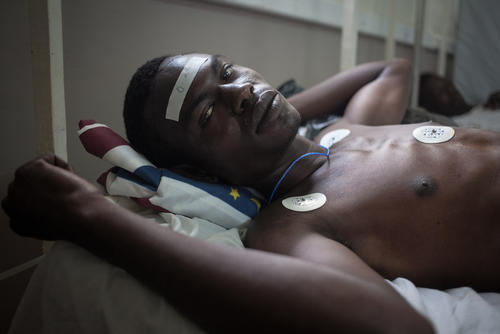
IDPs taking refuge in the MSF hospital in Bossangoa, CAR. The new wave of violence that is engulfing the Central African Republic has left tens of thousands of displaced people and many wounded. More than 30.000 are sheltered in precarious conditions in different locations in Bossangoa and in Bouca and the majority of towns in the area of Bossangoa are completely deserted. MSF providing emergency medical care at Bossangoa hospital, as well as emergency humanitarian support in three makeshift camps.
Central African Republic

Survivors describe a mass rape ordeal outside Bossangoa

“What’s most concerning about the number of sexual violence cases we have recorded is that the real number is likely to be much higher." Project Update - 8 Mar 2018
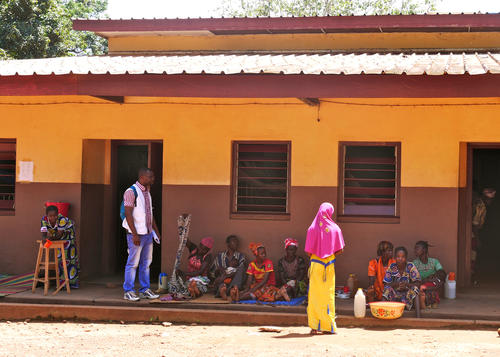
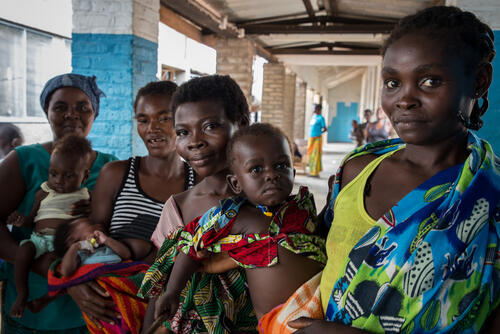
Four mothers posing in a corridor of the Hospital in Bili. All four of them are staying in the hospital with their child, that's suffering from a severe case of malaria. Since the beginning of the project in 2016, the pediatric ward already treated more than 4.000 cases of complicated/severe form of malaria.
Médecins Sans Frontières (MSF)

Independent medical humanitarian assistance

We provide medical assistance to people affected by conflict, epidemics, disasters, or exclusion from healthcare. Our teams are made up of tens of thousands of health professionals, logistic and administrative staff - most of them hired locally. Our actions are guided by medical ethics and the principles of independence and impartiality. We are a non-profit, self-governed, member-based organisation.

Learn more