


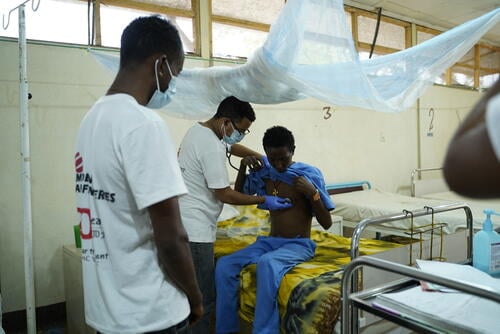
Kala azar, or visceral leishmaniasis, is the second deadliest parasitic disease in the world – only malaria kills more people.
A neglected tropical disease, kala azar is caused by a parasite, spread to humans through the bite of infected female sand flies. It attacks the immune system and is almost always fatal if not treated.
Also known as visceral leishmaniasis, kala azar is the most serious form of leishmaniasis and is endemic in 76 countries, with hundreds of millions at risk of infection. There are between 50,000 and 90,000 new cases a year, about 90 per cent of which occur in Brazil, Ethiopia, India, Kenya, Somalia, South Sudan and Sudan. Between 1989 and 2020, MSF teams treated nearly 150,000 people for kala azar; over a third in South Sudan.
Diagnosis and treatment of the disease, especially of the variety found in eastern Africa, can be complex and painful.
Featured
Democratic Republic of Congo
Eastern DRC: MSF staff have safely returned to Bukavu following security incident in Mwenga
Press Release
8 May 2026
سوريا
سوريا: أطباء بلا حدود تختتم أنشطتها في مركز دارة عزة بعد ثلاث سنوات من الدعم
تحديث حول مشروع
8 May 2026
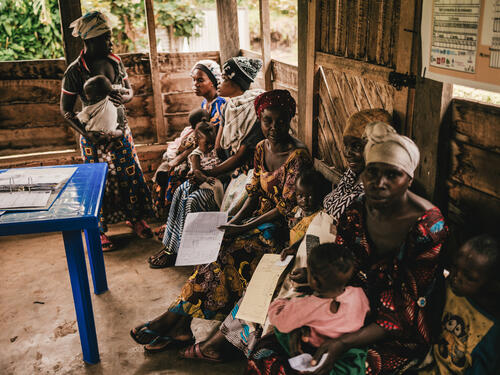
Democratic Republic of Congo
DRC: Minova is on the brink of a healthcare crisis
Press Release
8 May 2026
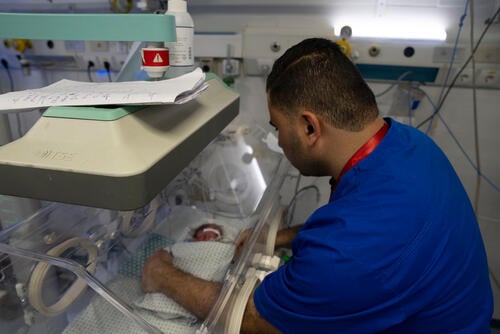
حرب غزة وإسرائيل
التقييد المتعمّد للغذاء والمساعدات أدى إلى مستويات مقلقة من سوء التغذية
بيان صحفي
7 May 2026
Gaza-Israel war
The deliberate restriction of food and aid led to alarming malnutrition levels in Gaza
Press Release
7 May 2026
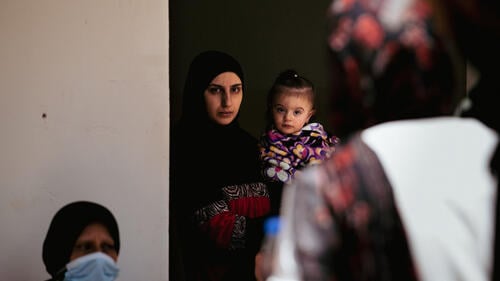
لبنان
وقف للنار بالاسم فقط: القوات الإسرائيلية تواصل قتل الناس في جنوب لبنان
تحديث حول مشروع
7 May 2026
Lebanon
A ceasefire in name only: People are still being killed by Israeli forces in southern Lebanon
Project Update
6 May 2026
Syria
Syria: MSF concludes three years of support to Darat Izza healthcare centre
Project Update
6 May 2026
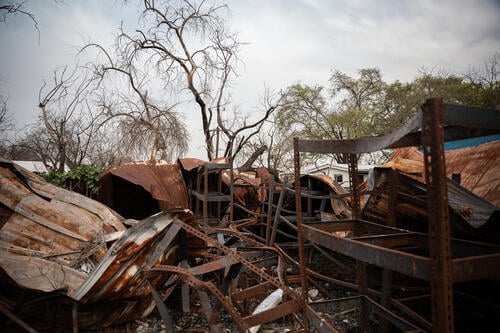
Attacks on medical care
“Attacks on healthcare are today a standard feature of war”
Speech
5 May 2026
الهجوم على مرافق الرعاية الطبية
نداء مشترك للجنة الدولية للصليب الأحمر ومنظمة الصحة العالمية وأطباء بلا حدود يدعو الدول إلى الالتزام بالقرار 2286
تصريح
5 May 2026
Attacks on medical care
Joint call by the ICRC, WHO & MSF for states to uphold Resolution 2286
Statement
3 May 2026

Medical Resource
MSF Field Research
We produce important research based on our field experience. So far, we have published articles in over 100 peer-reviewed journals. These articles have often changed clinical practice and have been used for humanitarian advocacy. All of these articles can be found on our dedicated Field Research website.
Visit site