


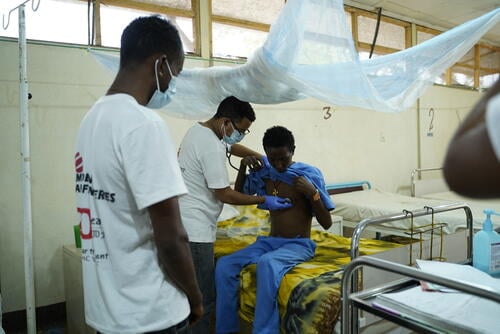
Kala azar, or visceral leishmaniasis, is the second deadliest parasitic disease in the world – only malaria kills more people.
A neglected tropical disease, kala azar is caused by a parasite, spread to humans through the bite of infected female sand flies. It attacks the immune system and is almost always fatal if not treated.
Also known as visceral leishmaniasis, kala azar is the most serious form of leishmaniasis and is endemic in 76 countries, with hundreds of millions at risk of infection. There are between 50,000 and 90,000 new cases a year, about 90 per cent of which occur in Brazil, Ethiopia, India, Kenya, Somalia, South Sudan and Sudan. Between 1989 and 2020, MSF teams treated nearly 150,000 people for kala azar; over a third in South Sudan.
Diagnosis and treatment of the disease, especially of the variety found in eastern Africa, can be complex and painful.
Featured
Chad
Drone strikes at Chad–Sudan border: MSF treats 116 wounded people in one month
Press Release
4 Jun 2026
Tanzania
Interpreters are the voices that turn medical silence into maternal hope in Tanzania
Voices from the Field
4 Jun 2026
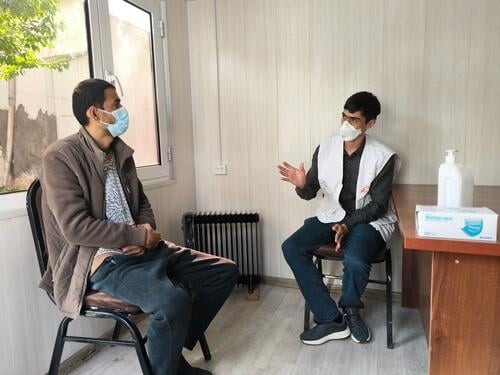
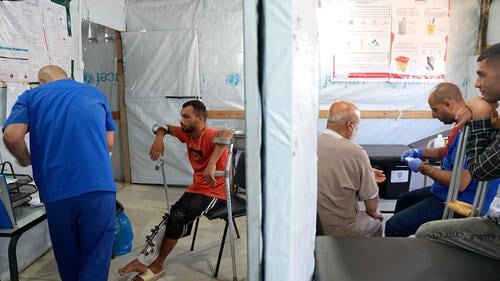
حرب غزة وإسرائيل
بعد عام على عمليات القتل والعنف عند نقاط توزيع الغذاء في غزة، لا يزال الناجون يواجهون تبعاتها المستمرة
بيان صحفي
3 Jun 2026
Gaza-Israel war
Violence and killings at Gaza’s food distribution points leave survivors suffering one year on
Press Release
3 Jun 2026
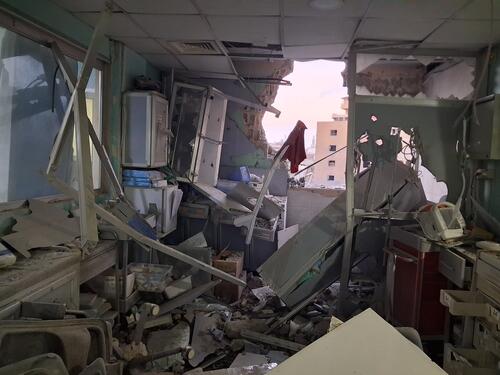
لبنان
جنوب لبنان: جرحى وأضرار وخسائر في الأرواح جراء غارة إسرائيلية على مدينة صور
بيان صحفي
2 Jun 2026
تفشي الإيبولا في الكونغو الديمقراطيّة
بيان منظمة أطباء بلا حدود بشأن وضع مرض الإيبولا في إيتوري، جمهورية الكونغو الديمقراطية
تصريح
30 May 2026
DRC Ebola outbreaks
DRC: MSF statement on the WHO Director-General's high-level visit to Bunia
Statement
30 May 2026
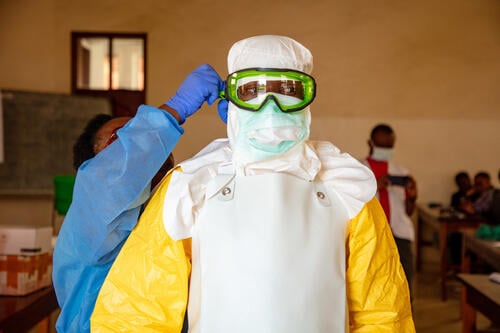
Democratic Republic of Congo
Ebola disease in DRC: MSF scales up response to a rapidly evolving outbreak
Project Update
29 May 2026

Medical Resource
MSF Field Research
We produce important research based on our field experience. So far, we have published articles in over 100 peer-reviewed journals. These articles have often changed clinical practice and have been used for humanitarian advocacy. All of these articles can be found on our dedicated Field Research website.
Visit site