


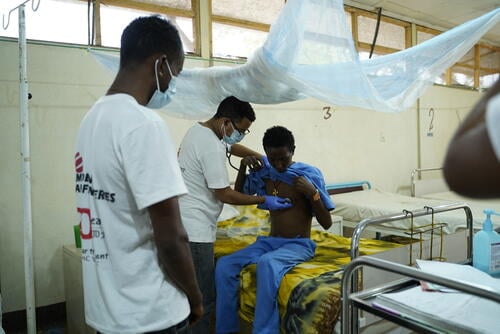
Kala azar, or visceral leishmaniasis, is the second deadliest parasitic disease in the world – only malaria kills more people.
A neglected tropical disease, kala azar is caused by a parasite, spread to humans through the bite of infected female sand flies. It attacks the immune system and is almost always fatal if not treated.
Also known as visceral leishmaniasis, kala azar is the most serious form of leishmaniasis and is endemic in 76 countries, with hundreds of millions at risk of infection. There are between 50,000 and 90,000 new cases a year, about 90 per cent of which occur in Brazil, Ethiopia, India, Kenya, Somalia, South Sudan and Sudan. Between 1989 and 2020, MSF teams treated nearly 150,000 people for kala azar; over a third in South Sudan.
Diagnosis and treatment of the disease, especially of the variety found in eastern Africa, can be complex and painful.
Featured
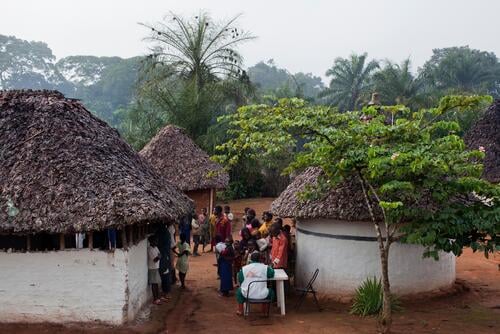
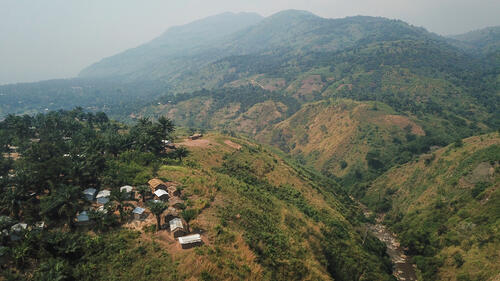
Democratic Republic of Congo
DRC: MSF preparing large-scale response to Ebola outbreak in Ituri province
Press Release
16 May 2026
جمهورية الكونغو الديمقراطيّة
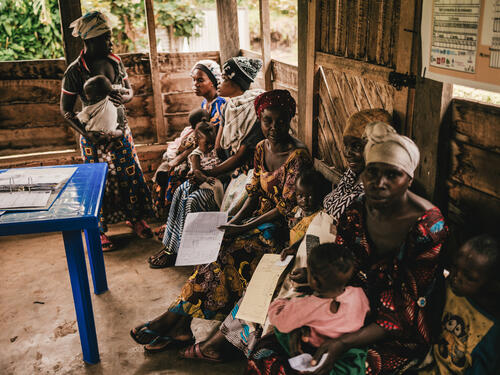
جمهورية الكونغو الديمقراطية: مينوفا على حافة أزمة رعاية صحية
بيان صحفي
15 May 2026
لبنان
الهجوم على الرعاية الصحية في لبنان: أطباء بلا حدود تدين هجمات القوات الإسرائيلية على المسعفين
بيان صحفي
14 May 2026
Lebanon
Healthcare under attack in Lebanon: MSF condemns the killing of paramedics by Israeli forces
Press Release
14 May 2026
الكوارث الطبيعية
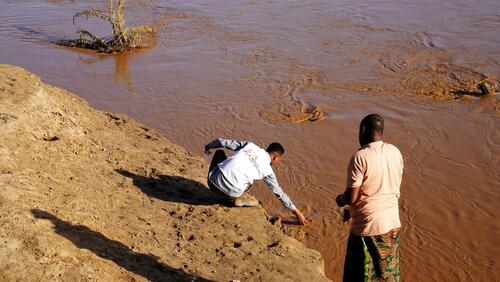
أزمة إنسانية متفاقمة: الجفاف والنزوح يدفعان ملايين الأشخاص إلى حافة الهاوية في الصومال وإثيوبيا
تحديث حول مشروع
13 May 2026
Haiti
Haiti: MSF forced to evacuate hospital and temporarily suspend activities in Cité Soleil
Press Release
11 May 2026
الحروب والنزاعات
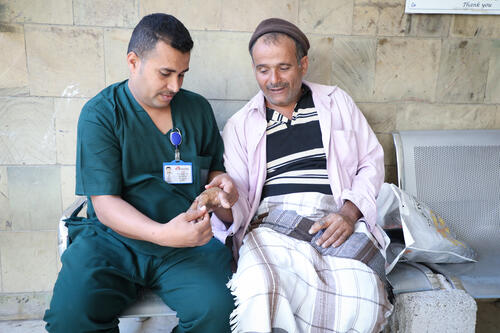
عشر سنوات من الرعاية المنقذة للحياة في إب في ظل الاحتياجات المتفاقمة
Project Update
11 May 2026
حرب غزة وإسرائيل
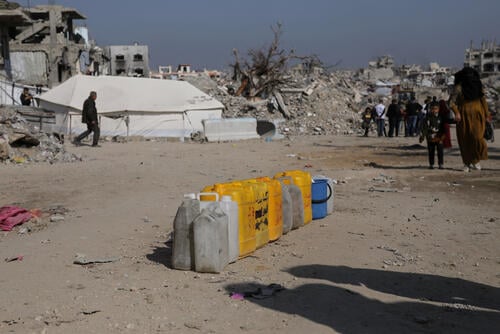
تسليح المياه: كيف حرمت إسرائيل غزة من المياه ودمرت أنظمتها وشبكات الصرف الصحي
تقارير
11 May 2026
Natural hazards
Drought and displacement push millions to the brink in Somalia and Ethiopia’s Somali Region
Project Update
11 May 2026


Medical Resource
MSF Field Research
We produce important research based on our field experience. So far, we have published articles in over 100 peer-reviewed journals. These articles have often changed clinical practice and have been used for humanitarian advocacy. All of these articles can be found on our dedicated Field Research website.
Visit site