







4,520
4,52
570
57
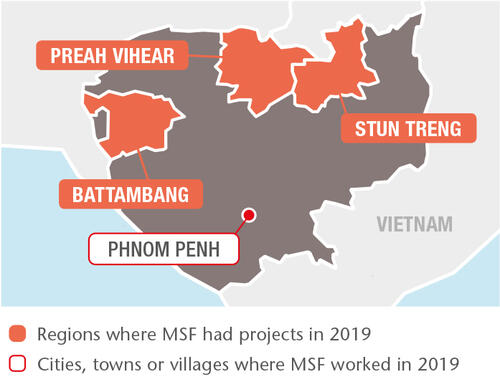
Hepatitis C is endemic in Cambodia yet access to diagnosis and treatment is virtually non-existent. After three years of collaboration with Preah Kossamak hospital in the capital, Phnom Penh, and the introduction of simplified diagnosis and treatment, Médecins Sans Frontières (MSF) handed these activities over to the hospital’s hepatology department in June. We continue to treat patients in the Municipal Referral Hospital with the aim of identifying barriers to hepatitis C care in this urban context.
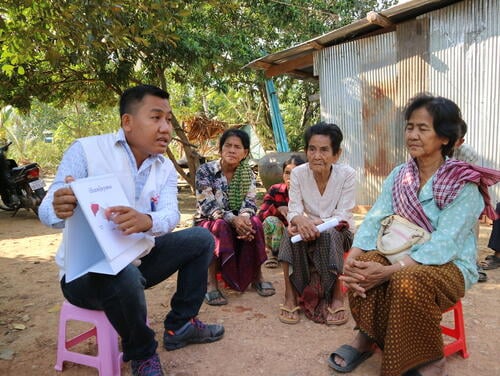
MSF scaled up hepatitis C care in two rural operational districts in Battambang province. The team continued to work on identifying the most efficient screening strategies (e.g. active case finding) for communities unaware of the disease.
Our staff participated in a technical working group on viral hepatitis that resulted in the development of a five-year national strategic plan and hepatitis C/hepatitis B clinical guidelines, based on the evidence provided by MSF’s activities. These were endorsed by the Cambodian Ministry of Health and represent important steps towards tackling hepatitis C in the country.
In May, we organised a well-attended workshop in Phnom Penh to share the lessons learnt from our successful malaria project in northern Cambodia. The following month, we handed over the project to the NGO Malaria Consortium and the government. The project included passive screening, whereby patients visit health centres on their own initiative; proactive screening (the detection of malaria cases by health workers among communities and households); and reactive screening, involving people potentially linked to confirmed cases.