


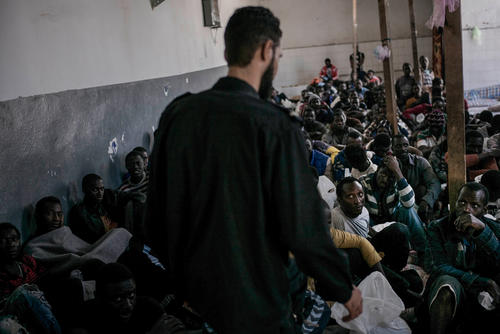

In 2017, MSF signed an agreement with the Ministry of Health enabling it to continue its activities for migrants, refugees and victims of human trafficking, as well as vulnerable local people with limited access to the national health system, around the coastal towns of Zarzis and Sfax.
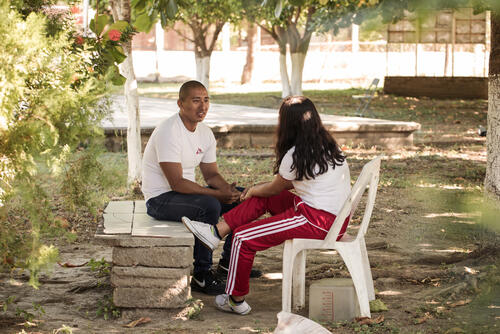
In Zarzis, MSF mobile teams provided medical and mental health support in the Red Crescent centre in Medenine, where they conducted 1,833 consultations. One in three consultations were for women. Mobile teams also offered medical and mental health support to the last remaining residents of Choucha camp until their forced eviction in June 2017, carrying out a total of 109 consultations. The camp had opened on the Libyan border in 2011, for people fleeing war in the country.
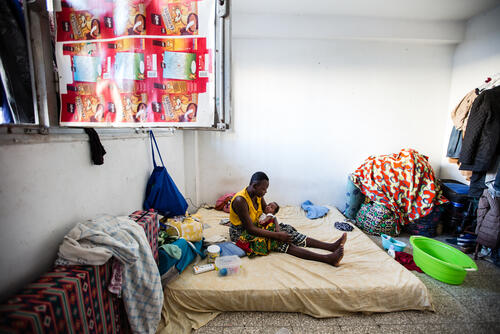
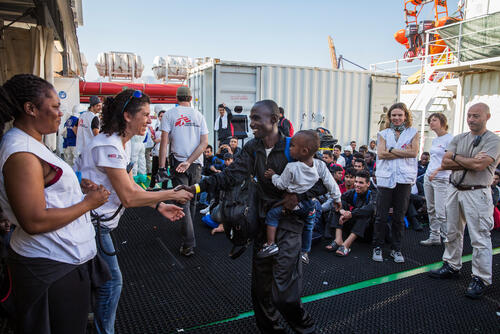
In Sfax, MSF provided medical and psychological assistance to victims of human trafficking, migrants from sub-Saharan Africa and other vulnerable people. Teams also conducted emergency interventions for people arriving at the ports of Sfax and Zarzis. MSF donated drugs and medical kits for emergencies – including intravenous fluids, medical equipment for dressings and cannulas – to authorities in Medenine Governorate. MSF supported national authorities in response to hepatitis A epidemics, funding 7,200 vaccines for the national Ministry of Health.
In October, MSF handed its activities over to other organisations and closed its projects.