




50,500
50,5
15,800
15,8
7,600
7,6
Although the number of new cases per year has been declining (from 160,000 in 2010 to 95,000 in 2014), seven per cent of the population (about 1.5 million people) is HIV positive. Adolescents are particularly vulnerable: they are exposed to early and/or unwanted pregnancies, sexual violence and unsafe abortions. HIV/AIDS is the number one killer disease for adolescents in Africa, and Uganda is no exception. Adolescents are also vulnerable to sexual violence, early and/or unwanted pregnancies, and unsafe abortions.
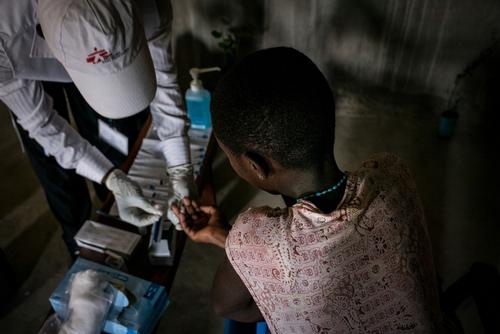
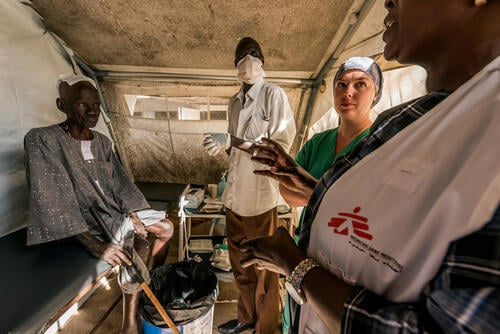
MSF has been offering point-of-care viral load testing in Arua regional hospital since 2013. Point-of-care testing facilitates rapid detection and early treatment, leading to an improvemed outcomes for patients. Between September 2013 and September 2016, 20,845 viral load tests were performed. Sixty patients suspected of failing on second-line antiretroviral (ARV) treatment consequently benefited from drug-resistance testing. Of these, 22 were confirmed to have failed and 19 were initiated on third-line ARV treatment.
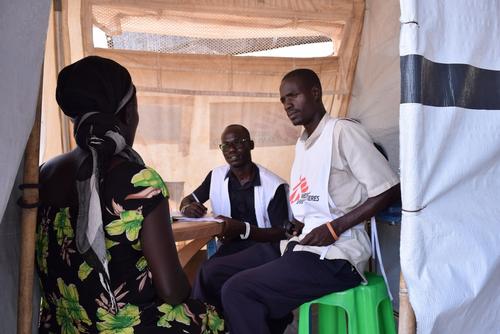
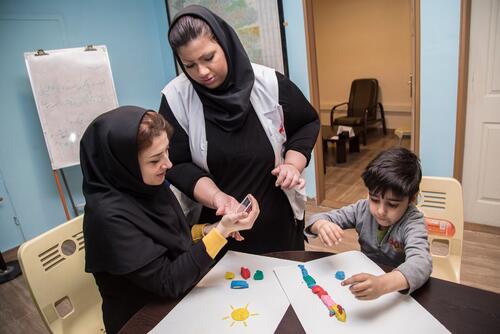
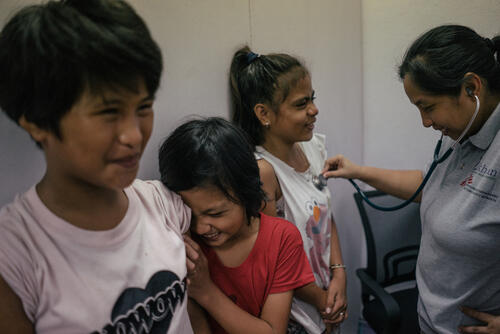
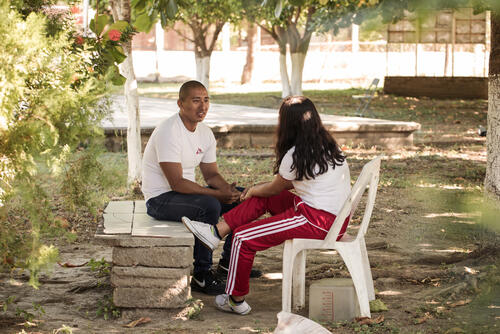
In Kasese, MSF runs a clinic providing basic and comprehensive healthcare to adolescents, including sexual and reproductive health services, and HIV and tuberculosis (TB) prevention, screening and treatment. Community awareness-raising (radio shows, social media marketing, networking) and recreational activities within the clinic encourage adolescents to come for a consultation. In 2016, more than 11,700 outpatient consultations were carried out and 3,200 adolescents were tested for HIV.
In the three districts around lakes George and Edward (Kasese, Kamwenge and Ruburizi), MSF runs a project to improve detection and care for HIV, TB and malaria in fishing communities. A proactive screening campaign, launched in February 2016 at the fishermen’s landing sites, resulted in 13,771 people being tested for HIV. MSF provides technical support in five health centres offering comprehensive, decentralised care at these landing sites. In 2016, 1,234 viral load tests were performed for people on HIV treatment.
Working with refugees
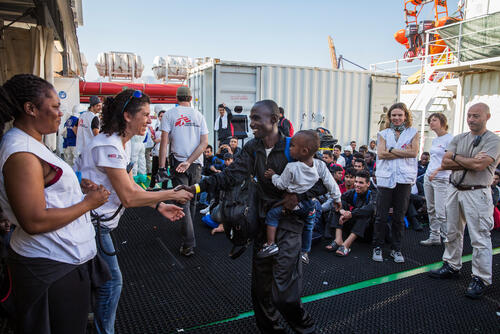
Uganda currently hosts more than a million refugees, the highest number in any African country. Approximately 700,000 are South Sudanese, who fled after intense fighting erupted in their country in July 2016.
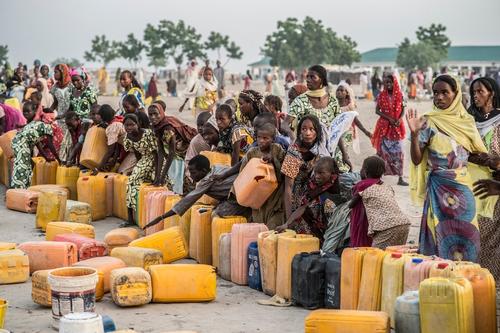
In northern Uganda, the massive influx overwhelmed the capacity of the implementing partners of UNHCR, the UN refugee agency, particularly at the new settlement in Bidibidi, which saw around 2,000 arrivals per day, and a total of almost 230,000 by the end of November. In Bidibidi, MSF filled the gaps in needs, including outpatient, inpatient and maternity consultations, disease surveillance, and provision of clean drinking water, latrines and sanitation. In November, MSF teams were trucking in 66,000 litres of water per day. Every day, between 60 and 200 people received a consultation in the MSF clinic; around 60 per cent of these were for malaria.