


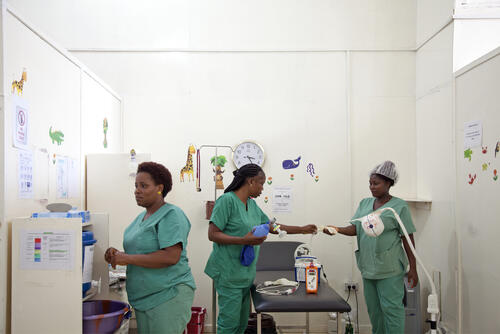
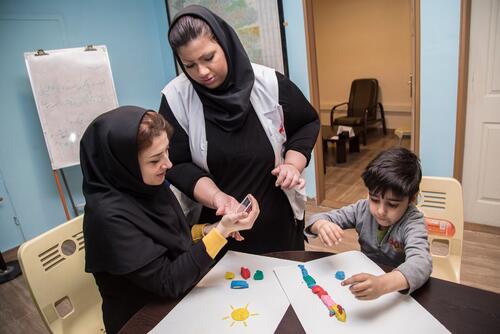
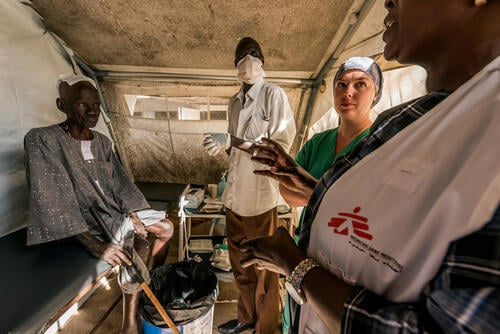
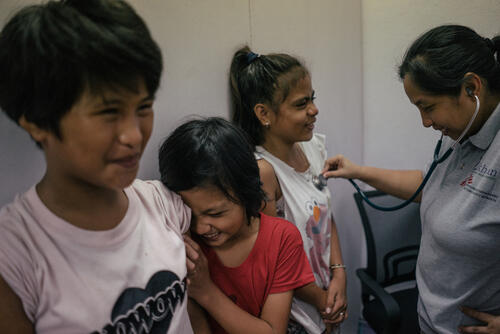
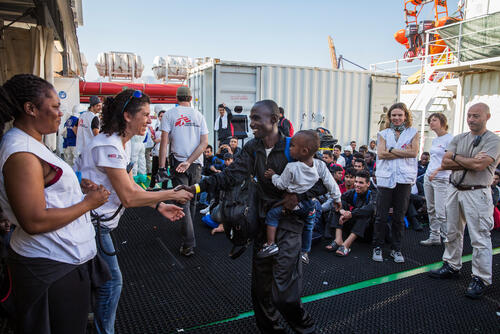
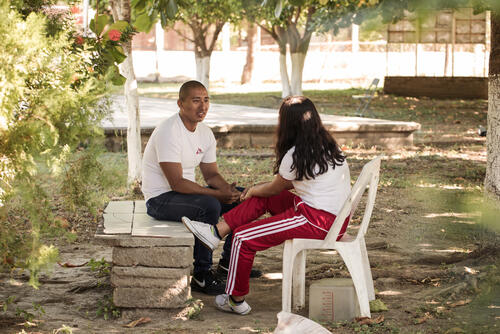
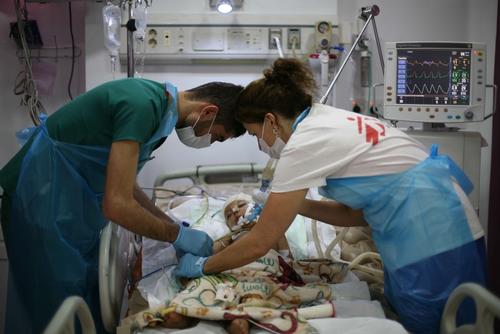
A year and a half after the Ebola outbreaks in West Africa, many who survived infection with Ebola are now suffering from “post-Ebola syndrome.” Post-Ebola syndrome is characterized by severe joint and body pain, headaches, traumatic flashbacks, vision problems, hair loss, impaired hearing, extreme fatigue, insomnia, memory loss, anxiety attacks and more. In West Africa, as in Liberia, the use and abuse of paracetamol increased significantly after Ebola virus disease as people are afraid to get sick so just after few lines of fever people start to use it. Paracetamol is present in most of the medicines cabinets in every home and is sold under different names, which is why there is the risk of overdose when taken simultaneously multiple medications that contain it. Hepatic necrosis, with a peak after 3-4 days, it can lead to liver failure and encephalopathy, hemorrhage, hypoglycemia and cerebral edema in severe cases. It can be fatal if the liver transplant is not feasible. 
Many victims of this intoxication are babies as mothers overdose them with Paracetamol after first symptoms of fever and ufortunately some of them reach the few hospitals when it is already too late because of road conditions and a lack of safe transports. Médecins sans frontières France manage the Bardnesville Junction Hospital (BJH) in Gardnesville (Liberia) and face this tragic phenomenon.
photo © Marco Garofalo 2016
International Activity Report 2016

Liberia

© marco garofalo
Ebola disease in DRC: find out how we're responding
Learn more
MSF in Liberia The West African Ebola outbreak of 2014–2015 took a severe toll on the Liberian health system, which was already fragile and suffering from inadequate medical infrastructures.
Liberia Map IAR 2016

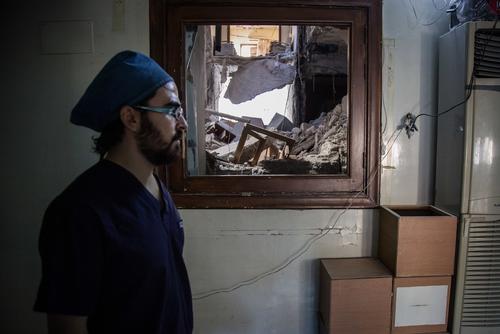
Over 4,800 deaths were reported, including those of 184 healthcare professionals. Although health services are being progressively restored, important gaps persist, notably in under-funded areas such as specialised paediatric care and mental health.
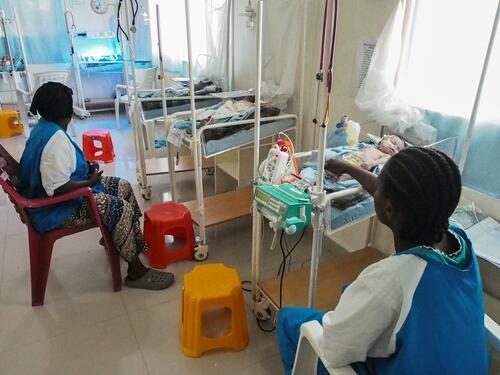
The neonatalogy intensive care unit. For the newborns between 0 to 28 days and under 1,5 kg who are in severe health situation. The unit have 33 beds.
The neonatalogy intensive care unit at Monrovia hospital.
Bérengère Guais/MSF

In 2015, the Bardnesville Junction Hospital (BJH) was set up in Monrovia, the Liberian capital and the epicentre of the Ebola outbreak. BJH provided specialised and emergency paediatric care, neonatology services, management of complicated severe malnutrition, onsite training and an Ebola survivor clinic. The clinic offered medical assistance, including mental health. Further attention was given to strict infection prevention and control measures to enable the continuity of healthcare services in the context of potential Ebola outbreaks.

In September 2016, the Liberia Board of Nursery and Midwifery validated MSF’s hospital as a site for clinical skills training. The first group of nursing students completed their practical training in December.

During the year 2016, 8,200 emergency consultations were carried out and nearly 4,500 patients were admitted to BJH. MSF’s survivor clinic provided care to approximately 600 patients, and conducted an average of 240 consultations per month. In December, MSF’s patients were transferred to three Ministry of Health centres in Monrovia and the survivor clinic closed.