




12,000
12,
11,000
11,
2,800
2,8
As a result of the peace process, there has been in a decrease in the number of clashes between armed groups, but civilians continue to be caught up in violence as criminal organisations fight for control of territory. The population is exposed to murder, forced displacement, extortion, sexual violence and confinement.
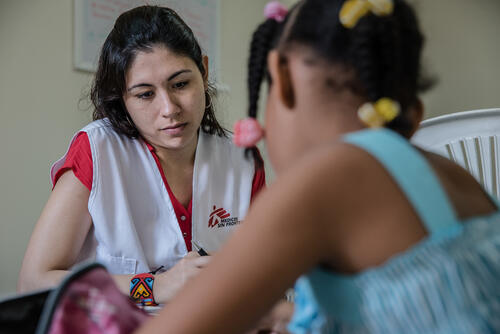
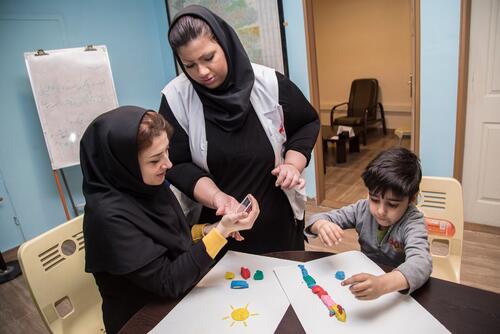
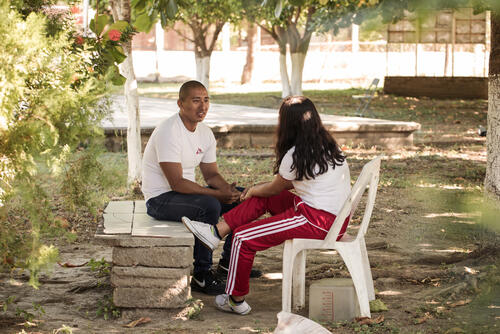
In 2016, MSF teams focused on the urban areas of Tumaco and Buenaventura. They offered psychological support to 3,953 people affected by violence exercised in the context of organised crime and by armed groups that have arisen in the current post-conflict situation. Teams also provided comprehensive care for 722 victims of sexual violence. In Buenaventura, where access to care is sometimes restricted, staff provided 1,710 consultations through the ‘psychological helpline’, a confidential telephone counselling service set up in 2015 for victims of violence, including sexual violence, and people with severe mental health problems. All users of this helpline are offered follow-up consultations.
In Tumaco, MSF assisted 461 sexual violence cases. This year, in this municipality, teams started activities related to voluntary termination of pregnancy for victims of sexual violence,
MSF continues to coordinate an emergency response team, which, intervenes in emergencies and monitors the health and humanitarian situation in areas most affected by armed conflict. During the year, the team conducted 2,012 primary healthcare consultations and 2,677 mental health consultations, mainly for displaced people in the departments of Antioquia, Chocó, Córdoba and Norte de Santander.