اطلع على السياسات والتقارير والخطط المتعلقة بكيفية تعاملنا مع قضايا مثل العنصرية وتقليل بصمتنا الكربونية وضمان توافق سلوكاتنا مع أعلى المعايير الأخلاقية.
MSF works with LGBTQI+ populations in many settings over the last 25-30 years. LGBTQI+ people face healthcare disparities with limited access to care and higher disease rates than the general population.
The MSF Paediatric Days is an event for paediatric field staff, policy makers and academia to exchange ideas, align efforts, inspire and share frontline research to advance urgent paediatric issues of direct concern for the humanitarian field.
Noma is a preventable and treatable neglected disease, but 90 per cent of people will die within the first two weeks of infection if they do not receive treatment.
The GeoMSF platform is a dynamic one-stop-shop website for all of MSF's GIS related services and products. Access maps and applications through the catalogue, request geographical support, or produce a map on GeoMSF.
Warning: file_get_contents(libraries/jquery-colorbox/jquery.colorbox-min.js): Failed to open stream: No such file or directory in Drupal\Core\Asset\JsCollectionOptimizerLazy->generateHash() (line 43 of core/lib/Drupal/Core/Asset/AssetGroupSetHashTrait.php).
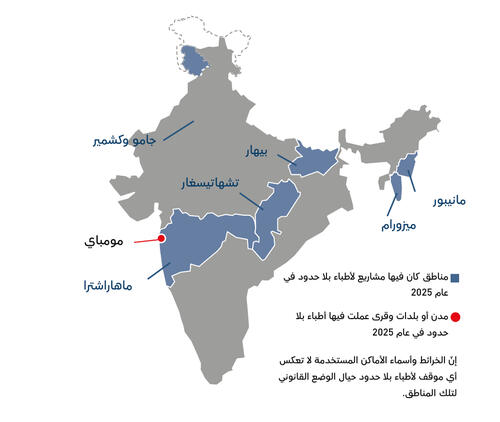
في مومباي، نعالج الحالات المعقدة من مرض السل المقاوم للأدوية ونعمل مع السلطات الصحية للحد من ارتفاع معدلات الإصابة بالسل والوفيات في المنطقة. كما نقدم الرعاية الشاملة للأشخاص الذين يتعايشون مع فيروس نقص المناعة البشري المتقدم في بيهار، والرعاية الصحية الأساسية عبر العيادات المتنقلة في المناطق النائية من تشاتيسجار، وخدمات الصحة النفسية في جامو وكشمير.
أطباء بلا حدود في الهند في عام 2025 تعمل أطباء بلا حدود في الهند لسدّ الثغرات في الخدمات الصحية المقدّمة إلى الفئات المهمّشة، بما يشمل علاج الأمراض المعدية والدعم النفسي وتوفير الرعاية الصحية الأساسية.
في ولاية بيهار، يواجه الأشخاص المتعايشون مع فيروس نقص المناعة البشرية المتقدّم محدوديةً في خيارات العلاج، إلى جانب ارتفاع معدّلات الوفيّات نتيجة اقتران المرض بأمراض معدية أخرى. كما يعيش المرضى في ظل هشاشةٍ اقتصادية، ووصمة اجتماعية حادّة مرتبطة بفيروس نقص المناعة البشرية، بالإضافة إلى الإقصاء الاجتماعي، ما ينعكس سلبًا على قدرتهم على الوصول إلى العلاج والالتزام به.
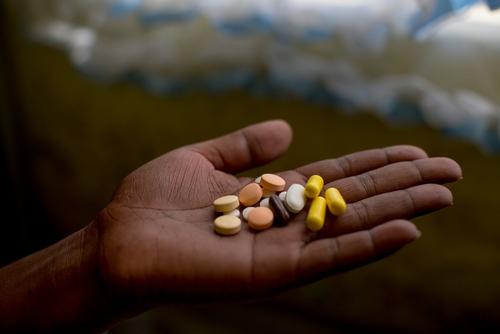
وبالتعاون مع وزارة الصحة ورعاية الأسرة في ولاية بيهار، توفّر أطباء بلا حدود رعايةً استشفائية متخصّصة في مستشفى غورو غوبيند سينغ في باتنا، تشمل تدبير الأعراض الجسدية، وتوفير الدعم النفسي الاجتماعي، والرعاية التلطيفية. وفي ولاية مانيبور شمال شرق الهند، نقدّم رعاية متخصّصة عبر عدّة عيادات للأشخاص المتعايشين مع فيروس نقص المناعة البشرية والسل والتهاب الكبد الفيروسي C، إضافةً إلى المصابين بأكثر من عدوى في الوقت نفسه. ولا يقتصر عملنا على الفحص والتشخيص وعلاج المرضى مباشرةً، بل يمتد أيضًا إلى أفراد الأسرة بهدف الحدّ من انتقال العدوى.
ويواصل مركزنا في زوكهاوثار بولاية ميزورام، الواقع مباشرةً على الحدود بين الهند وميانمار، تقديم خدمات الرعاية الصحية العامة الشاملة للنازحين والمجتمعات المضيفة. كما ننفّذ أنشطة التوعية الصحية داخل المركز وفي المجتمعات المحلية وفي تسع مستوطنات ومخيّمات في المنطقة، إضافةً إلى تنظيم إحالات تخصّصية إلى مستشفى مقاطعة تشامبهاي ومرافق صحية في أيزاول، عاصمة الولاية.
وفي ولاية تشاتيسغار، دخلت حالة عدم الاستقرار المستمرّة مرحلةً جديدة خلال عام 2025 مع تكثيف القوات الحكومية لعمليّاتها ضد المتمرّدين الماويين. ورغم تصاعد التوتّر، تمكّنت فرقنا من الحفاظ على الخدمات الصحية الأساسية للسكان في القرى الريفية المحيطة بمدينة بيجابور، وكانت فرقنا تقطع تضاريس وعرة لتسيير عيادات متنقلة بانتظام في ستة مواقع مختلفة ، حيث قدّمت العلاج للملاريا، والالتهابات التنفّسية مثل الالتهاب الرئوي، والأمراض الجلدية، وسوء التغذية، فضلًا عن خدمات الصحة الإنجابية.
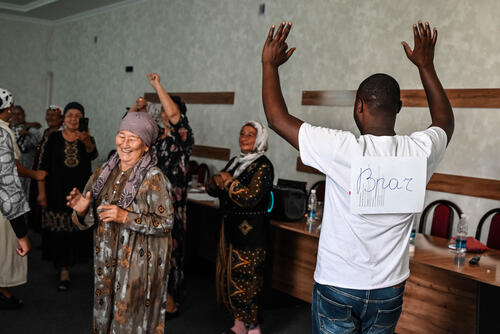
أما في جامو وكشمير، فتبقى الصحة النفسية قضيةً ملحّة لا تحظى بالقدر الكافي من التركيز. وفي هذا السياق، تواصل فرق أطباء بلا حدود تقديم خدمات الاستشارة في المستشفيات والمراكز الصحية في بولواما وسريناغار وترال وسوبور. كما تعمل على رفع مستوى الوعي، وتعزيز الفهم، وكسر وصمة العار المرتبطة بالاضطرابات النفسية، وتقديم أدوات عملية لتعزيز الصحة النفسية.
في عام 2025
13,700
13,7
استشارة صحة نفسية فردية
10,200
10,2
شخص تلقى علاج الملاريا
1,000
1,
شخص يعاني من مراحل متقدمة من فيروس نقص المناعة البشرية تحت رعايتنا المباشرة
270
27
شخصًا بدأ العلاج من السل، من بينهم 13 شخصًا يعاني من السل المقاوم للأدوية المتعدّدة
نلتقي أثناء عملنا أشخاصًا يعانون من مرض نفسي أو يواجهون وضعيّات نفسيّة صعبة، مثل العنف أو الفقد أو النزوح. دعم الصّحة النفسيّة يمكن أن يكون حاسماً لمساعدة الناس على التأقلم.
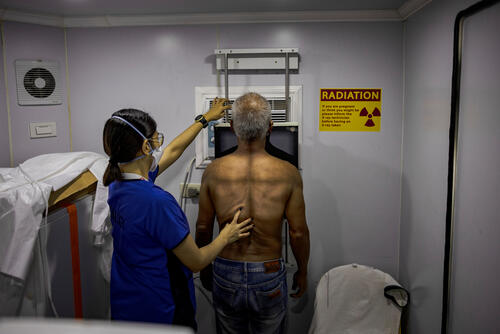
يعدّ السلّ أحد أكبر أزمات الصّحّة العالميّة، إذ أنه أودى بحياة 1.6 مليون شخص عام 2020، ما يجعل السلّ ثاني أكثر مرض معدي قاتل في العالم بعد كوفيد-19 بحسب منظّمة الصحة العالميّة.
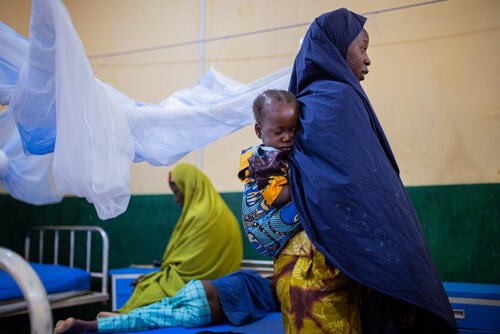
تعيش حوالي 99 في المائة من النساء اللواتي يتوفين أثناء الولادة أو بسبب المضاعفات المرتبطة بالحمل، في البلدان النامية. ومعظم هذه الوفيّات يمكن الوقاية منها.
العنف الجنسي يؤثر على الملايين من الناس، ويحطّم بوحشية حياة النساء والرجال والأطفال. هي حالة طبية طارئة، ولكن غالبًا ما يكون هناك نقص حادّ في خدمات الرّعاية الصحية للضّحايا.